Other Stuff

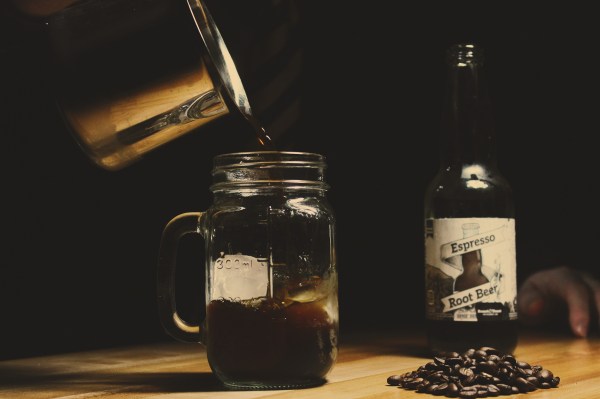
Northwoods Soda: Espresso Root Beer

History: Nestled away along the Lake Michigan coastline is the small town of Traverse City, Michigan. It’s the home of a small mom and pop soda syrup and bottling company called Northwoods Soda. Opened in 1988 by founder and owner, Bill Fosdick, Northwoods Soda generates most of its business crafting fountain and coffee syrups. “I wanted to be able to do a small family business that I could operate locally,” says Fosdick. This statement is the perfect summation of the business. Indeed, it has stayed in the family. Bill’s wife, daughter, son and stepson all do their part. And if you’ve never heard of Northwoods Soda, that’s because it’s a local brand to northern Michigan. Despite soda syrups accounting for most of the company’s sales, Fosdick knew he needed a bottled line to market to the public. He even named the Wild Bill’s Root Beer after himself. “We wanted to do some things that were more unique,” he adds. Espresso Root Beer, today’s review, certainly fits that category. But the idea wasn’t actually theirs. Northwoods Soda makes all the coffee syrups for a swanky coffee company called Roast and Toast in Petoskey, Michigan. The coffee house sells quite a bit of Wild Bill’s Root Beer there. Well, one day they decided to start putting shots of espresso in it and the beverage quickly became an in-house hit. After trying it, Fosdick said he thought, “Oh my God, this needs to be bottled.” There’s almost a complete shot of espresso in every 11.5 ounce bottle, so buckle up. Northwoods Soda always tries to place an emphasis on sourcing ingredients as locally as possible. They also use pure cane sugar as a sweetener and make their soda in “extremely small batches.” One element that stands out in their root beer? Vanilla. Fosdick wouldn’t go into details, other than to say “it’s special.” So am I, if you ask my wife. But what makes this small bottler truly special is the freshness they ensure to their customers. Fosdick concludes our conversation, saying “We have a very small bottling line that’s operating almost nonstop,” and what is made that morning goes out to be shipped that afternoon.

Where to get: Unless you’re from Michgain, online is your best bet for finding this soda. At the time of this review, you’ll notice the espresso root beer isn’t listed in the online shop. Fear not, it is available. Just call the number listed on the site and Northwoods Soda will hook you up with an order.
Nose: Espresso; chocolate; mild anise and mint. Smells like a coffee shop, a good one.

Taste: Espresso; chocolate; vanilla; mild wintergreen. There’s no disguising this; it’s espresso. The root beer elements are very mild and act in the background, so let’s just discuss the parts you’ll be tasting – the espresso. The carbonation is light and fluffy as to not get in the way of the coffee flavors. And Northwoods Soda managed to really pack some flavor in here. There’s a milky, smooth dark chocolate body that forms the base of the flavor profile. Next comes a cool wave of silky vanilla with a little bit of nuttiness to it. The one-two punch of smooth chocolate and vanilla is incredible. You also get some mild acidity and cinnamon as well. And there’s also juuuuuust a little bit of wintergreen near the end. Very well rounded and drinkable for flavors so deep.

Finish: Velvety chocolate. Richer than the initial sip. Nutty vanilla, mellow mint.

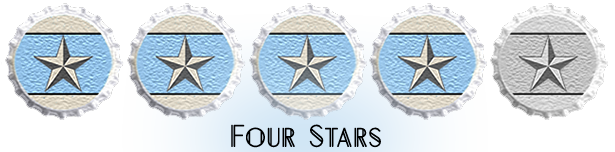
Rating: If you like soda, this is excellent. If you guzzle coffee, this is a bottled miracle. And if you like espresso, you should probably take the day off work for this one. Northwoods Soda and Roast and Toast have combined to create the most exquisite, flavorful and sophisticated coffee soda in the midwest. Milky, dark chocolate notes followed by creamy vanilla, light acidity, mild cinnamon, and mellow wintergreen. It’s dynamite on the palate. A mouth orgasm. It packs a zip, too. 60mg of caffeine per bottle. As someone who doesn’t drink a lot of high-caffeine beverages, I’m amped out of my mind. I just signed up for three marathons and the running of the bulls. If I drank one of these every day, I’m pretty sure I could qualify for the Olympics. Don’t worry, if you drink coffee at all or are not me, you’ll be good with the caffeine. There’s only one dock on this: you wouldn’t know it was an espresso root beer if you didn’t read the label. This would more accurately be called an espresso soda, along the lines of Manhattan Special. But this is better than that. You do get a little bit of anise on the nose and some mild wintergreen notes on the tongue, but there’s not enough root beer flavor in this for me to feel comfortable calling it that. That is the only reason this doesn’t get five stars. The espresso just overpowers the root beer elements, but its flavor is so good, you won’t really care. On flavor alone, this is a home run. I just keep drinking it. Man, does anyone wanna go work out right now??!?? This is a soda that earns the highest of our recommendations. It’s not every day you come across an espresso soda, and it’s even less often that two things that sound like they shouldn’t work, do. You may or may not have heard of Northwoods Soda before today, but if they keep making bottled deliciousness like this, they won’t fly under the radar for long. Be on the look out for new flavors that are always in development with “Saturday Morning Cola” set to roll out in the fall.
 

Saranac: Shirley Temple

History: Saranac Brewery has been around a long, long time. And it’s stayed in the family, now in its fourth generation of brewers. Dating all the way back to 1888, F.X. Matt started the brewery with 4,000 barrels of beer a year under the name West End Brewing Co. How about that name? Seriously. F.X. Matt? How ominous does that sound? Brb while I go pitch ideas for super villains to Marvel and DC. Maybe we should start going by F.S. Soda. God, this review is already spiraling out of control. As with many long-lived breweries, prohibition hit this one hard. According to Saranac Assistant Brand Manager, Martha O’Leary, West End had just begun brewing root beer before prohibition hit and it’s essentially what kept them alive throughout those years. In 1985, the company produced its first craft beer called “Saranac.” The brewery later took this on as its name to honor of the anniversary of the Saranac Railroad’s inaugural trip from to Saranac to Utica, New York. Saranac began making craft sodas in the 1990’s. Currently they boast six different flavors, including today’s review, Shirley Temple. “It’s been with us for such a long time, and we continue to build on that,” says O’Leary. One thing we need to give you soda connoisseurs a heads up on is the fact that Saranac uses high fructose corn syrup in their sodas as a sweetener. When asked why, O’Leary was honest, “I think it’s because we maintain the same recipe” from the 90’s. She also added that there have been discussions to make the switch to cane sugar. But Saranac does have a strong reputation in the world of gourmet soda. Their root beer won gold in the 2014 U.S. Beer Open competition. But Shirley Temple was too fun to resist.

Where to get: Saranac is sold throughout the greater New York region as well as online at Amazon and ShopRite.

Nose: Grenadine syrup. Smells very sweet.

Taste: Cherry syrup; shirley temple; light bubblegum. So there’s two things that go into making a Shirley Temple. Grenadine/cherry syrup and lemon-lime soda. And I gotta hand it to Saranac… this tastes exactly like a Shirley Temple. Well, almost exactly. There’s a definitive hit of sweet cherry-flavored soda with a light bite. The carbonation in this is much lighter than if you mixed your own cherry syrup with something like Sprite. But the biggest difference is that this tastes much sweeter than a normal Shirley Temple. Much sweeter. And the classic citrus notes have been replaced with sweeter ones, reminiscent of bubble gum candy. The closest thing I can think of is those bubblegum cigars you got as a kid. This has a sweet cherry syrup taste with an added bubblegum flavor and a hint of citrus.

Finish: Just the tiniest bit of citrus. Maybe lime. Followed by a more mellow grenadine flavor.

Rating: If you like sweeter sodas, you’ve hit the jackpot here. If I drank of six-pack of these, I’d be Wilford Brimley before it was all over. That said, if you’re looking for a bottled Shirley Temple soda, you can’t go wrong with Saranac. I’d like to have seen some more citrus or some kind of bite to this to cut back the sweetness a little bit, but this stuff is good. You can really taste that classic Grenadine flavor present in all Shirley Temples and there’s a little bit of a mild bubblegum flavor as well. Kids will love this for its fun color, packaging and candy-like flavor. Adults will enjoy its nostalgia-inducing taste that jettisons you back in time to when all you wanted was mom to put the cherry syrup in your soda to make it taste better. I’d recommend putting this on some ice cubes and sipping it. And if you want to have some real fun, try a spiked Saranac Shirley Temple by adding vodka and a couple squeezes of fresh lime. This accomplishes what it set out to do and, despite the sugar rush, will please a lot of soda enthusiasts. Approved.

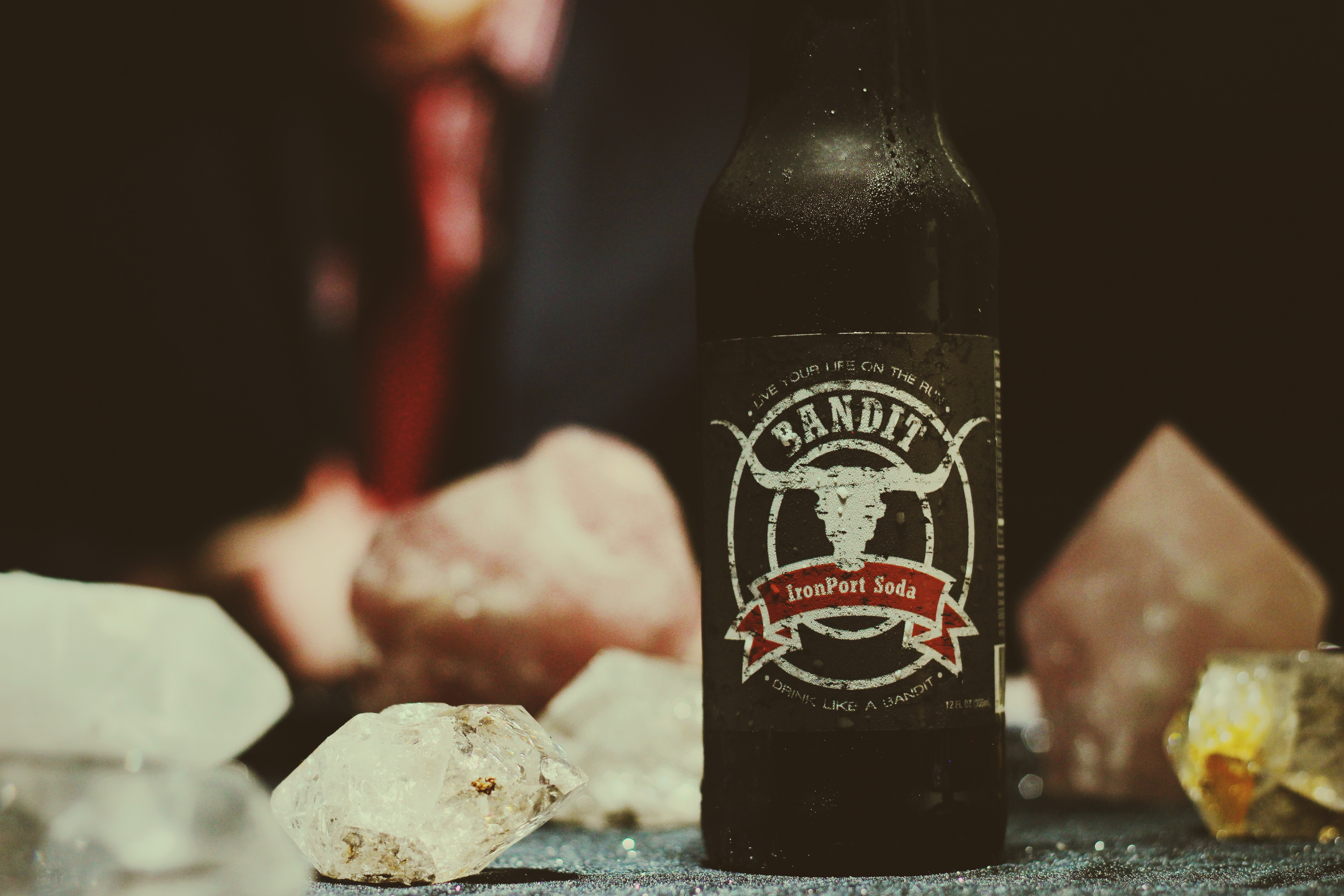
Bandit Beverages: IronPort

History: The Coelacanth is one of the most unique animals you’ll ever come across. Thought to have been extinct for 66 million years, it reappeared in 1938 to the surprise of the world. To this day, most people still don’t even know it exists, yet it’s an important example of the many mysteries within our world. What if I told you in the world of craft soda, there’s something out there that’s basically the equivalent of the Coelacanth? What if I told you there’s a soda out there that barely clung to life throughout the late 20th century, but is being reintroduced? What if I told you its creators knew literally nothing about soda in 2013 when they had the idea to bring it back? All of this is true. It’s called IronPort, and it’s the entire reason the Northern Utah-based Bandit Beverages exists. The company’s manager, Cameron Green, explains, “We wanted to find a way for those who haven’t tried this ‘cult’ soda a chance to, and give a chance to those people from the 50’s 60’s etc. a chance to have a soda they probably haven’t seen since they were kids or teens.” IronPort is rumored to still be a favorite in the Mountain West region of America, especially Utah and Idaho, according to Green. Unless you’re from around there, you’ve likely never heard of it.

Listen, the soda might as well be called ???. There’s a lot of mystery behind it. I’ve heard it called root beer combined with cream soda. I’ve heard it called root beer with Caribbean spices. You won’t find much information online. Is it still popular anywhere? Is it mixture of two sodas? Is it a flavor? Is it a style? Will it cure that thing I caught in a South American club last month? We asked some of these questions to Bandit Beverages, the only producer of bottled IronPort we can find. And even they won’t budge. “Can’t answer that without saying too much,” Green says with a coy smile. (I only assume this because he attached a 🙂 at the end, the kind of smiley face that girls text dudes to let them know something good is happening that night. You know what I’m talking about.) The most we could get out of them is that they’re trying to keep it “as close to the original” as possible and that “IronPort is the flavor, just the same as grape is a flavor, etc.” The one snag that may raise eyebrows to craft soda lovers is that Bandit Beverages makes their IronPort with high fructose corn syrup as opposed to cane sugar. “Since we were a young company we were trying to keep costs down, we were basically being cheap, which was a big mistake,” Green adds. Bandit Beverages acknowledged to us that they are currently in the process of switching all four of their sodas to pure cane sugar. We couldn’t resist the mystery. This should be an experience.

Where to get: Bandit Beverages sells IronPort directly via the company’s website. As of now, you won’t find it anywhere else, so you might as well snatch it up.

Nose: Bubblegum; spices; something akin to the smell of an orange freeze.

Taste: Bubblegum; orange; nutmeg; vanilla; creaminess. On first taste, this is a bit puzzling. IronPort certainly tastes like its own category. It’s sweeter and creamier than most sodas. If you drink a lot of higher-end soda, you’ll notice it’s a bit syrupy. This is because of the high fructose corn syrup used instead of cane sugar. The most prominent flavors that come through after a few sips include bubblegum and orange. This tastes more like a bubblegum cream soda infused with orange than a spiced root beer. That said, this doesn’t taste like an orange cream soda. It tastes like creamy bubblegum infused with floral orange and vanilla. Not the traditional orange soda flavor profile, but much softer. There’s definitely a nice creaminess to this and there are some additional flavorings in here that impart an orange flavor, perhaps spices. Some of those could include allspice, nutmeg, and/or cloves. As you can tell, this is hard to place. One of our team members said they even tasted some rose hips in there. There’s also definitely vanilla. That likely explains the creaminess. Bottom line: Smooth, sweet bubblegum cream with notes of soft orange, vanilla, and maybe some spices.

Finish: Creamy, yet slightly bitter orange.

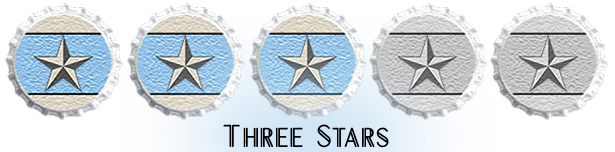
Rating: Even after an entire bottle, IronPort remains mostly a mystery to us. Closer to a cream soda than root beer; this is in its own category. It’s not a variation. It’s a flavor in itself. There’s a creamy bubblegum body with notes of aromatic orange, yet I wouldn’t label this as being even close to an orange cream soda. There’s some sort of spice influence. Perhaps some nutmeg. Definitely vanilla. Maybe even some cinnamon. These are impossible to place in absolute terms, but something is causing that orange flavor. IronPort is very smooth with a nice creaminess. One area it lacks in is mouth feel. Bandit Beverages elected to use high fructose corn syrup and it leaves a syrupy taste at times. The company has said themselves they plan on switching to cane sugar in the near future. Once that move is made, I think IronPort’s flavor will greatly improve. Cane sugar provides a crisp sweetness as opposed to the thickness you taste with corn syrup. Like a majority of women, I may never understand IronPort. But its elusiveness, its mysterious standing in the world of craft soda, is something that should appeal to any soda connoisseur. Bandit Beverages, while a young company, has made a veteran move to resurrect an old favorite of which many haven’t heard. It’s nostalgic, yet abstract; classic, yet foreign; familiar, yet so peculiar. This is one you’ll want to put a check mark next to on your soda resume.

Taylor’s Tonics: Chai Cola

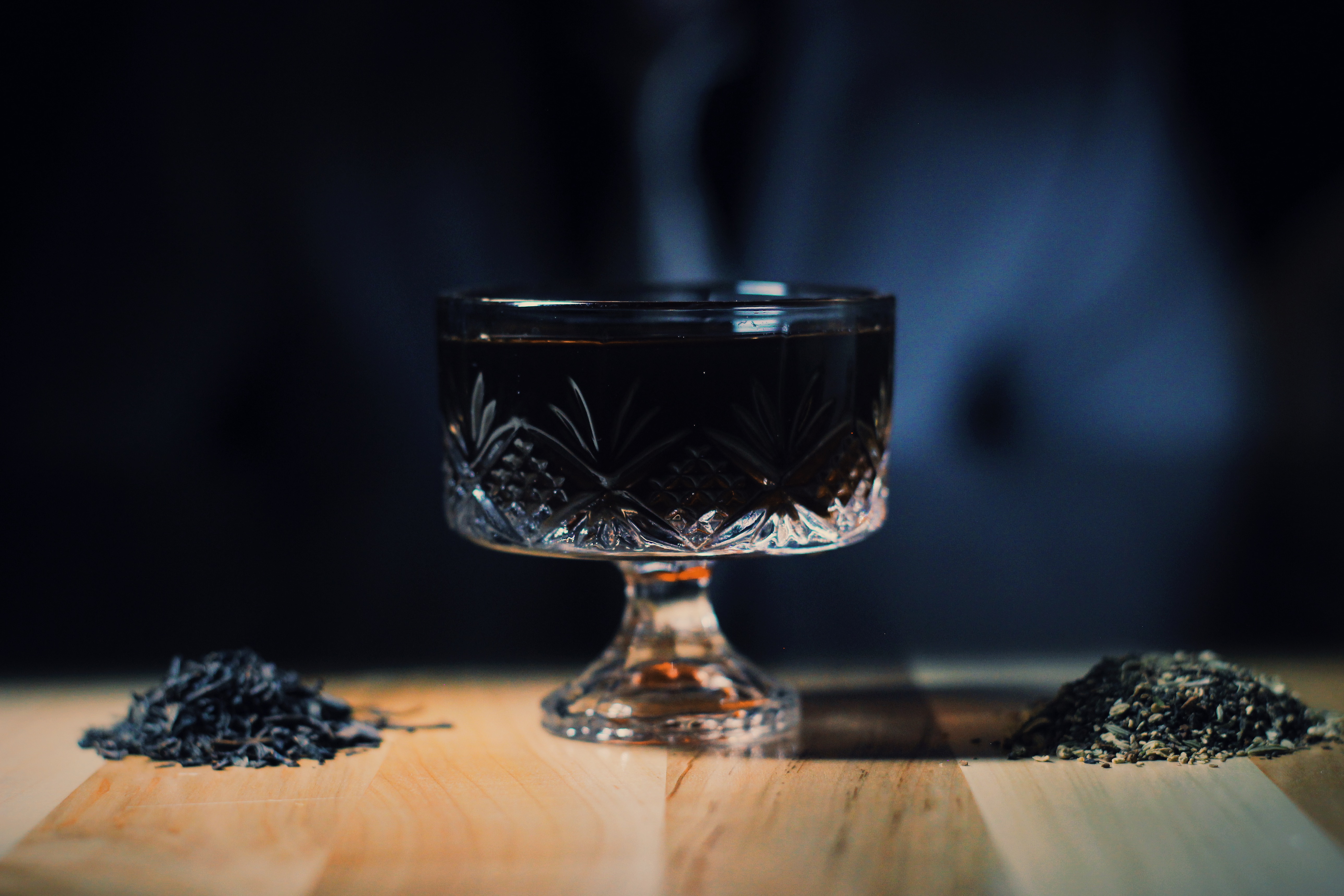
History: You could hear the seriousness in his voice. “We would’ve gone out of business,” says Taylor Peck. It was a grave error, one that would’ve cost his new venture over $40,000 in expenses. $40,000 they didn’t have to lose. And then, a break through. “It was kind of a miracle moment,” he says, the tension still in his voice. Taylor Peck is the founder and brewmaster of Taylor’s Tonics soda kitchen and retail soda shop, The Fizzary; both are located in San Francisco. Their flagship product is the one we review today, chai cola. But it was never supposed to happen.

Taylor and his team started out in Santa Cruz, California in 1996 making and importing teas. They quickly got into chai tea and then transitioned into using organic ingredients. Eventually they started making tea concentrates that they sold to clients. Peck become known for his sophisticated, flavorful tea brews. Business was good, so good he relocated to San Francisco in 2002. Six years later, he almost destroyed it all. “I made a major blunder as a brewmaster,” he chuckles over the phone. You see, there are a lot of ingredients and precision that go into making fine tea. In 2008, Peck was making a 16:1 chai tea concentrate. When he went to add the citric acid, he was off by one decimal point, meaning he added 10 times too much. The batch was useless as tea. This was a major problem, a costly problem. Peck estimates he would’ve lost over $40,000 and bankrupted his business if he didn’t do something. So Peck started thinking. And tinkering. And adding things. I mean why not; he had nothing to lose. Just kidding; he had everything to lose. And then one day… voila. Peck discovered that by carbonating this liquid mess and adding vanilla, it transformed into a pretty damn good soda.

Taylor’s Tonics now markets this soda as Chai Cola. It’s the company’s most recognizable product and the one that saved his business. As you might imagine, there’s a strong tea influence. In fact, 98% of its ingredients are also found in teas. In 2009, Peck began selling it to the public. Eventually he and his team sold off the tea concentrate side of the business to focus solely on craft sodas using tea ingredients. He explains, “It’s still our product. We just took it to a different plane.” All of the ingredients are natural and listed right on the bottle. “We do a combination of organic black tea extract, steamed black tea, and yerba maté teas.” You’ll find spices like cinnamon, nutmeg and three different ginger elements. Like most colas, this one also contains caffeine. Taylor’s Tonics also sells two other year-round flavors and a few seasonal selections. Three years ago, they added a retail soda fountain next to their store called The Fizzary. You’ll never hear Peck brag about his soda, but if you ask his opinion, he won’t shy away from giving it you; “We say little, do much. We don’t want to over promote and we make recipes that aren’t based in hype.” Bold. But can you blame him? I would be too if I pulled some wizard shit like he did. Let’s see if his soda is just as magical.

Where to get: At the time of this review, the online shop at Taylor’s Tonics is down for repair. If you’re looking at this way past June 4, 2015… go give it a peak. Until then, Soda Emporium and Galco’s have you covered for single bottles and Amazon has the hook-up on 12-packs.

Nose: Vanilla cola; chai tea; cloves. One of the best-smelling sodas my nose has come across.

Taste: Cola; tea leaves; cardamom; cinnamon; vanilla. This is a mouthful with a flavor profile akin to a fine dining experience. Lots of things are going on here. First there’s the unmistakable taste of black tea with a sweet kick. This segues into a smooth cola body with notes of vanilla, cinnamon and cardamom. The vanilla isn’t quite as pronounced on the tongue as it was on the nose. The cola and black tea flavors sustain throughout the drink, but the cinnamon and vanilla fade in favor of light ginger and cloves. I’d love to see that vanilla linger just a little bit longer. For a soda with black tea as a bold ingredient, it works well with contrasting flavors like vanilla, ginger and cinnamon.

Finish: Creamy cloves; herbal notes; chai. I wouldn’t necessarily call this a creamy soda, but rather a smooth one. However, the finish is certainly creamy, but it’s more of a botanical creaminess instead of one rich in vanilla. Interesting, but also very nice.

Rating: This is certainly an artisanal soda of the highest degree. Its flavor profile is rich with spices and herbs. Black tea leaves, cloves, vanilla, cinnamon and mild ginger are just a few highlights. The highest compliment I can give this soda is this: it’s a botanical craft soda that non-botanical soda fans will enjoy because its flavors work on multiple levels. The company fuses a blend of natural ingredients to form a tasty herbal elixir that really does taste like cola infused with chai. That said, with so many herbs and spices, this won’t be everyone’s cup of tea. Get it? ‘Cuz there’s tea in it. Ingredients like cardamom, yerba maté, and cloves are likely to shock the taste buds of some drinkers, but more likely to delight the tongues of most. I’m still trying to figuring out how to do that with women to this day. This isn’t a soda you’ll drink every day, but you’d really be missing out not to try this work of originality and revisit it every now and then. You can taste the effort Taylor’s Tonics puts in every bottle and the quality of ingredients used. It leaves a lasting impact. Chai Cola is a great fancy alternative to alcohol at cocktail parties and also makes a really fun and weird whiskey and coke, something that certainly won’t stop most of us. Do yourself a favor and sample this botanical beauty.

Drink More Good: Cassia Kream

History: Craft soda is hot right now. You know what the hottest trend in craft soda is right now? Craft soda… syrup. That’s right, do it yourself! Don’t be a slave to the confines of the man and his portions on taste! Just add some seltzer water and poof! Drink More Good by Jason Schuler started in 2012 to “make this world a better place.” A Bold statement. But one that has a noble explanation. The company has partnered with generosity.org in an effort to help make clean water more accessible across the world through sustainable water wells. In 2014, Drink More Good raised over $14,000 toward the cause. And that’s great. But you’re more interested in what goes in your mouth. And in this case, it ain’t water. Well, actually, it mostly is. Drink More Good makes three different soda syrups. Perhaps the most unique is the one we sample today: Cassia Kream. It’s sort of a hybrid cola/cream soda, leaning more toward the former. Schuler is proud of his creation. He says, “When colas were made with real ingredients, you would have found coriander, star anise, lavender, citrus, and roasted kola nut in a lot of those recipes. I started my spice blend here, then added cinnamon and vanilla.” So there’s a lot going on in this baby. Schuler’s Drink More Good was a 2014 finalist for the Martha Stewart American Made Awards. He adds, “We’re bringing soda back to what it was. Everything you’re tasting is a real herb or spice that’s been crushed by me in an eight inch mortar and pestle” (in his retail spice shop).

Where to get: Drink More Good is sold online through the company’s web site. Bottles can be purchased individually or as a three-pack.

Nose: Raw, organic honey; anise.

Taste: Lavender flower; honey; cane sugar; mild anise; cinnamon and vanilla. There’s a very distinctive organic honey taste to this. It’s very pleasant and refreshing, almost relaxing. The only thing is… there’s no honey in Cassia Kream. So what we’re really tasting is cane sugar being transformed by the spices in the syrup and how they blend with the seltzer water. Lavender is very apparent and soothing. Cinnamon and anise come in next, though the anise isn’t too overwhelming like in some root beers. Often, this almost tastes like a sweet herbal tea with the addition creamy vanilla. It has a very distinctive flavor and the use of spices here are mesmerizing to the tongue. There’s even the faintest hint of lingering orange throughout the body of the drink. A relaxing honey taste is what rises above everything else. If you told me this didn’t actually have honey in it without showing me the ingredients, I wouldn’t believe you.

Finish: Less honey and more cane sugar that fades into mellow cinnamon and anise star. All of this is carried along by a wave of underlying vanilla and citrus that accentuate the flavors they’re carrying.

Rating: Cassia Kream isn’t your every day cola, but in the world of craft soda, every day cola is a thing of the past. Schuler’s starting point of traditional cola and label of “kream” have landed him elsewhere in a foreign, yet flavorful paradise of herbs and sweetness. It’s kind of like when you’re on Tinder and swipe the wrong person, but it works out in your favor. Trust me, this rarely happens. I would know; I’m often on the wrong end of it. But rare wonders do happen and Drink More Good has created a rare wonder. Cassia Kream does not taste like cola. It does not taste like cream soda. It’s truly on its own island of originality. Think flavors and not necessarily ingredients – this tastes of sweet honey and spices to form a highly drinkable herbal tea-like soda with undertones of vanilla. That’s the best description I can give for something that truly needs to be experienced to understand. Notes of cinnamon, citrus and anise are all apparent throughout the body of the soda, while a rich raw honey taste brings it all home. Wild, earthy and full of flavor. If you were anti soda-syrup before reading this, I hope we’ve at least opened you to the possibility. Drink More Good, you should.

Brood Soda: Smoky

History: Jon Lehman was a lawyer. He ended up a craft soda brewer. No objections here. Perhaps it was his background in the law industry, something that had become mundane to him, that caused Lehman’s vision for soda to be something completely new. “There’s no reason new recipes can’t be created,” he says. Lehman wanted to venture away from the “classics” and “retro” feel that many companies strive for in their look and taste. In 2012, Brood Soda was born. It’s a bit darker in its marketing than your average craft soda bottle. That little gothic-looking fella is called “Rood Boy.” He’s the face of the brand. Originally, Lehman wanted to go even darker, but scaled back because this is soda and not death metal booze. Something else that makes Brood different? The flavors. They aren’t named after ingredients. “It’s supposed to be a very generalized product that doesn’t fit within parameters.” The soda flavors are all based on an urban feel. Odd, right? In fact, the only things that Brood really does in the traditional senses are source natural ingredients and make an impact in its local Durham, North Carolina community. Today, we’ve got Smoky, a soda judging by the ingredients, that looks to be something of a citrus cola. We’ll find out.

Where to get: Brood Soda has actually been sold out for six months, and the company is working on getting it back in stock. But if you wanna get your ‘lil paws on some of this out-of-the-box soda, it is still possible. Contact Brood directly through their site. They’re pretty chill.

Nose: Mulled sangria wine; faint orange; unique.

Taste: This is one of the most unique-tasting sodas I’ve ever had. This took at least 10 minutes just to decide on what to say and it’s probably still wrong. There’s definitely some citrus going on here. The bottle lists orange, lemon and black cherry. What comes through the most initially is lemon and a honey taste (though there’s no honey actually in this). It’s almost like a carbonated tea with more sweetness and citrus. It’s very relaxing, something you wouldn’t expect from a soda with caffeine. The more you drink this, the more you get the orange and kola nut flavors, though they mostly stay in the background. Eventually it becomes a meld of unfamiliar citrus flavor with light herbal notes. It’s almost like a carbonated sangria. The carbonation is good and the sugar levels don’t distract from the flavors – I just wish the flavors were a little more distinctive. It’s just very puzzling. A mouth mystery.

Finish: Muddled orange and lemon tinged with natural herbs and kola nut.

Rating: Smoky by Brood Soda is one of the most peculiar sodas you can put in your mouth. It isn’t overly harsh or pleasant, but more of an experience. Even as someone who’s tried hundreds and hundreds of sodas, I struggle to accurately place the flavors here. Certainly you get lemon and orange, but they aren’t presented in a way you’ve ever had lemon or orange in a soda. Instead of bold, crisp citrus, it’s more of a fermented flavor like in sangria. There’s also an herbal flavor profile going on that when fused with the citrus produces a tea-like flavor. At times this tastes like carbonated tea. Don’t be misled by the ingredients. Though this has Kola nut in it, it definitely isn’t a cola. In fact, there’s nothing traditional about this, which is why you should give it a go. I probably wouldn’t call this “Smoky.” I think “Mood” or even “Calm” would be more approriate, even in spite of the fact that it has natural caffeine in it. It just puts you in a perplexed, tranquil state as your mouth tries to decode the mystery. If you figure out the flavors, you find the treasure. Nicolas Cage, we have a movie idea for you.


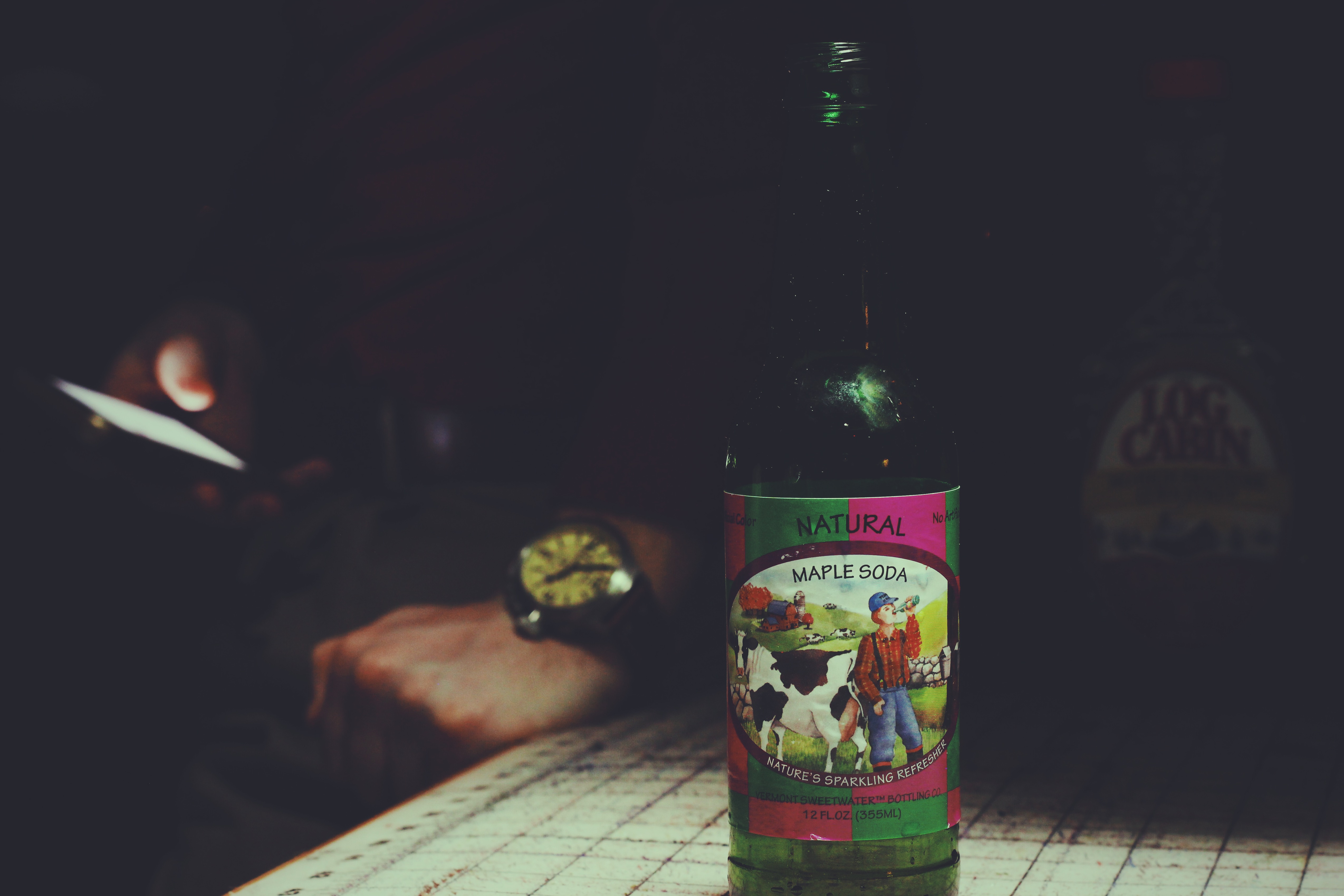
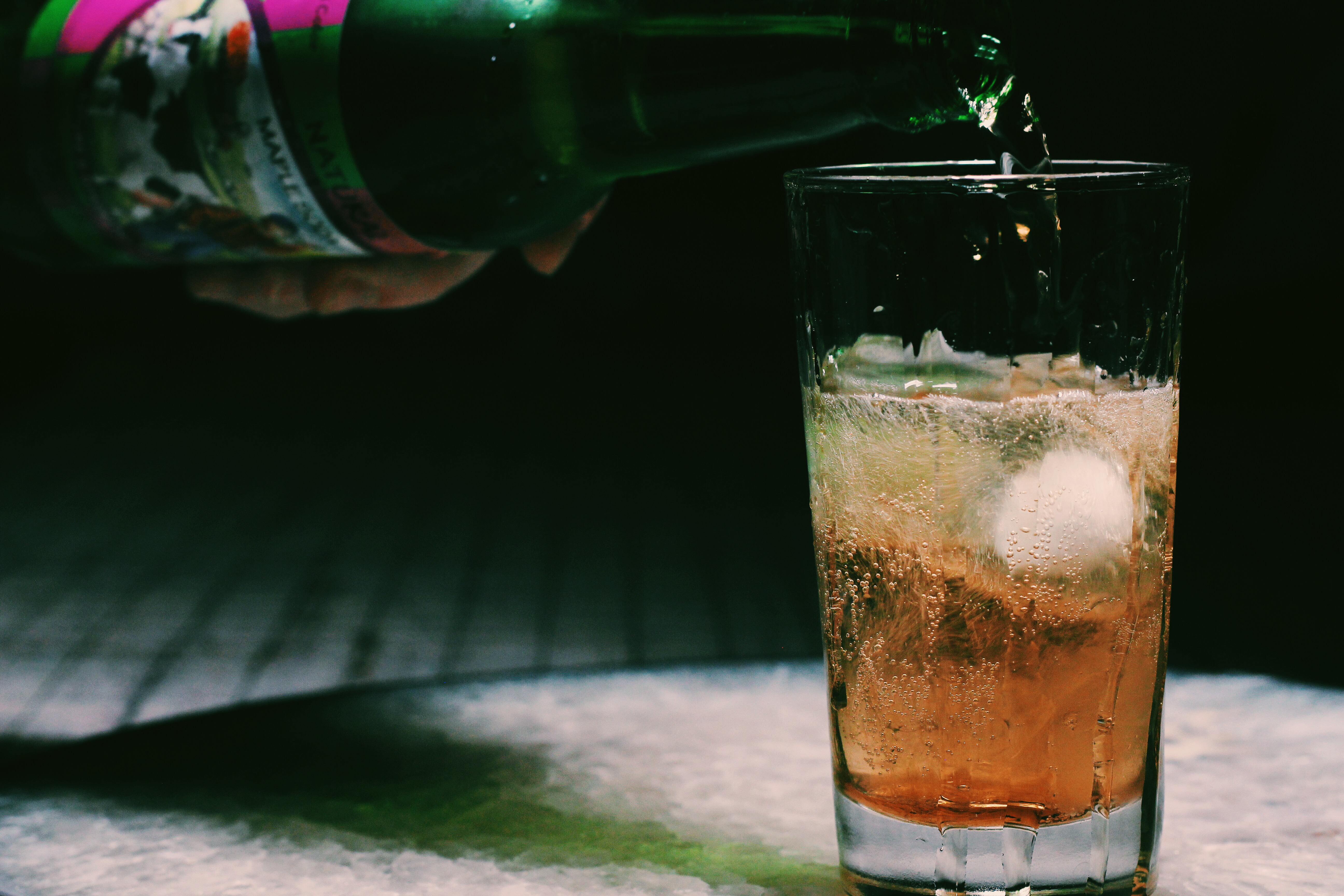
Vermont Sweet Water: Maple Soda

History: When you think of Vermont, let’s be honest, one of the only things that comes to mind is maple syrup. And maybe cold weather. People love maple-flavored things. Donuts, bacon, ham, candy… why not soda? Vermont Sweetwater in Poultney, Vermont (we checked, it’s real) is here to answer your maple needs. These people LOVE maple syrup. Case in point, the company’s signature product, maple seltzer, was born out of an idea brothers Bob and Rich Münch had after literally just drinking sap. But honestly… what else do you do in a town of less than 2,000 people? Eventually, customers wanted a sweeter, bolder version of the maple seltzer. So in 1996, the family created maple soda. Each 12 oz. bottle contains one ounce of pure Vermont maple syrup. Not maple cream or maple root beer, just maple. This baby really relies on the maple syrup to power its flavor because the only other ingredient in it is carbonated water. Out of the nine flavors Vermont Sweetwater produces today, their maple seltzer and soda still power the business.

Where to get: You can oder any of the company’s sodas on its website in either 6-packs or cases of 24. Or if you have some weird aversion to buying outside of bigger retailers, Amazon also has the hook up.

Nose: Odd odor; funk; watered-covered pancakes.

Taste: Bitter; funk; watery syrup. Their are only two ingredients in this soda: carbonated water and maple syrup. The maple flavor comes through at the end, but it’s mostly absorbed by the carbonated water. The result is a watered-down, funky maple taste that is hard to take in. Unpleasant and abrupt. This does not taste like maple syrup. It doesn’t taste like maple cream soda. It doesn’t even taste like artificial maple flavoring. It does, however, taste like maple syrup and water. The flavor permeates the sinuses immediately and rushes to the back of the throat with a carbonated punch. This soda will KO you in the early rounds.

Finish: Harsh, watery maple; shocking.

Rating: We were tremendously excited for this, and it’s with deep regret I must say it was a steep letdown. This is that feeling you had in high school after you worked up all the guts to ask the amazing girl from calculus to prom, only to find out some douche asked her that morning. It was supposed to lead to great things. It could’ve maybe even been the best night of your life. And now you have to ask Betsy, the weird girl who sits behind you and is into anime. That’s how this feels. I don’t know if Vermont Sweetwater is into anime, but this soda is the weird cousin of cream soda that you settled for instead. Its scent is straight funky and its taste doesn’t really improve on the scent. The biggest problem is that the two ingredients put together are a disaster void of decent taste with no sophisticated flavors for the palate. There are no “notes” of flavor. The smell, taste and finish are all almost identically strange and shock the senses. This was borderline undrinkable for us, and it could REALLY use some added sugar. For a company named “Vermont Sweetwater,” the most critical aspect missing from this is sweetness. If you just truly love maple syrup or have a passion for Vermont, then try this. The concept is really noble. The company is commended for sticking to its roots, for being “natural,” but damn, this needs a little sugar to enhance the maple syrup inside. What you get instead is fizzy water-flavored maple syrup. If that sounds up your alley, then maybe you’re the reason BevMo rated this five stars. Clearly, its users didn’t feel the same. If you want to be adventurous, go for it. If you just love guzzling maple syrup… then that’s weird, but go for it. We didn’t finish the bottle. It’s debatable if it was possible.

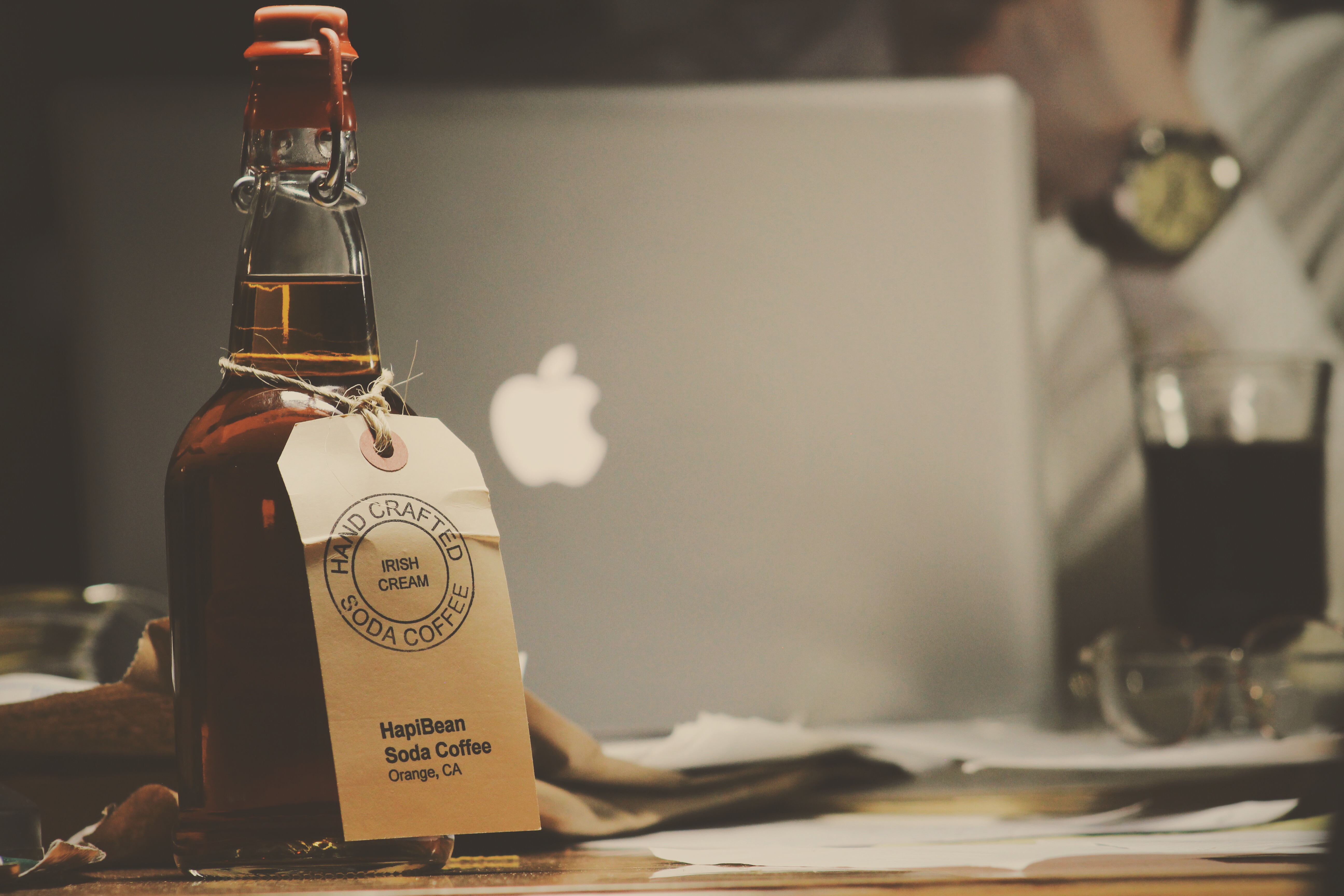
Doggone Good Soda: Irish Cream Coffee

History: In 2008, Bill King and his son opened a sandwich shop in Orange, California. They wanted something unique to pair their grub with, so they decided to sell vintage soda from all over the country. They got such great feedback that in 2012, they decided to start making it themselves. King searched and searched for the right production equipment, but wasn’t getting the results he wanted. So, Bill King built the damn thing himself and eventually got his apparatus approved for use. He literally built a one-of-a-kind soda machine over a year-and-a-half that goes through the entire production process of making and bottling the soda. Eventually, he wants to franchise the concept of this machine out and sell it to other bottlers who can then create their own flavors and sell them in their local area. As for his own soda business, King wanted Doggone Good Soda to be about creativity and having a good time. “You can experiment. It’s a fun business,” he says. The company is known for its wide variety of both classic and artisan-inspired flavors, as well as its unique swing top, wax-coated bottles. King produces over 30 flavors from root beer and vanilla cream to rose dew and red currant soda. They can also do custom labeling for things like weddings, events, gifts, etc. What’s particularly interesting about Doggone Good Soda is that if you’re willing to place a large order of 200-300 bottles, they’ll work with you on creating a flavor. So look alive, soda jerks! Your wildest dreams could become a reality! As King says, “We’re taking soda to a different level.”

Where to get: Doggone Good Soda is sold locally in Orange, California, but King and his son are working on making it available through their Web site for national sales. Until then, King encourages customers who want to try their stuff to call the company directly to place orders over the phone at (714) 865-1848.

Nose: Melted butterscotch chips; fresh sugar cookies.

Taste: This is wild. Tastes absolutely nothing like it smells. You start with a lightly roasted coffee-cream soda flavor that winds and sloooooowly turns into more of a burned caramel taste. As noted on the label, the company uses coffee beans from a local roaster called HapiBean. The coffee really does come through on the tongue. The carbonation is subtle and doesn’t distract from the flavor. The amount of sugar used here is noticeable and does distract from all the subtleties you could probably get in addition to what’s already there. Coffee is such a nuanced flavor and the sugar here masks that a little bit. That said, there’s no syrupy aftertaste and Doggone Good Soda should be commended for making such a complicated soda that isn’t overwhelming. The caffeine on this puppy isn’t a pulse-spiker, but whoa, it comes in quickly.

Finish: Bailey’s irish cream that slowly turns into vanilla-infused, dark-roasted coffee beans. It’s a long finish for a soda. The flavors dance around and change much more like a scotch or fine bourbon than a craft soda. Complicated and distinct.

Rating: Doggone Good Soda’s Irish Coffee Cream Soda is a must-try for the craft soda connoisseur simply because it’s different than anything you’ve ever put in your mouth. Coffee drinkers will likely love this stuff. We did feel that the amount of sugar used in the soda’s syrup hid some of the extra flavor opportunities that may have been possible. Still, there’s so much going on here (in a good way), that we urge you to contact the company and place an order. Also, the bottles are dope and reusable. This is exactly what it says it is: coffee cream soda. What isn’t advertised: it’s a flavor roller coaster.