craft

Timber City Ginger: White Peach Ginger Beer

History: “I’m sick of being in kitchens,” Kyle McKnight told Kara Patt in 2014 inside a Seattle bar. He was explaining his homemade ginger beer recipe to her that he came up with two-and-a-half years prior and hinting that maybe they could do something with it. Back then, McKnight was selling the ginger beer in a restaurant and it was going faster than the food. Patt also came from the food industry. She had 18 years of experience and received a masters from NYU in food studies. She wanted something new as well. She told us over the phone, “I wanted to start my own business and do it in the right way…. This ginger beer tasted like the right ticket.” Shortly after their encounter, they both quit their jobs to devote themselves to Timber City Ginger. The independent bottlers started in Seattle farmer’s markets, growing from two to seven and then to online sales. This is a sassy ginger beer, one with attitude, defiant even. The company proclaims on its website, “This is not a soda – This is a tonic: an elixir.” Hmm. Sometimes I put on a Kobe Bryant jersey, go to the Y, and get hot from the 3-point line. But at the end of the day, I’m still just an un-athletic white dude who writes about soda on the Internet. Point is, we think it’s still safe to call this soda. But we understand why they prefer the term “tonic.” Timber City Ginger produces a ginger beer that is noticeably less sweet, made with local Washington produce and herbs. Sage and thyme are used in every batch, and according to Patt, “The herbs are what really make it stand out.” The ginger itself does not come from Washington, as it’s not grown there. But don’t worry, you’ll get your money’s worth; there’s almost a pound of fresh ginger in every gallon of ginger beer. As you might imagine with a beverage this artisanal, there’s no preservatives or artificial flavors used. The use of local ingredients also leads to lots of seasonal favor variations on their signature ginger beer, including today’s review, white peach. They call the majority of ginger beers on the market today “formulaic” and “sugar saturated.” They’re certainly proud of their more botanical approach. “People will come in a cold rainstorm and buy the ginger beer,” says Patt. That’s a lot confidence to drink in. Let’s see how it tastes.

Where to get: If you aren’t in the Seattle area, you can buy Timber City Ginger Beer in 32 oz. cans, swing top bottles, or in syrup concentrate at the company’s website. Eventually, Patt and McKnight would like to expand Timber City Ginger down the west coast and perhaps open a branch in Colorado, where Patt is from.
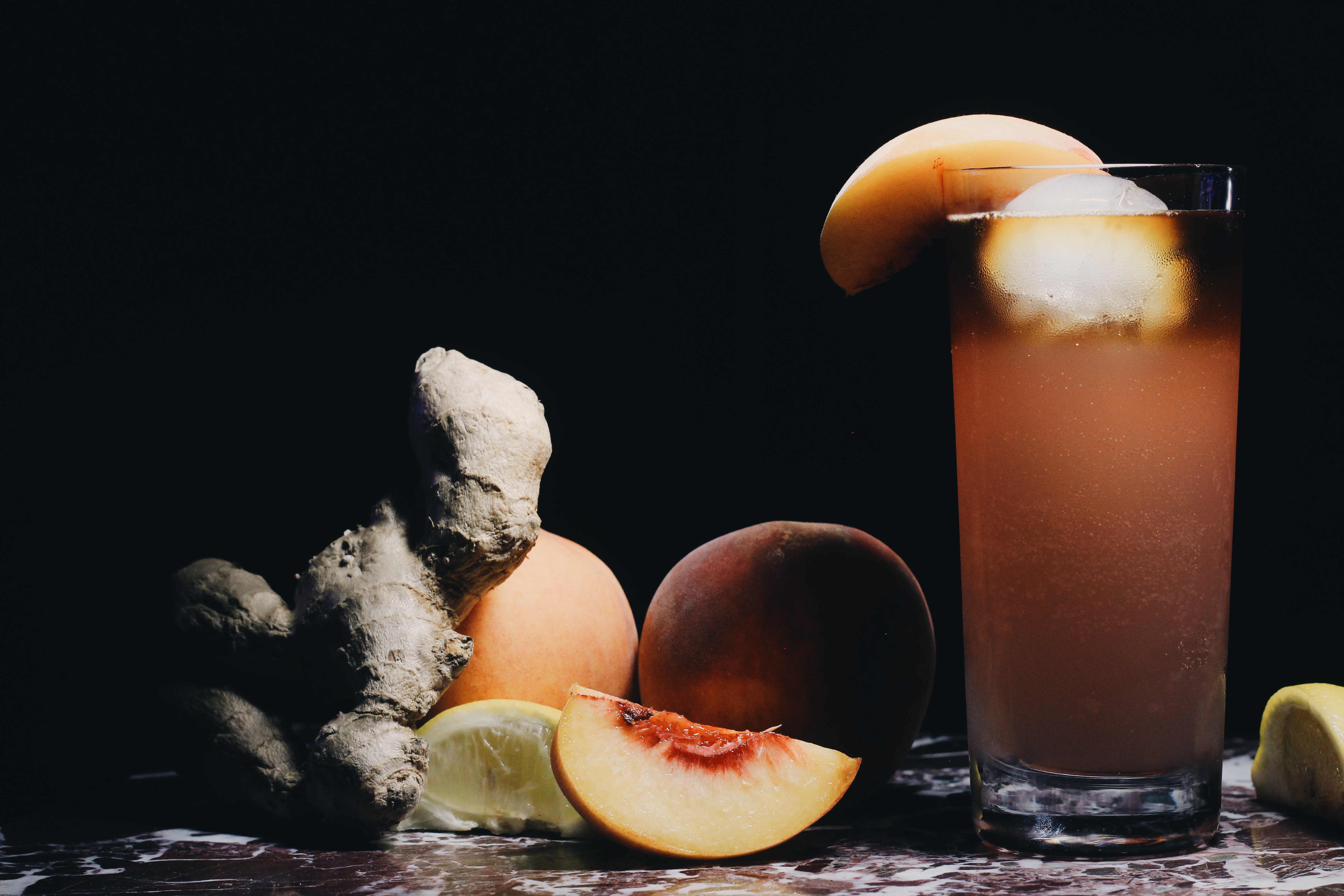
Nose: Lemon; pink lemonade; earthy ginger. This is a beautiful desaturated pink hue and has the matching pink lemonade smell. Olfactory heaven.

Taste: Bitter lemon; crisp ginger; faint peach; mild sugar. This is definitely an earthier ginger beer, tinged with a mild peachy sweetness. Everything here tastes very authentic. You’ll taste the lemon first. Very fresh and definitely bringing a bitterness. The ginger has light savory notes on its own and gives off a little bit of a pickled ginger (the stuff you get with sushi) taste when combined with the peach. That savory aspect tastes familiar. It’s unquestionably sage, an herb Timber City Ginger uses in every batch. The sweetness in this ginger beer really comes from the peach. It elevates the sugar in the flavor profile and gives the ginger beer a signature flavor. It’s not too sweet, but enough to make this easily drinkable without rum or vodka. I’d say a 5/10 on the sugar scale. The peach also imparts a little bit of a floral taste when combined with the botanical ginger flavor. This gets mildly sweeter as you continue to drink it, and the peach flavor really elevates to the top of the flavor profile.

Finish: Bitter lemon notes with peppery ginger that lingers until the next sip. The ginger sticks around long after the peach flavor has faded to remind you just who owns this soda tonic soda.

Rating: Ginger beers are a dime-a-dozen these days, but what separates Timber City Ginger’s concoctions from the rest of the market is the signature freshness they capture in each giant silver can of ginger beer. The ginger tastes like you chopped off a fresh piece and ate it. The peach flavor is real and not from a candy store. Together, the two work well. Now, in addition to being extremely popular, ginger is a flavor that can really vary in character from soda to soda. Timber City Ginger went with an earthier, slightly floral take with mild sweetness. If you’re someone who likes a lot of sweetness in their moscow mule, this probably isn’t the ginger beer for you. Sugar isn’t where this ginger beer shines, but there are some sweeter elements. The peach notes blend with the sugar to create sweet, floral flavors. These contrast with the peppery, savory ginger notes to form a little bit of a pickled ginger taste. This is probably the best flavor in the entire drink. You’ve seen pickled ginger on those sushi dates you overpaid for and didn’t take the girl home on. Personally, I wouldn’t mind seeing the cane sugar upped just a little bit to open up those peach notes more. I also think if the ginger had more heat, both the ginger and peach flavors would stand out more on the palate. Lovers of earthier, more natural sodas will almost certainly enjoy this take on ginger beer. Its versatility allows it to be enjoyed on its own as a sipper or as a great peach-infused dark and stormy. Start with the first, pass out with the latter.

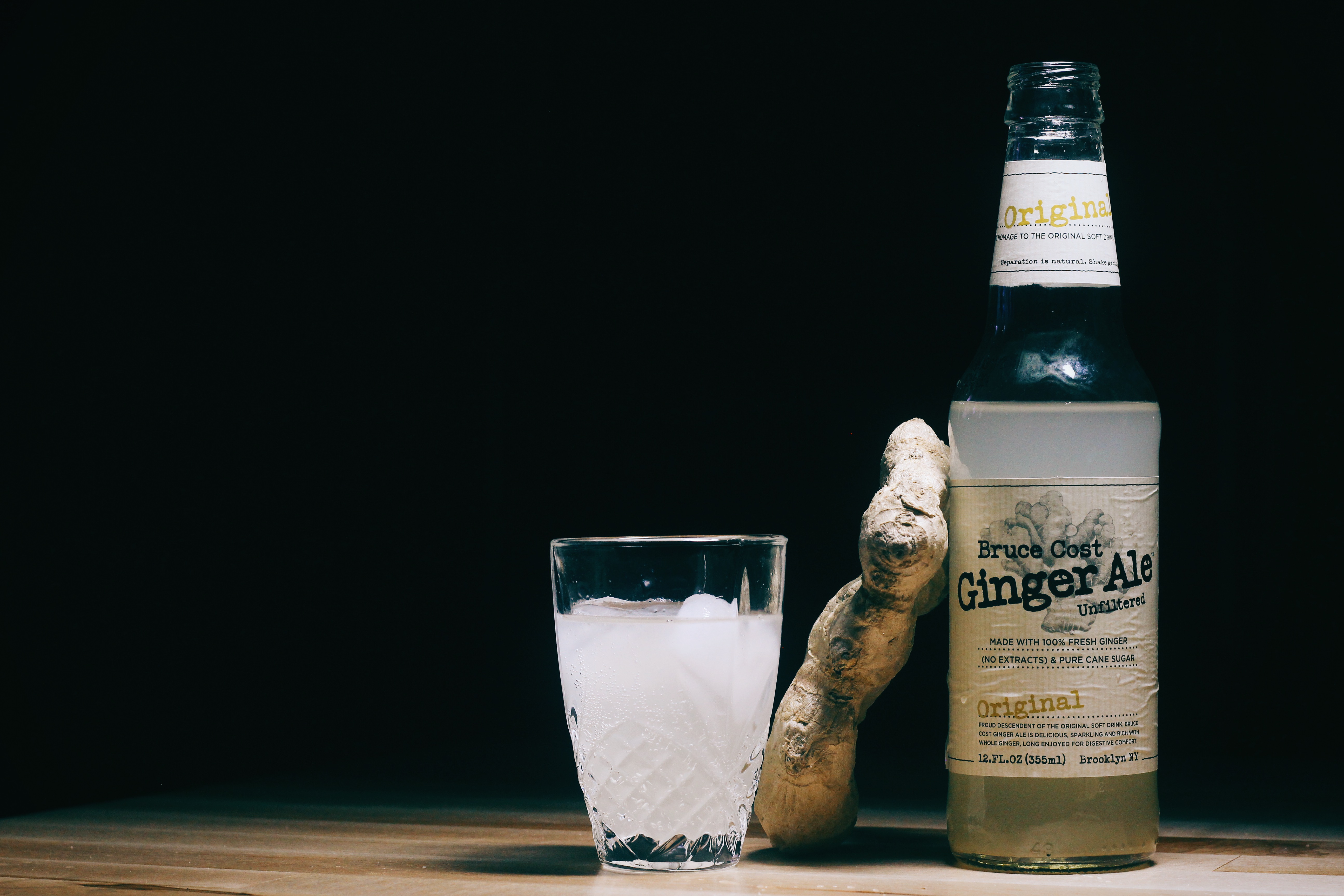
Bruce Cost: Ginger Ale

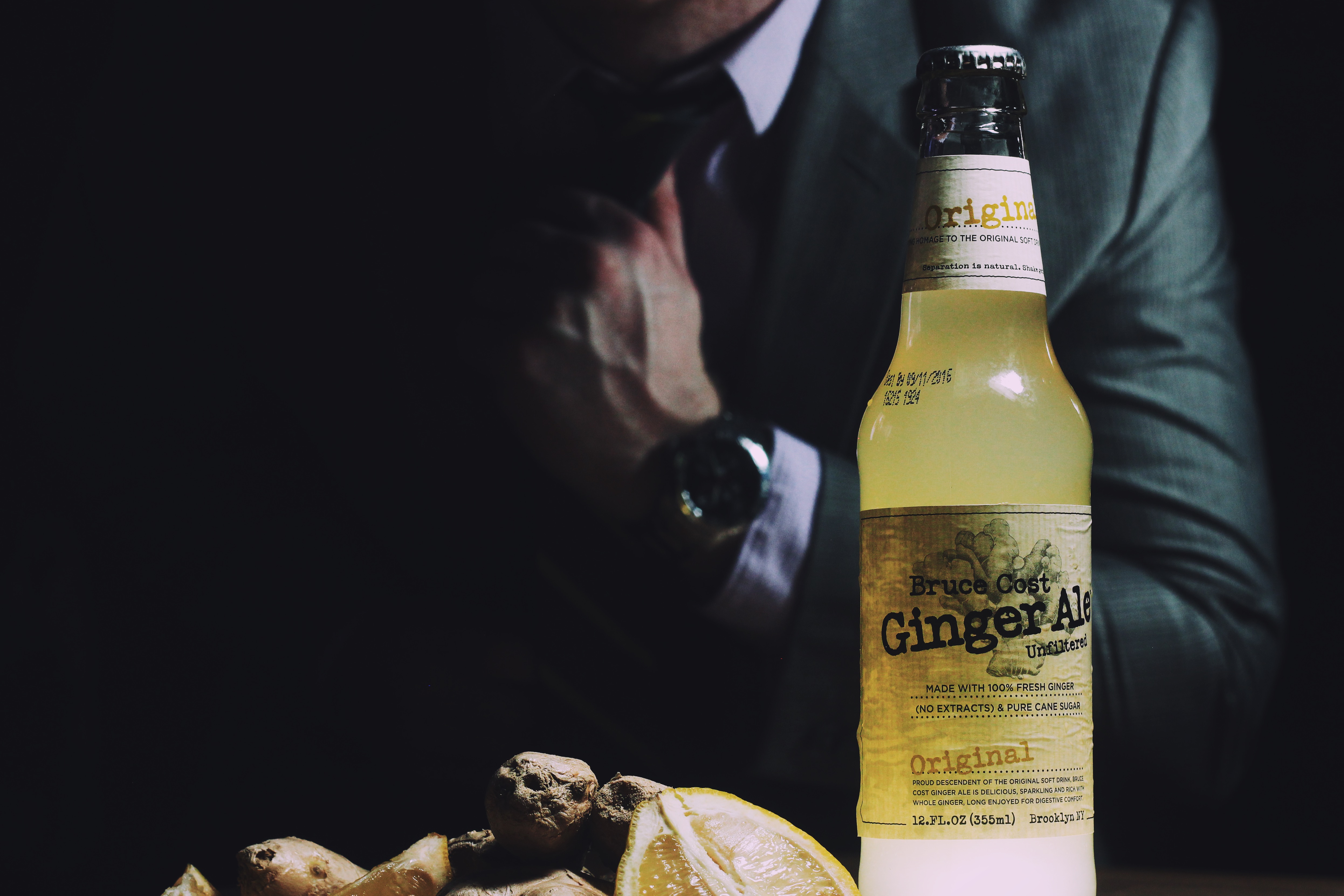
History: Bruce Cost knows about ginger. Dude’s been writing books about it and using it in his Asian-inspired restaurants since 1984. According to Bruce Cost Ginger Ale Marketing Manager, Kevin Li, Cost is also a “2-time James Beard nominee as ‘Best Chef in California.'” As of this sentence, I’m a two-time Bruce Cost Ginger Ale and rum consumer. I wonder if I can make it to four by the end of this review. If I do, I wonder if I’ll even make it to the end. It’s good timing for Cost, considering in mid-2015, we’re in the midst of a ginger boom in craft soda. But, as Li tells us, Cost started making his “chef-driven” unfiltered ginger ale back in 2010 in Brooklyn, New York, introducing it in three flavors: original, jasmine tea, and pomegranate. You can literally see pieces of ginger floating in the bottle, hence the “unfiltered” label. The chef went through 14 different restaurants before putting all of his eggs in the craft soda basket. “The idea was to produce a kind of soda that was more akin to a microbrew beer, full bodied with the mouth feel of beer or wine rather than the sparkly flavored, sugar water that is familiar to most people,” says Li. But don’t think this soda has no sugar. He adds the company strives for a flavor that is “somewhat sweet and lightly carbonated.” There’s a reason we’re reviewing the original. Look around on the Internet. You’ll notice that Bruce Cost Ginger Ale has quite the reputation. Li notes the company sources its fresh ginger from Shangdong, China and does not use any ginger extracts or flavorings in its soda. Each bottle contains a whopping 40 grams of ginger. Though not fermented, Bruce Cost ginger ale’s unfiltered look, slightly foamy head, and use of only fresh ginger make it a close cousin to ginger beer. Like Arkansas-cousin close. Sorry, Arkansas readers. In fact, Li surprises us with a scoop, telling us the company is entering the other side of ginger soda market this fall and will introduce an 8.4 oz can of ginger beer. Until then, we pull back the curtain on Bruce Cost’s original ginger ale and see if the critical claim has merit.

Where to get: Bruce Cost Ginger Ales are sold in physical retailers mostly in New York and California. You can also find it at The Fresh Market stores nationwide and Whole Foods in five regions. Check out Bruce Cost’s online store locator to find out where the nearest retailer is to you. For the rest of us eating pizza in our Snuggies, there’s always the Internet. Amazon, BevMo, Harney and Sons Teas… just take your pick.

Nose: Musky, kind of has an agave syrup smell to it. Definitely not spicy ginger like you might be expecting from a soda with actual pieces of ginger floating in the bottle.

Taste: Cane sugar; candied ginger; light spiciness. An easy-drinking ginger ale that surprisingly leans on the sweeter side of things. This is an unfiltered ginger ale, and while this is obvious when looking at the pieces of ginger in the bottle, it seems to have an effect on the sugar as well. The sugar, in turn, really impacts the flavor profile. The signature flavor in this is more of a candied ginger than one that’s raw and full of fire. There is a little bit of spice to the ginger on the backend every now and then, but not enough to make those hesitant of spicy flavors bat an eye. You’ll taste more sweet than spicy with just enough of the latter to provide balance. The carbonation is very light and the ginger intensifies throughout the drink. Definitely does not have the same bite and tartness you’ll find in a ginger beer, but also isn’t as dry as most ginger ales. Lots of sweet ginger flavor.

Finish: Sweet ginger with a tinge of pepper. Almost a little bit of a mild herbal effect if you take enough time in between sips.

Rating: Generally ginger ales are full of carbonation and fairly light on flavor. Bruce Cost flips the script with its Ginger Ale by filling each bottle with unfiltered pieces of ginger root packed with big, sweet flavor and hardly any bubbles. The ginger flavor tastes more candy than spicy, but it permeates every sip from beginning to end, increasing in strength as you continue to drink it. Probably one of the sweeter ginger ales you’ll try and not quite as dry as some others. This makes it a great candidate for cocktails. I understand a lot of you will leave at this point to go make a drink. I get it. For those of you who stuck around, the password is wast3ofAsentenze. Bruce Cost certainly tastes like a gourmet ginger ale, but it is a little on the sweet side, coming in at 37 grams per bottle. I’d probably chop that number down to around 30. But this has a nice ginger flavor and is versatile enough to be enjoyed on its own or in your favorite Friday night concoction. One of the better ginger ales on the craft soda market. It certainly seems to be a fan favorite.

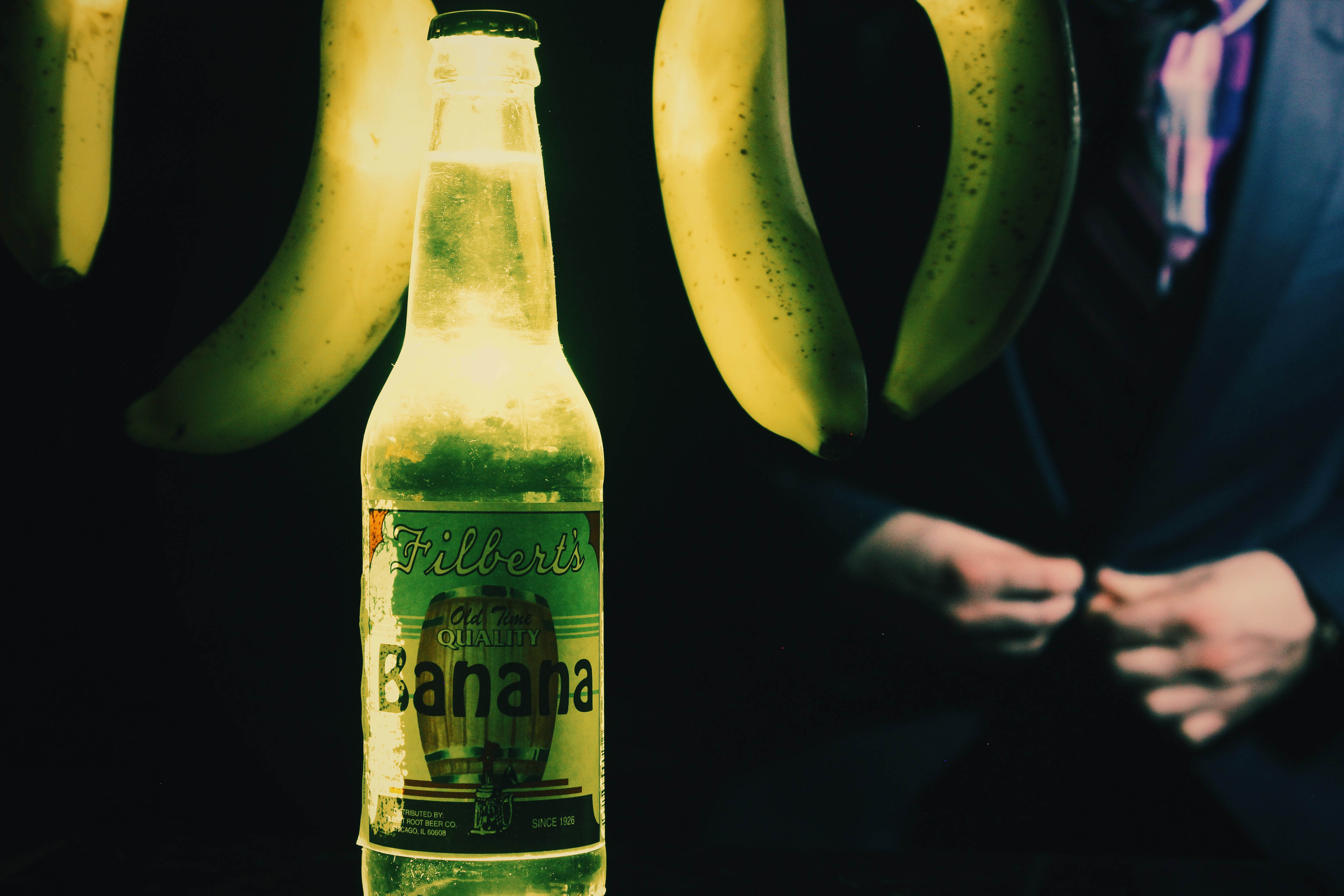
Filbert’s: Banana

History: Over the phone, Ron Filbert’s voice is old-school Bridgeport, Chicago. Somewhere between grunge-fueled Mike Ditka and classic nasally Brooklyn, his voice conveys a sense of seriousness. You can almost feel the tradition through the phone. Filbert bares the company’s name because he’s a third generation soda jerk and has been in the business since he was 12. He still brews the soda in the same Bridgeport community where his grandpa founded the company in 1926. He says, “Back in the day, root beer was the number one soft drink in the country.” Considering this was in the era of prohibition, he’s probably not joking. If people couldn’t drink beer, at least they could guzzle something still with the word in its title. Root beer continues to be Filbert’s most popular flavor out of around 30 different options. A couple others high up on the list are a little more unique: watermelon and banana. He adds that ginger beer is also rising in sales. Filbert’s falls into an interesting category in craft soda. Filbert tells us “We make our flavors in small batches,” but also notes a majority of the company’s flavors are made with high fructose corn syrup as opposed to pure cane sugar, though several do use the latter. Banana, our review today, is made with high fructose corn syrup. We’d consider Filbert’s a craft soda company because every batch is made by hand in small quantities, and also because there’s a rich tradition there. Filbert, a man of few words, made the objective when making the banana soda pretty clear. “You want it to taste like a banana. You want it to look like a banana.” Alright, then. That’s super clear-ish. What we can tell you definitely is that banana is a flavor most companies shy away from because it’s a fruit that is hard to capture accurately in liquid form. Filbert’s took a chance, so maybe you should take a chance on them.

Where to get: Being a Chicago-based company, Filbert’s is heavily distributed throughout the midwest. It’s also growing out on the west coast, but still working its way east. Luckily, you’re online purchasing options are numerous. If you’re a retailer hoping to sell soda in your store or someone looking to make a larger order, you can hit up Homer Soda. Everyday folks can go to Summit City Soda and Soda Emporium to get your fix.

Nose: Banana popsicles; faint smell of Banana Laffy Taffy. A very candy banana smell.

Taste: Tart; banana taffy; heavy carbonation. This is surprisingly tart for a banana soda. When we think banana, I think we often imagine a creamy flavor, but this is slightly acidic and mild. The banana flavor is definitely a candy banana taste more akin to a taffy than say a popsicle. The carbonation, despite the bubbles being small, is heavy throughout each sip. Fairly syrupy, probably due to the high fructose corn syrup. The banana flavor isn’t overly harsh or bold. It’s actually pretty light. But I think what you take away from the soda’s flavor most is that syrupy taste full of carbonation.

Finish: Tart banana that lingers only for a few seconds. No different from the body of the soda.

Rating: Filbert’s Banana Soda is fairly straight forward in terms of flavor, but it does what a majority of banana sodas do not: it doesn’t suck. The banana flavor is more of a candied taste, but it’s pretty light. Most banana sodas are overly harsh, so this is a welcome change. The carbonation is thick, encasing the soda’s taste. But it just feels like something is missing here, and I can pinpoint a couple ideas for improvement. First, there’s a syrupy taste to this. Undoubtedly, it’s because Filbert’s uses high fructose corn syrup in their banana soda as opposed to cane sugar. It just feels a little heavy and not as crisp as it could. I think cane sugar would make the soda’s mouth feel a little lighter and more refreshing. Second, the banana flavor is almost too mild. I’d either up the amount of banana flavor in the recipe or cut back on how intense the carbonation is in the soda. Less bubbles might unleash a more aromatic and robust banana taste. It sounds like we’re picking on this soda. We’re not. Banana is such a wonderful flavor, one of nostalgia. As kids we all enjoyed it in some fashion. Today, it hits its mark in candy, pastries, and cocktails. Soda is still searching for its banana unicorn. Until then, Filbert’s does a serviceable job filling the void.

P.S. We now reserve the right to start a nightclub called “Banana Unicorn” in the future. Dibs.

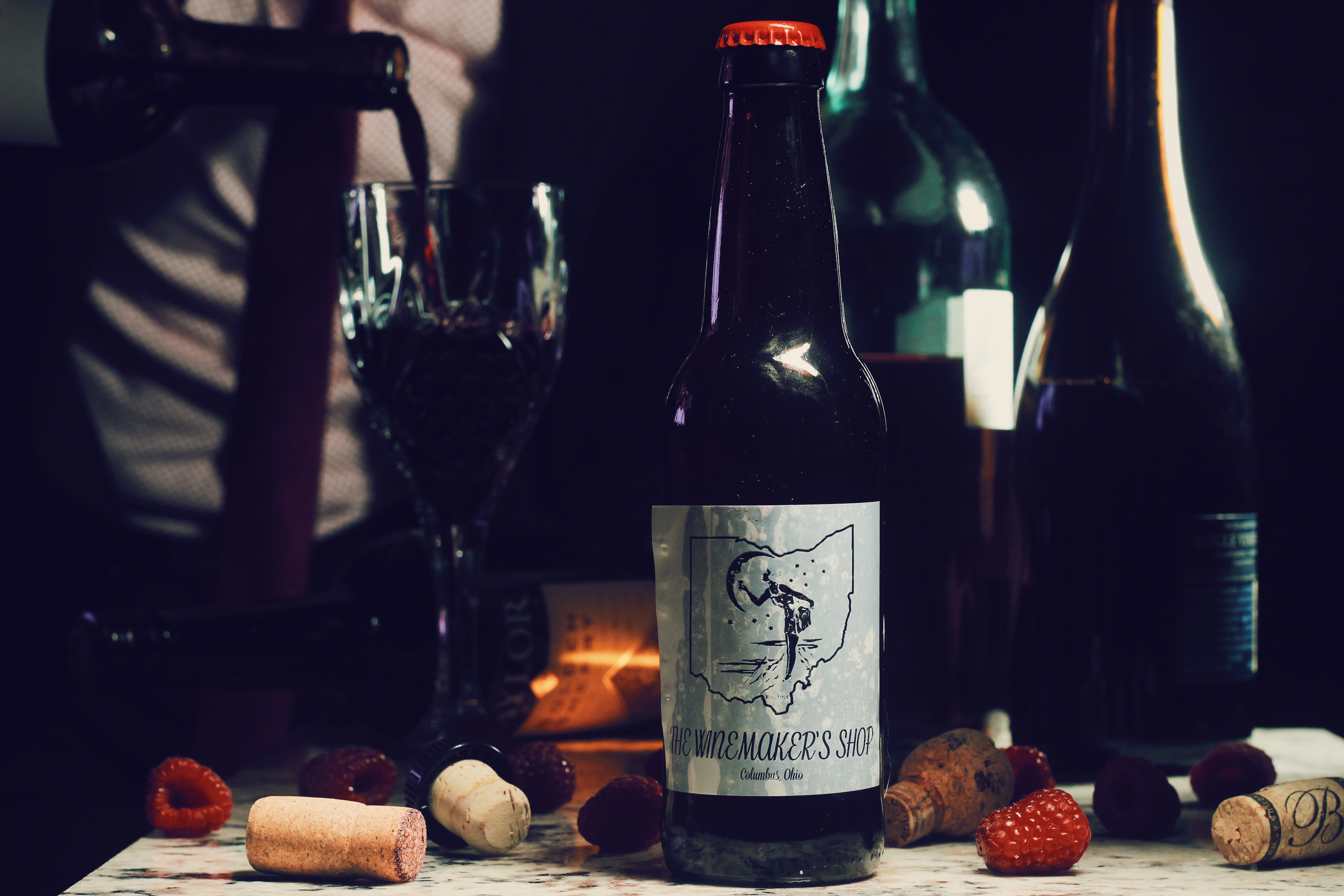
The Winemaker’s Shop: Raspberry Dragonfruit Shiraz

History: There are always whispers in the craft soda community about how closely related gourmet sodas are to the artisan side of the alcohol industry. Both place an emphasis on quality. Both are held in the highest regard of their respective beverage categories. And both share an audience. The Winemaker’s Shop in Columbus, Ohio recognized this and decided to blur the line for drinkers even more by introducing something enticingly original: wine soda. The Winemaker’s Shop, perhaps unsurprisingly, sells wine and beer kits for home brewers. But here is a surprise: the shop doesn’t sell wine or beer. They can’t. In talking to manager Ivan Francis, we learned an interesting tidbit. The Winemaker’s Shop is located in a “dry zone,” preventing the sale of alcohol. The business was founded in 1974 by Ivan’s father and prolific brewer (seriously, he has a degree in it from the Siebel Institute), Scott Francis. His son notes the entire business has “been very interwoven with the brewing development.” Funny, how a business called “Winemaker’s Shop” started with beer. A lot of great things start with beer, to be fair. So do a lot of bad ones, like my first marriage. But the fact remains that the business can’t sell alcohol. This aided the creation of their soda. But there was one more factor that tipped the scales. According to Francis, every summer there is a farmer’s market that sets up shop right outside the business. He recounts how the market would take away both sales and parking from The Winemaker’s Shop. Scott Francis’s wife and co-owner, Nina Hawranick, thought “On a hot day, what’s better than a nice, cool soda over ice?” So last summer, they started producing their wine-flavored sodas and selling them at that same farmer’s market.

It’s pretty easy once you have it explained to you why the soda tastes like wine… because it almost is. Francis tells us they simply take the fruity summer wine grape juice kits, force carbonate the liquid, and add some sugar. Voila. Wine soda. So they’re literally making the soda from the same elements from which you could make wine. You’d just need to add water and yeast instead. Theoretically, you could buy one of their kits and also make the soda yourself if you got the proportions right and had the tools to carbonate it. “You don’t find wine soda in stores,” says Francis. No you don’t, Ivan. The only wine soda I’ve ever had previously was when I poured Zinfandel in my Sprite. But in fairness to me, I was already pretty drunk. Francis notes they usually have around 12 flavors of wine soda at a given time with Green Apple Riesling and Black Raspberry Merlot being the most popular. We went with the up-and-comer, Raspberry Dragon Fruit Shiraz, mostly because you just don’t find Dragon Fruit in soda. It was designed with the idea of the bitterness in the raspberry interacting with the sweetness of the dragon fruit. Francis drops the best quote of our interview right before we hang up, saying Winemaker’s Shop wine soda “gives people a break from alcohol and allows them to drink early in the morning.” Amen.

Where to get: The Winemaker’s Shop sodas are sold at the company’s store in Columbus, Ohio, as well as several other outlets in the area. Unless you’re close to Columbus, this is one craft soda you’ll have to pick up on a road trip.

Nose: Black raspberry; Berry Juicy Juice. Very fruity, lots of berry scents going on.

Taste: Raspberry; berry wine spritzer. This confuses your taste buds because you expect a raspberry soda flavor, but instead get more of a berry wine spritzer/sweet champagne taste. There’s definitely a fermented alcohol-like flavor to this, akin to wine. The dragon fruit isn’t really apparent in the flavor profile, but then again, dragonf ruit doesn’t have a lot of flavor with which to begin. The raspberry presents itself in more of a generic berry form and has lots of fruity berry notes. Imagine a white wine sangria with blueberry, blackberry, and raspberry flavors; that’s the best description I can give you of this soda’s flavor.

Finish: Fine carbonation with the same berry flavor from the soda’s body that tails off. Not a lot that’s different on the finish.

Rating: This is really impressive and interesting, both in concept and flavor. A wine-flavored soda? Who does that? What really stands out though, is that this actually tastes like a berry-flavored wine. I’m not entirely convinced this doesn’t have alcohol in it. That’s how much like wine it tastes. The berry taste is apparent throughout the beginning, middle, and end of each sip. “Raspberry dragon fruit” is the flavor on the label, but we taste a cornucopia of berries in this. I liken it to a white wine sangria allowed to soak in the flavors from blueberries, blackberries, and raspberries. What you’re likely tasting here is the influence that Shiraz wine grape juice has on the raspberry. I mean, I can’t get drunk off this right? This is blowing my mind. What I’d tweak about this soda is the raspberry. I’d like to taste that sweet, fruity raspberry flavor with its mellow acidity as opposed to a generic berry flavor. Upping the raspberries in the recipe probably wouldn’t hurt. The fact that it tastes like wine might also be a turn off to soda drinkers. But if you’re drinking wine soda and you don’t like wine, you were probably held back a grade at some point. The Winemaker’s Shop has created one of the most unique takes on soda being bottled today. It closes the gap between the beer and wine market and the craft soda community for a beverage with mass appeal. It accomplishes what it sets out to do: it tastes like fruity wine. It’s almost uncanny. I don’t grasp the science behind it, but I don’t have to and neither do you. This is one you have to experience to understand.

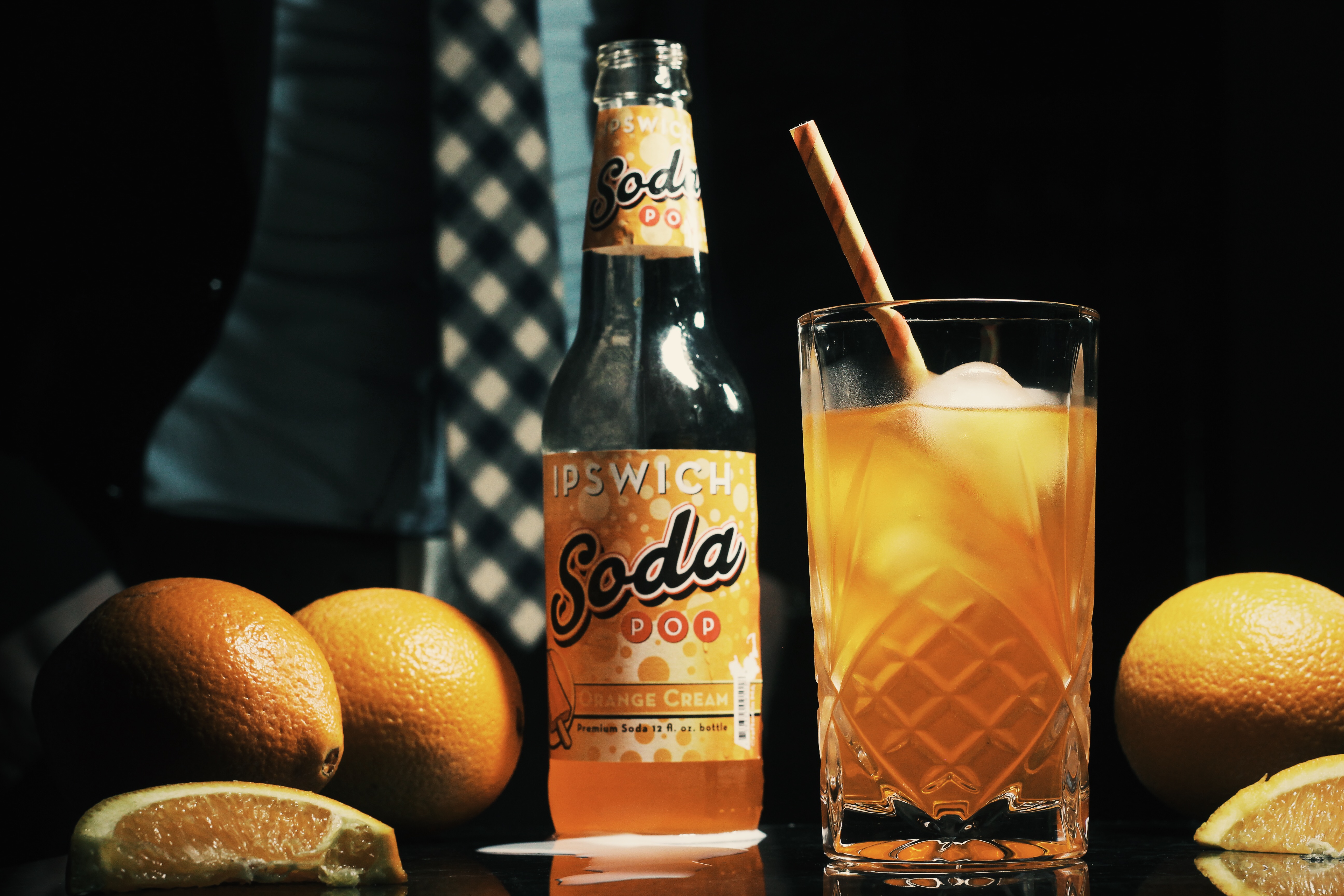
Ipswich Ale Brewery: Orange Cream

History: Along the northern shore of Massachusetts where the cold, salty waves crash against the sand of Crane Beach, sits the small city of Ipswich. It was 1991 when locals Paul Silva and Jim Bovae were tired of drinking same old beer in the same old places. So they started their own spot to make beer their way. This was the founding of Ipswich Ale Brewery. “We were one of the first local breweries on the North Shore,” says Ipswich Ale Brewery Marketing and Event Manager, Mary Gormley. As one might expect with a brewery, Ipswich coasted on their beer sales for a long time. It wasn’t until current Ipswich Ale Brewery President Rob Martin took over that a few changes started to take place. Gormley tells us Martin has been with the brewery since its inception doing everything from brewing the beer to driving the delivery truck. His most important change in our eyes? Free beer Friday. I wish I wasn’t kidding, but I am; no, it was soda. He wanted something for the kids to drink. Gormley recalls how serious he was about this when testing the initial soda recipes. “I don’t think he even let an adult try it,” she said. Martin first introduced soda in 2000 under the name “Mercury Soda Pop” because Mercury Brewing Company is the parent company of Ipswich Ale Brewing. It was only recently that the soda was renamed “Ipswich Soda Pop.” Makes more sense, right? I’d like to market myself as Brad Pitt, but in reality I’m a dude who just ate mac and cheese over his sink like a rat. I embrace it. Anyway, I’m single. As for the soda, Ipswich has up to as many as ten flavors at a given time, with plans for more. Gormley says the brewery will soon be opening its own restaurant and will be featuring exclusive in-house soda flavors that, if they test well, could be bottled in the future. All Ipswich Soda is caffeine-free, gluten-free, and made with pure cane sugar. Root beer and orange cream are the top-sellers, according to Gormley. If you’re in the Ipswich area, stop in for a popular West Coast IPA and order up one of those in-house sodas for us. In the meantime, we’ll try this one for you.

Where to get: Unfortunately for the masses, the appeal of some of these little soda bottles is… you gotta be there to try it, man. Ipswich Ale Brewery is located at 2 Brewery Place, Ipswich, MA 01938. North Shore, Massachusetts: you’re in luck. The rest of us: time to plan a road trip. But hey, you can always beg the brewery (we did).

Nose: Orange Creamsicle; Lifesaver Orange Swirl Pops (R.I.P.). Lots of creamy orange vanilla smells. What you want going on in your nose with an orange cream soda.

Taste: Orange soda; vanilla; creaminess; tartness. At the beginning of each sip, this soda is distinctly orange in flavor, more of a standard orange soda than orange cream. Then there’s a fast rush of sugar with light carbonation and the soda’s flavor transforms into what’s on the label. You taste sweet orange creamsicle rich in vanilla and orange rind flavors. You also get a little bit of lingering acidity and tartness for balance. The orange flavor is bold near the end of each sip just before the finish. It’s like a rollercoaster of orange, then creamy vanilla-orange, and back to classic orange again. The classic orange flavor in this is more potent than most orange creams.

Finish: Intense creamy vanilla encased in a thin coating of orange. Exquisite. Best part of the soda.

Rating: What works about Ipswich Orange Cream Soda is that it has both creamy vanilla and bold orange flavors in it. There’s even a little bit of tartness that you expect with standard orange soda, but not often present in orange cream sodas. It works really well in tandem with the signature orange creamsicle taste to provide balance in the flavor profile. The orange flavor in this is executed to near perfection, while the creamy vanilla really shines on the finish. The only drawback we can find with this soda is the tartness on the backend of each sip. It lingers just a touch too long and, at times, comes off a little bitter. But this is a minor gripe for an excellent orange cream soda that should you should put on your radar. On the soda side of things, Ipswich Ale Brewing is known for their orange cream and it shows. Its flavors are luscious and robust and it’s mouth feel is pleasing. I wish the same could’ve been said for my Friday night. Tinder really fed me a monster this weekend. Do yourself a favor and find a way to get a hold of this somehow. That big orange flavor is a component more orange creams would be well-served to try and one Ipswich has already bottled and readied for your mouth.

Roman’s Italian Soda: Sour Apple

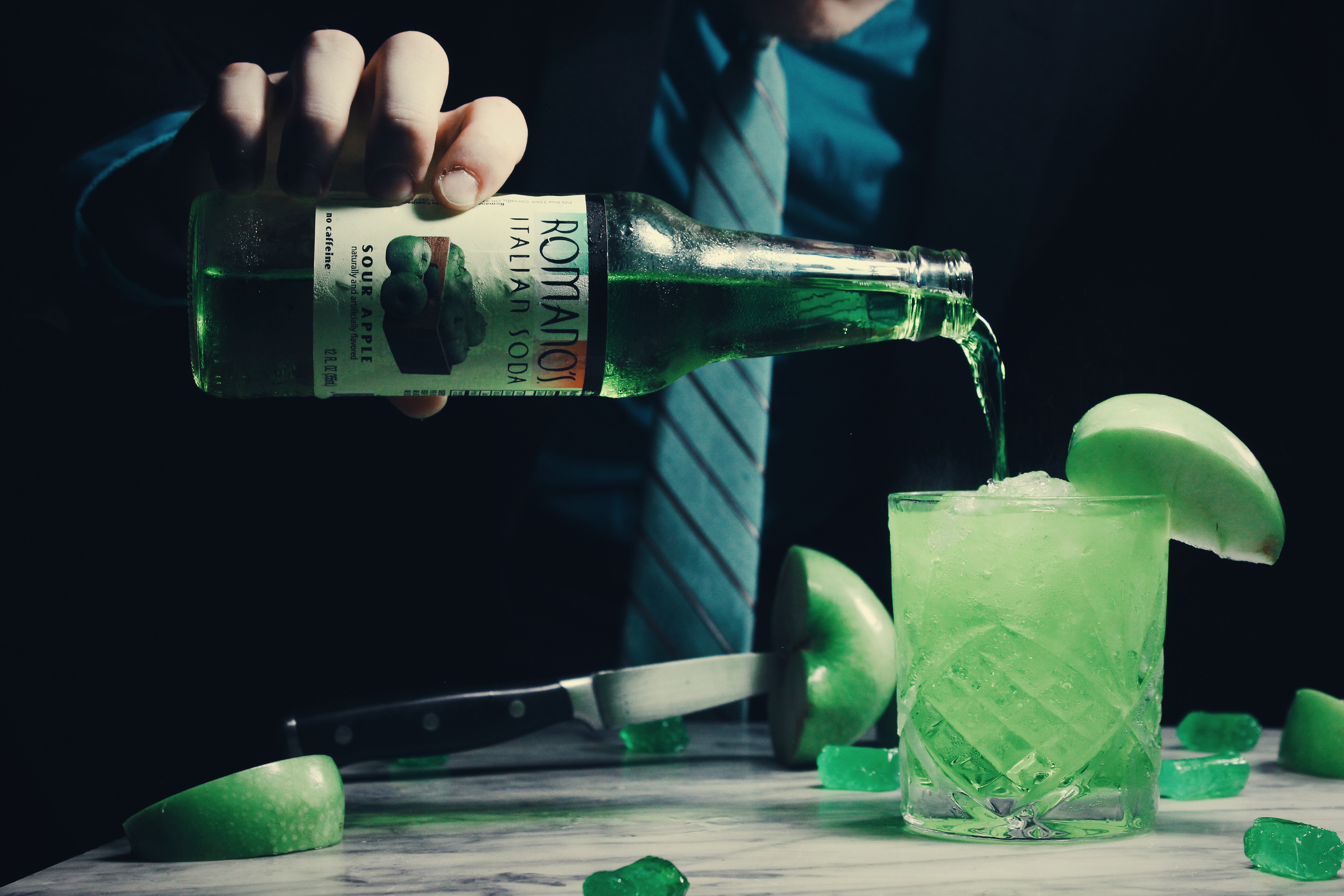
History: “It tastes good and it smells good.” Not a bad start if the words of Romano’s Italian Soda founder, Ken Pastega, are true. Pastega grew up in the soda business. He says his family worked for PepsiCo. for 65 years, owning as many as four franchises at a given time. A one-time marketing executive for the soda giant, Pastega was constantly exposed to new trends and flavors, and it was that sense for innovation that came in handy one day when visiting a coffee shop. He noticed the barista pouring hand-made Italian sodas for the shop’s customers and loved that each soda was slightly different. Well, Pastega is of Italian heritage himself. But you knew that, right? I mean, his last name is almost Pasta. He also already had all that Pepsi bottling equipment at his Medford, Oregon plant. So in 2005 in Corvallis, Oregon, he founded Romano’s Italian Soda, naming it after his Italian grandfather. When asked what makes it Italian soda, he quips, “’cause I’m Italian!” He also credits Jones Soda for being another inspiration for entering the craft soda game. All Romano’s Italian Sodas are made with pure cane sugar and no caffeine. Pastega recounts the company being ahead of the curve on the pure cane sugar soda boom, making the switch from corn syrup to real sugar in 2007. He adds, “I always liked Pepsi better with cane sugar than corn sugar.” The family sold its four Pepsi franchises in 2011. Romano’s started out in fountains at local 711 gas stations then gradually moved to plastic bottles and then glass. Today, the company makes six flavors. Pastega tells us that Sour Apple, our review here, is actually fairly low on the totem pole in terms of sales at fifth overall. But sometimes you just gotta give the lesser flavors some love. This same logic also applies to dating, ladies. And lucky for all beautiful women out there… I’m single AND I write really good reviews of soda on the Internet. Note: need to work on sales pitch. Speaking of sales pitches, Pastega made sure to let us know he wanted his sour apple soda to actually taste a little sour. A novel concept, I know, but one this flavor often misses in the craft soda market. Use Green Apple Jolly Ranchers as a comparison. Pastega says, “We tried to duplicate the feel of the candy in the person’s mouth, the smell of the candy, and the flavor of the candy.” And I think you’d be letting Pastega down if you didn’t try his soda on ice cream. Near the end of our interview, he did a solid five minutes on that topic alone. We’ll do you one better and put in more than five in on this tasting.

Where to get: Romano’s Italian Soda is mostly sold in the Northwest Oregon region. It’s sold nationally through Harry and David stores. You can also purchase it online via Summit City Soda.

Nose: Definitely smells exactly like the label says: sour apple. If you’ve ever tried sour apple Dum Dums, smells very similar to that.

Taste: Sour green apple; green apple Jolly Ranchers; lots of little carbonation. This tastes like sour green apple candy in liquid form. There’s a great balance of sweetness and tartness in the apple. It’s very similar to the flavor of Jolly Rancher Green Apple hard candy. The carbonation is light and frothy, but there’s a lot of it at the beginning of each sip that gives way to a flavorful sour apple taste on the palate. I have to say the apple flavor really captures the essence of Granny Smith Apples. Impressive.

Finish: Slightly acidic and tart green apple. The sour notes definitely show themselves more at the end of each drink.

Rating: Romano’s Italian Soda really captures what you’ll be expecting in a sour apple soda. It’s apple up front with a tart, sour candy bite at the end. The green apple flavor is crisp and refreshing, aided by the soda’s carbonation. The bubbles are light and frothy, and once they subside you get blasted with flavorful sour green apple. For a soda with such a high sugar level (45 grams), the tartness and authentic apple flavor help to keep the sweetness in balance. The tart green apple notes evoke memories of Green Apple Jolly Ranchers. It also tastes kind of like a non-alcoholic version of Smirnoff Ice Green Apple… not that this adult man… knows what those taste like. This really works on all levels. The only drawback we can think of is that it might be a little too tart for some drinkers. I’d curtail the acidity on the finish just slightly. But this shouldn’t be an issue for most drinkers. The soda’s bright green color just adds to the appeal. The flavor is robust, but probably isn’t something I’d recommend drinking fast. Savor and enjoy the experience. Romano’s Italian Soda is still a growing brand, but one that pleasantly surprises the taste buds with this flavor. You’d be silly not to try this sweet and sour soda. Pucker up.

Dublin Bottling Works: Cherry Limeade

History: Dublin Bottling Works has been producing quality soda for over 120 years, a company with a rich history and a connection to one particular soda that everyone knows. It was that same soda that almost killed it. Dublin Bottling Works was founded in 1891 by Sam Houston Prim in, of course, Dublin, Texas. It was that same year the company began bottling a brand new soda with a unique taste: Dr. Pepper. This is where the term “Dublin Dr. Pepper” comes from, Dr. Pepper with pure cane sugar instead of corn syrup. It may have been Prim who founded the bottling plant, but it was 62-year employee Bill Kloster who really defined the company as its general manager. Dublin Head Soda Jerk, Kenny Horton, recalls when the price of granulated pure cane sugar skyrocketed in the 1970’s, it was Kloster who refused to let his company switch to high fructose corn syrup, despite the potential for much higher profits. Things were going well for Dublin Bottling Works. Their success carried them into the early 2010’s. They were the Little Red Riding Hood of Dublin, Texas. But the Big Bad Wolf came calling, and in this story, the wolf got what it wanted. Dr. Pepper/Snapple is the nation’s third-largest soda creator. They tried their hand at a cane sugar version of their soda called “Heritage Dr. Pepper.” It didn’t resonate with people like Dublin Dr. Pepper. In June 2011, the beverage giant sued Dublin Bottling Works. According to Horton, they claimed Dublin Bottling Works was “diluting the brand” with Dublin Dr. Pepper. On January 11, 2012, Dublin Dr. Pepper came to an end. Horton recalls 15 employees being laid off. By now Kloster’s son, also named Bill Kloster, was the company’s owner. He remains so to this day. Horton notes, “He could’ve easily closed the doors and it would’ve been cheaper…. But he wanted to maintain the legacy his father started.” So Dublin Bottling Works went back to the drawing board.

After about four months of research and development, Dublin Bottling Works reemerged with a new line of pure cane sugar sodas. Today the company has 12 different flavors, including classics like root beer and cream soda and mysteries like Fru Fru Berry. Horton says root beer and black cherry are the two top-sellers. But we wanted to review something a little more daring, something off the beaten path. Enter Dublin Cherry Limeade. Horton tells me over the phone that the Dublin soda jerks used to make cherry limeades with real cherries and limes at the company’s old soda fountain in the 1930’s. The company wanted to replicate that flavor as much as possible in bottled form. This soda is wildly red. Like, I drank an entire bottle and I’m pretty sure my stomach glows in the dark now. But that’s fine. They wanted to make the flavor smooth, Horton notes. “We definitely wanted the lemon-lime, but not an overpowering lemon-lime.” Fun fact: Cherry Limeade is the most popular Dublin flavor at Cost Plus World Market. Alright, that’s enough information. Let’s drink.

Where to get: Dublin Bottling Works soda is sold throughout Texas, including HEB, United, and Kroger stores in addition to Cost Plus World Market. You can find it online for purchase from the Dublin store (24) or Soda Emporium (6) or (singles).

Nose: Lime; cherry limeade; cherry grenadine.

Taste: Sweet cherry; tart cherry; mild lime. This is a soda anchored by a classic cherry limeade flavor. Think Sonic Route 44 Cherry Limeade, only a little sweeter. The cherry flavor in this is more like the juice Maraschino cherries sit in. It’s got that sweet, candy cherry flavor on which most cherry limeades are built. The carbonation is light, but flush on the tongue. You get a sweet cherry flavor first, followed by a rush of carbonation that helps transition the cherry taste to a tart one. That tartness then transforms once again and this is where you taste the lime. It’s subtle, but certainly noticeable. Just a squeeze.

Finish: Mild cherry with undertones of tart lime that change in strength depending on the sip.

Rating: Dublin Cherry Limeade Soda tastes exactly like you want it to taste. It really does have that classic cherry limeade flavor. We even let one of our grandfathers try it and he’s so old, he’s basically disintegrating; and he said it tasted like his childhood. We think that warrants the label of “retro” flavor. The sweet, Maraschino cherry syrup flavor is just right. It’s crisp, sweet, and delicious. Not overly sugary and syrupy. The accompanying tart cherry flavor provides excellent balance, while maintaining enough sweetness to keep the soda refreshing and flavorful. The final, mildly bitter lime finish completes a simple, yet brilliantly executed flavor profile. I actually wouldn’t mind seeing the lime brought out just a little more. But alas, this is absolutely stellar. We could spill more eloquent prose about its flavor and distinctly vintage label, but the bottom line is this a must-try for all ages and anyone with the slightest interest in soda. Cherry and lime are two flavors meant for each other, always waiting for their next honeymoon. Dublin Bottling Works has married the two tastes together in a way that delights the palate and begs for a bulk purchase. Don’t waste pairing this with alcohol. You’d be selling yourself short. Life is too short not to drink good soda. This is one for the bucket list.

Gazosa La Fiorenzana: Pompelmo

History: Hailing from the Alps of Switzlerand comes a soda that’s been brewed the same way since 1921, a hidden gem tucked away in the little village of Grono located in the Grisons canton. It’s been traveling over 4,900 miles and longer than 14.5 hours to reach America, and now it’s here… for the first time ever. That’s right, Five Star Soda is the first American media outlet to get its hands on Gazosa La Fiorenzana. Francesco Tonna started Gazosa with four original flavors: Pompelmo (grapegruit), Limone (lemon), Mandarino (mandarin orange), and  Lampone (raspberry). Today there are a total of eight. It was in 2002 when ex-footballer (soccer) and Polpenzisch founder Stephan Keller descended from the Netherlands to a bar in Zurich during his time playing for FC Zurich. It was there he sampled Gazosa for the first time. He and his immaculate beard realized immediately he couldn’t let this tasting be his last and decided to begin importing the Swiss soda to the Netherlands, Belgium and Germany. Meanwhile, I didn’t put pants on until noon today. His description of Gazosa paints the company as the epitome of little mom and pop productions. He jokes, “Swiss small is different to U.S. small.” First of all, the business has stayed in the Ponzio-Tonna family and is currently in its fourth generation. According to the Keller, the soda’s label remains unchanged. The company still uses refillable swing-top bottles, a reason, Keller adds, that Gazosa will probably never be available in America. People in America definitely probably don’t have the patience for refillable bottles. The company also has no marketing budget and relies soley on word-of-mouth. But what we all care about is taste. To that, Keller added, “Our flavors are pure and old fashioned, please don’t expect any mixes or addition of vanilla or anything.” Like many soda bottlers outside of America, a majority (six) of Gazosa’s flavors are citrus, including all four original flavors. There’s a simple reason for this. You ready? Keller explains the secret, saying, “Francesco Tonna just used what he had available, experimented and tested the flavors amongst his loyal drinkers.” Mind blowing, right? What we’re getting at is this little, independent Swiss family business has been making soda the old fashioned way with real ingredients for a long time. They might just be one of the soda universe’s best kept secrets.

We wanted our first Gazosa review to remain true to the original four flavors, but also to be a little adventurous. We went with Pompelmo. We figured if you can make a divisive flavor like grapefruit taste good in soda form, then you probably know what you’re doing. Turns out Pompelmo was the second flavor Tonna cooked up and Keller notes it’s actually the original Limone with real grapefruit added to the recipe for some added bitterness. You can actually see bits of pulp in the bottle. If you’re curious (even if you’re not), Pompelmo means “grapefruit” in Italian. As with all Gazosa citrus flavors, the fruit comes “from Italian traders to the south of Switzerland,” says Keller. The flavor is the company’s international best-seller.

Where to get: Gazosa La Fiorenzana is available at many fine Swiss restaurants and cafes. It’s currently distributed only in Switzerland, the Netherlands, Belgium and Germany.

Nose: Grapefruit. Real grapefruit. It’s like cutting open a grapefruit and holding the peel up to your nose. It’s actually pretty remarkable. There’s also some lemon on the nose as well.

Taste: Sweet lemon; tartness; grapefruit; bitter carbonation. There’s a bittersweet element to this soda that authentically ties the whole drink together. The lemon is more prominent in the flavor profile than the nose, but the bitterness of real lemon shines through in combination with the tart sweetness of a grapefruit. The carbonation is a rush of intensity at the beginning of each sip that amplifies the bitter lemon notes. This gradually fades into a sweeter lemon-grapefruit hybrid. The lemon at this point becomes more candied akin to a traditional lemon-lime soda, but the grapefruit really does taste like real grapefruit juice. It’s bitter, then it’s sweet and ends with a mild tartness. An authentic citrus soda.

Finish: Tart grapefruit with a light dusting of sugar that gradually fades. The linger on this is perfect.

Rating: The best grapefruit soda in the world may very well hail from Switzerland. Gazosa has taken one of America’s most divisive fruits and presented it in a soda with juice to taste fresh, enough tartness to remain true to the lemon and grapefruit, and enough sweetness to keep soda purists happy. It’s very rich in citrus. The juices are very prominent. The grapefruit juice really holds its flavor. If you don’t like grapefruit, you wouldn’t like this. But why would you be drinking grapefruit soda to begin with, you weirdo? The lemon goes through more of a transformation, at one point bitter, and at another much sweeter. Americans aren’t used to sodas that garner a large portion of their sweetness from the natural sugars in the juices. Compared to American soda, even some of the artisinal fruit ones, this probably tastes more like a carbonated juice than soda if I had to choose. But then there’s that distinctive soda fizz and sugar rush on some sips. It’s a nice mixture. The Swiss have beautiful women and make beautiful soda. That’s already two reasons for me to find a new girlfriend in Switzerland. This is a rare treat for us at Five Star to review something from so far away. The only sad thing is that unless you’re heading to Switzerland, this will be out of your reach. The one that got away. Maybe you should go chase after it. Just maybe. Fünf sterne.

lemon