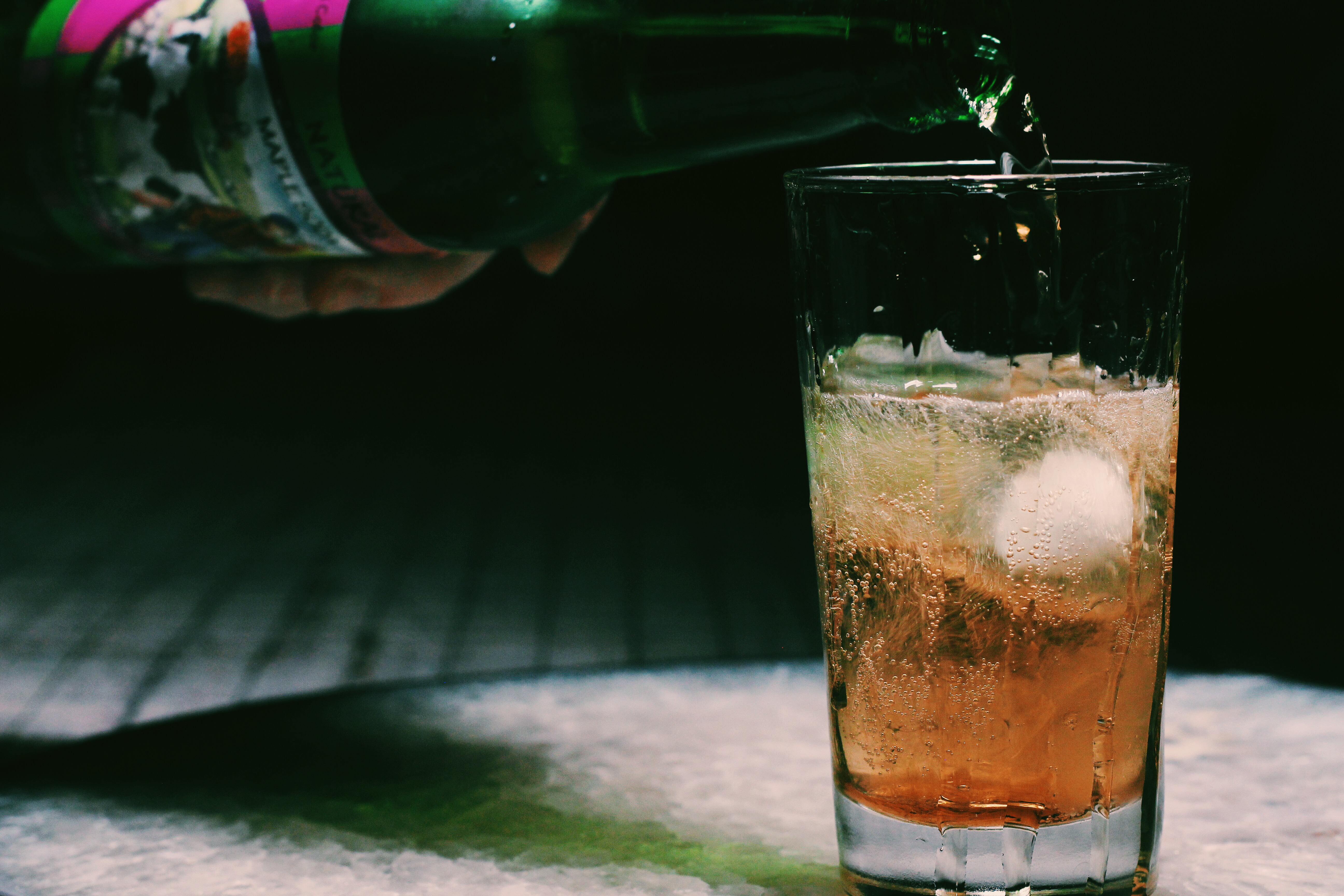
review

Bundaberg Peachee Soda

History: Bundaberg is one of the biggest craft soda companies in the world. It is quite possibly the most widely distributed international craft soda brand on earth. We can’t confirm that, but let’s be honest; we know you don’t really care. The point is, they’re big. But if you know anything about the care they put into their products, then you’re aware there’s no cutting corners for this Australian craft soda powerhouse. Every brand has a “thing” that makes them unique. Bundaberg’s thing? They brew their soft drinks. They literally use yeast and ferment their sodas in tanks, like you’d brew a beer. You might be thinking, “Wait, fermenting? Doesn’t that mean there’s alcohol involved??” Yes, yes there is. Or at least, there was at one point. Bundaberg removes the booziness from their beverages before moving on to other parts of production, like carbonating the soda with water. There’s still trace amounts leftover that contribute to the soda’s flavor profile. If you can actually taste the residual amount of alcohol in it, then I’d contact your local medical laboratory because you may have special powers. You probably know Bundaberg for its ginger beer, but this process goes for all of their sodas, including Peachee, the one we’re reviewing today. Peach juice and Queensland cane sugar supplement the brewing process in this fruity elixir from down under.

Where to get: Bundaberg is one of the largest international craft soda distributors in the world. Their products are sold throughout the United States and the world. To find the neatest location near you, use the company’s online locator. You can also buy it online from Galco’s or Soda Emporium. We’d be shocked if it wasn’t located somewhere near you. And if it isn’t, contact your country’s international distributor. They’re all nice people and willing to help out.
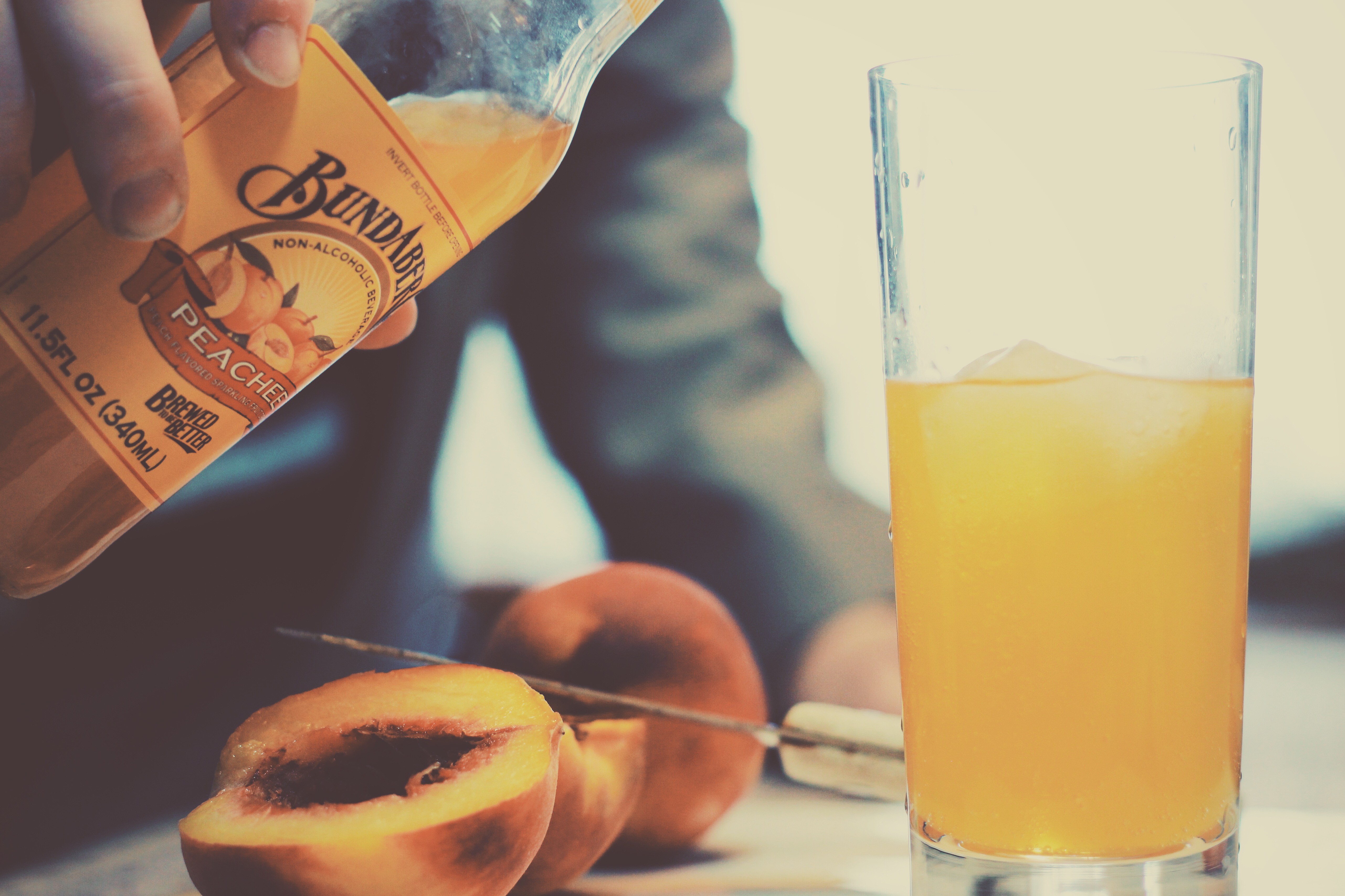
Nose: Peach skin, scratch and sniff peach; Peach-O’s .

Taste: Ground sugar; earthy peach flavor, sharp carbonation. For a soda with such a vibrant peach-esque color, you’d expect a signature sweet peach flavor, but on the first few sips, the sugar is what’s most evident. It’s a little jarring at first, but mellows with time. The peach flavor comes in next, but it isn’t exactly like biting into a fresh peach with sugar on it. The sugar and the peach flavors really act separately here. The peach taste has a little more of an earthy bite to it as opposed to a crisp, fresh punch. It’s different, but easy drinking on the palate. Part of that comes from the soda’s carbonation, which really bounces off the taste buds, but does little in the way of distracting from flavor. This is pleasant, even for a noticeably sweet fruit soda.

Finish: Faint candy peach flavor that lasts just seconds. Very little in the way of lingering flavor, that for some, could lead to multiple bottles in one setting.

Rating: With fresh fruit sodas being all the rage right now, the current soda enthusiast may be a little spoiled. Upon looking at the bright peach color in this bottle, most will expect a very fresh peach taste. Instead, this is a little more of a candy peach flavor with some distinctive, natural earthy tones. It does maintain a little bit of that fresh taste you’re seeking. The sugar is pretty potent at first, but over time you wouldn’t want less of it. The sweetness actually aids the earthy peach flavor here, but pushes the limits for us in terms of what’s palatable for repeat bottle-popping. What we’re saying is you probably wouldn’t do more than two or three of these at a time. Newer companies like Brooklyn Soda Works and Cannonborough Beverage are simply changing the game on what “real fruit sodas” mean, using intense amounts of real fruit juices and produce. That said, this is totally drinkable and has good qualities. I want to be friends with benefits with this soda. I just don’t want to date it, at least yet. But that could change. I’m still newly single. On a hot day by the pool, yeah, drink this until your insides turn orange. I might even suggest a little booze to cut the sugar. As it is, Peachee is kind of like a fuzzy navel without alcohol. It’s definitely worth a shot and we could see it being a very divisive soda in terms of audience reception. Bundaberg Peachee, I’ll call you back, girl.

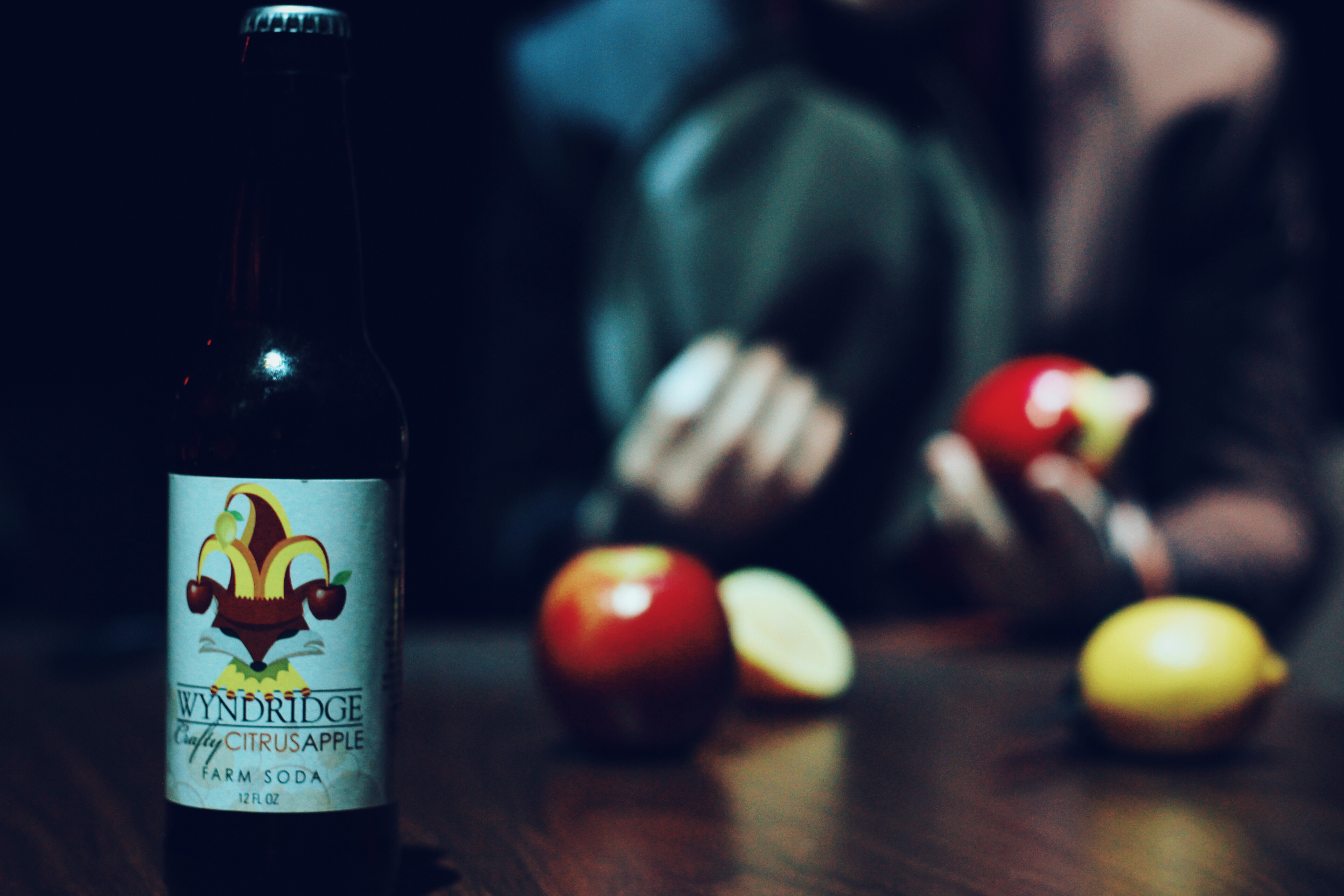
Wyndridge Farm: Crafty Citrus Apple

History: It’s not often a horrific injury leads to a delicious new idea, but that’s exactly what happened to Steve Groff. From his beginnings as a small-town farm boy, Groff transitioned away from that life into the medical world, becoming an orthopedic surgeon. It was a profession he excelled in… until the accident. While riding his bicycle, Groff was struck by a vehicle, leaving him with a bad neck injury. Luckily, his injuries didn’t keep him from walking, but his passion for surgery, his eye-hand coordination; it never felt the same. Plan B? Back to the farm boy roots. Groff and his family renovated a 120 year-old farm in York County, Pennsylvania. Groff calls it “the Napa Valley of apples” with vibrant orchards. So spoiler here: Wyndridge Farm is known for their apple cider. They also brew beer. Those two things led to craft soda. As Groff says, the “soda was born out of having the equipment.” The company already placed an emphasis on the quality of ingredients they used in cider and beer, so it was only natural that craft soda came next. Wyndridge Farm makes a cream soda, but their signature craft soda is “Crafty Citrus Apple.” It contains fresh-squeezed apple juice with just a pinch of lemon. The farm hosts weddings and corporate events, but for our purposes, they’re barnyard brewers. “It’s a combination of great packaging and great liquid, says Groff.”

Where to get: Crafty Citrus Apple and Crafty Cream Soda are both available mostly in the eastern seaboard to mid-Atlantic regions. The company is open to direct orders and are more than happy to work with people on getting their products where you’re located.

Nose: Apple juice; light V8 juice. Not sure where the V8 comes from. Odd.

Taste: Hey that’s apple juic…..zing! You’re greeted with a refreshing carbonated apple juice taste that’s like “‘sup?” and then peaces out in favor of a mild tartness. Really an interesting sensation that the mouth never quite adjusts to completely. The apple flavor is crisp and refreshing. The citrus aftertaste is comprised of lemon, lime and orange, but the lemon is what really does the majority of the flavor work. It actually plays off the apple in a way that contorts the sweet apple flavor into a sour one. So you actually get lemon-sour apple as the soda progresses. That tartness intensifies as you continue drinking, though the cane sugar also becomes more noticeable, just not as much as the citrus.

Finish: Sharp citrus that rises off the back of the tongue up to the roof of the mouth. While lemon is the most noticeable citrus element throughout the beverage, lime really stands out in the finish.

Rating: This is certainly original. The mouth does not expect a zing when drinking apple juice or cider, but Wyndridge Farm decided your traditional flavor profiles have no meaning here. The citrus kick combined with the natural acidity of the apples makes this drink like a hard cider at times. I’d consider this more of a sipping soda with the exception of hot summer days. Its refreshing aspect would be intensified during the hot and humid mid-year months. The apple flavor here is really well done. The soda actually contains fresh-pressed juices from the farm’s neighbors down the road. You can see why Wyndridge Farm has done so well with their ciders. The citrus punch on the backend is just a little too harsh for me to drink more than a couple in one outing. I think if this was paired with a sweeter bourbon or rum, you’d have something really dynamite for your cocktail book. Just a little something extra to cut down that acidity. Fans of more tart sodas are almost guaranteed to love this. If you’re looking for a nontraditional fruit soda, give this a shot. If your taste buds aren’t quite as adventurous, I’d stick to what you know. Groff went through a hell of a lot on his own, so why shouldn’t he make something totally different? When summer rolls around, you should be pulling this one out again.

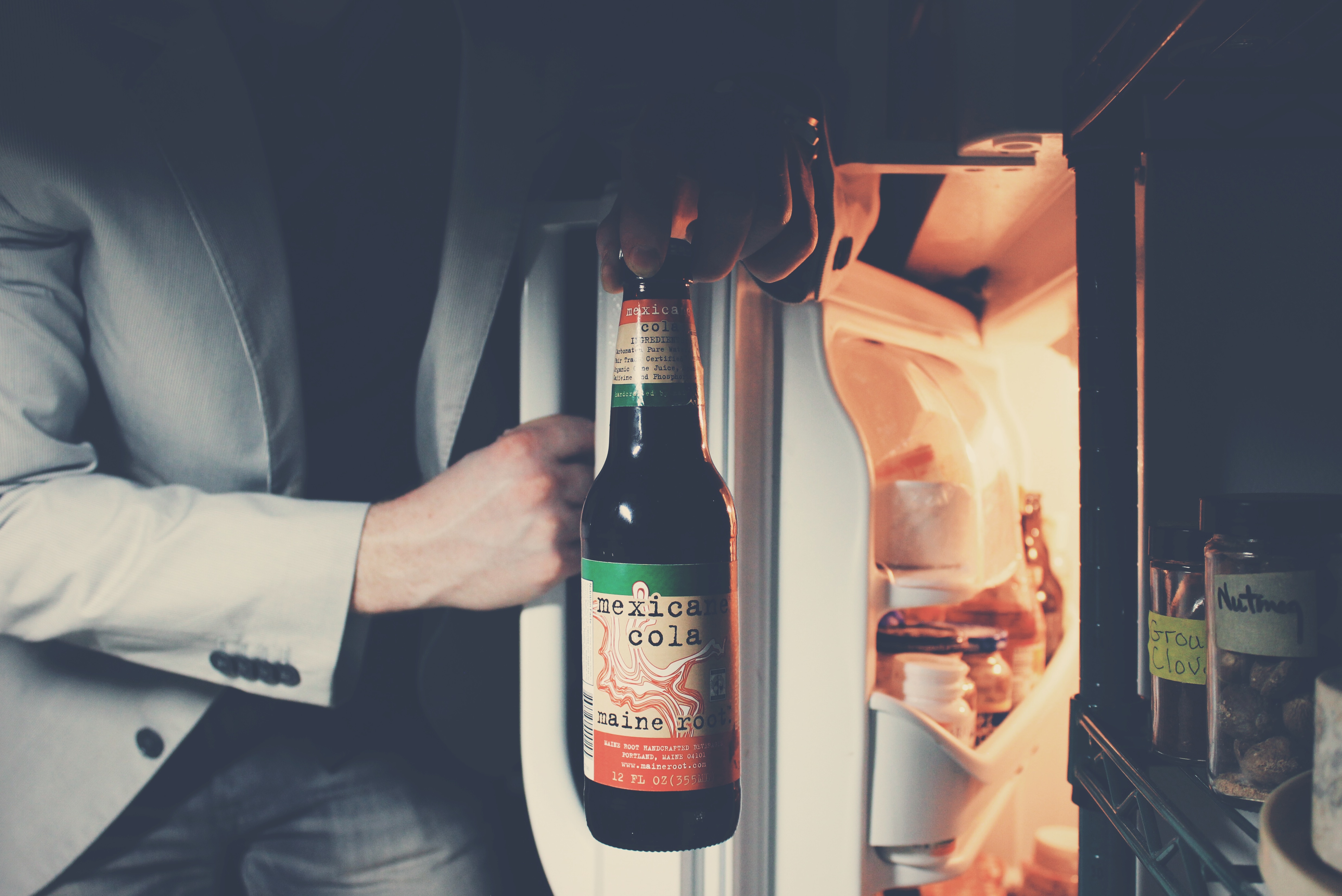
Maine Root Mexicane Cola

History: Maine Root is a well-known craft soda brand. It’s nationally distributed, but despite its widespread availability, the company’s reputation is still darling. Sometimes the bigger a brand is, the harder the craft soda connoisseur will push back against it. Not so here. It still feels genuine. Maybe it’s because Maine Root is still a family business. Maybe it’s because they place a major emphasis on “organic” and “fair trade.” Or maybe people just love Maine. It is just kind of hanging out up there, all cutesy in the northeast. But it’s probably something you don’t see: the owners. Mark Seiler was working in a pizza place that sold a root beer he loved. Pepsi bought it out. Aw HELL NAH! That led to Maine Root and the creation of its root beer by brothers Mark and Matt Seiler. Today’s review, Mexicane Cola, is the company’s newest regular soda and came out about three years ago due to customer demand. What the owners will repeatedly emphasize to you is that Maine Root is the first and only company to use fair trade, organic cane sugar juice. They source it from Paraguay. This is in contrast to cane sugar. It’s also “incredibly expensive,” according to Matt Seiler. Let’s drink it in.

Where to get: Maine Root is a nationally distributed soda. You probably already knew about it. It can be found in well-known stores like Whole Foods and O’Naturals. And if you can’t find it in your city, order it online.

Nose: Not much of a scent on this, but sugar is what hits the nose most.

Taste: Cane sugar; soft kola nut; nutty; light cinnamon. Right away the kola nut is upfront. You’ll want to compare this to Mexican Coca Cola based on the name, but the two aren’t that similar in flavor. Coke is more bitter due to its use of high fructose corn syrup, while Mexicane Cola’s organic cane sugar juice gives it a sweeter, earthier taste. Maine Root keeps the spice in this a secret, but you can taste them swirling around after the kola nut wears off. Cinnamon is identifiable, but it’s very faint. The cane sugar flavor is constant throughout, which is the staple of a mexican cola. Definitely more a rustic flavor than most colas. The sugar permeates the mouth. It’s the soda’s defining trait, but at times it overpowers the spices.

Finish: Cane sugar juice that trails off into spices.

Rating: A new take on an old classic, Mexicane Cola is anchored by its use of fair trade cane sugar juice and secret spices. The cane sugar powers this soda from beginning to end. It’s a natural sweetness not found in many other sodas. The spices help mellow the intensity of the sugar’s flavor, but it still packs quite a punch. If you’re not a fan of sweeter sodas, then I’d keep looking for your dream cola. The use of kola nut in this soda plays nicely with the rest of the spices to help create a nuanced flavor profile. Unfortunately, the sugar limits the opportunity for more of those flavors to come through in the mouth. This is solid as is, but could really go to the next level without as much sweetness. Our suggestion? Try it on ice to help limit some of the sugar’s effect. If you see this in a coffee shop or grocery store, it’s worth a shot. It’s an adventurous take on a soda that’s often so dull, and the craft soda world needs more adventurers.

Brood Soda: Smoky

History: Jon Lehman was a lawyer. He ended up a craft soda brewer. No objections here. Perhaps it was his background in the law industry, something that had become mundane to him, that caused Lehman’s vision for soda to be something completely new. “There’s no reason new recipes can’t be created,” he says. Lehman wanted to venture away from the “classics” and “retro” feel that many companies strive for in their look and taste. In 2012, Brood Soda was born. It’s a bit darker in its marketing than your average craft soda bottle. That little gothic-looking fella is called “Rood Boy.” He’s the face of the brand. Originally, Lehman wanted to go even darker, but scaled back because this is soda and not death metal booze. Something else that makes Brood different? The flavors. They aren’t named after ingredients. “It’s supposed to be a very generalized product that doesn’t fit within parameters.” The soda flavors are all based on an urban feel. Odd, right? In fact, the only things that Brood really does in the traditional senses are source natural ingredients and make an impact in its local Durham, North Carolina community. Today, we’ve got Smoky, a soda judging by the ingredients, that looks to be something of a citrus cola. We’ll find out.

Where to get: Brood Soda has actually been sold out for six months, and the company is working on getting it back in stock. But if you wanna get your ‘lil paws on some of this out-of-the-box soda, it is still possible. Contact Brood directly through their site. They’re pretty chill.

Nose: Mulled sangria wine; faint orange; unique.

Taste: This is one of the most unique-tasting sodas I’ve ever had. This took at least 10 minutes just to decide on what to say and it’s probably still wrong. There’s definitely some citrus going on here. The bottle lists orange, lemon and black cherry. What comes through the most initially is lemon and a honey taste (though there’s no honey actually in this). It’s almost like a carbonated tea with more sweetness and citrus. It’s very relaxing, something you wouldn’t expect from a soda with caffeine. The more you drink this, the more you get the orange and kola nut flavors, though they mostly stay in the background. Eventually it becomes a meld of unfamiliar citrus flavor with light herbal notes. It’s almost like a carbonated sangria. The carbonation is good and the sugar levels don’t distract from the flavors – I just wish the flavors were a little more distinctive. It’s just very puzzling. A mouth mystery.

Finish: Muddled orange and lemon tinged with natural herbs and kola nut.

Rating: Smoky by Brood Soda is one of the most peculiar sodas you can put in your mouth. It isn’t overly harsh or pleasant, but more of an experience. Even as someone who’s tried hundreds and hundreds of sodas, I struggle to accurately place the flavors here. Certainly you get lemon and orange, but they aren’t presented in a way you’ve ever had lemon or orange in a soda. Instead of bold, crisp citrus, it’s more of a fermented flavor like in sangria. There’s also an herbal flavor profile going on that when fused with the citrus produces a tea-like flavor. At times this tastes like carbonated tea. Don’t be misled by the ingredients. Though this has Kola nut in it, it definitely isn’t a cola. In fact, there’s nothing traditional about this, which is why you should give it a go. I probably wouldn’t call this “Smoky.” I think “Mood” or even “Calm” would be more approriate, even in spite of the fact that it has natural caffeine in it. It just puts you in a perplexed, tranquil state as your mouth tries to decode the mystery. If you figure out the flavors, you find the treasure. Nicolas Cage, we have a movie idea for you.


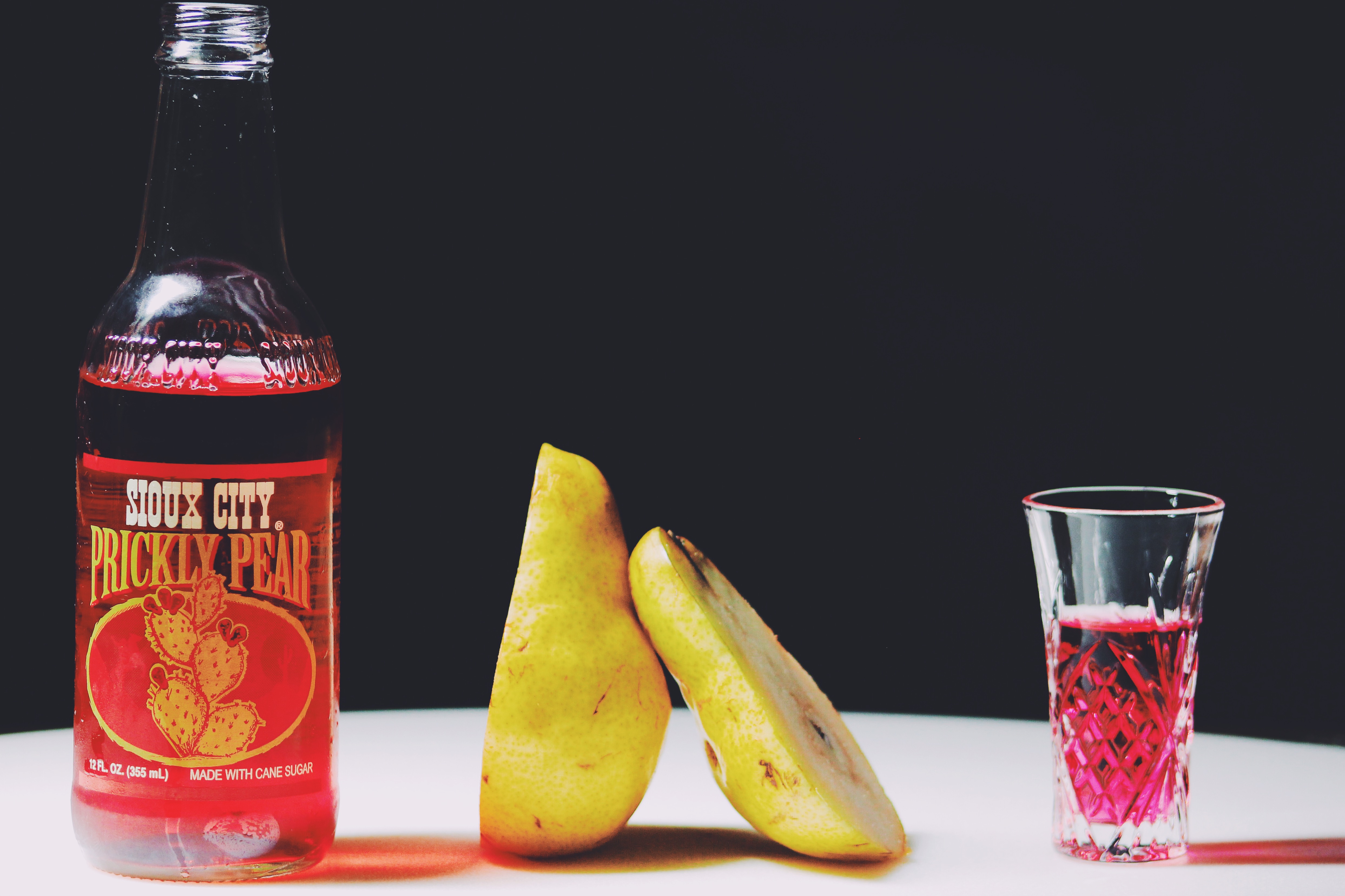
Sioux City: Prickly Pear

History: Sioux City is a soda brand all about havin’ a rootin’ tootin’ good time. The company really wants you to drink in that nostalgic feel. That’s why they put a heavy emphasis on the old west on their bottles. They’re proud of their packaging. They use embossing, with raised ceramic lettering directly on the bottle’s glass as opposed to paper labels. This won’t make the soda taste better, but it’s kind of like your girlfriend walking around in lingerie as opposed to mom jeans. The look matters. Sioux City is a brand of White Rock Beverages, a company that also produces Olde Brooklyn. The company produces seven flavors, none more exotic than the one we’re reviewing right here – prickly pear. Prickly pears are the red fruits that grow from the Opuntia cactus and can be found from Mexico to Texas to southern California. It’s one of the rarer soda flavors out there. It’s also the newest flavor in the Sioux City line. An interesting fact about Sioux City’s Prickly Pear soda: it’s naturally flavored by using cabbage. Don’t ask us how.

Where to get: Sioux City is widely distributed throughout the Midwest, but if ya kick your cowboy boots together and head to Amazon, you can get ‘yer fix too.

Nose: Jolly ranchers; candied watermelon.

Taste: This has a very pronounced, bold flavor. If you’ve ever had cherry Jolly Ranchers, this is almost a dead ringer for the same flavor. Prickly pear traditionally has a sweet flavor, with undertones of kiwi citrus. This is more of a candied, tart cherry flavor with some notes of watermelon. It’s very sweet, but in this soda, the sweetness really works with the flavor profiles. That tart crispness helps to distract from the sugar, yet balances perfectly with it. It could probably use a little more carbonation to bring out the watermelon and tart flavors, but this is a sweet, refreshing soda that delights the taste buds.

Finish: Light watermelon, faint kiwi that trails off back into a more mellow cherry Jolly Rancher flavor.

Rating: Unless you’re a weirdo an avid eater of prickly pear, this is something that’ll be new for you. It’s bold and flavorful, has a wonderful color, and doggone it, I like it. It’s cherry Jolly Rancher, candied watermelon taste pairs deliciously with subtle undertones of kiwi in the finish. This is a fun take on fruit soda that many companies won’t have the desire or resources to a take a risk on. We’re glad Sioux City did. Still, it’s a very sweet soda. Very sweet. If you drank a six pack of these in one night, you’d probably need an IV afterward. The watermelon flavor gives the soda a mild bite that helps undercut the sugariness, but it does taste a little syrupy at times. A little more carbonation would help cut that back. One or two of these will go a long way, but it’s certainly a road you should travel down at some point. Also pairs really well with vodka or rum and lemon juice. Have enough of those and you’ll forget all about the sugar.

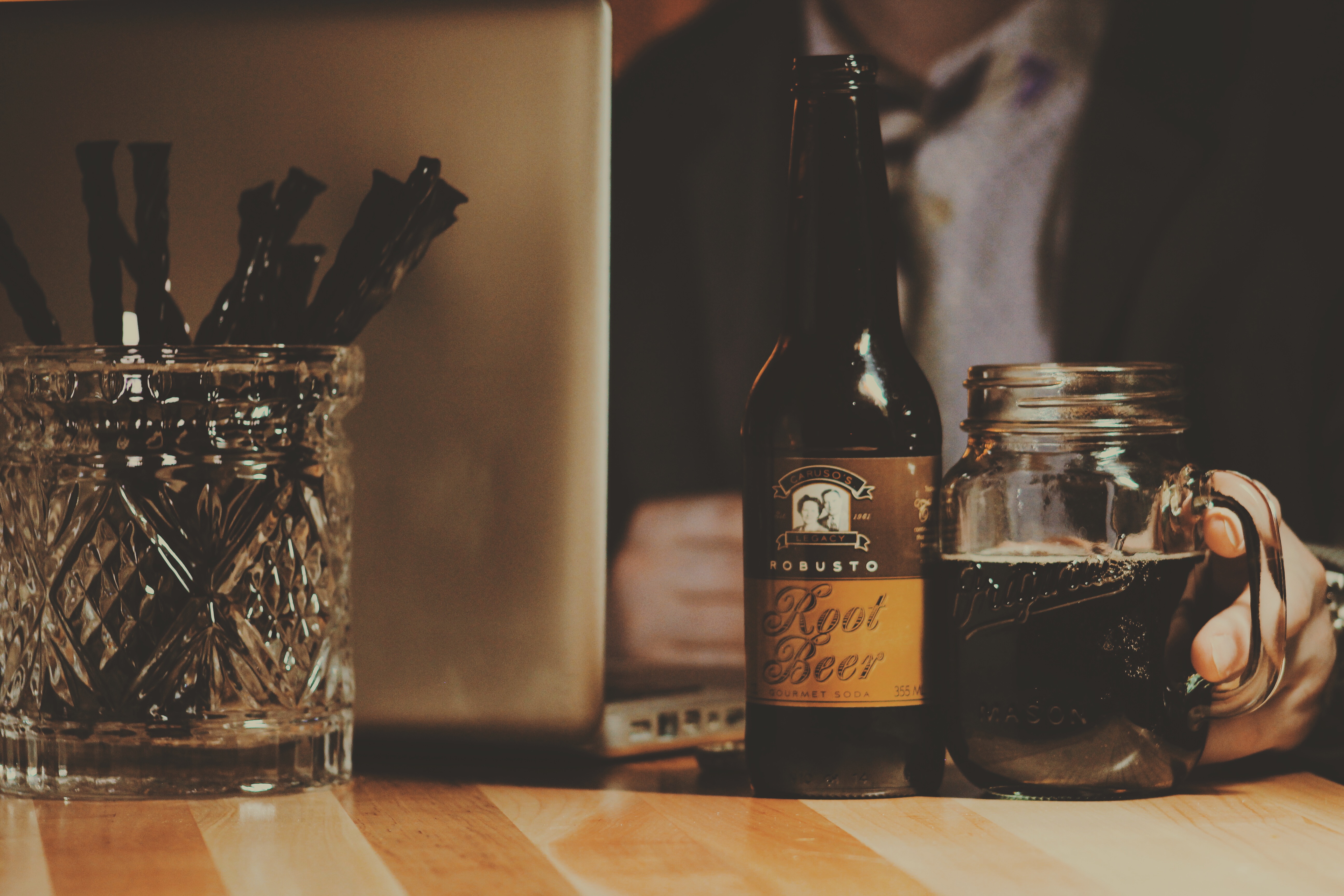
Caruso’s Legacy: Robusto Root Beer

History: The Caruso’s are fourth-generation brewers of root beer. That should tell you a lot. Today, it’s Pete Caruso who runs the family business. But it was his grandfather who started it all when he purchased the Black Bear bottling plant in Milwaukee, Wiconsin in 1961. Root beer was the drink that started it all for them. Back then it didn’t have a fancy name; it was just grandpa’s root beer. Well, grandpa’s root beer hasn’t changed recipes since 1978. All of its ingredients are sourced from Wisconsin. If that doesn’t tickle your little craft soda purest heart, then I dunno about you. Robusto Root Beer was designed to be bold up front and mellow on the finish. It continues to be the company’s flagship beverage. Out of Old Creek, Wisconsin, Caruso’s Legacy is a brand underneath the WIT Beverage umbrella, a company that also houses familiar craft soda names like Jelly Belly and Green River. Root beer is one of five soda flavors the Caruso’s produce.

Where to get: Caruso’s Legacy is primarily sold regionally throughout the northern Midwest. If it isn’t available in your area, the company encourages you to contact them directly to figure out the best way to fill an order.

Nose: Earthy; classic root beer; root bark; light vanilla.

Taste: Earthy bite up front followed by a more mellow, traditional root beer flavor. Upon each sip, the tongue is greeted with a bold root beer bite that makes itself known before anything else. There’s a little bit of a minty note there as well, more akin to birch beers than root beers, but it’s definitely there. In fact, I’d say just a smidge too much mint on the initial mouth feel. The flavor up front is potent, but certainly drinkable and pleasant. Next, the earthy root bark profile very slowly begins to fade into a more subtle version of itself. If you want to get the full range of flavors, take your time in between sips. This root beer needs some spacing to let the subtleties come though. The backend of Robusto Root Beer glides down the tongue smoothly with light creaminess and very faint vanilla. This tastes a little bit like A&W, but infused with bolder flavors and not as foamy. The soft creamy mouth feel here really lets the flavors come through more than other root beers that drown them in vanilla. The use of sugar in this is impeccable. It’s there, but you don’t really notice it; it’s more of a companion to the flavor profiles the company is trying to get across.

Finish: Root bark, sassafras, light creamy vanilla. The finish is consistent every sip.

Rating: This is a traditional root beer done well. There’s a reason this recipe has stayed the exact same since 1961. It works. This is a good root beer to introduce your buddies to who think your craft soda habit is weird. It’s a classic, but with kicked up, better flavors. The wintergreen up front does distract a little bit on the initial taste, but doesn’t linger long enough to discourage you from drinking. This is a soda for any occasion, any season and any partaker of beverages. If what you seek in a root beer is extreme creamy taste and lots of vanilla, you won’t find that here. This roots itself (get it?) in more natural-tasting, earthy flavors. I taste root bark, sassafras, wintergreen, birch oil and cane sugar the most. No one flavor overpowers the other, but they do take time to make themselves aware to your taste buds. So, like my ex-wife used to say, be patient. This has staying power. Throw a mug in the freezer and pour one out. Get robust.


Old City Soda: Lemon Soda

History: Old City Soda is one of the new kids on the block in craft soda. Hailing from Cleveland, Ohio, Old City Soda’s owner, Mike Gulley, sought to harken back to the way soda used to be made in the old days with craft and care. He wanted to blend the old methods with new ideas, flavors and fresh ingredients. Gulley started making ginger beer back in 2011 at a Cleveland restaurant called Paragon. That led to a soda-making series at The Cleveland Flea. If that site doesn’t tickle your inner-hipster, then you aren’t drinking enough green smoothies or wearing enough accessories. In 2013, he launched his own soda line. Like several newer faces in the craft soda industry, Gulley targeted his beverages to pair with alcohol. What really stands out are the flavors. Lemon soda? Cinnamon soda? Hibiscus? Who does that? And most Old City Sodas clock in at under 100 calories. The company name even has a cool little backstory. “Altstadt” was a common name in Gulley’s family ancestry. It stands for “the old city.” In fact, his grandparents still maintain a newsletter called the “Old City Beacon.” The bear you see on the company’s soda bottles even comes from the family crest. It’s all cyclical… revolutions, my friend. Here’s a note for all you health-conscious folk; to ensure freshness, the company does not pasteurize or use preservatives in its products. You actually have to keep the bottles refrigerated or the ingredients go bad much faster. The time from bottling to your mouth is only a matter of days. Flavor potency and authenticity are what this new kid on the block prides itself upon.

Where to get: Gulley and his business partners are still a small operation. They’re working on distribution at the moment. Until then, they’re open to larger orders directly through their website. You can also subscribe there to get the latest updates.

Nose: Lemon meringue pie; lemon juice; light key lime.

Taste: Lemon juice, light sugar. This is lemon soda, not lemon-lime soda. It’s simple and light. That said, the lemon flavor is strong on the first couple sips. Could overwhelm some people. The flavor is very natural. This tastes like someone squeezed a bunch of real lemons in here, which is nice and refreshing. (The soda does contain 20% juice. You’d swear it was more). The more you drink this, the more the sugar comes through. A majority of Old City Sodas contain under 100 calories, so the sugar is never going to be a critical part of the flavor, but it does a nice job mellowing out the strong lemon you get in the beginning. This soda was geared toward being a mixer and when mixed with alcohol, the lemon is nearly perfect, light and full of citrus-infused flavor.

Finish: Pure lemon juice that tails off into a faint key lime flavor. If you drink this quickly, the carbonation brings out more of a bold sugar flavor in the finish.

Rating: This is a soda that lives two lives. On its own, it’s the ultimate sipping soda. A beverage that amplifies in flavor and drinkability on every sip. However, this is also its potential downfall with consumers. The lemon zip is abrupt and up front on the first couple drinks. It’s a little, “Hey, I just met you and you can’t put your hands there yet.” But give it time, baby. It’ll woo you as you get to know it better. The lemon really mellows over time. It’s highly suggested you take your time with this beverage as opposed to downing it in 10 minutes. The lemon has a nice, natural flavor and a palatable amount of zing. It probably isn’t something you’d consistently drink on its own unless you’re a citrus buff, but it’s nice for a hot summer day. This soda has another side though, the one for which it was intended. On its own, its a summertime sipper, but pair it with vodka or gin and this becomes a liquid party. In fact, Gulley noted this is basically an instant Tom Collins in a bottle, minus alcohol. He was right. For those who think the natural lemon flavor might be too strong to drink as a soda, it really lightens out in a cocktail. Its lemon punch cuts the alcohol, yet provides considerable refreshing citrus flavor. Careful, drinking too many happened to us happens. For those who enjoy citrus or those who enjoy sipping beverages, give this a try on its own. For those who’re looking to have a good time and like their nights in a highball glass, try this with booze. And if you don’t like either of those, then we probably shouldn’t hang out.

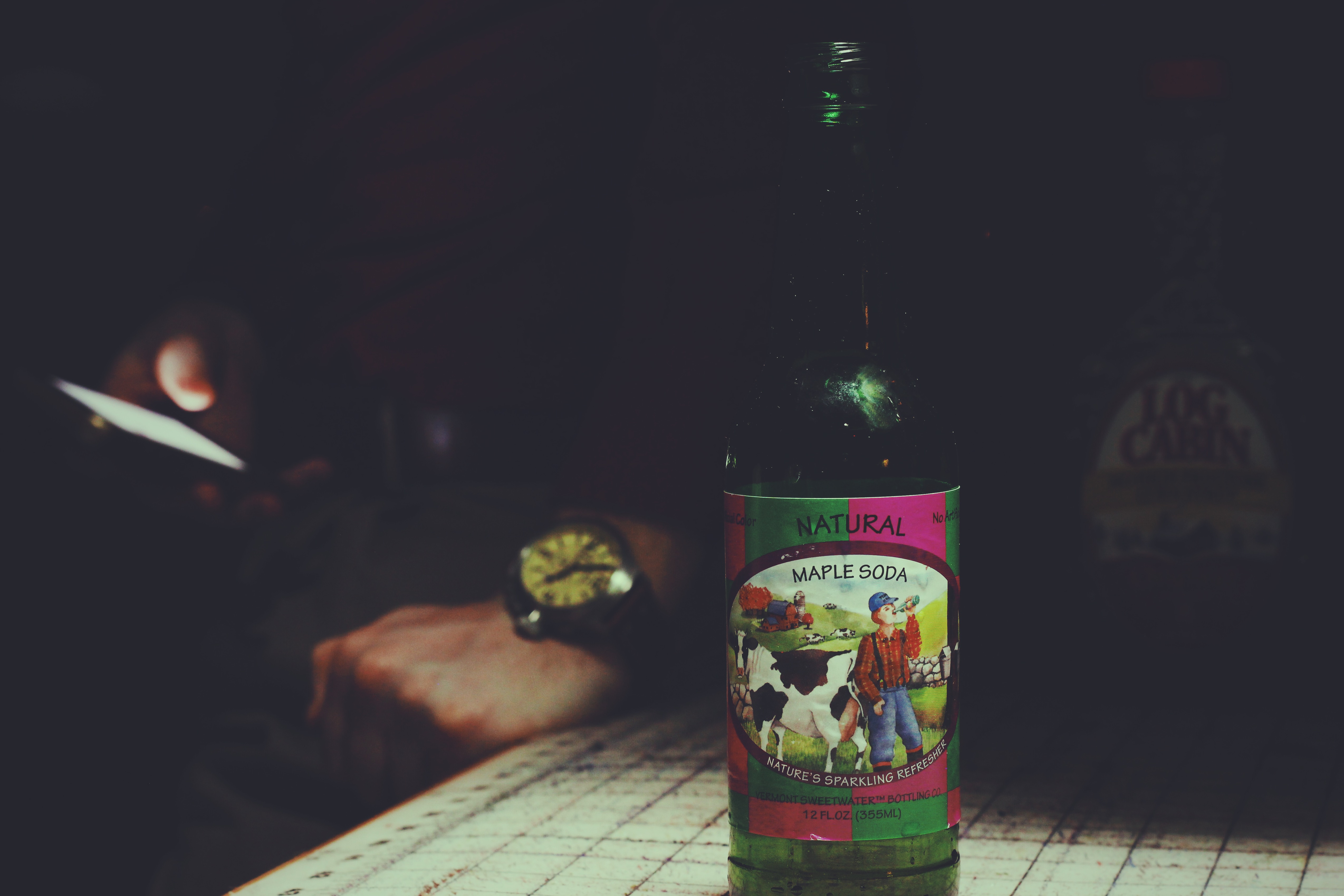
Vermont Sweet Water: Maple Soda

History: When you think of Vermont, let’s be honest, one of the only things that comes to mind is maple syrup. And maybe cold weather. People love maple-flavored things. Donuts, bacon, ham, candy… why not soda? Vermont Sweetwater in Poultney, Vermont (we checked, it’s real) is here to answer your maple needs. These people LOVE maple syrup. Case in point, the company’s signature product, maple seltzer, was born out of an idea brothers Bob and Rich Münch had after literally just drinking sap. But honestly… what else do you do in a town of less than 2,000 people? Eventually, customers wanted a sweeter, bolder version of the maple seltzer. So in 1996, the family created maple soda. Each 12 oz. bottle contains one ounce of pure Vermont maple syrup. Not maple cream or maple root beer, just maple. This baby really relies on the maple syrup to power its flavor because the only other ingredient in it is carbonated water. Out of the nine flavors Vermont Sweetwater produces today, their maple seltzer and soda still power the business.

Where to get: You can oder any of the company’s sodas on its website in either 6-packs or cases of 24. Or if you have some weird aversion to buying outside of bigger retailers, Amazon also has the hook up.

Nose: Odd odor; funk; watered-covered pancakes.

Taste: Bitter; funk; watery syrup. Their are only two ingredients in this soda: carbonated water and maple syrup. The maple flavor comes through at the end, but it’s mostly absorbed by the carbonated water. The result is a watered-down, funky maple taste that is hard to take in. Unpleasant and abrupt. This does not taste like maple syrup. It doesn’t taste like maple cream soda. It doesn’t even taste like artificial maple flavoring. It does, however, taste like maple syrup and water. The flavor permeates the sinuses immediately and rushes to the back of the throat with a carbonated punch. This soda will KO you in the early rounds.

Finish: Harsh, watery maple; shocking.

Rating: We were tremendously excited for this, and it’s with deep regret I must say it was a steep letdown. This is that feeling you had in high school after you worked up all the guts to ask the amazing girl from calculus to prom, only to find out some douche asked her that morning. It was supposed to lead to great things. It could’ve maybe even been the best night of your life. And now you have to ask Betsy, the weird girl who sits behind you and is into anime. That’s how this feels. I don’t know if Vermont Sweetwater is into anime, but this soda is the weird cousin of cream soda that you settled for instead. Its scent is straight funky and its taste doesn’t really improve on the scent. The biggest problem is that the two ingredients put together are a disaster void of decent taste with no sophisticated flavors for the palate. There are no “notes” of flavor. The smell, taste and finish are all almost identically strange and shock the senses. This was borderline undrinkable for us, and it could REALLY use some added sugar. For a company named “Vermont Sweetwater,” the most critical aspect missing from this is sweetness. If you just truly love maple syrup or have a passion for Vermont, then try this. The concept is really noble. The company is commended for sticking to its roots, for being “natural,” but damn, this needs a little sugar to enhance the maple syrup inside. What you get instead is fizzy water-flavored maple syrup. If that sounds up your alley, then maybe you’re the reason BevMo rated this five stars. Clearly, its users didn’t feel the same. If you want to be adventurous, go for it. If you just love guzzling maple syrup… then that’s weird, but go for it. We didn’t finish the bottle. It’s debatable if it was possible.