soda

Roman’s Italian Soda: Sour Apple

History: “It tastes good and it smells good.” Not a bad start if the words of Romano’s Italian Soda founder, Ken Pastega, are true. Pastega grew up in the soda business. He says his family worked for PepsiCo. for 65 years, owning as many as four franchises at a given time. A one-time marketing executive for the soda giant, Pastega was constantly exposed to new trends and flavors, and it was that sense for innovation that came in handy one day when visiting a coffee shop. He noticed the barista pouring hand-made Italian sodas for the shop’s customers and loved that each soda was slightly different. Well, Pastega is of Italian heritage himself. But you knew that, right? I mean, his last name is almost Pasta. He also already had all that Pepsi bottling equipment at his Medford, Oregon plant. So in 2005 in Corvallis, Oregon, he founded Romano’s Italian Soda, naming it after his Italian grandfather. When asked what makes it Italian soda, he quips, “’cause I’m Italian!” He also credits Jones Soda for being another inspiration for entering the craft soda game. All Romano’s Italian Sodas are made with pure cane sugar and no caffeine. Pastega recounts the company being ahead of the curve on the pure cane sugar soda boom, making the switch from corn syrup to real sugar in 2007. He adds, “I always liked Pepsi better with cane sugar than corn sugar.” The family sold its four Pepsi franchises in 2011. Romano’s started out in fountains at local 711 gas stations then gradually moved to plastic bottles and then glass. Today, the company makes six flavors. Pastega tells us that Sour Apple, our review here, is actually fairly low on the totem pole in terms of sales at fifth overall. But sometimes you just gotta give the lesser flavors some love. This same logic also applies to dating, ladies. And lucky for all beautiful women out there… I’m single AND I write really good reviews of soda on the Internet. Note: need to work on sales pitch. Speaking of sales pitches, Pastega made sure to let us know he wanted his sour apple soda to actually taste a little sour. A novel concept, I know, but one this flavor often misses in the craft soda market. Use Green Apple Jolly Ranchers as a comparison. Pastega says, “We tried to duplicate the feel of the candy in the person’s mouth, the smell of the candy, and the flavor of the candy.” And I think you’d be letting Pastega down if you didn’t try his soda on ice cream. Near the end of our interview, he did a solid five minutes on that topic alone. We’ll do you one better and put in more than five in on this tasting.

Where to get: Romano’s Italian Soda is mostly sold in the Northwest Oregon region. It’s sold nationally through Harry and David stores. You can also purchase it online via Summit City Soda.
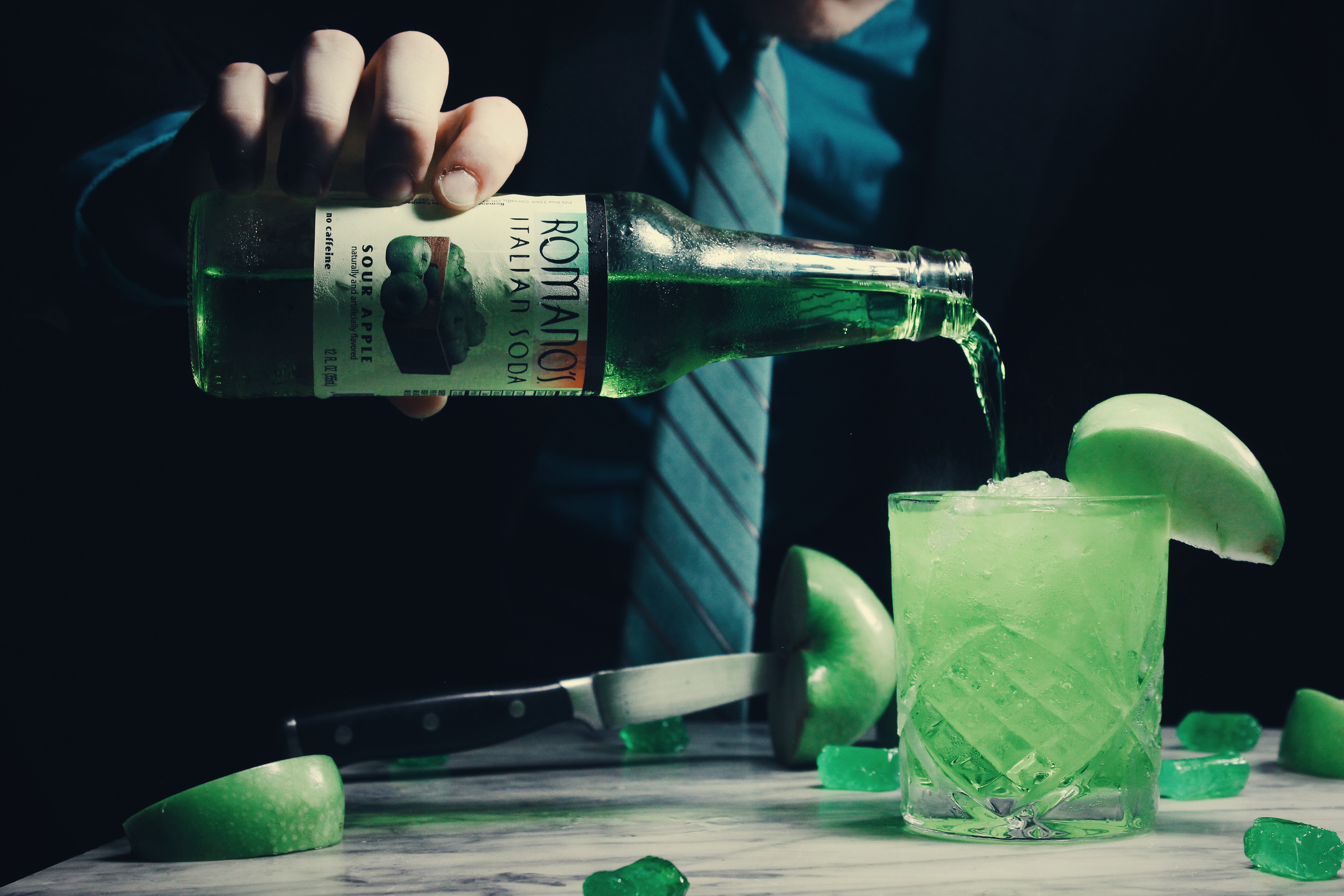
Nose: Definitely smells exactly like the label says: sour apple. If you’ve ever tried sour apple Dum Dums, smells very similar to that.

Taste: Sour green apple; green apple Jolly Ranchers; lots of little carbonation. This tastes like sour green apple candy in liquid form. There’s a great balance of sweetness and tartness in the apple. It’s very similar to the flavor of Jolly Rancher Green Apple hard candy. The carbonation is light and frothy, but there’s a lot of it at the beginning of each sip that gives way to a flavorful sour apple taste on the palate. I have to say the apple flavor really captures the essence of Granny Smith Apples. Impressive.

Finish: Slightly acidic and tart green apple. The sour notes definitely show themselves more at the end of each drink.

Rating: Romano’s Italian Soda really captures what you’ll be expecting in a sour apple soda. It’s apple up front with a tart, sour candy bite at the end. The green apple flavor is crisp and refreshing, aided by the soda’s carbonation. The bubbles are light and frothy, and once they subside you get blasted with flavorful sour green apple. For a soda with such a high sugar level (45 grams), the tartness and authentic apple flavor help to keep the sweetness in balance. The tart green apple notes evoke memories of Green Apple Jolly Ranchers. It also tastes kind of like a non-alcoholic version of Smirnoff Ice Green Apple… not that this adult man… knows what those taste like. This really works on all levels. The only drawback we can think of is that it might be a little too tart for some drinkers. I’d curtail the acidity on the finish just slightly. But this shouldn’t be an issue for most drinkers. The soda’s bright green color just adds to the appeal. The flavor is robust, but probably isn’t something I’d recommend drinking fast. Savor and enjoy the experience. Romano’s Italian Soda is still a growing brand, but one that pleasantly surprises the taste buds with this flavor. You’d be silly not to try this sweet and sour soda. Pucker up.
Dublin Bottling Works: Cherry Limeade

History: Dublin Bottling Works has been producing quality soda for over 120 years, a company with a rich history and a connection to one particular soda that everyone knows. It was that same soda that almost killed it. Dublin Bottling Works was founded in 1891 by Sam Houston Prim in, of course, Dublin, Texas. It was that same year the company began bottling a brand new soda with a unique taste: Dr. Pepper. This is where the term “Dublin Dr. Pepper” comes from, Dr. Pepper with pure cane sugar instead of corn syrup. It may have been Prim who founded the bottling plant, but it was 62-year employee Bill Kloster who really defined the company as its general manager. Dublin Head Soda Jerk, Kenny Horton, recalls when the price of granulated pure cane sugar skyrocketed in the 1970’s, it was Kloster who refused to let his company switch to high fructose corn syrup, despite the potential for much higher profits. Things were going well for Dublin Bottling Works. Their success carried them into the early 2010’s. They were the Little Red Riding Hood of Dublin, Texas. But the Big Bad Wolf came calling, and in this story, the wolf got what it wanted. Dr. Pepper/Snapple is the nation’s third-largest soda creator. They tried their hand at a cane sugar version of their soda called “Heritage Dr. Pepper.” It didn’t resonate with people like Dublin Dr. Pepper. In June 2011, the beverage giant sued Dublin Bottling Works. According to Horton, they claimed Dublin Bottling Works was “diluting the brand” with Dublin Dr. Pepper. On January 11, 2012, Dublin Dr. Pepper came to an end. Horton recalls 15 employees being laid off. By now Kloster’s son, also named Bill Kloster, was the company’s owner. He remains so to this day. Horton notes, “He could’ve easily closed the doors and it would’ve been cheaper…. But he wanted to maintain the legacy his father started.” So Dublin Bottling Works went back to the drawing board.

After about four months of research and development, Dublin Bottling Works reemerged with a new line of pure cane sugar sodas. Today the company has 12 different flavors, including classics like root beer and cream soda and mysteries like Fru Fru Berry. Horton says root beer and black cherry are the two top-sellers. But we wanted to review something a little more daring, something off the beaten path. Enter Dublin Cherry Limeade. Horton tells me over the phone that the Dublin soda jerks used to make cherry limeades with real cherries and limes at the company’s old soda fountain in the 1930’s. The company wanted to replicate that flavor as much as possible in bottled form. This soda is wildly red. Like, I drank an entire bottle and I’m pretty sure my stomach glows in the dark now. But that’s fine. They wanted to make the flavor smooth, Horton notes. “We definitely wanted the lemon-lime, but not an overpowering lemon-lime.” Fun fact: Cherry Limeade is the most popular Dublin flavor at Cost Plus World Market. Alright, that’s enough information. Let’s drink.

Where to get: Dublin Bottling Works soda is sold throughout Texas, including HEB, United, and Kroger stores in addition to Cost Plus World Market. You can find it online for purchase from the Dublin store (24) or Soda Emporium (6) or (singles).

Nose: Lime; cherry limeade; cherry grenadine.

Taste: Sweet cherry; tart cherry; mild lime. This is a soda anchored by a classic cherry limeade flavor. Think Sonic Route 44 Cherry Limeade, only a little sweeter. The cherry flavor in this is more like the juice Maraschino cherries sit in. It’s got that sweet, candy cherry flavor on which most cherry limeades are built. The carbonation is light, but flush on the tongue. You get a sweet cherry flavor first, followed by a rush of carbonation that helps transition the cherry taste to a tart one. That tartness then transforms once again and this is where you taste the lime. It’s subtle, but certainly noticeable. Just a squeeze.

Finish: Mild cherry with undertones of tart lime that change in strength depending on the sip.

Rating: Dublin Cherry Limeade Soda tastes exactly like you want it to taste. It really does have that classic cherry limeade flavor. We even let one of our grandfathers try it and he’s so old, he’s basically disintegrating; and he said it tasted like his childhood. We think that warrants the label of “retro” flavor. The sweet, Maraschino cherry syrup flavor is just right. It’s crisp, sweet, and delicious. Not overly sugary and syrupy. The accompanying tart cherry flavor provides excellent balance, while maintaining enough sweetness to keep the soda refreshing and flavorful. The final, mildly bitter lime finish completes a simple, yet brilliantly executed flavor profile. I actually wouldn’t mind seeing the lime brought out just a little more. But alas, this is absolutely stellar. We could spill more eloquent prose about its flavor and distinctly vintage label, but the bottom line is this a must-try for all ages and anyone with the slightest interest in soda. Cherry and lime are two flavors meant for each other, always waiting for their next honeymoon. Dublin Bottling Works has married the two tastes together in a way that delights the palate and begs for a bulk purchase. Don’t waste pairing this with alcohol. You’d be selling yourself short. Life is too short not to drink good soda. This is one for the bucket list.

Gazosa La Fiorenzana: Pompelmo

History: Hailing from the Alps of Switzlerand comes a soda that’s been brewed the same way since 1921, a hidden gem tucked away in the little village of Grono located in the Grisons canton. It’s been traveling over 4,900 miles and longer than 14.5 hours to reach America, and now it’s here… for the first time ever. That’s right, Five Star Soda is the first American media outlet to get its hands on Gazosa La Fiorenzana. Francesco Tonna started Gazosa with four original flavors: Pompelmo (grapegruit), Limone (lemon), Mandarino (mandarin orange), and  Lampone (raspberry). Today there are a total of eight. It was in 2002 when ex-footballer (soccer) and Polpenzisch founder Stephan Keller descended from the Netherlands to a bar in Zurich during his time playing for FC Zurich. It was there he sampled Gazosa for the first time. He and his immaculate beard realized immediately he couldn’t let this tasting be his last and decided to begin importing the Swiss soda to the Netherlands, Belgium and Germany. Meanwhile, I didn’t put pants on until noon today. His description of Gazosa paints the company as the epitome of little mom and pop productions. He jokes, “Swiss small is different to U.S. small.” First of all, the business has stayed in the Ponzio-Tonna family and is currently in its fourth generation. According to the Keller, the soda’s label remains unchanged. The company still uses refillable swing-top bottles, a reason, Keller adds, that Gazosa will probably never be available in America. People in America definitely probably don’t have the patience for refillable bottles. The company also has no marketing budget and relies soley on word-of-mouth. But what we all care about is taste. To that, Keller added, “Our flavors are pure and old fashioned, please don’t expect any mixes or addition of vanilla or anything.” Like many soda bottlers outside of America, a majority (six) of Gazosa’s flavors are citrus, including all four original flavors. There’s a simple reason for this. You ready? Keller explains the secret, saying, “Francesco Tonna just used what he had available, experimented and tested the flavors amongst his loyal drinkers.” Mind blowing, right? What we’re getting at is this little, independent Swiss family business has been making soda the old fashioned way with real ingredients for a long time. They might just be one of the soda universe’s best kept secrets.

We wanted our first Gazosa review to remain true to the original four flavors, but also to be a little adventurous. We went with Pompelmo. We figured if you can make a divisive flavor like grapefruit taste good in soda form, then you probably know what you’re doing. Turns out Pompelmo was the second flavor Tonna cooked up and Keller notes it’s actually the original Limone with real grapefruit added to the recipe for some added bitterness. You can actually see bits of pulp in the bottle. If you’re curious (even if you’re not), Pompelmo means “grapefruit” in Italian. As with all Gazosa citrus flavors, the fruit comes “from Italian traders to the south of Switzerland,” says Keller. The flavor is the company’s international best-seller.

Where to get: Gazosa La Fiorenzana is available at many fine Swiss restaurants and cafes. It’s currently distributed only in Switzerland, the Netherlands, Belgium and Germany.

Nose: Grapefruit. Real grapefruit. It’s like cutting open a grapefruit and holding the peel up to your nose. It’s actually pretty remarkable. There’s also some lemon on the nose as well.

Taste: Sweet lemon; tartness; grapefruit; bitter carbonation. There’s a bittersweet element to this soda that authentically ties the whole drink together. The lemon is more prominent in the flavor profile than the nose, but the bitterness of real lemon shines through in combination with the tart sweetness of a grapefruit. The carbonation is a rush of intensity at the beginning of each sip that amplifies the bitter lemon notes. This gradually fades into a sweeter lemon-grapefruit hybrid. The lemon at this point becomes more candied akin to a traditional lemon-lime soda, but the grapefruit really does taste like real grapefruit juice. It’s bitter, then it’s sweet and ends with a mild tartness. An authentic citrus soda.

Finish: Tart grapefruit with a light dusting of sugar that gradually fades. The linger on this is perfect.

Rating: The best grapefruit soda in the world may very well hail from Switzerland. Gazosa has taken one of America’s most divisive fruits and presented it in a soda with juice to taste fresh, enough tartness to remain true to the lemon and grapefruit, and enough sweetness to keep soda purists happy. It’s very rich in citrus. The juices are very prominent. The grapefruit juice really holds its flavor. If you don’t like grapefruit, you wouldn’t like this. But why would you be drinking grapefruit soda to begin with, you weirdo? The lemon goes through more of a transformation, at one point bitter, and at another much sweeter. Americans aren’t used to sodas that garner a large portion of their sweetness from the natural sugars in the juices. Compared to American soda, even some of the artisinal fruit ones, this probably tastes more like a carbonated juice than soda if I had to choose. But then there’s that distinctive soda fizz and sugar rush on some sips. It’s a nice mixture. The Swiss have beautiful women and make beautiful soda. That’s already two reasons for me to find a new girlfriend in Switzerland. This is a rare treat for us at Five Star to review something from so far away. The only sad thing is that unless you’re heading to Switzerland, this will be out of your reach. The one that got away. Maybe you should go chase after it. Just maybe. Fünf sterne.

lemon

El Manantial: ToniCol

History: “I don’t know how to explain this, but it is unique,” says ToniCol Project Manager and third-generation family businessman Tobías Ricardo Lozano Solorza. That’s a direct quote from someone within the company. Even they can’t explain their soda. So we’re off to a fun start. To be fair, Solorza did try, saying “It is something between Coke, Dr. Pepper and IBC Cream soda.” We always like to start every review in a unique way, but what we’re saying here is that El Manatial’s ToniCol is different. That’s actually the company’s catch phrase, “es diferente.” But ToniCol’s history is a rich one, dating all the way back to 1887. On an unrelated note, here’s a video of the soft drink’s history that looks like it was edited in 1887. Let us educate you on some Mexican soft drink history, filled with rivalries, friendships, and our superhero, Ángel Solorza González, also known as Don Angel. The story begins in the town of El Rosario in Sinaloa, Mexico. There were two soft drink companies: La Eureka and La Azteca. La Eurkea was far superior, and according to Solorza, its boss wanted to create a “Vanilla-flavored soft drink, with a touch of other essences.” He called the soda “TonyCo,” after his own nickname, Tony. You see, bossman was a savvy entrepreneur, but he was also a little self-absorbed and cutthroat. Don Angel started working for La Eurkea in 1925 in a different city, but after learning his youngest brother would need a leg amputation, he needed to return to El Rosario. Despite the family emergency, La Eureka’s boss fired Don Angel. With one of the best businessmen in the Mexican soft drink industry now a free agent, guess who came calling? La Azteca.

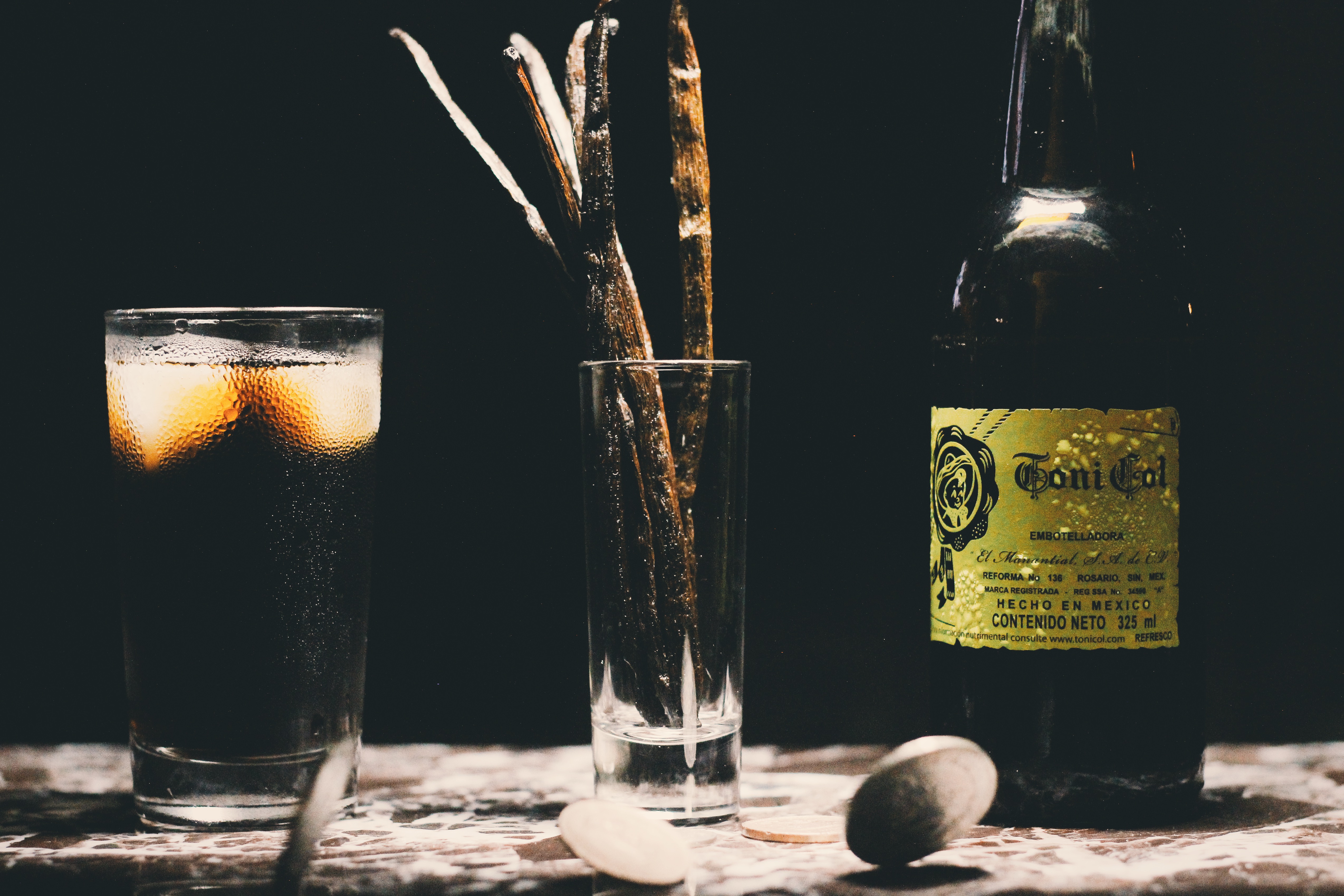
After beginning work for La Azteca, Don Angel quickly began increasing the company’s value and quality. It didn’t take long for La Eureka to take notice. The bossman’s son, Joaquín Espinosa de los Monteros approached La Azteca and inquired about merging the two companies. Side note: why did everyone in Mexico used to have names longer than my wife’s credit card statement? Moving along. Long story short, the merger happened and La Azteca’s owner, Enrique Casteñeda, Monteros and Don Angel owned the new company three ways. In 1947, a fourth shareholder was added and the company’s name was changed to the current “El Manantial.” It was also the year Don Angel’s son and Solorza’s grandpa, Ángel Solorza, designed the current logo and branding for Tonicol. But remember, back then the name was TonyCo. It stayed that way until the 1960’s when the Mexican Ministry of Health banned the name because, according to Solorza, “it confused the consumers, making them believe that the drink had curative attributes.” It was also in the 60’s when Ángel purchased complete ownership of El Manantial. Today, Solorza’s mother and her siblings own the company. As for what goes into this vanilla soda, Solorza elected not to answer that question. So I guess we’ll have to unravel the mystery ourselves.

Where to get: According to Solorza, ToniCol is available to purchase for Mexico natives at major retailers like Wal-Mart, Seven Eleven, and Soriana. For Americans, your best bet is to order online through Alegro Foods.

Nose: Hard to place. A little bit of orange cream and, oddly enough, carrot cake.

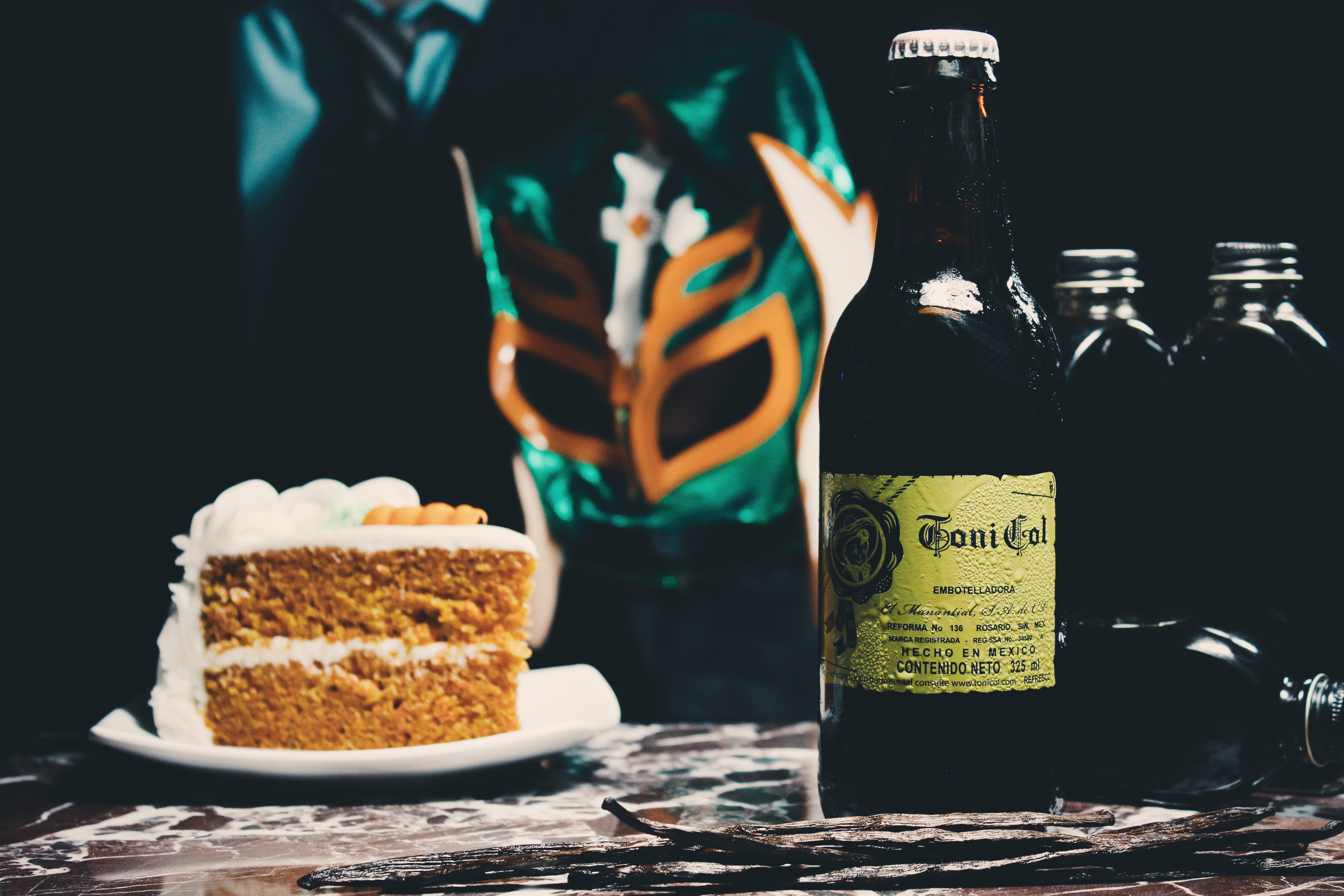
Taste: Carrot cake; sweet orange; light creaminess; vanilla; strong sugar. Whoa, this is different and weird. I definitely taste carrot cake. So much so that we put it in the photos. But there’s also kind of an artificial vanilla-orange cream flavor as well. There’s a creaminess to the orange, but not necessarily a creamy mouth feel. The mouth feel is very much a traditional cola in the sense that there’s some bitter notes and a rush of carbonation that aids the bitterness. Very sugary, borderline syrupy. This is very sweet. Man, I can’t shake that carrot cake flavor. It’s just… that’s what it is. Strange.

Finish: Tart sugar with orange undertones. If there is such a thing as orange-flavored sugar (eh), that’s what the aftertaste is like. It’s a tart sweetness. Odd, just like everything else about this soda.

Rating: ToniCol is hugely popular down in Mexico. I didn’t know that once you crossed the border, the flavors could change so much. I wouldn’t call this a cola, despite what your brain tells you based off the name. It brands itself as “vanilla soda,” but I wouldn’t call it a cream soda either, even though there are some slightly creamy orange notes in this. It’s just very puzzling. Here’s what we can tell you definitely about ToniCol: it’s incredibly sweet; it tastes like carrot cake; and there are some syrupy vanilla-orange cream flavors going on in the background. First, the sweetness. It’s intense, so intense there’s a syrupy taste tinged with orange. It could really stand to lose some of the sugar rush or add quite a few bitter notes. Next, carrot cake. Never in my life did I expect to taste something this vivid and weird outside of a Rocketfizz brand soda. I don’t know if this flavor was intentional, but you can take my wife on a date if that’s not exactly what you taste too. She’s with another guy now, but the offer still stands. Last, the puzzling orange cream flavor. Don’t think traditional orange cream. Think syrupy orange mixed with vanilla frosting. Not necessarily flavors that make you rush to pull your wallet out. If you want to try something really off the beaten path, ToniCol is worth a shot. Look, I commend ToniCol for being different, but I’m not sure it’s the kind of different I’d mess around with beyond a one-night-stand.

Lorina: Pink Citrus Lemonade

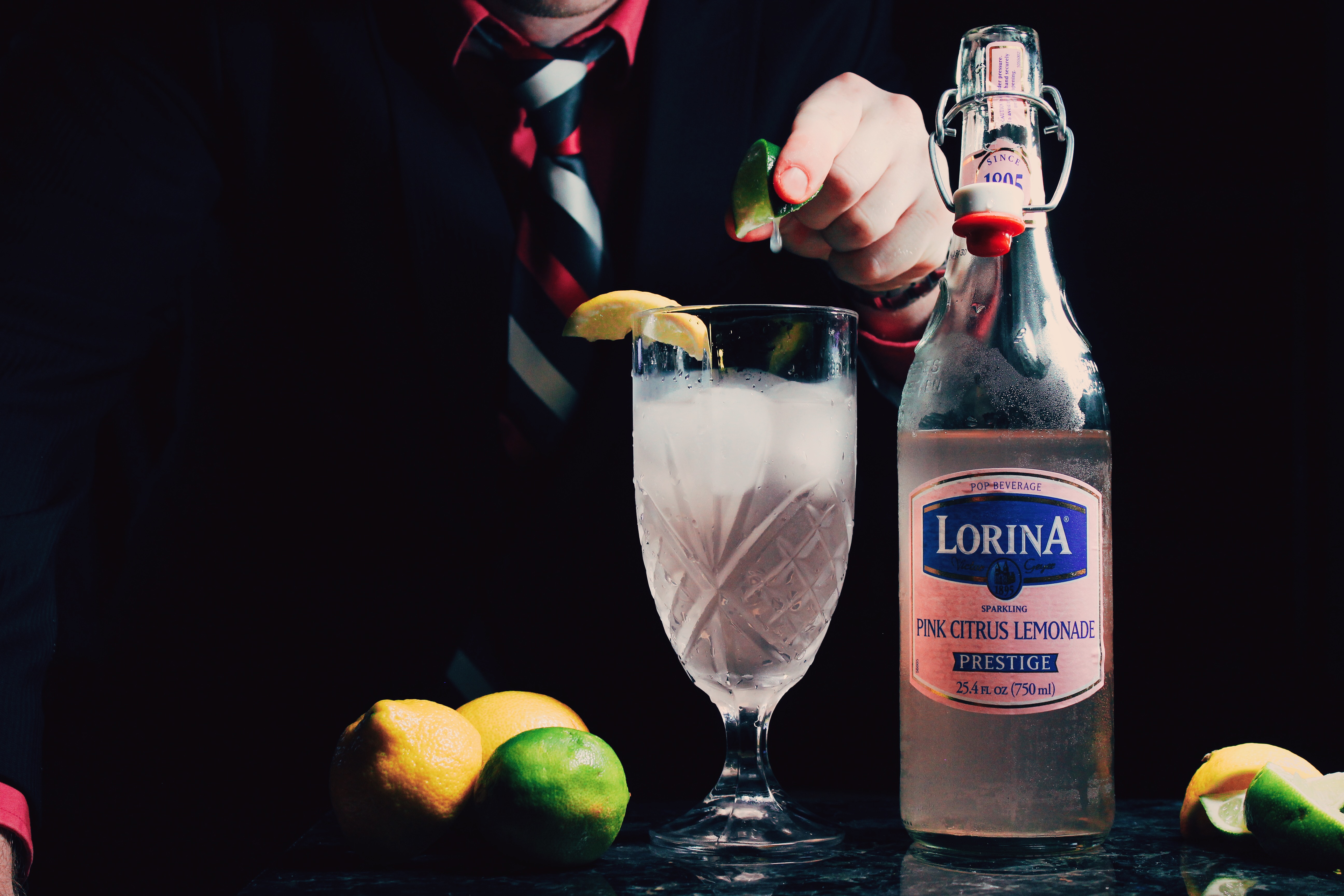
History: Throw on your best dress wear, get out the fine china, and put your pinkies in the air because we are about to get into some high-class soda. Glistening a soft pink hue in its 750 ml swing-top bottle sits a soda so sophisticated, you’d swear it was some sort of champagne. And it is. Sort of. Not really. Lorina brands itself as “the champagne of sodas.” It’s French. No wonder it’s so fancy. Lorina is the kingpin of gourmet soda in France, and it’s been around since 1895. That was the year Victor Geyer invented Lorina’s famous lemonade in the little village of Munster, France using local spring water, beet sugar and real lemon juice. To this day, Geyer’s name still appears on the neck of the bottle. According to Lorina Marketing Coordinator Maëlle Mauvieux, the company’s soda recipes are all still their original formulas, sans preservatives. Those were removed to ensure a healthier soft drink. All Lorina soda is made with real beet sugar, “water from the Vosges,” no GMO’s, no caffeine, and no artificial flavors or colors. An interesting note about Lorina is that the company divides its soda into two different lines: the high-end “French Prestige Icon Collection” and the more casual “Parisian Style Soda Collection.” The former comes in a tall glass swing-top bottle. Mauvieux notes that each bottle is still homemade and hand-plugged.

Today the company is headquartered in Paris, France and produces seven flavors of soda. According to Mauvieux, Pink Citrus Lemonade is the company’s top-seller, followed by blood orange and lemon. She goes on to make an unexpected claim about the pink citrus lemonade, saying “I think you’ll notice the lime…. It’s not like a sparkling lemonade,” but instead is both sweet and tart. At this point, we weren’t sure what we were getting. I don’t think my sister knows what she’s getting in her future husband either. But I guess five months in prison isn’t that long. Maybe they’ll be serving the “champagne of soda” at their wedding. We asked Mauvieux why this was Lorina’s tagline and she told us that the soda has small champagne-like bubbles and was confident that its carbonation would “meet U.S. customer expectations.” Lorina is undeniably beautiful to look at and the company certainly exudes confidence in their products. It’s up to the Pink Citrus Lemonade to back up the talk.

Where to get: Lorina is distributed worldwide. You can buy it online via Amazon or even Wal-Mart.

Nose: Smells strongly of lime, kind of like a limeade from Sonic.

Taste: Lime; tartness; citrus; sweet lemon. This is has a bold citrus bite. You can taste the authenticity of the lemon and lime juices. It starts with the lime, which is interesting considering this is labeled as a lemonade. The lime is quickly followed up by fine little champagne bubbles that intensify the tartness of the juice. There’s a tart bite that’s distinctly citrus and not harsh. This washes away in favor of a sweet, slightly dry lemon. This might be a bit of a reach, but the second half of the sip has very much the mouth feel of a dry wine with sweet lemon in place of grape. Still a lot of citrus to the lemon flavor, more than you’re used to in carbonated lemonades. Again, that authenticity is there. The faster you drink this, the more of a bite you’ll get from the lime and lemon.

Finish: Lemon juice that weaves between sweet and sour with the sour notes slightly more present. Interesting considering the lemon flavor in the soda’s body only has sweet tasting notes. A very nice, complimentary finish.

Rating: This is what all citrus soda should strive to accomplish. Lorina has crafted a bold lemon-lime soda with sweet fruity notes in the background that justifies the “Pink Citrus Lemonade” name. There’s a tremendous balance of sour and sweet. The lime is immediate, bold, and tart in its citrus flavor. The lemon follows up in a fashion that’s distinctly more citrus soda than lemonade, while maintaining a balanced sweetness to counter the lime. I wouldn’t even mind seeing a little bit more of the sour profile dance around in the second half of each sip. Lorina’s Pink Citrus Lemonade is crisp, tart and refreshingly honest in its flavors. The French taught us all how to kiss and they’ve once again created something we all want to put our mouths on. The bottle is elegant, the swing top is sophisticated, and the liquid is delicious. If we had to muster a comparison, I’d say Lorina’s Pink Citrus Lemonade is what Sprite could be if it were made with all-natural ingredients and added a little fruitiness. Lorina is France’s number one carbonated beverage brand. It’s apparent our French counterparts understand the soft drink industry. America may be the superpower of soda, but we’d be well-served to steal a few tricks from the French soda jerks. Do we approve? Oui. Merci, Lorina.

Six Barrel Soda: Celery Soda

History: The American influence is everywhere, and sometimes even when it isn’t, people will go out of their way get it or make it up themselves. For example, if you’re an American, you could travel 16 hours around the world to the beautiful island country of New Zealand and you’ll still find a little piece of home at a joint called Six Barrel Soda. “I have always loved old school Americana stuff…. Soda has such a great history and there is so much to work with flavour wise,” says Six Barrel Soda Co-founder Joseph Slater. Founded in 2012 in Wellington, New Zealand, the business came about after Slater and his childhood buddy and business partner, Mike Stewart, started serving increasingly popular homemade teas and sodas at their bar in Wellington. They quickly realized they were onto something and moved away from the bar to put all their energy into the soda business. But first, for those of you unfamiliar with New Zealand, a brief lesson. Here are three things we think you should know. 1. As mentioned, it’s gorgeous. 2. They filmed the “Lord of the Rings” and “The Hobbit” movies there (I bet they’re so sick of hearing this one). 3. And most importantly, they have THESE things. Apparently something survived the Jurassic period. Stay the hell away from them. That is a real, living thing. If you see one, you won’t be. Moving on. Slater says craft soda hasn’t quite hit it big over there the way it has in America. In essence, these guys have cornered the gourmet soda market over there and they’re trying to do it in a way that ensures they stay on top by using premium ingredients, real sugar, and no preservatives. They also just have that artisan feel nailed down. Just look at their website and packaging. There’s a sophistication to their presentation.

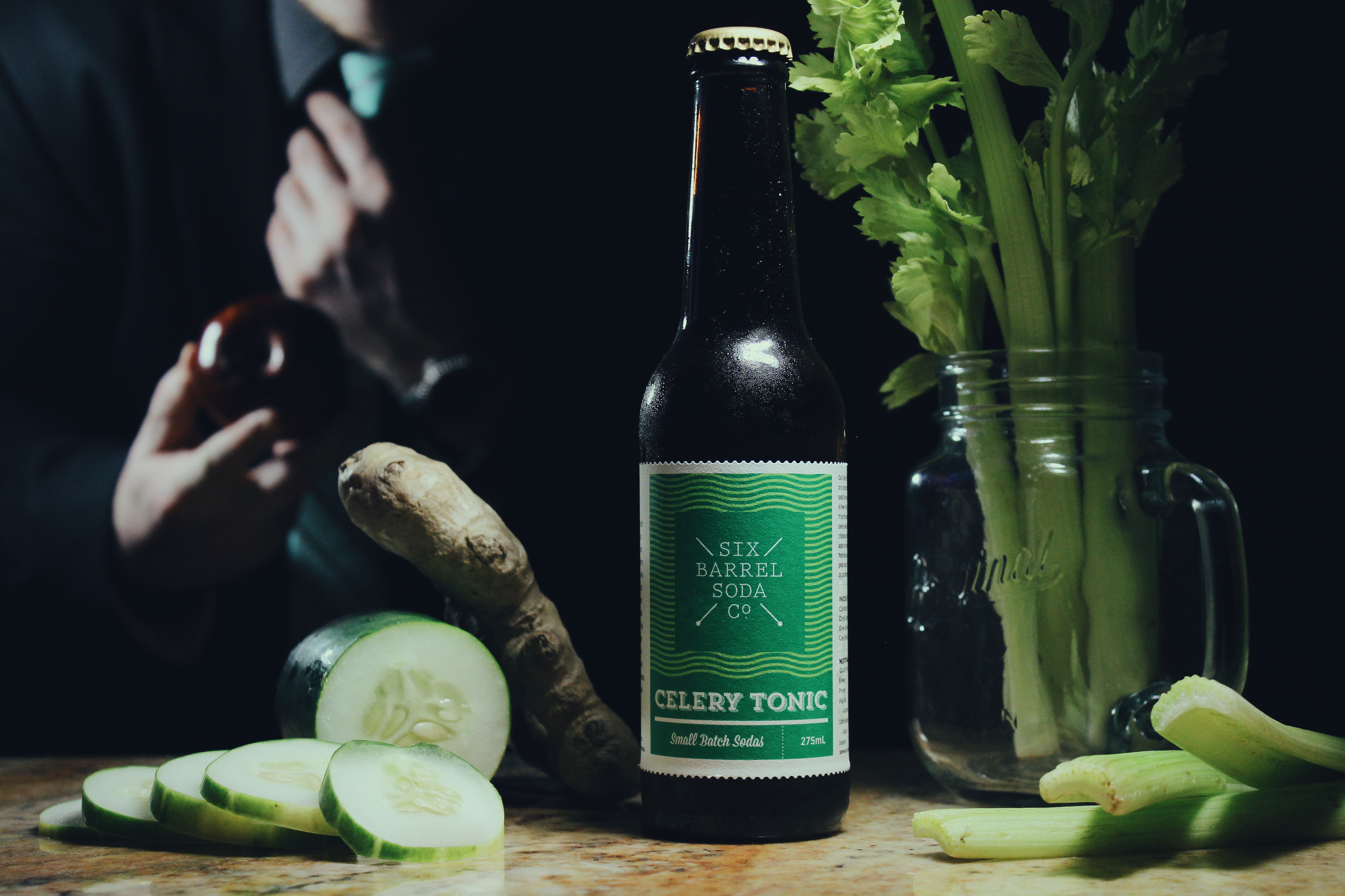
But just as important to their business model is the willingness to be different. “We also try to do flavours that people might not have tried before or are unique to us. Our Celery Tonic is probably our most iconic flavour, we use celery seed, cucumber, apples, ginger and fresh celery,” adds Slater. Now don’t let the label “tonic” fool you. Their Celery Tonic is actually a soda. And how can you let a man who makes his own soda by hand ship it to you from across the world and not review his most popular product? That said, we’re reviewing the sarsaparilla. Just kidding, we’re reviewing the celery soda. (Immediately I realized this joke didn’t work because of the title and photos in this post. F#%k it, I’m leaving it in.) Currently, Six Barrel Soda has five bottled flavors with a sixth seasonal flavor that rotates. If you hit that link, you’ll also notice they produce a line of soda syrups. The shop also serves coffee and fries, but their commitment is unquestionably on liquid. In their own words, “We’re drink makers not chemists.” And in an age where “flavor chemists” are becoming more popular, it’s interesting to see the Kiwi’s making soda Americana-style with more good ole fashioned elbow grease than a lot of soda companies here in the states. Or something like that. And according to Slater, you might just see Six Barrel Soda pop up in America some time in the future. So stay tuned.

Where to get: According to Slater, Six Barrel Soda supplies “bars, restaurants, cafes, grocery and gift store across NZ, Australia, Singapore” and soon, Korea. Americans, your best bet is to email the company and see if something can be worked out. Six Barrel Soda sells their soda online and ships throughout New Zealand.

Nose: A balance of celery and apple juice with the celery becoming more prominent the longer you sniff.

Taste: Celery seed; apple juice; cucumber. Six Barrel Soda Co.’s Celery Tonic tastes light on sugar and rich in celery. You can really taste the celery seed as well as the cucumber. For a soda with two vegetables in it, this is refreshing and palatable. The apple juice provides a mild sweetness. The celery flavor lingers the longest. The cucumber provides some slightly bitter notes. The carbonation is very, very light. The ginger isn’t obvious in the flavor profile, but if you search for it, it’s there.

Finish: Lingering celery with a stronger cucumber flavor than in the body of the soda. Not sweet or savory. Right in the middle.

Rating: Celery is a vegetable you’re 100 times more likely to find in soup, but Six Barrel Soda Co. has no time for your culinary limitations. This is a soda made with two vegetables, but luckily doesn’t taste like vegetable soda. The primary flavors you’ll taste will be celery, apple juice and cucumber. All of them are mild. Celery is the most prominent, but don’t sleep on the cucumber, the soda’s most refreshing element and one that becomes more prominent throughout the duration of the drink. The apple juice does a nice job providing a sweetness, but I’d love to see the flavor more emboldened in the drink’s overall flavor profile. The celery and cucumber are both distinct, while the apple seems to be cast in a supporting role. I think a stronger apple would work really well with those two flavors. That said, Celery Tonic is a pleasant surprise. You don’t often expect a soda with a vegetable on the label to be something you want to drink, but I’d definitely down one of these on a hot day. Fans of botanical sodas or ones off the beaten path are almost sure to love this, but we’d recommend it to any sort of soda connoisseur. It’s an inventive take in an industry where innovation is half the battle to its customer base. Keep fighting the good fight, Kiwi friends.

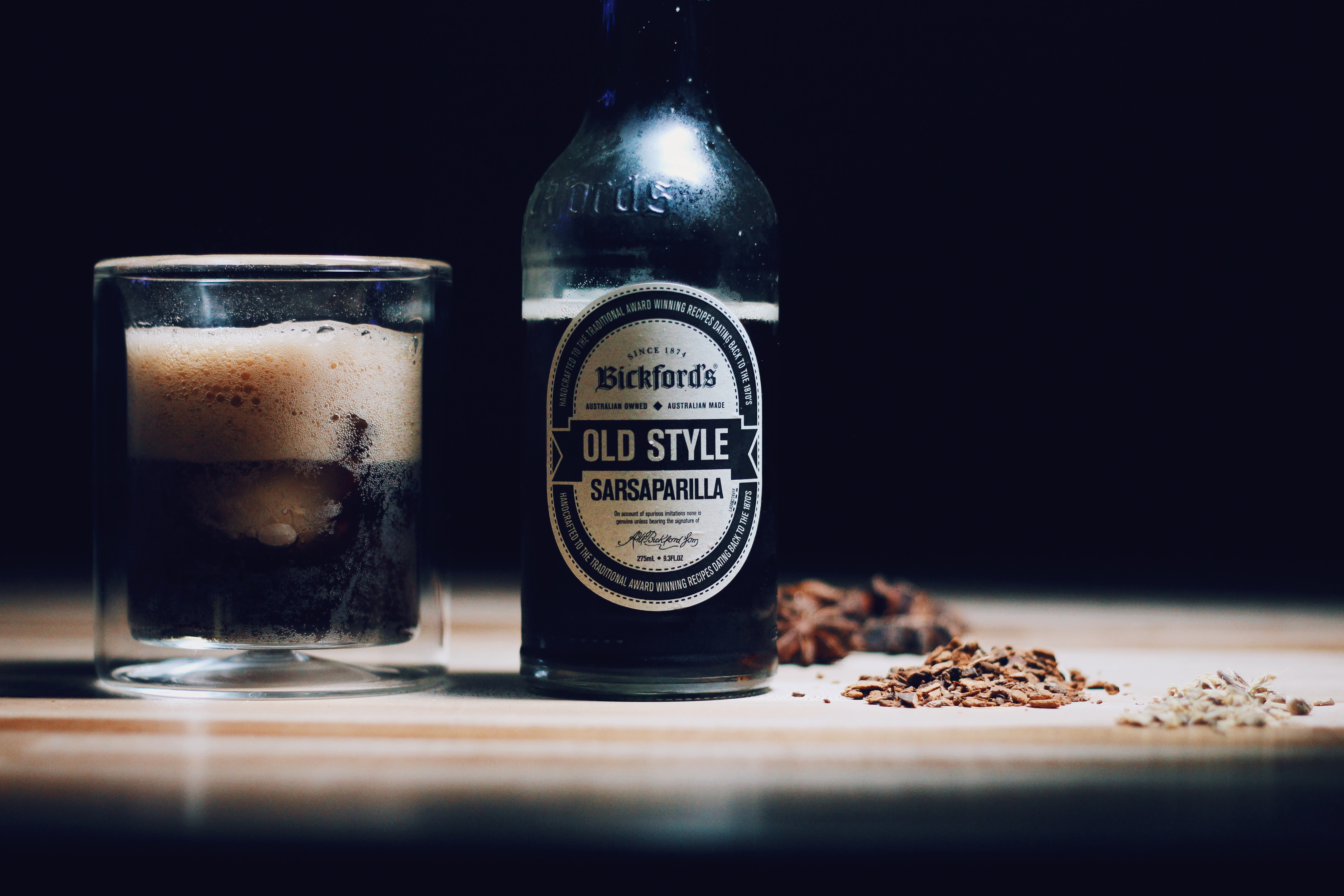
Bickford’s: Sarsaparilla

History: Bickford’s is a brand rooted in tradition. Since 1874, the South Australian company has been producing its famous cordials. The company makes a whole host of other products too, including its Bickford’s Old Style Soda line of seven different flavors. One of the most popular is sarsaparilla. Says Bickford’s Brand Manager Beverley Reeves, “Sarsaparilla is the fastest growing in some of our overseas markets perhaps because the flavors are different from those that consumers there would normally be familiar with.” According to Reeves, the soda’s recipe is still the same as it was decades ago. Like America, the Australian soda scene continues to evolve. Reeves adds that there is a “shift from mainstream to more differentiated flavours and brands with a story.” In the end, it’ll always come down to taste and Bickford’s Sarsaparilla was designed with a bold licorice flavor in mind. Knowing that, I wouldn’t expect this to be particularly fluffy on the palate. Previously, we reviewed their creamy soda that has a touch of raspberry. So Bickford’s definitely seems to be a company that makes traditional flavors with nontraditional tastes. A fan favorite in its native country, Reeves gave us the inside scoop that Bickford’s is soon coming to America and will debut in October. We’ll keep you posted when and where as soon as details become available. In the mean time, there’s ice cold sarsaparilla waiting for you.

Where to get: In Australia, you can find Bickford’s Sarsaparilla at “most major supermarkets and convenience stores,” according to its website. Now you might pay some hefty shipping outside of Australia, but you can also buy Bickford’s Sarsaparilla online via Sippify.

Nose: Strong black licorice; anise. There’s a mild hint of root beer on the nose, but this smells very, very rich in licorice. Pucker up.

Taste: Licorice; anise; sarsaparilla root. This is definitely more of a botanical sarsaparilla as opposed to a creamy one with lots of vanilla. You’ll really notice the sarsaparilla root flavor in this drink. It’s bold and very herbal. There’s a semisweet sensation encapsulated by frothy bubbles that coats the tongue as the sarsaparilla flavor fades. At brief points in the soda, there’s even a little bit of a cola flavor, but this is a sarsaparilla anchored by strong sarsaparilla root, sassafras, and licorice flavors. The licorice isn’t as pronounced in the flavor profile as it is on the nose, but really shows up in the aftertaste. Definitely black licorice flavor, but not overly strong.

Finish: Tart sarsaparilla root with lingering notes of licorice.

Rating: Bickford’s sarsaparilla is a stark departure from American takes on the flavor, utilizing a strong herbal flavor profile instead of a smooth, creamy one. The tasting notes that stand out most are unmistakably sarsaparilla root and licorice. The sarsaparilla flavor is stronger, but the licorice is particularly noteworthy. Coming in near the end of each sip along with a wave of champagne-like bubbles; it’s a commendable use of a flavor that often overpowers the soda experience. Another aspect that stands out is the tartness on the finish. It’s a crisp herbal reminder that reinforces you’re definitely drinking sarsaparilla and not root beer. I could’ve used a sign like that during my second engagement If you’re not a fan of botanical sodas, you’re not going to enjoy Bickford’s Sarsaparilla. This is a soft drink for the slightly more adventurous soda connoisseur. It isn’t particularly sweet and relies more on its herbals flavors to impress its drinkers. The sugar, while lower in the flavor profile, is noticeably crisp. Bickford’s Sarsaparilla should be a hit with lovers of botanical sodas and die-hard sarsaparilla drinkers. It won’t be for everyone, but this soda knows its niche and leaves an Australian footprint in the sarsaparilla marketplace.

Santa Vittoria: Limonata

Santa Vittoria Limonata 1History: When talking about the culinary capitals of the world, you’ll hear several cities in Italy mentioned. Florence, Rome, Bologna. Food is basically a religion in Italy. One culinary element you might not automatically associate with the Italians: soda. Santa Vittoria is attempting to change that notion. You’ve heard of Italian soda, but this review today is literally a true Italian soda. Santa Vittoria bottles all of its soda in Italy and offers four flavors: chinotto, aranciata, aranciata rossa, and limonata. First and foremost though, Santa Vittoria is known for its premium mineral water. The company saw soda as an opportunity to offer another high-end product, particularly in restaurants and cafes. “The inspiration behind launching a range of Italian Sodas stemmed from the desire to provide a total product offering for our clients who strive to serve the best beverages in their venues,” says Santa Vittoria Senior Marketing Manager Josh Passaro. Americans might already detect the similarities between Santa Vittoria and San Pellegrino Sparkling Beverages from the name to the flavors to the nutritional information. If you’re in this boat, on the surface, you’re not wrong. What stands out about Santa Vittoria sodas, Passaro says, is that they “contain 12% fruit juice, no preservatives and are combined with sparkling Italian water.” So in essence, you’re kind of getting the the water for which they’re known for free. It’s like a buy-one-get-one sale where you don’t resent yourself after leaving the store. In terms of popularity, Passaro says chinotto (bitter orange) and aranciata rossa (blood orange) are the top sellers. For all this talk about Italy, here’s a delicious little fact: Santa Vittoria, while bottled in Italy, is headquartered in Sydney, Australia and distributed in Italy, Australia, New Zealand, and portions of the Asia Pacific region. And now it’s reached America. Soon it will reach my mouth.

Where to get: According to Passaro, Santa Vittoria is mostly sold at physical locations. You can also purchase Santa Vittoria Soda online here and here. Americans, your best bet is emailing the company.

Nose: This is a lemon soda, but it definitely smells of musky lime.

Taste: Tart citrus; pungent lemon; mild sugar; light carbonation. On first sip, you get slammed with intense citrus and lemon, and then a small wave of light bubbles. The citrus element is where you’ll taste a little sugar, while the lemon is bold and tart. There’s a sharp acidity to this. You could even call it astringent. This is noticeably more bitter than American citrus sodas, but calling this a citrus soda would be incorrect. This is unmistakably lemon soda. The lemon is tart and acidic, leaving a bite on the back of the tongue. You can certainly taste real lemon juice in every sip. You do get a little hint of lime throughout the drink, but we’re uncertain if it’s actually an ingredient. The sugar is mild. Santa Vittoria really chose to highlight bitter notes with Limonata.

Finish: Mostly tart lemon that tastes authentic with a little bit of lingering sugar. Highly acidic and might sting the tongue on some drinkers.

Rating: The Italians love their citrus fruits. The entire Santa Vittoria soda line is based on them. So we went with traditionally the harshest: lemon. The company’s Limonata soda definitely captures the essence of what you’d think a carbonated lemon would taste like in liquid form. It’s tart and bitter. There’s a sweetness, but it’s really an afterthought when assessing the soda as a whole. I think it would be fair to compare this to San Pellegrino, which I’m sure may have already crossed your mind. What you’re going to taste here is lemon, and to a lesser degree, citrus. The lemon tastes real and it is; you can literally see the pulp in every bottle. It’s also strong and reminds me of squeezing a real lemon with sugar on it into one’s mouth. The citrus element is sweeter and tastes like a combination of lime and faint grapefruit. Santa Vittoria’s Limonata isn’t going to be for everyone. The sour notes might make your face muscles tighten up harder than a botched Botox session. On the flip side, for those who enjoy a bitter soft drink, this should be right up your alley. Compared to American sodas, this one really feels European and has a lot of the calling cards: mild sugar, tart notes, bold fruit flavor, and lax on carbonation. Personally, this is a little bitter for my tastes. I wouldn’t mind seeing the sugar dialed up a bit. The tart lemon works really well. It just needs an element to help reign it in. But for a lemon soda, this is very solid. It really nails the main flavor. We’re just not quite certain how ready America is for it.