Year: 2015

Faygo: Rock N’ Rye

History: Remember that girl from middle school whose hair was a different color seemingly every week? The one who was cool with being weird? The one you work for now? We’re all a little different. The ones who truly stand out are the people that embrace it. And in the world of soda, being different is so hot right now. Faygo has always been a little weird. And they’re not afraid of it. Marketing Specialist Dawn Burch says enthusiastically, “We offer flavors that other companies are scared to try…. We’ve become this cult classic somehow.” Indeed, Faygo is known for their variety. Currently, they boast over 60 different flavors, from the Rock and Rye we’ll be reviewing today to their newest creation, cotton candy. How do they do it? “We have a really talented team of scientists,” Burch says. I get the flavor giggles just thinking about it. But you might know the Detroit-based company for a slightly more insane *looks around for approval* reason. Insane Clown Posse. Juggalos. The dudes who paint their faces and rap… I guess that’s what you call it. A quick Google Image search on Faygo doesn’t disappoint. Juggalos often spray each other and get drenched with Faygo soda at concerts. Why? Who knows. Maybe that face paint has some strong chemicals in it. Burch mentions how Juggalos will often call the company for wedding orders so they can ensure a proper soda shower. I’ll save this idea for my first wedding. It should free up that weekend for me.

Back to the soda. Ben and Perry Feigenson founded Faygo in 1907 and began basing their flavors on desserts. They’re been in the same manufacturing facility since the 1930’s. Today, Faygo is famous for its Red Pop and Rock and Rye. Both of these are part of the retro glass-bottle soda line Faygo produces that also includes four other flavors: cream soda, grape, orange, and root beer. These six sodas are all made with cane sugar. The rest of Faygo’s sodas do not contain cane sugar. The company is good for about one new flavor a year. We can’t tell you what their next one is… but it’s something you wouldn’t traditionally think of as a beverage flavor. Today, we sample Rock and Rye. Introduced in the 1920’s, it was named after the vintage rock candy and rye whiskey cocktail. We’re told this one doesn’t contain whiskey. We can’t guarantee it won’t by the time we’re done.

Where to get: Faygo has one of the oldest online soda stores in the world. It opened in 1998, right about when Al Gore invented the Internet! Not really. But maybe. If you’re beholden to Amazon, they’ve also got your back. Faygo is nationally distributed. If you can’t find it, I’d be surprised. If not, call the company. They’re nice people who want their soda to go in your body.
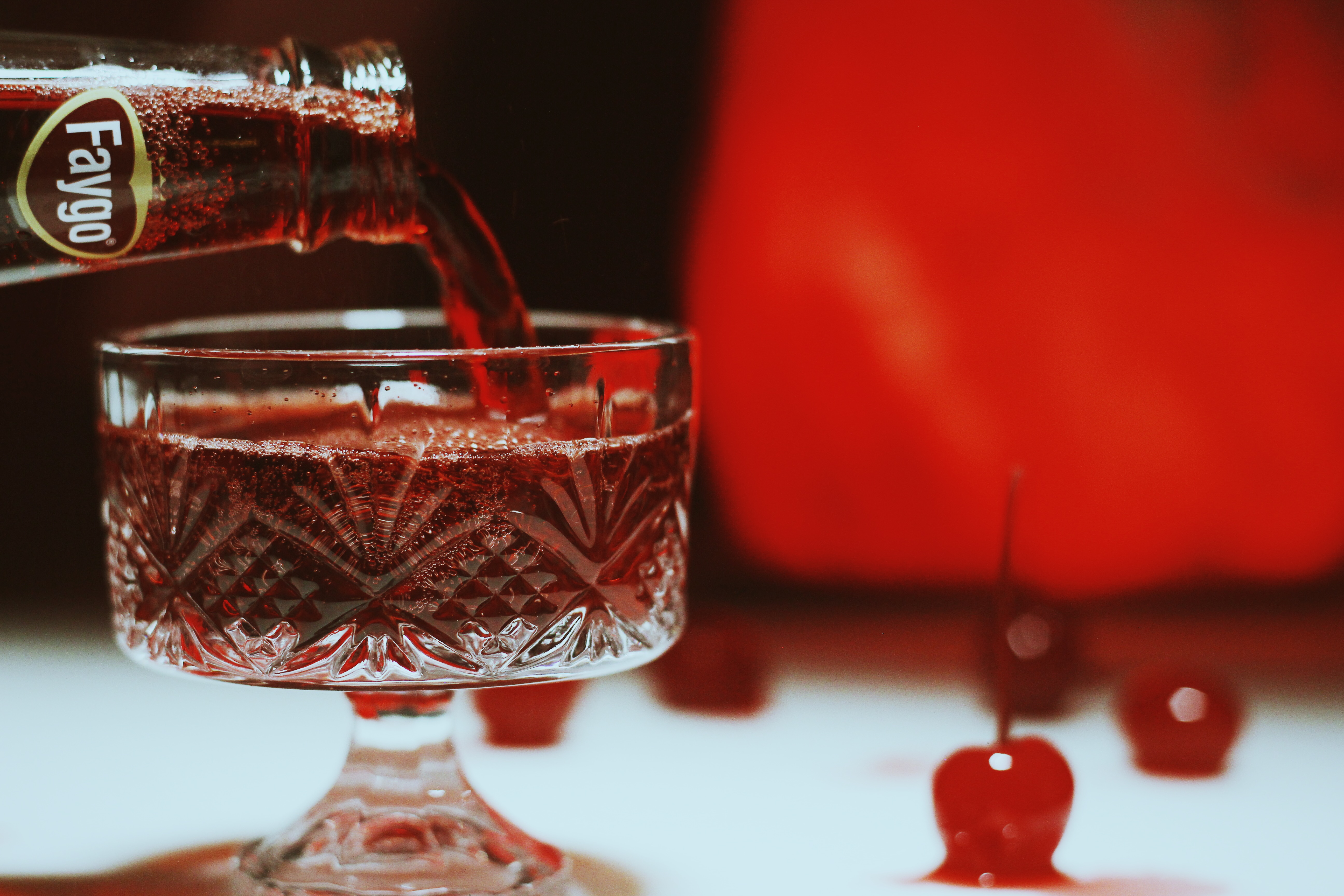
 

Nose: Classic pink bubble gum strips; cream soda.

Taste: Vanilla; cherry cream; tartness; frothy carbonation. The carbonation in this soda really accentuates its flavors. It’s also the first noticeable element you taste. Tiny, frothy bubbles flood the mouth before a distinct creamy vanilla-cherry flavor enters the picture. That said, carbonation this noticeable may be a turn off for some. For a deep burgundy craft soda, Faygo’s Rock and Rye is rich with creamy vanilla as opposed to intense bubblegum as is often found in red creams. The bubblegum flavor in this soda is discreet, like a mirage in a desert of tiny, creamy vanilla bubbles. It’s there, but only as a complimentary flavor component. We were told that Detroit natives think of this as a strawberry cream soda, and the strawberry is there, but it’s really old-school cherry notes that we taste. This has the richness of a cream soda with the carbonation and mild fruitiness of a cherry cola. Not overly complex, but highly drinkable and a delight on the taste buds.

Finish: Cherries and cream; deep and rich. The longer the drinker lets the flavors linger, they’re joined by creamy, mild vanilla undertones.

Rating: We’ve written before that cream sodas can basically boil down to two flavor profiles: vanilla and/or bubblegum. Faygo’s Rock and Rye straddles the line between cola and cream soda and has the best execution of bubblegum I’ve ever tasted in a soda. It’s light, creamy, and rolled in a bed of sweet vanilla and mild cherry. Not too overpowering, but has enough flavor to delight the taste buds, while being undercut by a semi-tart cherry cola taste. It’s truly an achievement in soda flavor engineering. Easily one of the most drinkable sodas I’ve had in years. I’m delighted to say this truly exceeded my expectations. Unfortunately, I don’t think my date last night said the same to her friends about me. If you’re reading this, please return my texts. This probably leans more toward the cream soda side of things, though its carbonation is distinctly that of a cola. While the frothy little bubbles in this bottle serve to highlight its excellent flavors, they may also be its only downside. The bubbles can be intense and always greet the tongue before the flavors develop. It is a necessary buffer. But this is a minor complaint, and one I’m not personally making here. After all these years, what could be called Faygo’s most original flavor is arguably its greatest. Its staying power is undeniable and its deliciousness is unquestionable. It’s cream cola. If you love craft soda, just the thought that this combination is even possible to bottle should give you the tingles. We all need some soda tingles every now and then, right? Put this in your regular rotation.
Kutztown Ginger Beer

History: Kutztown Bottling Works dates all the way back to 1851. Though it didn’t have the same name then, the Kutztown, Pennsylvania soda business has deep roots and has been passed around several times in its history. An important name to the brand is Percy Keodinger, who purchased a brewery and focused on selling beer and soft drinks. Then prohibition happened. No more beer. Way more soda. Keodinger developed 16 different flavors, his most famous being an original recipe birch beer. According to current Kutztown Bottling Works General Manager, Andy Schlegel, birch beer is still Pennsylvania’s most popular soda flavor. Since then, the business has been sold three times until it eventually wound up with current owners Jeff and Dana Taylor. The company actually didn’t assume the name Kutztown Bottling Works until 2002. The company sells soda in both 12 oz. glass and 24 oz. plastic bottlers. Click here to see which flavors come in which bottles. Like fellow eastern Pennsylvania bottler, Reading Draft, Kutztown is part of the Pennsylvania Dutch style. Again, no one can really seem to explain what that means aside from the fact that there’s a German influence. Shh, don’t worry about it. Yet despite the emphasis on birch beer, we decided to try their ginger beer, if for no other reason than because it’s red. And that’s odd enough to pop the top on this bottle. A fun fact: on the Kutztown bottle label it says “Nix Besser,” which means “Nothing better.” The more you know.

Where to get: Kutztown sodas can be purchased from the company’s online store. Their ginger beer is sold in plastic bottles through the Kutztown Bottling online store. If you’re looking for glass bottles, you can find those at Beverages Direct. Kutztown Bottling Works soda is distributed throughout 30 states and to many small Amish and Mennonite retailers by Dutch Valley Foods.

Nose: Ginger; mild red hot candies.

Taste: Mild ginger; mild spiciness; mild sugar. This is mild for ginger beer… if you didn’t get that by now. There’s a definite ginger taste, but the cane sugar in this almost acts as a bubble that coats the ginger. For some, that could be good. For others, it’s a flavor mask. There’s just the slightest bit of a minty undertone to this hidden beneath the ginger that you don’t find in most ginger beers. It seems like that mint flavor hides some of the bite found in stronger ginger beers. But every few sips that spice will sneak up on you and into your nostrils. It’s more of a heat on the finish than the initial sip. Not much in the way of lasting flavor or fire.

Finish: Light wintergreen mint and sweet candied ginger that swing back and forth until the flavor is gone. No lingering heat or after bite.

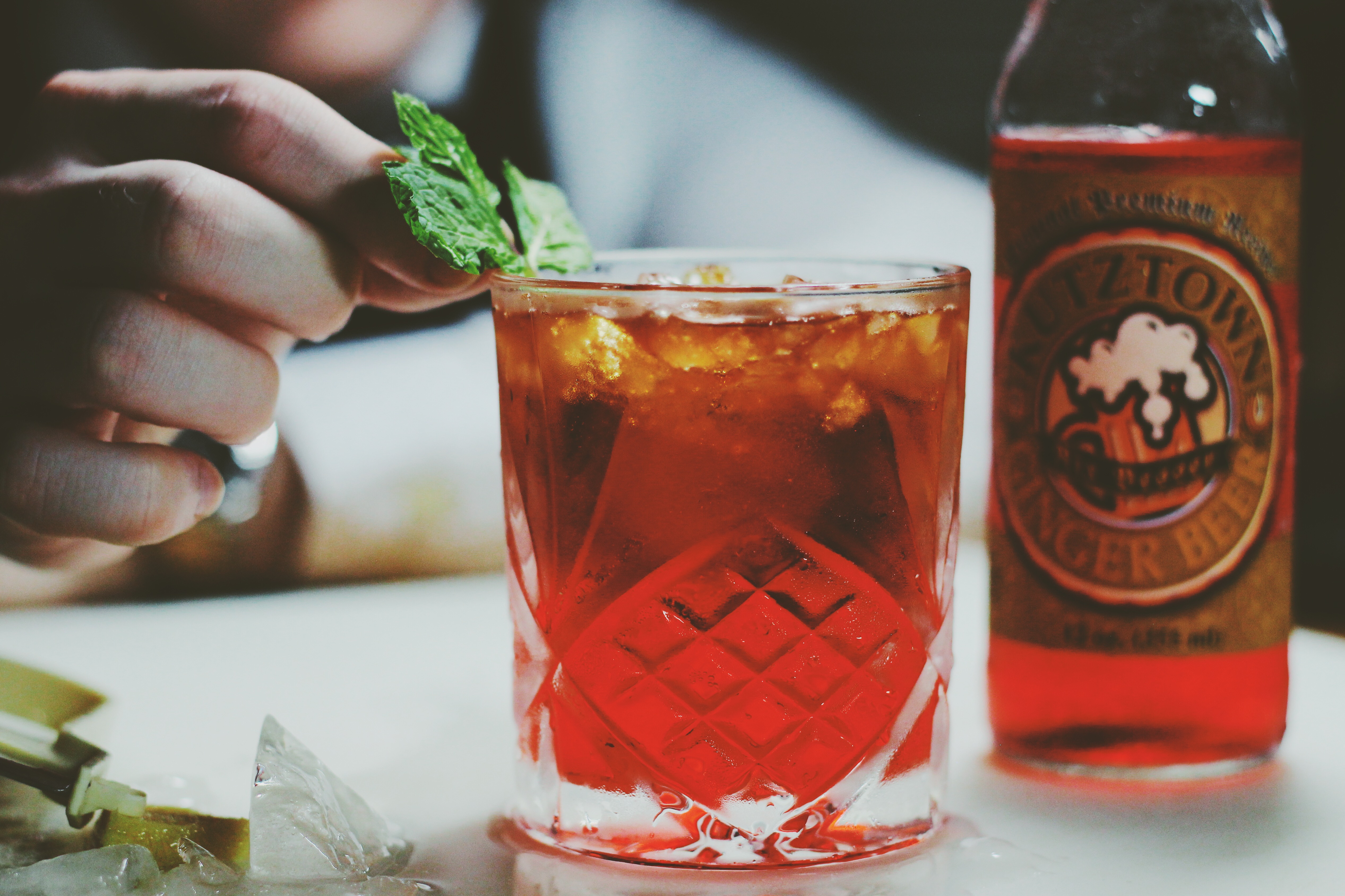
Rating: For those who aren’t quite ready for a strong ginger beer with bold spice, this is probably a good starting point. Not too spicy, but there’s just enough of it to let you know this is ginger beer. The sugar in this is a little bit stronger than its relatives and does have a tendency to cover up the richer and deeper flavor profiles ginger root possesses. But again, some will welcome that aspect. Kutztown’s ginger beer is unusually red. It looks beautiful in a glass and would make a fun party drink or mixer. For those desiring a powerful ginger beverage, this probably won’t be strong enough for you. For those looking to just get their feet wet, give it a shot. And for all of us those just looking to get drunk, this works well with a sprig of mint and your favorite liquid courage.

Dang! That’s Good: Butterscotch Root Beer

History: “It was always his dream to do a bottled root beer,” Glen Schott says of his father. And it was Schott’s father, Jack Pettigrew, who started Imperial Flavors back in 1964. To this day, the Wisconsin-based company is still a family business. Imperial Flavors has two functions: making juice concentrates to be sold to bars and restaurants throughout Wisconsin, and of course, making soda. The story goes something like this… Pettigrew had an old A&W-like root beer formula from many, many years ago. After making his own tweaks, upon having others try it, their response was “Dang! That’s good.” And the rest is history. History in your mouth. The company produces four different flavors (six if you count diet versions), but they’re most famous for their butterscotch root beer. Schott, who is the general manager of Imperial Flavors, estimates the butterscotch root beer outsells all of their other sodas by a margin of three-to-one. It was partly inspired by Werther’s Original butterscotch candies. Imperial Flavors comes up with their own soda formulas and they source as many local ingredients as possible. Cane sugar is perhaps the most important. Schott adds, “You have to use cane sugar to get that old fashioned flavor.” Even their methods are old fashioned. Members of the company will often take home products and give them to relatives, friends and neighbors to taste test. And if that doesn’t give you the warm and fuzzies, then I don’t know if we can be friends.

Where to get: Dang! That’s Good sodas are nationally distributed. Online, Amazon and Soda Emporium are your sources. You can also find them at most Rocketfizz craft soda and candy retailers. Cost Plus World Market is another familiar retailer where their products are sold.

Nose: Werther’s Original candies; creamy vanilla; sugary, earthy tones.

Taste: Creamy butterscotch; vanilla; mild carbonation; cane sugar. This is definitely more butterscotch than root beer. It’s sweet, but the butterscotch flavor is incredibly smooth. It glides across the palate like a creamy tidal wave of melted butter, sugar and vanilla. Dang! That’s Good Butterscotch Root Beer is almost like a candy root beer, really emphasizing the sweet butterscotch flavors as opposed to earthier sassafras and licorice found in more traditional root beers. This will be too sweet for some. Personally, I wouldn’t mind seeing some added earthy notes in addition to the sweetness. But this really nails the butterscotch flavor, while weaving in a nice creamy vanilla body to compliment it. There’s also some caramel undertones. The carbonation is crisp, but light and helps cut a little bit of that sweetness. Extremely drinkable and pleasant.

Finish: Deep, rich notes of toffee that fade into smooth vanilla across the tongue and into the back of the throat. The sensation is pleasant and lingers for a few seconds.

Rating: Butterscotch is a hard flavor to accurately portray as a liquid, but Dang! That’s Good Butterscotch Root Beer not only pleases the taste buds with its signature flavor; it simultaneously mixes in creamy vanilla, and sweet cream caramel flavors. It’s a wonderfully done alternative root beer. And we’re pro alternative root beer rights. Just because you’re different, doesn’t mean you’re weird. I could keep this joke going, but it’d eventually end up with people picketing outside my house. Back to the bottle. This is a sweet root beer. It’ll be too much for some people. If you enjoy sweeter sodas or root beers, this is a must-try. Imperial Beverages should be commended for nailing a tough flavor from which many shy away. Butterscotch as a flavor is ripe for a renaissance, much like maple has enjoyed the past couple years. Dang! That’s Good may be the reason other bottlers don’t even make an attempt. If you can’t beat the best… uh, do something else I guess? This is an original that’s quickly becoming a craft soda classic. Try it before others start flooding the market. This should go in your regular rotation. Excellent.

Boots Beverages: Caramel Cola

History: Mark Kristen has been around the block. He’s a veteran of the liquid business. Talking with him over the phone, his southern Texas drawl is grizzled, yet soothing. I get the sense that before talking to me, he just got done changing the tires on his tractor. Probably for fun. But Mark Kristen also runs a third generation family business called Kristen Distributing down in Bryan, Texas. His grandpa started the company in 1930 and ran it up until after World War II, at which point his father, “Boots” Kristin, took the reigns. It was “Boots” who started Boots Beverages, making seasonal sodas like strawberry, lemon and peach in glass bottles. Back then, the soda business depended on refillable bottles. But customers weren’t returning bottles for deposits. Instead, they littered the streets with them. In 1962, Boots Beverages closed down. Mark Kristen had no plans to revisit it… until a client made a suggestion.

You see, Kristen Distributing already delivered sodas, but they didn’t have the rights to distribute in the area of this specific client. “You’ve got the background,” they told Kristen. In 2013, Boots Beverages made its return with five flavors including atypical offerings like coconut cream, dewberry and caramel cola. They wanted flavors that were available back in the old picture shows of the 1950’s. According to Kristen, his company moves roughly 2 million cases of beer/alcohol and 1 million cases of non-alcoholic beverages a year. The revenue from that business creates an advantage for Boots Beverages. They can take risks. Kristen says, “I see the movement in craft as opportunity and not competition.” They make soda for fun. For the people. But they’re serious about taste. Every single flavor the company produces is signed off on by an expert sommelier. Today, we review caramel cola. Giddy up, partner.

Where to get: You can buy soda from Boots Beverages directly online from the company’s website. Their sodas are distributed in Texas and St. Louis, Missouri. Random, but true. The company is currently looking for distributors and has aspirations of eventually becoming distributed nation-wide.

Nose: Cane sugar juice with the aroma of sweet maple syrup. Unmistakable.

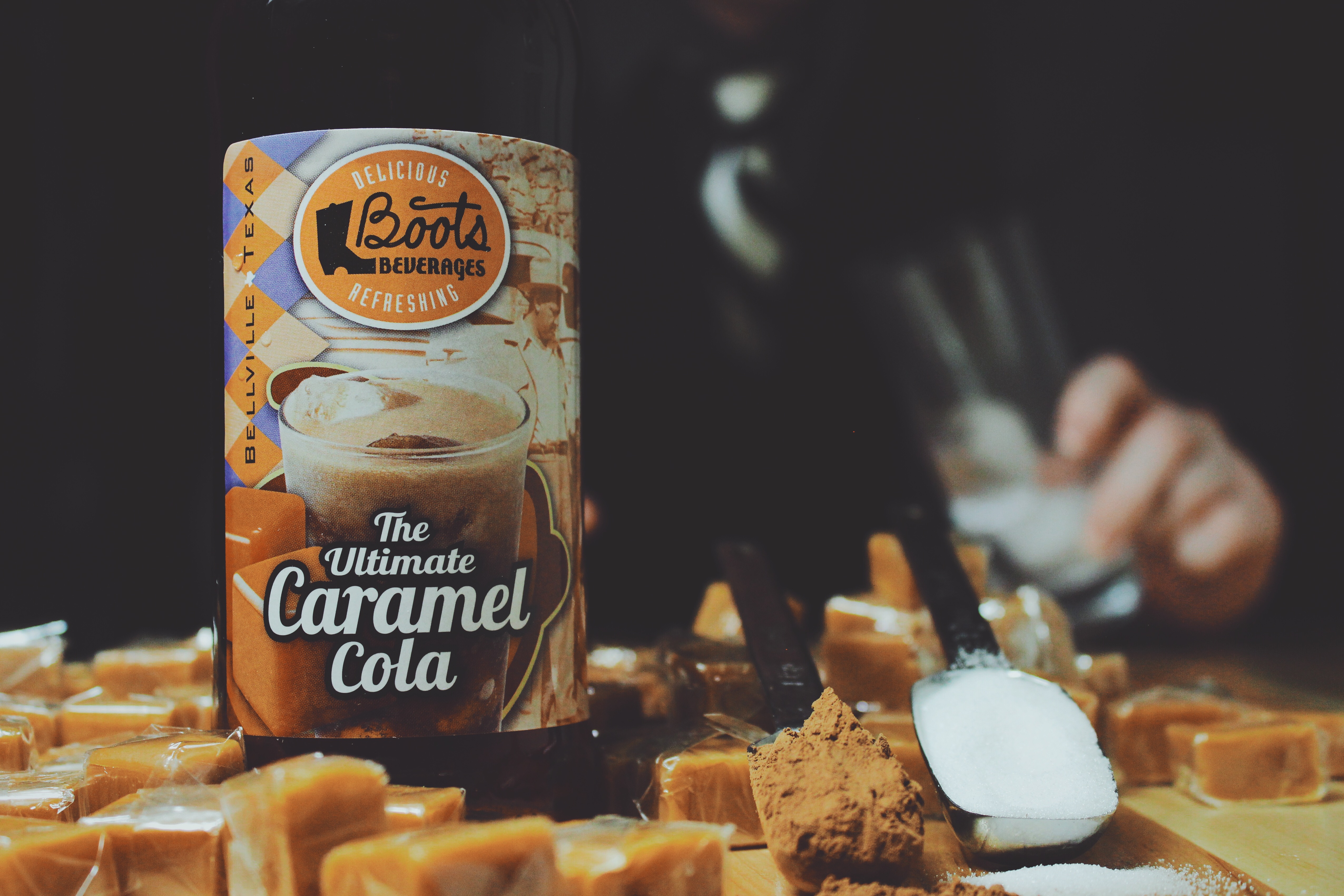
Taste: Maple syrup; sweet, mild caramel; smooth milk chocolate. The flavor profiles in Caramel Cola by Boots Beverages are distinct. Perhaps the biggest surprise is on the initial sip, something that doesn’t taste like the rest of the soda. Once your lips meet the liquid, you’re greeted with a sweet, fruity note. It’s somewhere between fig and sweet prune. It makes you think, but before the thought is complete, the rest of the soda’s flavors come through after a buffer of crisp carbonation. The body of the soda is sweet, yet defined. Like a mixture of mellow maple syrup infused with hand-pulled caramel. Purists may expect a more defined caramel flavor, but the maple notes work as a nice compliment, whether or not it’s intended. The more you drink the soda, the richer the flavors become and the more the caramel takes over. You’ll also notice undertones of milk chocolate as your mouth gets down with this thing.

Finish: Creamy maple syrup that lingers for a few seconds and transitions into a sweeter caramel than in the body of the soda. Cocoa nibs enter the picture and become more prominent than the maple as the bottle draws to a close.

Rating: Mark Kristen made it clear that Boots Beverages produces their sodas for fun. So why not swing for the fences with their flavors? Caramel cola is a rare breed in the craft soda game. I’m hard-pressed to name another. Boots has cornered the market for now, and they’ve set a high standard. This is a soda with almost two totally different flavor components for me: the initial candied fruitiness and the richer caramel/maple flavors that form the soda’s overall body. I have to say the soda’s biggest success is the unexpected deliciousness you get at the beginning of every sip with notes of fig and prune. There’s even a brief tart, carbonated bite right before the caramel and maple take over. And then it hit me: that’s the cola aspect of this craft soda. You get a fresh, fruity cola taste up front and then a milkier, richer flavor profile of caramel, maple and cocoa nibs at the back. Mystery solved. Case closed. I feel like I just completed a 24,000 piece puzzle and then immediately beat the Cracker Barrel game on the first try. Yeah, I’m single. Some may be turned off by the sweetness of this soda, but its rich flavors help distract from the sugar. Notify me if you find another caramel soda on the market. When you don’t, that should be reason enough to buy a ticket and get on this flavor train. Keep your eye out for Boots Beverages as a company on the rise in the coming years. The Texas craft soda jerks will even be introducing four new flavors in early 2016. We can’t tell you the details, but in the words of Kristen, “they’ll blow your mind.”

Barr: Irn-Bru

History: Put on your manliest kilt because Irn-Bru has made it to Five Star Soda. It’s the unofficial soft drink of Scotland, laddie. Invented in 1901 by Barr Soft Drinks, it contains 32 different flavors and is made with cane sugar. It does not, however, come in a glass bottle. A little part of the craft soda enthusiast in me died telling you that. According to Great Scot International Vice President James Wilson, only two people, the owner and his daughter, know the recipe. “You can’t really describe it,” he says, his voice almost puzzled searching for an answer. Good. This should be easy then. Irn-Bru has faced some challenges getting into the North American market. In Scotland, the original formula uses the coloring agent Ponceau 4R, an additive that is banned by the FDA in America and Canada. I know you’re not reading those, so what that really means is in Scotland Irn-Bru is a little bit darker with more of a reddish hue as opposed to the bright rusty orange color in the American version. Irn-Bru is the title sponsor for the Scottish Premier League. Wilson says in Scottish grocery stores Coca-Cola takes up about half of the shelf space. The rest is just Irn-Bru. They’re serious about it. The drink started as a tonic and to this day still contains Quinine, a flavoring agent typically used in tonic water and something that helps settle the stomach. It also contains .002%  Ferric Ammonium Citrate, which is where the “iron” flavor comes in. Irn-Bru is even rumored to be a hangover cure. “You either love it or you hate it,” adds Wilson. Let’s find out.

Where to get: You can purchase Irn-Bru on Amazon or The Scottish Grocer. Irn-Bru is also distributed nation-wide in the United States by Great Scot International in Charlotte, North Carolina. According to Wilson, pretty much any grocer with a British or UK section should likely carry it.

Nose: Bubble gum; smells very reminiscent of bubble gum cream sodas.

Taste: Bubble gum; citrus; bitterness. Though this smells and even tastes a bit like bubblegum, Irn-Bru definitely isn’t a cream soda. It’s a wave of citrus with a bite from across the pond. The flavor profile here is in three parts. First you get an orange-infused bubble gum taste that quickly evaporates and is followed by a lighter, slightly creamy orange citrus. What comes in last is bitterness. It likely has something to do with that Ferric Ammonium Citrate. That sounds good for you, doesn’t it? The sharp, bitter citrus stays on the back of your tongue a little too long for me. It’s fairly acidic, even for a citrus soda. The lads and lassies from Scotland apparently love this. It’s certainly different than American sodas.

Finish: A tart citrus that sinks itself into the back of your tongue. Leaves a little bit of an acidic taste in the back of the throat. Could be harsh for first-time drinkers of Irn-Bru.

Rating: It’s hard to nail down a rating for this soda. Its taste can be overly harsh on the first few sips, especially on the finish. It’s true. This is a love it or hate it beverage. So naturally, we’re somewhere in the middle. Sharp, acidic citrus stays in the mouth too long to make this a top-tier soda. Could just be a cultural thing. I’ve been told Americans definitely love their sweets and sugars more than the rest of the world. The initial orange bubblegum citrus flavor is fairly unique and pretty palatable. It just doesn’t last nearly as long as the tart acidity and bitter citrus undertones you get near the end. Some of that probably comes from the Quinine. How can I describe this in a way you’ll understand? Hmmm. This is like when you go on a date with that really hot dude who’s got those alluring exotic eyes, but then you start dating and realize he smells kind of like a donkey. He’s fun for a little bit, but even after he goes home, he lingers. In all seriousness, this is pretty interesting. With flavors not typically found in North America, I’d recommend giving Irn-Bru a shot simply because it’s incredibly popular in Scotland, and you should ingest some of that culture to keep yourself well-rounded. Just be careful, looks can be deceiving.

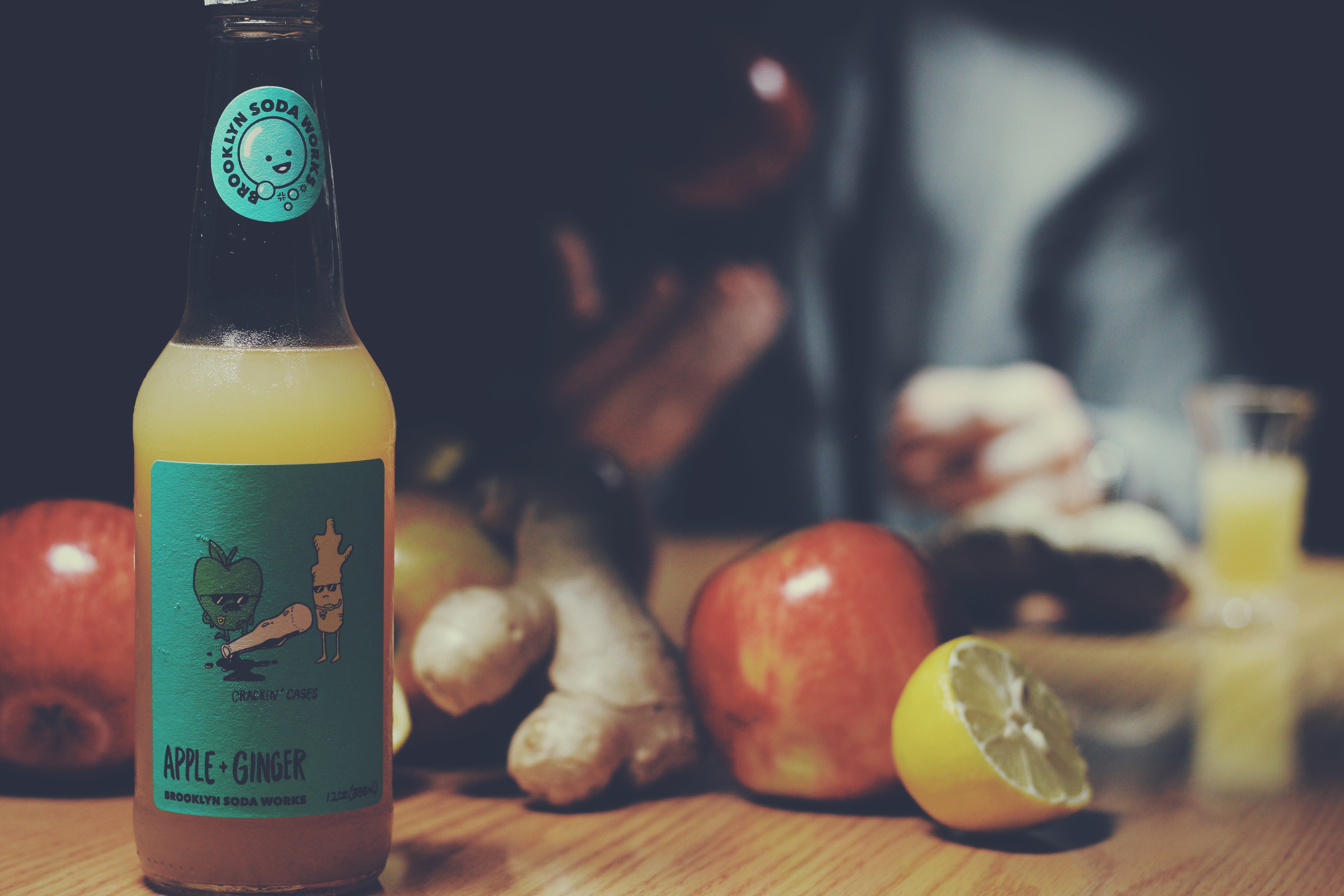
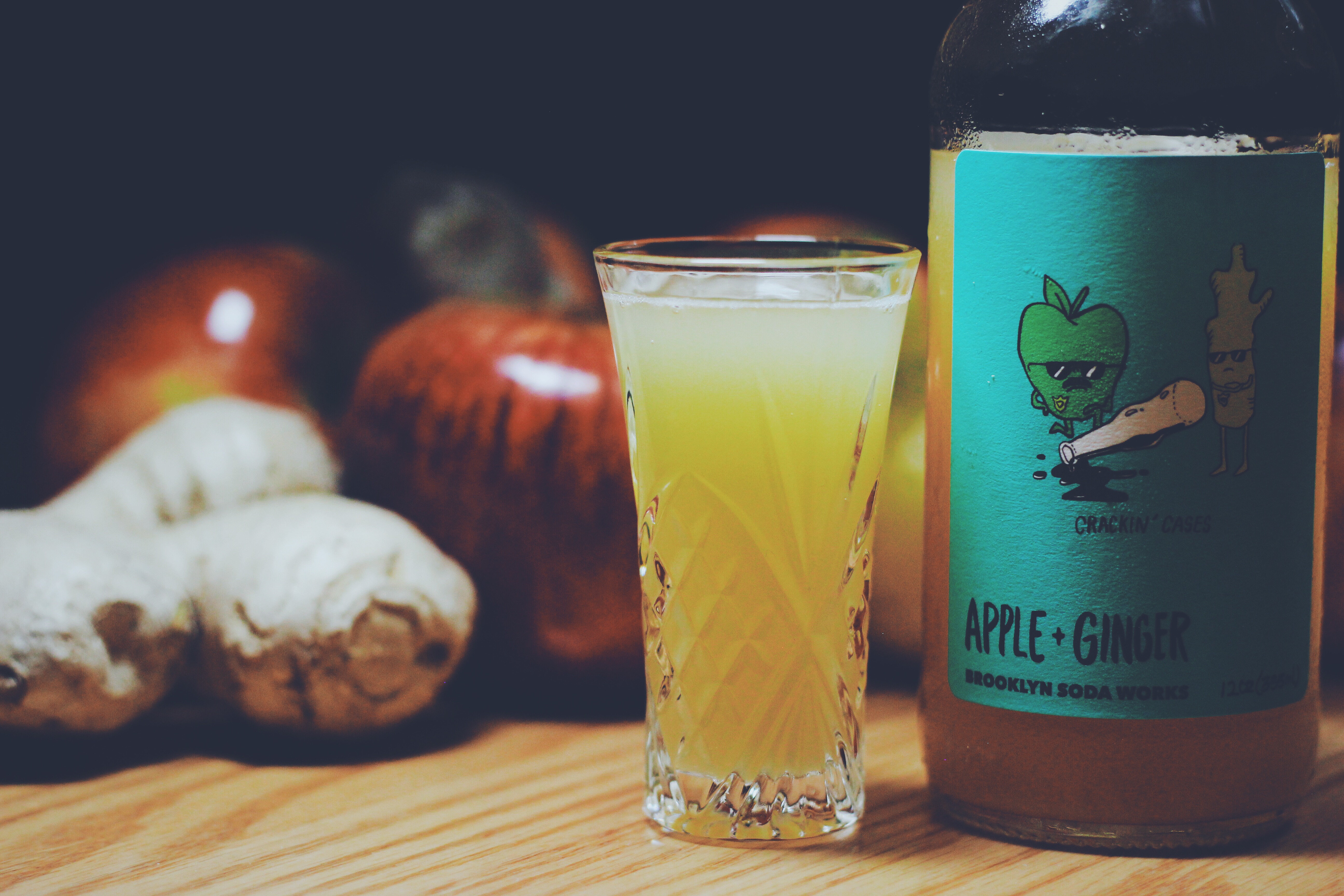
Brooklyn Soda Works: Apple + Ginger

History: This whole thing was an accident. Booklyn Soda Works wasn’t supposed to become one of the only craft soda companies in the world to use strictly juices, herbs and water. “We were just looking for the perfect mixer for our Dark n’ Stormy,” says co-founder Caroline Mak. But Mak is an artist and her partner and co-founder Antonio is a chemist. So it’s not hard to figure out how we got here. The company is renowned for its large quantities of fruit juice in their sodas. What makes Brooklyn Soda Works truly unique is that they force carbonate the juice in your soda directly, meaning they don’t use any syrups or preservatives. This also means their soda has a limited lifespan for ideal flavor and must be kept refrigerated. This is similar to the fellas at Cannonborough Beverage Company. Simply put, Caroline and Antonio are artisan soda experimenters. Since their inception in 2010, the company has churned out over 30 flavors, including hits like honey grapefruit jalapeno, fresh cucumber with a dash of sea salt and lime, and apple and ginger. I haven’t seen that many varieties of deliciousness since I lived in the dorms! Because of the emphasis on fresh produce and fruit, many of their flavors are seasonal. For Spring and Summer 2015, the company is placing an emphasis on watermelon flavors. “We cold-press the watermelons ourselves and use fresh herbs to pair the juice with (no sugar is added). The result is a super refreshing and healthy sparkling drink.” Not only does Brooklyn Soda Works use fresh juice in their sodas; they use a lot of it. And they’re proud of it: one of the business’s catchphrases is “Damn Good Soda.” We’re about to find out.

Where to get: Currently Brooklyn Soda Works’ sodas are only distributed throughout New York City. The company is working to get its online store up and running. Because of the soda’s perishable nature, everything will need to be shipped via two or three-day shipping in an insulated container. Until then, if you’re interested in the stuff, contact the company directly.

Nose: Apple juice; faint ginger.

Taste: Apple juice; mild ginger; lemon zest. On the first sip, the apple juice is immediate. Many sodas contain trace amounts of fruit juice. Apple + Ginger is rare in that it contains 71% juice, a mixture of apples, ginger, and lemons. The rest is water. Just four ingredients. There isn’t even any added sugar. For that reason, it only has a month-long shelf life. It shows in the flavor. The apples taste fresh-pressed and authentic. This is light for a soda with ginger. You can definitely tell there’s no syrup used. The ginger here is very mild and does not have spiciness to it. Some of that is probably due to the lemon juice, which gives the soda a nice citrus zing on the back end. Mixed together, the three fruits in this bottle can give off a bit of an herbal flavor at points, almost like a tea, before morphing back into mainly apple and ginger. I’m not sure if that’s intended or an indication of the flavors working together. I don’t mind it, but it may not be for some. It’s very interesting and not as spicy as expected. The ginger is the only flavor I’d like to see more pronounced. The apple and lemon work well together for a nice balance of sweet and sour. Despite not adding any sugar, the sweetness from the fruit really stands out as a high point. Overall, very refreshing and balanced.

Finish: Light ginger with a lemon twang that lingers on the back of the tongue.

Rating: This is a pure fruit soda. With only four ingredients and void of added sugar, the soda maintains a nice sweetness from the apples that balances well with the citrus of ginger and lemon. Apple is the standout flavor in this bottle, but the lemon here is really well done. Though the ginger could have been more pronounced, you never know how that might affect the overall flavor profile. This is definitely a summer soda to be enjoyed with minimal clothing and warm weather. It also mixes really well with booze. The apple, ginger and lemon flavors at times meld to form some herbal tea-like notes on the palate, so be warned if that isn’t your thing. What Brooklyn Soda Works did best here is create a soda that tastes authentic and refreshing. It’s fresh. So fresh, it lasts only for a month at its peak flavor offerings. Overall, this is definitely well-done and worth a shot. Wait until the weather warms up just a smidge more, bust out your crop tops and weird shorts… or whatever the hell you hipsters wear these days, and brag about how you’re only drinking organic craft soda today. You won’t make any friends, but your taste buds will thank you later.

Ski Cherry

History: Ski is one of the most well-known names in the retro soda business. It’s been the flagship citrus beverage of Chattanooga, Tennessee’s Double Cola Company since 1956. But unlike most citrus sodas, this one is lemon and orange instead of lime. The company actually uses real lemon and orange juice in each soda, something fairly uncommon for larger brands. It was 1996 when Ski Cherry made its debut. Unlike most craft sodas, this one does contain caffeine. Now here’s an important distinction to make: Double Cola markets a majority of Ski in cans and plastic bottles with more modern labels. That version of Ski is made with high fructose corn syrup. However, their “nostalgic packages” in glass bottles are made with pure cane sugar. Ski Cherry (the bottle we’re reviewing) is made with pure cane sugar. The high fructose version of Ski Cherry is actually called Ski InfraRed. Confused yet? Think of it this way: Ski Cherry is your cute neighbor who is au naturale. Ski InfraRed is your new, cute neighbor who’s nice to look at because she’s full of silicone… err, corn syrup. Get it? If you don’t, you could just get drunk because according to the St. Louis Post Dispatch, Ski has a reputation has a hangover cure.

Where to get: Ski Cherry can be found at many Rocketfizz retailers across the nation. You can also purchase it online at Soda Emporium.

Nose: Like when you were a kid and poured every soda in your fridge into a cup. In my day we called them suicides. This is like that: swampy smelling. There’s definitely a cleaning fluid smell to this. Hopefully it’s deceiving.

Taste: It wasn’t deceiving. Bitter; pungent; old citrus. Ski soda is known for its mixture of lemon and orange, but this really tastes more like lime than anything else with some cherry flavoring added. Tastes very artificial. Usually cane sugar sodas are sweeter. This could use some sweetness. It could use anything, really. This is supposed to be an alternative to Mountain Dew. The two don’t taste all that similar. Whereas Mountain Dew has a crisp citrus taste, this is more of a dull citrus flavor with a pinch of cherry at the end. The cherry isn’t too bad, but isn’t prominent enough to stand out on its own. Ski Cherry shocks the taste buds not with a tangy burst, but with a lack of refreshing flavor so often found in citrus drinks. If you’re sensitive to caffeine, be warned, this is a soda that contains a caffeine punch. Most craft sodas do not contain caffeine. This one gave us a headache.

Finish: Lingering lime with a hint of orange. Not as harsh as the body of the soda. Probably this bottle’s only redeeming quality.

Rating: Ski’s tagline is “Real lemon. Real Orange. Real Good.” Coulda’ fooled me. Nothing about this tastes authentic in the slightest, nor do I taste any lemon in this soda. It’s more like a dull lime taste with faint artificial cherry and orange. It smells like chemicals and tastes only slightly better. Listen, I’m not trying to blatantly trash this. There are people out there who like it. Thirsty Dudes gave this four bottles out of five. They must’ve been really thirsty. It does have a decent finish and the cherry flavor near the end of each sip is fine. Citrus soda drinkers, yeah, go ahead and give it a shot if you wish. Maybe you’ll find its redeeming qualities. Maybe we got a bad bottle. But more likely, this just isn’t our thing. If you don’t like citrus, you can skip Ski Cherry and it’s fake brother Ski InfraRed. The name doesn’t exactly have me volunteering to put it inside my body. “Sir, would you like to drink this infrared liquid?” “Why yes! I’ve been wanting to go to the hospital!” I think this would be a wonderfully-scented toilet cleaner, but it comes up short as a soda.

Drink More Good: Cassia Kream

History: Craft soda is hot right now. You know what the hottest trend in craft soda is right now? Craft soda… syrup. That’s right, do it yourself! Don’t be a slave to the confines of the man and his portions on taste! Just add some seltzer water and poof! Drink More Good by Jason Schuler started in 2012 to “make this world a better place.” A Bold statement. But one that has a noble explanation. The company has partnered with generosity.org in an effort to help make clean water more accessible across the world through sustainable water wells. In 2014, Drink More Good raised over $14,000 toward the cause. And that’s great. But you’re more interested in what goes in your mouth. And in this case, it ain’t water. Well, actually, it mostly is. Drink More Good makes three different soda syrups. Perhaps the most unique is the one we sample today: Cassia Kream. It’s sort of a hybrid cola/cream soda, leaning more toward the former. Schuler is proud of his creation. He says, “When colas were made with real ingredients, you would have found coriander, star anise, lavender, citrus, and roasted kola nut in a lot of those recipes. I started my spice blend here, then added cinnamon and vanilla.” So there’s a lot going on in this baby. Schuler’s Drink More Good was a 2014 finalist for the Martha Stewart American Made Awards. He adds, “We’re bringing soda back to what it was. Everything you’re tasting is a real herb or spice that’s been crushed by me in an eight inch mortar and pestle” (in his retail spice shop).

Where to get: Drink More Good is sold online through the company’s web site. Bottles can be purchased individually or as a three-pack.

Nose: Raw, organic honey; anise.

Taste: Lavender flower; honey; cane sugar; mild anise; cinnamon and vanilla. There’s a very distinctive organic honey taste to this. It’s very pleasant and refreshing, almost relaxing. The only thing is… there’s no honey in Cassia Kream. So what we’re really tasting is cane sugar being transformed by the spices in the syrup and how they blend with the seltzer water. Lavender is very apparent and soothing. Cinnamon and anise come in next, though the anise isn’t too overwhelming like in some root beers. Often, this almost tastes like a sweet herbal tea with the addition creamy vanilla. It has a very distinctive flavor and the use of spices here are mesmerizing to the tongue. There’s even the faintest hint of lingering orange throughout the body of the drink. A relaxing honey taste is what rises above everything else. If you told me this didn’t actually have honey in it without showing me the ingredients, I wouldn’t believe you.

Finish: Less honey and more cane sugar that fades into mellow cinnamon and anise star. All of this is carried along by a wave of underlying vanilla and citrus that accentuate the flavors they’re carrying.

Rating: Cassia Kream isn’t your every day cola, but in the world of craft soda, every day cola is a thing of the past. Schuler’s starting point of traditional cola and label of “kream” have landed him elsewhere in a foreign, yet flavorful paradise of herbs and sweetness. It’s kind of like when you’re on Tinder and swipe the wrong person, but it works out in your favor. Trust me, this rarely happens. I would know; I’m often on the wrong end of it. But rare wonders do happen and Drink More Good has created a rare wonder. Cassia Kream does not taste like cola. It does not taste like cream soda. It’s truly on its own island of originality. Think flavors and not necessarily ingredients – this tastes of sweet honey and spices to form a highly drinkable herbal tea-like soda with undertones of vanilla. That’s the best description I can give for something that truly needs to be experienced to understand. Notes of cinnamon, citrus and anise are all apparent throughout the body of the soda, while a rich raw honey taste brings it all home. Wild, earthy and full of flavor. If you were anti soda-syrup before reading this, I hope we’ve at least opened you to the possibility. Drink More Good, you should.