fivestarsoda.com

Santa Vittoria: Limonata

Santa Vittoria Limonata 1History: When talking about the culinary capitals of the world, you’ll hear several cities in Italy mentioned. Florence, Rome, Bologna. Food is basically a religion in Italy. One culinary element you might not automatically associate with the Italians: soda. Santa Vittoria is attempting to change that notion. You’ve heard of Italian soda, but this review today is literally a true Italian soda. Santa Vittoria bottles all of its soda in Italy and offers four flavors: chinotto, aranciata, aranciata rossa, and limonata. First and foremost though, Santa Vittoria is known for its premium mineral water. The company saw soda as an opportunity to offer another high-end product, particularly in restaurants and cafes. “The inspiration behind launching a range of Italian Sodas stemmed from the desire to provide a total product offering for our clients who strive to serve the best beverages in their venues,” says Santa Vittoria Senior Marketing Manager Josh Passaro. Americans might already detect the similarities between Santa Vittoria and San Pellegrino Sparkling Beverages from the name to the flavors to the nutritional information. If you’re in this boat, on the surface, you’re not wrong. What stands out about Santa Vittoria sodas, Passaro says, is that they “contain 12% fruit juice, no preservatives and are combined with sparkling Italian water.” So in essence, you’re kind of getting the the water for which they’re known for free. It’s like a buy-one-get-one sale where you don’t resent yourself after leaving the store. In terms of popularity, Passaro says chinotto (bitter orange) and aranciata rossa (blood orange) are the top sellers. For all this talk about Italy, here’s a delicious little fact: Santa Vittoria, while bottled in Italy, is headquartered in Sydney, Australia and distributed in Italy, Australia, New Zealand, and portions of the Asia Pacific region. And now it’s reached America. Soon it will reach my mouth.

Where to get: According to Passaro, Santa Vittoria is mostly sold at physical locations. You can also purchase Santa Vittoria Soda online here and here. Americans, your best bet is emailing the company.

Nose: This is a lemon soda, but it definitely smells of musky lime.

Taste: Tart citrus; pungent lemon; mild sugar; light carbonation. On first sip, you get slammed with intense citrus and lemon, and then a small wave of light bubbles. The citrus element is where you’ll taste a little sugar, while the lemon is bold and tart. There’s a sharp acidity to this. You could even call it astringent. This is noticeably more bitter than American citrus sodas, but calling this a citrus soda would be incorrect. This is unmistakably lemon soda. The lemon is tart and acidic, leaving a bite on the back of the tongue. You can certainly taste real lemon juice in every sip. You do get a little hint of lime throughout the drink, but we’re uncertain if it’s actually an ingredient. The sugar is mild. Santa Vittoria really chose to highlight bitter notes with Limonata.

Finish: Mostly tart lemon that tastes authentic with a little bit of lingering sugar. Highly acidic and might sting the tongue on some drinkers.

Rating: The Italians love their citrus fruits. The entire Santa Vittoria soda line is based on them. So we went with traditionally the harshest: lemon. The company’s Limonata soda definitely captures the essence of what you’d think a carbonated lemon would taste like in liquid form. It’s tart and bitter. There’s a sweetness, but it’s really an afterthought when assessing the soda as a whole. I think it would be fair to compare this to San Pellegrino, which I’m sure may have already crossed your mind. What you’re going to taste here is lemon, and to a lesser degree, citrus. The lemon tastes real and it is; you can literally see the pulp in every bottle. It’s also strong and reminds me of squeezing a real lemon with sugar on it into one’s mouth. The citrus element is sweeter and tastes like a combination of lime and faint grapefruit. Santa Vittoria’s Limonata isn’t going to be for everyone. The sour notes might make your face muscles tighten up harder than a botched Botox session. On the flip side, for those who enjoy a bitter soft drink, this should be right up your alley. Compared to American sodas, this one really feels European and has a lot of the calling cards: mild sugar, tart notes, bold fruit flavor, and lax on carbonation. Personally, this is a little bitter for my tastes. I wouldn’t mind seeing the sugar dialed up a bit. The tart lemon works really well. It just needs an element to help reign it in. But for a lemon soda, this is very solid. It really nails the main flavor. We’re just not quite certain how ready America is for it.

Glam Cola

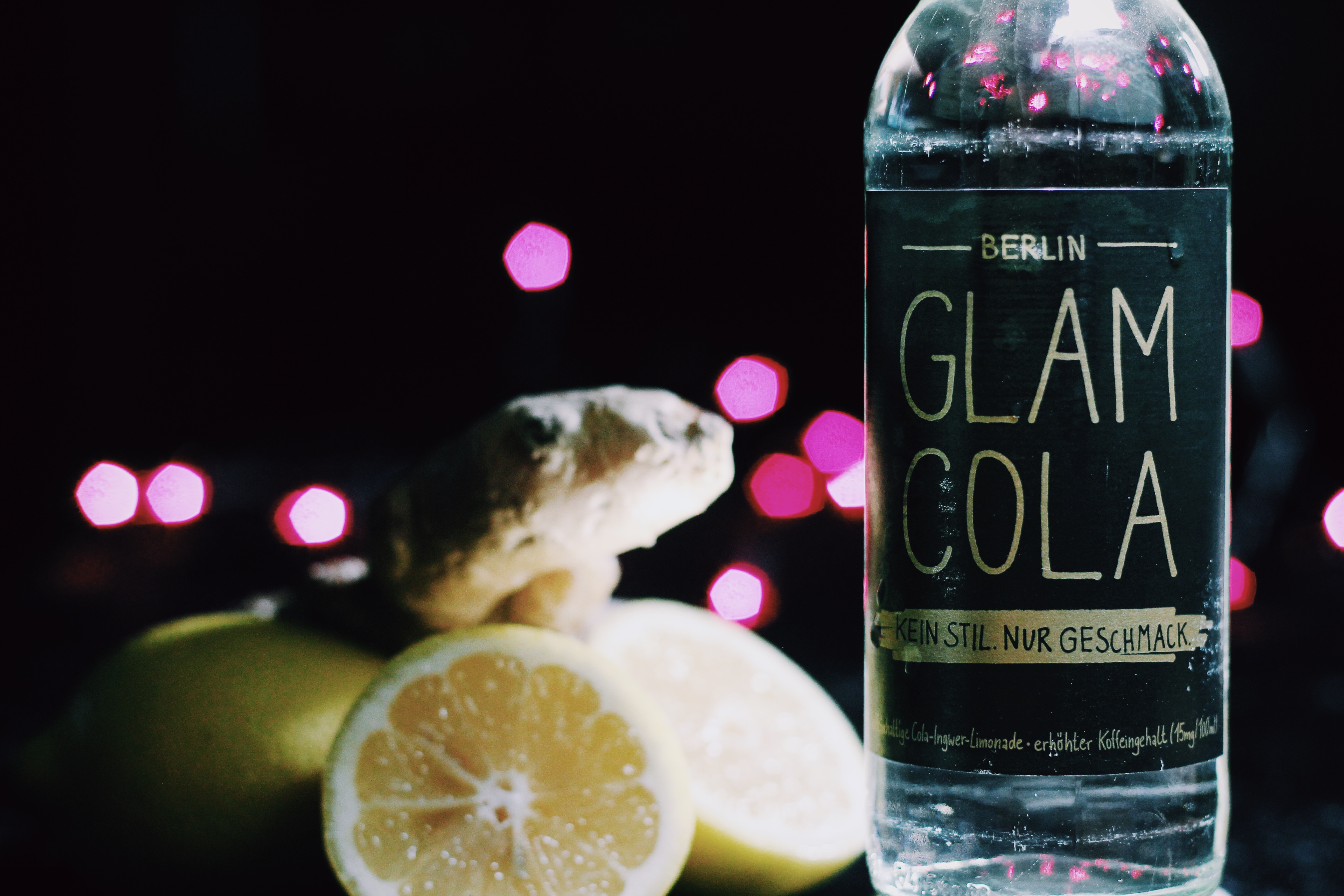
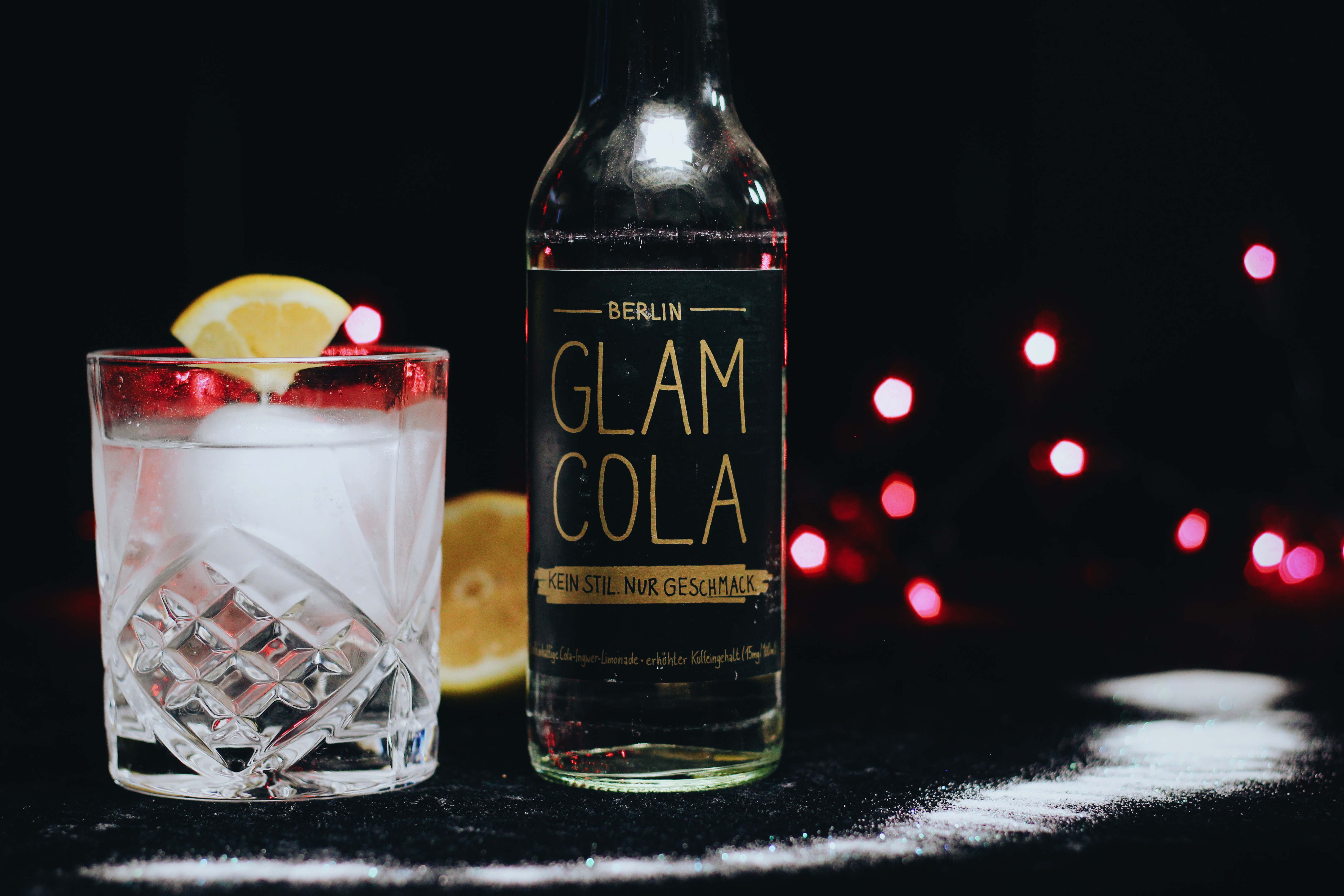
History: Nermin Çelik wanted to invent a soda that existed, in her own words, “in this realm between weirdness and brilliance.” Çelik and her family live in the Kreuzberg district of Berlin, Germany, a flashy area that inspired the name “Glam Cola.” It’s a clear cola that might remind a few readers of Crystal Pepsi. But Glam Cola is designed to taste “fresh and more elegant than common cola,” says Çelik. You can’t have a soda called “Glam Cola” and not explain the name first. But the inspiration behind the soda’s creation came from Çelik’s children. She notes “I saw them drinking it in alarming quantities and the huge amount of sugar worried me.” Newsflash: it isn’t just America where soda has a bad reputation. Unable to find a replacement that satisfied her motherly standards, Çelik decided to make one herself and by March 2013, Glam Cola hit the market. Looking at the label, Glam Cola is an interesting mish-mash of flavors: cola, lemonade and ginger. It’s also devoid of phosphoric acid and contains a large amount of caffeine at around 53 mg in a 12 oz. bottle. This is very similar to Mountain Dew. So, low sugar and lots of caffeine. Yeah, definitely sounds like a soda for kids. Glam Cola is not made with cane sugar and instead uses fructose (not high-fructose corn syrup… there is a difference). Another big marketing point for the soda is that it’s vegan-friendly. Çelik adds “Glam Cola is not only vegan but also halal and kosher.” I think this also makes it the most politically correct soda on earth. Çelik is currently at work on new flavors, including rose and lavender. No word on how glamorous those flavors will be, but we’re about to get pretty with the original.

Where to get: For a list of where to purchase Glam Cola, check out the store’s online locator. The brand is in the midst of expanding sales to Eastern Europe, Russia, and China. At the time of this review, Glam Cola is not sold online. If you are outside of Germany, your best bet is to contact the company.

Nose: Traditional cola; mild lemon; light cinnamon.

Taste: Bitterness; cinnamon; lemon. This is quite bitter for a cola. It has a very nontraditional taste. Surprising considering it smelled quite a bit like cola with notes of lemon. And there is definitely some lemon in this that you can taste, but there’s also ginger and I don’t quite taste that element considering how powerful ginger typically is in soda. Some of that bitterness may come from the ginger and lemon, but I think what you’re primarily tasting here is actually the caffeine. We all know caffeine can make you hyper, but most of us don’t know what it tastes like. Raw caffeine is very bitter. It really comes through in the flavor profile here. There’s no cinnamon in this, but the combination of the cola and bitterness create a flavor that’s very similar. Overall, this is nothing like an American cola. It isn’t particularly sweet and is noticeably bitter.

Finish: Bitter cinnamon with mild, traditional cola notes.

Rating: Glam Cola is a clear cola that tastes way outside the normal realm of what’s expected from this particular category of soda. The label of “cola” evokes a certain expectation of flavor and this is nothing like anything to which you’re accustomed. Sodas outside of America are often less sweet and more bitter. This certainly fits that bill. We were told the primary elements in this are cola, lemon and ginger. You definitely taste traditional lemon and cola influences, though they’re both subtle. What isn’t as subtle is the bitterness. It’s harsh. The combination of ingredients creates a cinnamon flavor that when mixed with the lemon and cola notes, just enhances the soda’s overall bitterness. Americans are likely to be turned off by the lack of sugar. I mean, look at how many of us have diabetes. The flavors just didn’t work for us. It’s as simple as that. Glam Cola has a fancy name and a foreign flavor that doesn’t beg for a second date. She’s the beautiful German vixen you found at the club in stilettos and a sequin dress, but just doesn’t have much personality. Now, any fans of bitter sodas out there should give this a shot the next time your travels take you to Deutschland. As for the rest of you, looking will tide you over. Glam Cola is beautiful to gaze at, but its flavor isn’t so glamorous.

Joia: Pineapple Coconut Nutmeg

History: There is an undeniable link between the craft beer and craft soda movements. No one would debate you if you argued micro-brewed IPA’s, stouts, and lagers led to the renaissance of soda and sparked the craft and gourmet trend in soft drinks. But what about cocktails? One could argue there’s more creative wiggle room in that atmosphere and more flavors for mixologists to morph. Former Kraft and General Mills marketing executive Bob Safford certainly thought so. Now Bob Safford doesn’t drink. Still, he saw all these herbs and spices and flavors going in to unique, artisan-based cocktails and thought, “why not soda?” Well, if you want something done right… you know the rest. Not an expert an soda, Safford connected with Joe Heron, who did have a background in carbonated beverages. And in 2010, Safford founded Boundary Water Brands as a starting point to refine his ideas for a sophisticated craft soda with, in his words, “complex, adult-oriented flavors.” “For Mark, it was highly personal,” said Joia co-founder and mixologist Carleton Johnson. A year later, Joia All Natural Soda was born in Minneapolis, Minnesota. The name, pronounced “Joy-a,” was created with the intent of expressing the company’s passion and joy for their products inside each bottle. Joia launched with four flavors that were whittled down from over 100(!) recipes. Today there are six and all of them incorporate combinations of fruits and spices and are void of “preservatives or stabilizers. Nor are there any artificial ingredients or flavors.” According to Safford, the sodas are complicated to keep stable during production because they contain so many different elements. Sounds a lot my wife at the end of every month. According to the Minneapolis/St. Paul Business Journal, in 2011, BevNet named Joia the soda of the year. We chose to review their Pineapple Coconut Nutmeg because who doesn’t like to get a little tropical when it’s hot out? One thing we like about Joia is their commitment to quality. “I believe that the majority of beverages that are consumed will always be about taste and refreshment… and that’s where Joia excels,” says Safford. It’s a good start; now let’s see what our mouths think.

Where to get: To find the nearest physical outlet to you where Joia is sold, use the store’s online locator. For the rest of us, Amazon and Soda Emporium have the hook up online.

Nose: Pina Colada; pineapple juice; coconut oil.

Taste: Pineapple; coconut; citric acid. This tastes like a liquid piña colada. The pineapple-coconut combo that forms the basis of most piña coladas is definitely prominent. Pineapple is up front. There’s a little bit of a bitter bite to it that I’m guessing is the nutmeg’s influence. Coconut comes next, infusing itself into the pineapple and creating that signature tropical flavor. The coconut stays long after the tart pineapple colada flavor fades and has some creamy notes attached to it. The carbonation is full of petite, little bubbles that help intensify the soda’s citric acid. The nutmeg is subtle, but you’ll take away the pineapple-coconut flavor most from Joia’s tropical elixir.

Finish: Tart pineapple-coconut that fades into a creamy, sweet piña colada flavor.

Rating: I often find myself fantasizing of lounging on the beach, staring at models, sipping on piña coladas, not worrying about my diet and letting the beads of sweat drip off me, forming a puddle of satisfaction in the sand. Then I remember it’s Monday and my 350 pound boss waddles in and pushes my deadlines up because that’s life when you aren’t on the beach. Joia must know these things. They’ve created a soda that transports you to a tropical paradise from any average setting. Pineapple Coconut Nutmeg exhibits a bold, tart pineapple flavor before transitioning into traditional piña colada and finally fading out with creamy coconut. The nutmeg is a minor player, but it adds a tartness to the pineapple and some nuttiness to the coconut. Fans of pineapple, coconut or piña colada flavors will love this little slice of bottled paradise. One area we think there could be improvement in is that tartness I mentioned. The citric acid in this is strong at some points. I think if that was toned down, the tropical flavors would shine more and the subtle flavors would be more apparent in the profile. Not everyone will be a fan of its tropical fruit flavors, but those who like fruity soda aren’t likely to be disappointed. Coconut and pineapple are both underutilized flavors in the world of craft soda, and as more and more natural sodas continue to pop up, companies will be looking to Joia as a blueprint. Drink this over ice with a straw or chilled straight out of the bottle. Hot weather is also an ideal pairing. And if you’ve had a Monday like me, throw some rum in there. Enough of those and you’ll be daydreaming of beaches and models again in no time.

Zuberfizz: Key Lime Cream Soda

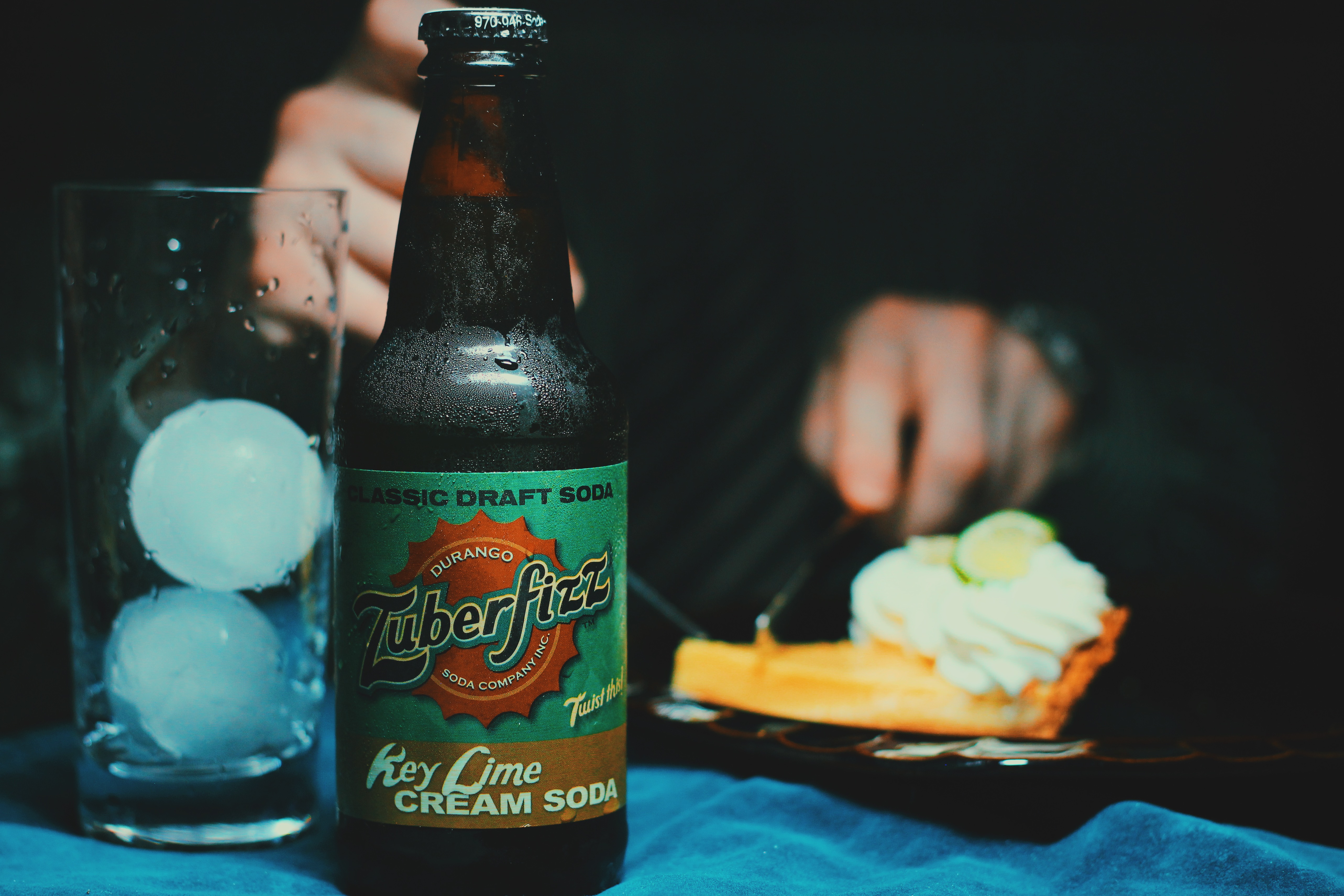
History: Little did a couple college roomies know way back at Colorado State University that they’d open a little soda operation that would bloom into a nationally-known brand. But that’s exactly what happened to Banden Zuber and Dan Aggeler. The two opened Durango Soda Company in 2002 and used the former’s last name to create the Zuberfizz Soda brand. Honestly, it seems like it was probably an easy choice to us. Aggeler sounds like some type of farm tool and Zuber sounds like the last name of a superhero. Just sayin’. After trying their hand at craft beer, the business partners realized they were a little too late to that game because Colorado already had enough beer drinkers and more than enough brewers willing to feed their bad habits. The two wanted to stay in liquid. Zuber said he thought to himself that soda “had the same footprint as beer.” And off they went, first introducing root beer and then cream soda. Today, the company boasts eight flavors, including some wild ones like Coco Fizz and Key Lime Cream Soda. The latter sounded so weird that we had to indulge ourselves and everyone else. It’s been thirteen years since the company’s inception and Zuber and Aggeler still hand brew every batch of soda themselves with cane sugar and ingredients of the “highest quality.” That’s the kind of mom and pop shop mentality we dig.

Where to get: Zuberfizz’s main distribution is found throughout Colorado and the four corners region. However, it’s also commonly found in Rocketfizz retailers. And if neither of those work, get your Key Lime Cream Soda fix at Summit City Soda, Soda Emporium, or Amazon.

Nose: Strong lime notes; the more you inhale, the more a menthol smell comes through. Interesting because, obviously, there is no menthol in this.

Taste: Lime; faint licorice; light creaminess. This neon green soda slams you with strong lime up front that immerses itself on the palate. It’s bold. So bold, it might overwhelm some. Eventually, the lime gives way to a subtle citrus creaminess that’s still mostly lime, but not before a flash of licorice dances on the tip of the tongue. It doesn’t specify on the label, but I’d be willing to bet that there’s no licorice in this, so it’s interesting that flavor profile is showing up. Again, it’s an acquired taste. To be clear, the creaminess is extremely brief. You’d have to really be looking for it. This definitely tastes more lime than key lime, but unless you eat a lot of key limes or key lime pie, that probably won’t matter to you. It definitely isn’t like key lime pie in a bottle, though that didn’t stop us from enjoying a slice with it. The traditional vanilla cream soda flavor you’re used to doesn’t show up here even in a vanilla-citrus variety. This is mostly lime all the way through that tails off into a lighter version of the initial bold flavor. The cane sugar in this is noticeable and done well, not distracting from the citrus.

Finish: Lime that seemingly increases in sweetness, but not creaminess. Nothing too complicated.

Rating: Zuberfizz set out to do a unique flavor here with a key lime cream soda, but I’m not sure they totally captured that essence. They’ve definitely nailed the lime aspect, but this soda lacks the smoothness and really the creaminess that cream sodas typically possess. I’d be a lot more comfortable with this if it was just labeled “Key Lime Soda.” I think that’s way more accurate. Regardless, the lime flavor isn’t overbearing. It tastes a little artificial, but Zuberfizz does a really good job balancing the cane sugar in this soda, and that really holds together its drinkability. It didn’t really do it for us, but I wouldn’t call this bad. It’s just different. It’s like the weird guy from high school in the back of math class who never talked, but surprised everyone with that really cool solo dance at homecoming, so everyone is cool with him. This is a bit of an oddball, and won’t be for everyone, but there’s something likable about it. We probably won’t be revisiting it, but flavors like this are so rare that we have to recommend you give it a shot and see if your taste buds disagree. Plus, thes neon green, antifreeze-esque color is mesmerizing. If you drink a whole six pack of these, let us know if you develop any super powers.

Top Note Tonics: Ginger Beer

History: Mary Pellettieri was growing increasingly tired of the soft drink selection in restaurants. It was always the usual brands. No creativity. No variety. And seemingly no room for improvement. She disagreed. She wanted to dial the clock back and return to the days of flavored tonics, something a little more bitter on the palate. Italian sodas, another bitter soft drink, were a major inspiration. When you think tonic, let’s be real, you think alcohol. But based on her background in beer, her desire might not seem so surprising. In 2014, Pellettieri founded Top Note Tonics in Milwaukee, Wisconsin, an all-natural artisanal tonic and soft drink mixer company. “People forgot tonics could be used in the soft drink category,” she notes over the phone. Top Note Tonics lives the best of both worlds, serving both the craft cocktail and soft drink markets, though admittedly, it gets more mileage from booze. If you’re a soda fan, Ginger Beer and Bitter Orange are the two flavors most likely to stand out. Just add a couple ounces of syrup to eight-ish ounces of seltzer water and you have a do-it-yourself craft soda. If you’re into booze, try the exotic spice-infused Indian Tonic or the company’s most popular Gentian Tonic. Pellettieri recalls how difficult of a process it was making all-natural syrups with premium ingredients. Often soda companies work with what are called “flavor houses” to get their syrups tasting just right without using expensive ingredients. Pellettieri says many flavor houses are hesitant to innovate and that Top Note Tonics was unwilling to compromise on the quality of its ingredients, making any kind of partnership difficult. “We don’t use any fake ingredients. Everything that we use is derived directly from an herb or a natural extract we work with,” she adds. You also won’t find any preservatives in Top Note Tonics. Because Ginger Beer is so hot right now, and because it seemed like the syrup with the most logical connection to craft soda, we chose that one to review. The ginger beer came in the company’s second wave of flavors and is made with lots of fresh ginger, prunes, grapefruit peel, and a Belgian candy sugar often used in beer brewing. Sign us up. We’ll sign you up too. Maybe.

Where to get: Top Note Tonics are available to purchase online here. If you’re in the Milwaukee area, you can buy Top Note Tonics at Sendiks, Groppis, and Outpost stores.

Nose: Out of the bottle, there’s a musky ginger smell going on. When mixed with the seltzer water, the smell becomes much sweeter and more like a traditional ginger beer.

Taste: Citrus; ginger; spice. There’s a definite citrus note to this on the first sip. Yes, you can taste the ginger immediately, but it’s paired with a citrus element. Top Note Tonics’ Ginger Beer is made with grapefruit peel, so that’s likely what you’re tasting. The ginger has a little bit of heat to it, but nothing that’s going to overpower anyone. Like on the smell, the ginger flavor to this is a bit musky, but it’s accompanied by an unusual sweetness. Likely, this is simply due to the way the ingredients interact, but I taste a little bit of burned brown sugar in here to go along with the ginger. That could be the Belgian sugar coming into play. It’s a different type of sweet. Definitely an earthier ginger beer with a little bitterness.

Finish: Bitter grapefruit and ginger notes.

Rating: Let’s just call it like it is: most soda purists approach craft soda syrups with a lot of hesitation. Bottled soda feels safer, and more importantly, it’s less work. I have to walk all the way to the fridge and add WATER to this? What if I mess the proportions up? What if I don’t even like the recommended recipe? People are willing to think out strategy, but much less inclined to actually take a few more steps to ensure refreshment. It’s just the way we are. Why do you think Netflix and pizza delivery are so popular? That said, Top Note Tonics has managed to make a ginger beer syrup that when added with seltzer water, forms a very serviceable soda. If someone poured the right combination of water and syrup into a bottle and served it to you, I’d seriously doubt you’d know this began as a bottled soda syrup. The ginger spice is mild, probably a four or five on the heat scale. That gets paired with some semisweet grapefruit notes and a distinct, earthy sugar flavor. You’ll taste a little bit of bitterness at the end of every sip. When paired with rum, this makes a tremendous dark and stormy. On it’s own, it’s solid. I’d prefer the ginger to be a little bolder and the sugar to be crisper. But the more and more you drink it, the more you like it. Here’s what I did would do: drink one on its own as a soda, then four one with rum and pass out see what you think. The grapefruit goes a long way in supplementing the lack of heat in the ginger. It really adds some nice citrus flavor to a ginger beer that needed a companion flavor. The two elements work well together. Even we at Five Star are cautious when it comes to soda syrups, but we’re here to tell you that this one can come over and stay the night. Let it show you a good time.

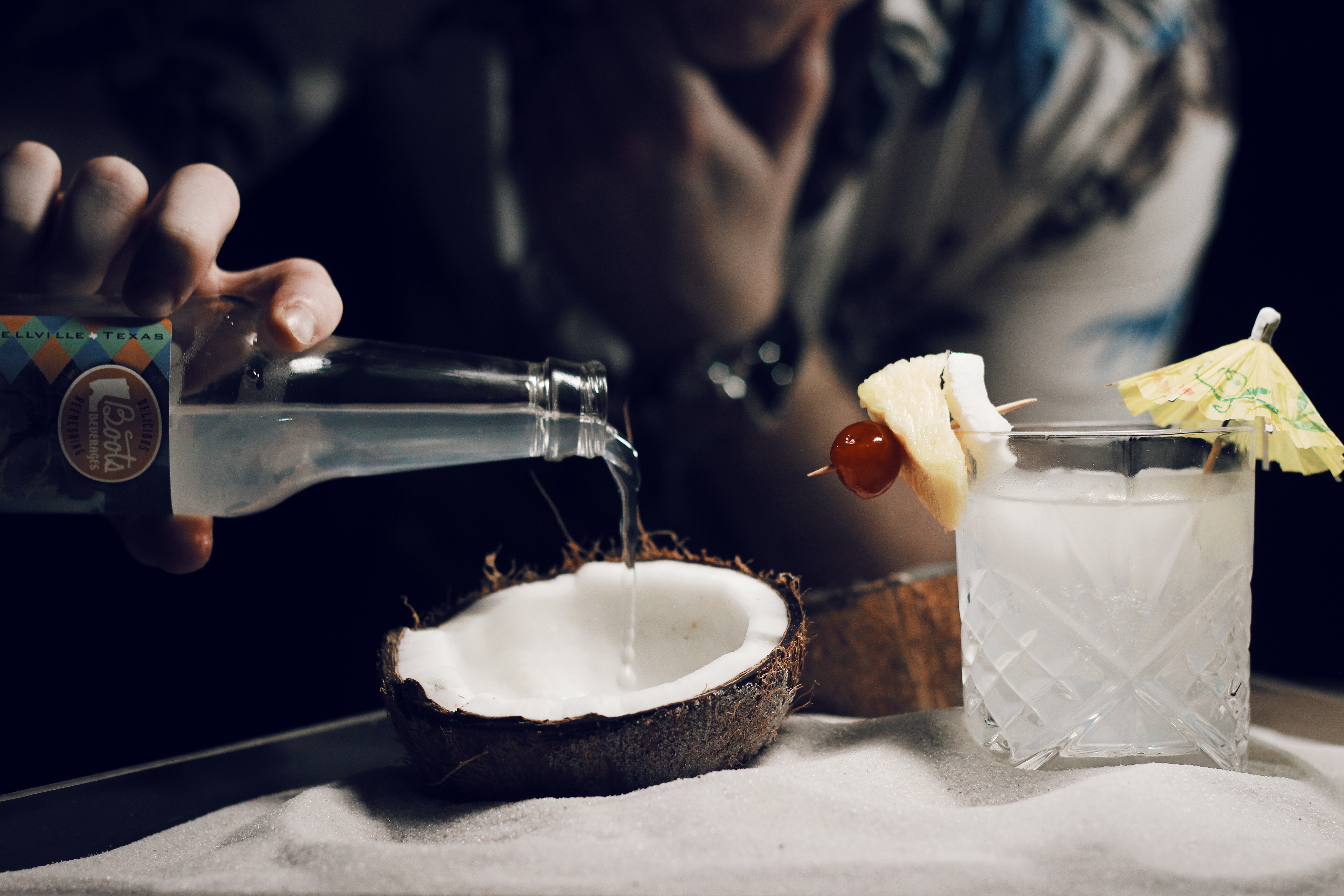
Boots Beverages: Coconut Cream Soda

History: Get your beach towel, your sunglasses and sunscreen, and throw on that swim suit. Now put it all back because we’re just drinking soda here, you freak. But hey, we’re not only sampling one of the most unique flavors on the market today, we’re also going to bring the island vibe to you as we do it. See, we’re nice. Coconut Cream Soda: it’s one of those flavors that makes your ears perk up when you hear it. Kind of like when my wife yells out my name, only this doesn’t give me nightmares. Coconut is a very divisive flavor among foodies, but those who love it are die-hards. Mark Kristen, owner of Boots Beverages realized this and decided to to take a chance. He says, “I guess it’s the same insanity that’s inspired all our flavors.” The company, started by his father Elwood “Boots” Glenn, began with seasonal flavors like strawberry, peach and lemon. Boots Beverages’ first run as a business ended in 1962 in large part due to a decline in popularity of deposit bottles. Kristen, already a third generation businessman and operator of Kristen Distributing in Bryan, Texas, decided to reintroduce the company in September of 2013 with an emphasis on 1950’s flavors infused with modern gourmet appeal.

The company’s top-seller is its Sarsaparilla, with Coconut Cream not far behind it. The tropical paradise you thought you were in for at the beginning of this review may yet reveal itself in the form of this soda. And according to Kristen, it’s by design. “We envisioned someone going to the trouble of splitting the coconut and getting the juice out.” He also notes they are going for additional tasting notes of coconut cream pie and its crust. You’ll see the tropical inspiration on the bottle. You’ll also notice a picture of a woman. That’s Kristen’s late aunt Katy. “That tugs at my heart strings,” he says after a pause. Never married, Katy worked for Kristen’s father during Boots Beverages’ initial run. Often he couldn’t even afford to pay her, so she ran a small ice cream parlor. Kristen frequented it. “I ate so many of her dreamsicles that there’s no way she could’ve made any money,” he jokes. Her photo on the label is a small tribute. As for the future, Boots Beverages has been in the lab cooking up five new flavors. Two of them could be here as early as September. If early reports are any indication, they may be on to something. Kristen notes his buddy’s six year-old daughter offered up a serious barter. “I’d like to trade you a pony for those new flavors,” she said. We can’t legally offer a pony, but we’ll assemble the team, test the black market and see what offers we at Five Star came come up with. Nothing to see here, government.

Where to get: You can currently buy Boots Beverages Coconut Cream Soda in Texas and St. Louis, Missouri. The company is currently working on expanding distribution, but hasn’t announced future channels yet. In the meantime, the Internet has you covered. Hit up the company’s website for 12-packs, Crown Valley for 6-packs, and Soda Emporium for single bottles.

Nose: You ever had coconut cake? No? You’re weird then, but that’s what this smells like to a tee. It’s got a sweet coconut frosting olfactory thing going on.

Taste: Coconut cream; sugar; mild piña colada. Whoa, coconut. Hey girl. The coconut cream flavor is immediate, bold, and sweet. This is intensely sweet coming in at 43 grams of sugar per bottle. The coconut has a very tropical taste to it, reminiscent of the coconut portion of a piña colada. This does not taste like coconut pie to us, for those wondering. Think more along the lines of clear cream sodas infused with tropical coconut flavor.

Finish: Coconut piña colada. The finish on Boots Coconut Cream Soda is long-lasting and thick. The drink ends with a little bit more of a tropical note than the main body and coats the tongue for 10-20 seconds. While the body of the soda doesn’t taste like pie, there is a little bit of a pie crust taste at the very end.

Rating: Coconut is one of those flavors that gets people excited when it’s in a supporting role, but as the centerpiece of a soda, bottlers shy away. Perhaps they’re worried it’ll come off too much like carbonated suntan lotion. Whatever the case may be, there isn’t a lot with which to compare Boots Beverages Coconut Cream Soda. Its flavor doesn’t hold anything back and knows itself. It’s coconut cream soda, and dammitt it wants you to know that. This is a sugar storm of creamy, candy coconut that is bold and has flavor staying power. There are also some really nice tropical notes that float about in the background of each drink. Cream soda connoisseurs: put this on your list because there’s nothing like it out there. For the rest of you, there are some factors to consider. First, this is sweet. Very sweet. But it does really capture that tropical island coconut flavor and manifest it in soda form. I’d suggest treating this like a first date and taking it slow. Unless you’re my ex, in which case, chug as fast as you can and use a lot of tongue. Sorry, PTSD. As a sipper, this is a wonderfully unique cream soda to be enjoyed. Second, the flavor. Not everyone likes coconut and this is not only strong in sweetness, but also flavor. It might even benefit from some ancillary tasting notes, like key lime. If you don’t like coconut, do not pop the top. In our opinion, this is too original not to try. If you like coconut or tropical sodas, keep your pants on and buy like 24 of these. The flavors are simple, but work well. Paired with a little rum, you’ll be in paradise in no time.

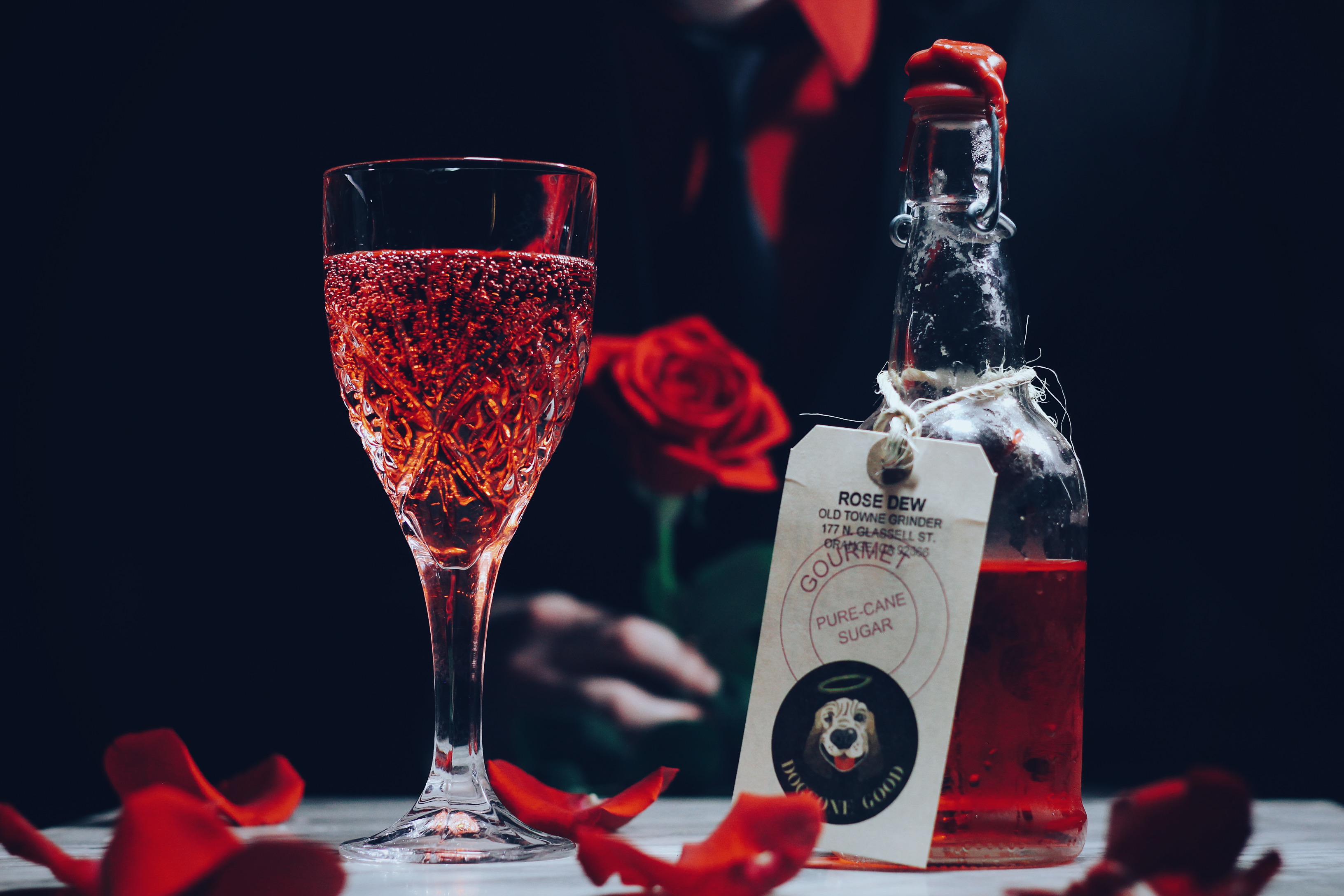
Doggone Good Soda: Rose Dew Soda

History: Bill King has been in the soda business since the 1960’s. He remembers some of soda’s most vintage years when nearly every decently-sized town had their own local bottling company. He decided he wanted to do his part to bring that era of nostalgia back and infuse it with the quality of modern artisan taste. In 2008, King and his son opened The Olde Town Grinder and Ice Cream Parlor where they sold sandwiches and glass-bottled soda. After such good feedback on the soda, they started producing their own in 2012 under the name Doggone Good Soda. You won’t find soda made anywhere else the way Doggone Good Soda makes it because King literally built the bottling machine himself. The machine goes through the entire scientific process of making and then packaging the soda. I assure you that’s impressive. Recently, King and his son sold the restaurant to focus solely on carbonated goodness. They will be moving their soda business into a much larger facility in Orange, California to meet demand. The plan is to open in late summer or early fall 2015. He hopes to start selling the concept for his unique soda machine to other bottlers. “It’s going to be a model for a franchise. We’re really going into the soda big time,” King tells me over the phone. They’ll be doing some pretty interesting things at the new place. For starters, they’re going to have a large upscale tasting room, akin to something you’d find in a fine wine shop. They’ll also be aging their root beer syrup in different types of oak barrels for multiple flavor varieties and serving it in frosted mason jars. Ginger beer, soda’s current hottest flavor, is also becoming a priority.

At the moment, the company boasts around 30 flavors. Some tend to come and go as new flavors are often rotated in and out. One of the company’s most unique flavors was inspired by its customers. “We’re out in Southern California and there are quite a few weddings,” King says, and he adds that requests for a floral soda kept piling up until the company created its Rose Dew Soda. “People either love it or they hate it,” King quips. With its vibrant, phosphorescent red hue and swing top bottle, Rose Dew Soda stands out in an increasingly crowded craft soda marketplace. Speaking of the bottle, packaging is an element of the business of which King is particularly proud. The company just recently rolled out a 22 oz. burlap-wrapped bottle that keeps the soda cold even longer. “We don’t know of another company that’s doing it the way we do it,” King says. Whether you like the soda or not, you can’t disagree with him.

Where to get: Until the opening of the new store in the late summer or early fall of 2015, Doggone Good Soda can be purchased by calling the company and placing an order. The number is listed on their website. King happily adds, “We will send it to anybody that wants it.”

Nose: Rose hips. This smells exactly like a freshly picked rose flower with some candied sugar added.

Taste: Sweet rose oil; mild strawberries; sweet rain; nectar. Wow. Imagine the smell of rose with some sweet, fruity notes in liquid form. That’s exactly how this tastes. This may be the shortest blurb in the review because I can’t describe it any more perfectly. It’s really different, of course. Not a lot of rose sodas out there. This tastes like a rose, but there’s also some mild strawberry notes. It’s nice and floral. Refreshing and crisp on the palate.

Finish: Fruity, sweet rose. Very clean.

Rating: This is an experience. Rose sodas are few and far between, and honestly, do you expect flower soda to taste good? Don’t lie and say you do. I see through your thorny deceit (get it?). Doggone Good Soda has really hit a home run here. Let’s call it an inside the park home run just because a rare treat deserves a rare analogy. Sweet rose hips dance on the tongue with floral notes that refresh and delight. This is light and crisp and begs for the next sip. That said, I’d say this is is a sipping soda because its flavor is so different. My advice is to take it down slowly and enjoy all of its subtleties. Rose Dew Soda is like the opposite of my stepmom; it’s a welcome addition to my family. You can almost taste the quality of the water in this, like a refreshing filtered rain water. There’s also a light strawberry flavor. But this is rose soda through and through and it’s a marvel to taste. I can’t recommend this enough for all fans of craft soda. This will be the most interesting beverage you drink all month.

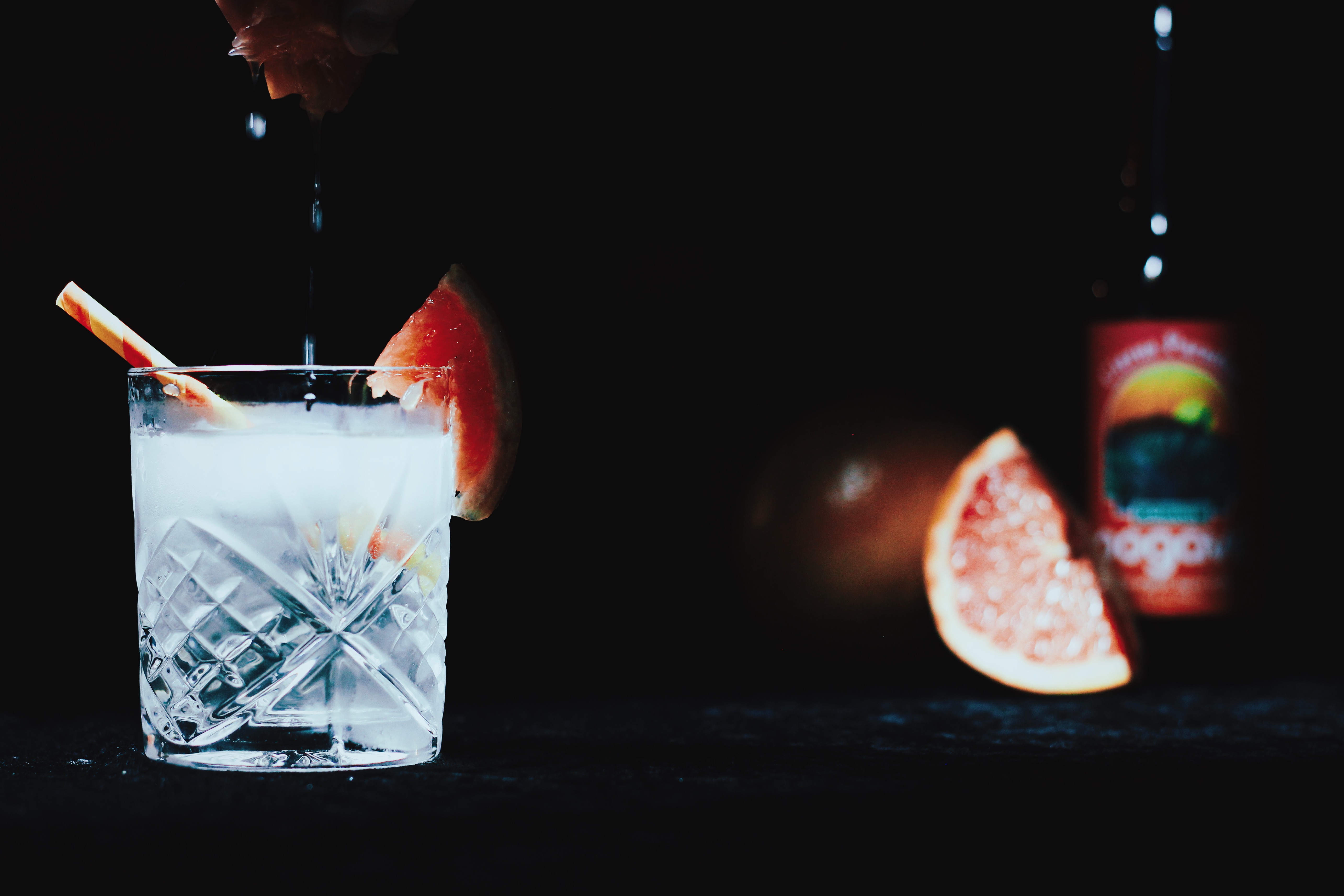
Oogave: Citrus Paradisi

History: Agave is an edible plant native to mexico. In the food industry, it’s used as an organic sweetening agent. You may know it as an alternative to sugar or honey. The plant’s sap is actually called “honey water.” Most of you probably only know about it because of its association with tequila. Bunch of drunks. Just kidding. Not really. There’s even a soda brand dedicated to it. Here’s the big thing about Oogave Soda: according to the company’s website, it uses certified organic Weber blue agave juice to sweeten its sodas instead of cane sugar. Hence the name. Subtle, I know. What’s not subtle is the process. Agave takes seven years to harvest! That’s like three marriages for some people. Just remember that plant worked hard to end up in your mouth, so you better enjoy it, pal. Oogave is a brand that was purchased by Rocky Mountain Soda Company in Denver, Colorado. The two companies formed a relationship in 2009 when the people at Oogave allowed Rocky Mountain Soda to use their bottling line as the Colorado soda jerks were in the process of rebuilding a 1968 bottling line of their own. At that time, Oogave was one of the only all-natural sodas on the market. Says Rocky Mountain Soda operating partner Moose Koons, “I think they were probably pioneers a little bit too early in the marketplace.” With people still pinching pennies from the recession, Oogave sold off the company and its equipment to Rocky Mountain Soda, allowing that company to quadruple its output. The mission of the Oogave brand remains the same: to be a low-calorie, high-flavor soda using all-natural ingredients. “There’s a great relationship between the natural flavors that we use and the agave flavor,” adds Koons. The Oogave Soda flavors changed variations in the hands of the old owners but have since been amended back to the original recipes and infused with bolder flavors, while the packaging has been rebranded. A perfect example is the soda we review here, Citrus Paradisi. The latter of the two words means “grapefruit” in Latin. Koons notes that with Citrus Paradisi, the company was looking to emulate a flavor profile similar to a bolder, more tart version of Fresca, a citrus soda that hit the height of its popularity in the 90’s. While almost no soda would be considered “healthy” for you, Oogave is about as close as it gets using organic ingredients with low-calorie, low-carbohydrate, and low-glycemic index counts.

Where to get: Oogave Sodas are available at known health food grocery stores like Whole Foods and Natural Grocers. Oogave is not as widely distributed as it once was, but Rocky Mountain Soda is working to get numbers back up. If you can’t find it in a store near you, it’s available to buy online via Rocky Mountain Soda’s website or Soda Emporium (make sure they carry Citrus Paradisi and not Grapefruit as the latter flavor is not the most current.)

Nose: Tart grapefruit; Fresca.

Taste: Tartness; grapefruit; agave syrup. Right off the bat, this is very crisp with a little dry grapefruit. There’s a citrus element to this akin to Fresca that permeates the palate for a few seconds before giving way to a mildly sweet flavor. This is the agave. If you’ve never had agave, it’s similar to honey, but more neutral in flavor. It’s not quite as sweet as honey. Crisp is a good buzzword to use for this. Refreshing and full of dry citrus.

Finish: Mild, tart grapefruit that quickly fades.

Rating: Oogave Citrus Paradisi is a quintessential warm weather soda. It’s light, crisp grapefruit flavors are mildly tart and refreshing. Easy-drinking for a day out at the pool. The grapefruit flavor isn’t overbearing, something that should be welcome news to soda connoisseurs. Grapefruit is a flavor that often gets overdone in soda as if to show off who can produce a more macho citrus flavor. Oogave reigns theirs in with the help of agave syrup that provides a neutral, yet sweet companion flavor. Some may be concerned about using agave as a sweetener in a soda instead of sugar. Don’t be. There’s still enough sweetness in this to be recognizable as a soda instead of some weird sparkling citrus thing. Still, I wouldn’t mind seeing the grapefruit turned up. It’s probably a little too mild. Oogave’s previous incantation of this soda was wildly tart, but Citrus Paradisi has been reformulated for a more neutral, dry citrus flavor that presents grapefruit in a palatable fashion. Citrus soda fanatics will drink this up as will lovers of dry sodas. I’d suggest maybe pairing it with vodka, but then again, can’t we say that about everything in life?