flavor

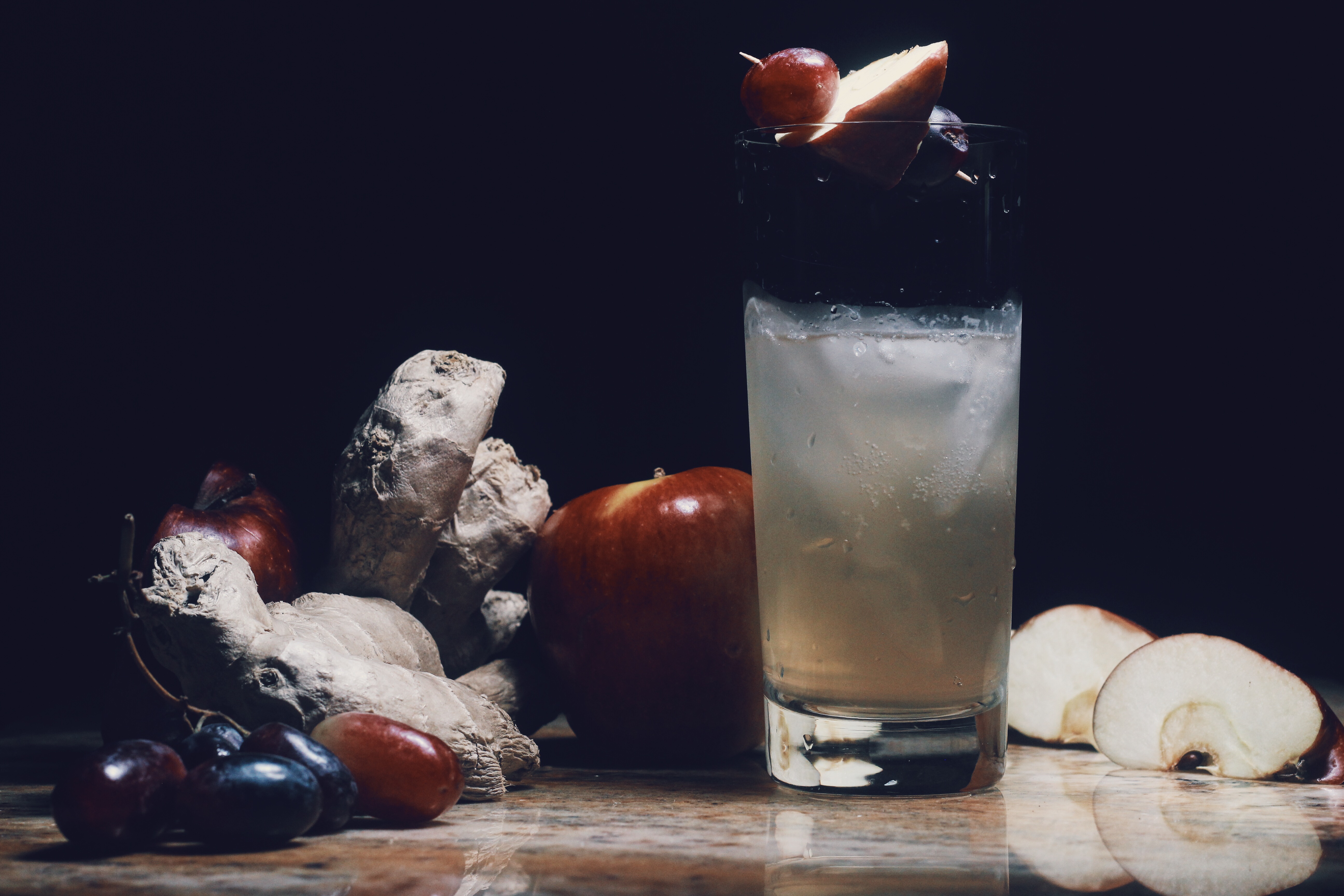
Top Hat Provisions: Ginger Beer

History: Ginger beer – so hot right now. Ginger beer syrup is even hotter because it’s easier for bartenders to make cocktails with and allows consumers to pour drinks to their own liking. San Francisco native Shane McKnight recognized this popularity and accessibility as an opportunity. McKnight is a veteran in the cocktail scene and at his day job, he “activates cocktail programs for bars at the national level.” He’s the founder of Top Hat Provisions. The name isn’t by accident. Since 2011, McKnight has worked an event in San Francisco called “The Edwardian Ball.” For those wondering, the Edwardian Period generally refers to most of the first decade of the 1900’s. Well there’s a shop at the event where you can buy clothing from that period from long coats to canes. And top hats. There’s top hats all over the place. McKnight notes “I made it a tradition to buy a top hat every year…. I have a lamp that has five top hats on it.” The whole thing is basically a drunk theme party. I guess when you wake up surrounded by top hats, you name your business after it. Based on that logic, my uncle should start a business recycling old Playboy magazines. Top Hat also provides ginger beer to major music festivals, like Coachella. There’s a lot of drunk moms at those things – someone’s gotta quench their thirst. He recalls ordering 1,500 pounds(!!!) of ginger beer for Coachella 2015. As demand continued to rise, McKnight realized making a ginger beer concentrate needed to be done “out of absolute necessity.”

In talking to McKnight, you can tell he knows his stuff and cares about his product. He resisted making a syrup until he found a company that was able to organically extract the vegetal and the heat. I know you don’t know what that really means, but basically it allowed McKnight to create and launch the ginger beer concentrate he envisioned in June of 2015. “The thing that was holding me back was that most ginger beers are spicy in the throat,” he says, adding that he feels many ginger beers on the market are just “ginger ales on steroids.” “Our spice stays in the mouth and a little bit close to the lips,” McKnight says. Top Hat Ginger Beer has three important elements to it that McKnight believes provide balance. The first is the heat of the ginger that we just mentioned. The second is the sweetening agent; Top Hat uses organic cane juice as opposed to pure cane sugar or something like honey because McKnight believes it provides the best taste. The third important element of the ginger beer is it’s acid balance. Like most ginger beers, Top Hat contains citric acid and lemon juice, but it mixes in a little bit of apple cider vinegar to keep the lemon flavors subtle. Based on the balance of sweetness, acidity, and spiciness, McKnight tells us he believes you’d have a hard time ruining a drink regardless of the amount of the ginger beer concentrate you use. In that regard he calls it “very, very forgiving,” which is also what I can already tell one of our staff members will hope we will be tomorrow as he continues to drink moscow mules while we write this review.

Where to get: Top Hat Ginger Beer is growing quickly on the west coast from California to Oregon, but the most reliable way to get your hands on it is ordering a bottle via Amazon (small – 375ml or large – 1L). (At the this this review was written, Top Hat Ginger Beer was just being introduced by Amazon, so if it isn’t available yet, check back in a few days.)

Nose: Ginger; acidic. Smells like it has a bit of zip on it. Maybe the word I’m thinking of is sour. The smell indicates you might need to wear the seat belt for this one.

Taste: Lemonade; ginger spice; pepper; grape. You taste the normal ginger beer elements, and I’ll get to those, but there’s one flavor that really stands out as unique – grape. The label doesn’t list grape as an ingredient, so the flavor is likely a result of how the other ingredients pair together with the apple cider vinegar, but it’s definitely there. It is actually kind of a grape-apple flavor. Very different. The signature flavor in Top Hat Ginger Beer is lemon. It’s a sweet, lighter lemon, like a shrubbed lemonade. The grape and lemon flavors work in tandem together to impart a very different flavor to this particular ginger beer. In fact, the ginger itself isn’t that strong in the flavor profile. You get a little bit of the ginger’s spiciness in the nostrils on the initial few sips. The spice mostly stays on the tongue. The flavors that stick here are aside from ginger are tart, sweet lemon and mild grape that’s reminiscent of sparkling grape juice.

Finish: Tart lemon; lime; spice. You’ll taste the lemonade flavor fade into a more tart lime flavor. The end of each sip is where the ginger beer’s spicy notes seem to take up residence.

Rating: Top Hat Ginger Beer isn’t your average take on the category. This is ginger beer for non-ginger beer drinkers… if that makes sense. What I mean is that this doesn’t taste like a traditional ginger beer, despite containing all of the typical ingredients. It isn’t particularly hot and spicy. The ginger isn’t overly powerful. If you’re looking for a ginger beer full of citrus tasting notes, Top Hat Ginger Beer should be right up your alley. This is light and tart. It’s bright and sweet with a lemon flavor tinged with apple and grape notes, as well as a little bit of spice on the finish. It can be enjoyed on its own, but in small doses at a time. This seems to be tailored more for cocktails. The grape flavor most likely comes from the apple cider vinegar. It’s unexpected, but it works well with the lemon. This will probably be a little tart for some craft soda drinkers. I’d also prefer to taste a bolder ginger flavor, since it is of course, a ginger beer. But all and all, this is too different not to give a try. The use of apple cider vinegar in this is really a home run. Top Hat Ginger Beer is one of the strangest ginger beer I’ve ever tried, but also one of the most fun. If you’re a craft soda fan that also dabbles in the spirits, try Top Hat Ginger Beer in a Kentucky Buck.

Four Stars

P.S. By the time this review was completed, our staff member we mentioned in the beginning is, indeed, drunk.
Flying Cauldron Buterscotch Beer

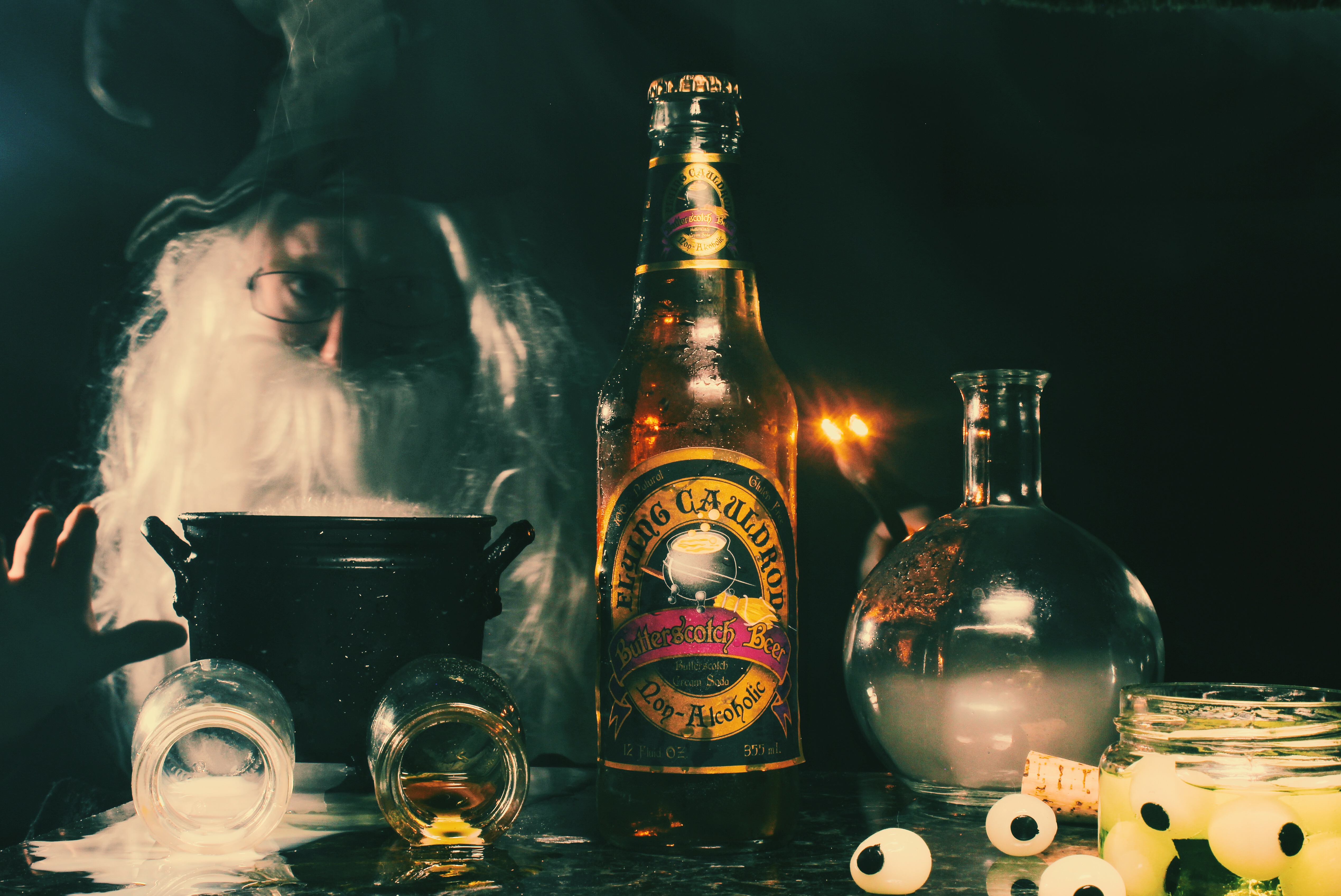
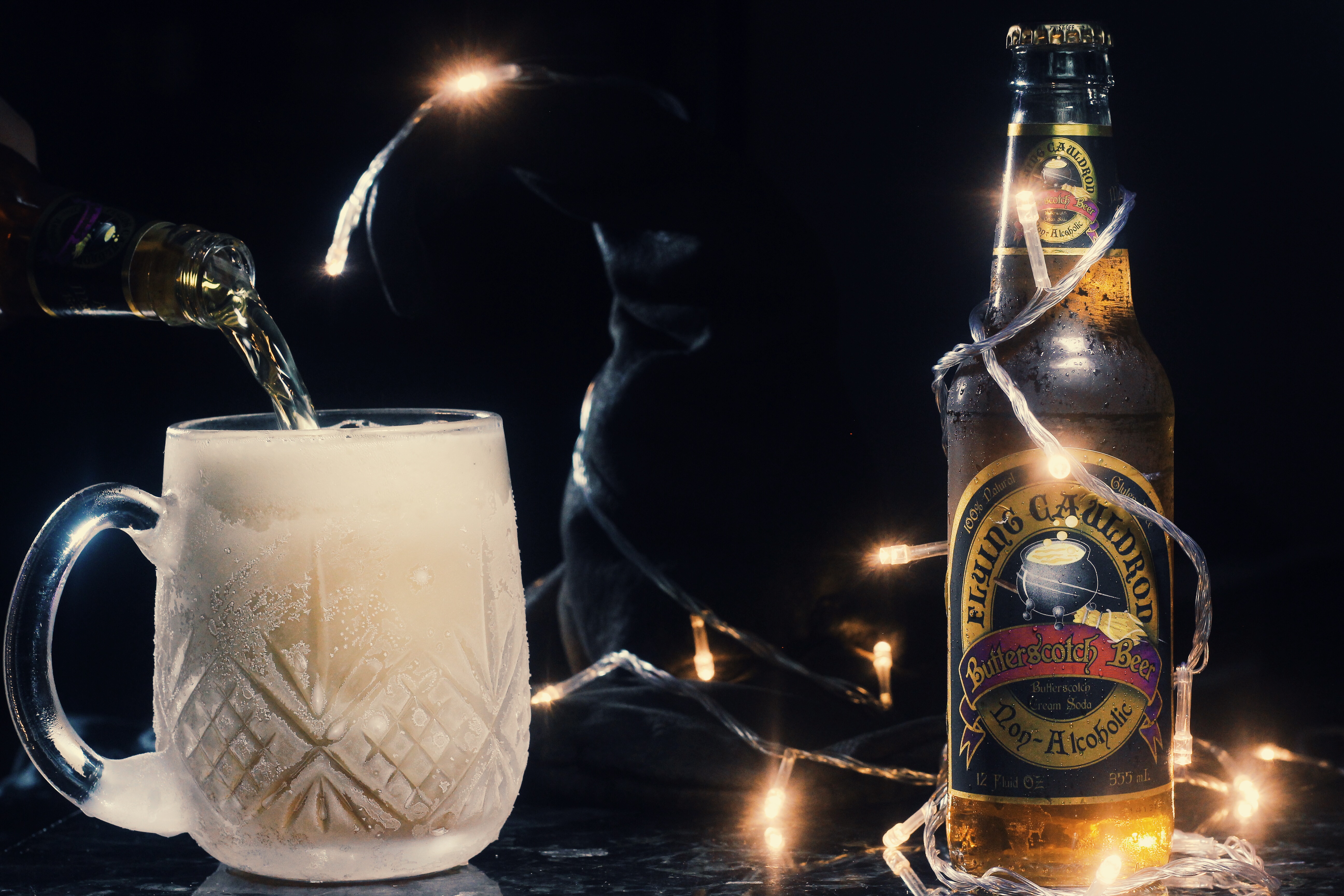
History: Throw on your cloaks, grab your magic wands, and gather around the cauldron because we’ve got a soda so magical that even the greatest of spells could not stop its forthcoming. Flying Cauldron Butterscotch Beer is the creation of Chris Reed of Reed’s natural sodas. You’re probably most familiar with their Ginger Brews. Despite the name “Butterscotch Beer,” Flying Cauldron is nonalcoholic, and it mimics a certain drink from a certain series of books based on a certain young wizard. In fact, upon its introduction in 2012, the soda actually used to be called “Butterbeer” because Warner Bros hadn’t trademarked the name. So Reed trademarked it. Guess how that went over? Quickly the wizards (lawyers) at Warner threatened to use their excessive magic (money) in an act of the dark arts (court) against Reed’s, so they promptly changed the soda’s name to “Butterscotch Beer.” You’ll notice Butterbeer is now ™ by Warner. So why make Butterbeer™? Reed tells us he was as captivated by the drink as we all were. It “sounded amazing,” he explains. So he began to research. He sent a sales manager to The Wizarding World of Harry Potter in Orlando, Florida to try the Butterbeer™ they serve at the theme park. The sales manager sent some back to give Reed a basis for creating his own version. He told us he could taste the chemicals in it. He wanted his version to be a natural soda, like all of the others in the Reed’s/Virgil’s line. Flying Cauldron started with a base of Virgil’s Cream Soda and then had butterscotch flavor added in. Reed was inspired by a German butterscotch candy with a silky smooth flavor. He tried diligently to replicate that specific flavor and says triumphantly, “I think the butterscotch we ended up with is just phenomenal.” Flying Cauldron contains no artificial ingredients, no GMO’s, and no caffeine. It’s also made with a blend of pure cane sugar and Stevia; this reduces the number of calories in every bottle down to 120. Like the books and movies, Reed concedes the “product has had a life of its own and continues to show up in stores around the country.” He adds that Flying Cauldron is consistently in the company’s top seven sellers. You can find the soda year-round, but it’s most popular in October and November. We’re right on time. Let’s see what kind of sorcery is inside the bottle.

Where to get: Flying Cauldron is distributed nationally. Call your local health food or grocery store to see if they carry it. You can also find it at Cracker Barrel restaurants. It’s also available online from Summit City Soda, as well as the Reed’s online store. You can also get it on Amazon, but it’s a worse deal. And if you’re a retailer looking to sell soda in your shop, or maybe just a deprived wizard, Homer Soda Company is who you should call for those types of inquiries.

Nose: Buttery; bold butterscotch; vanilla cream.

Taste: Sweet butterscotch; mild creaminess; soft vanilla; sugar. There’s big, big butterscotch flavor in this. The initial taste is a mixture of vanilla cream soda with sweet butterscotch, so it really lives up to the butterscotch cream soda label in terms of flavor. Spot on. Definitely sweet. Sugary, even. As it settles into your mouth, the creaminess of the vanilla comes out more, while the butterscotch dominates the flavor profile. Those two elements: creamy vanilla and sweet butterscotch candies combine to create a bold butterscotch cream taste.

Finish: Creamy vanilla and butterscotch swirl together and linger on the back of the tongue. Certainly the creamiest part of the soda.

Rating: Flying Cauldron Butterscotch Beer is one of those sodas that excites drinkers on so many levels. The inspiration, the flavor, the color, the label – it’s all there. It resonates. It’s fun. It’s got an air of mystery around it that you want to literally drink in. Butterbeer™, Butterscotch Beer – whatever you want to call it is fine. The bottom line is you want it in your mouth. Now, this won’t be for everyone simply because butterscotch tends to be a love-it-or-hate-it flavor. And this has enough butterscotch flavor to hold you over for a month. It’s a sweet, buttery candied flavor. There’s a nice infusion of creamy vanilla slightly at the beginning of each sip that becomes much stronger on the finish. I’d like to see that creaminess come out even more. I think it’s the soda’s best element. When I think Butterbeer™, I think of something that’s very creamy with lots of butterscotch tasting notes. This is maybe a 6/10 on the creaminess scale. The vanilla in Flying Cauldron works really well with the butterscotch. It adds that extra something that all good sodas possess. It’s also the biggest reason Flying Cauldron smells so wonderful. I enjoy my women just like I like a fine soda – smelling like vanilla kisses. This is big on butterscotch flavor and sweetness, and even bigger on eye-catching flashiness. The marketing team for Flying Cauldron deserves as much of the praise as the creators of its flavors. This is too much fun and way too interesting not to try at least once in your life. Also makes a tremendous mixer for your favorite fall cocktail. In the mean time, let us know if you develop any powers or the ability to summon dragons.

Four Stars

Deadworld: Slow Decay Vanilla Root Beer

History: Comic books have been inspiring movies and video games for decades. Now they’ve conquered soda. The one we’re referring to here is the zombie-centric comic, Deadworld. It’s allegedly the longest-running zombie comic book in the world. Gary Reed, the comics’ main writer, has parlayed the success of Deadworld into t-shirts and trading cards. And now Caprice Brands and Reed have teamed up to bring Deadworld to soda. Launched in February of 2015, Deadworld Sodas out of Livonia, Michigan feature zombie-influenced flavors and characters from the comics on the labels. Caprice Brands Retail Marketing Manager, Janelle Powers, tells us each flavor has four different labels. Blah, blah, blah – collect them all – blah, blah, blah. Listen, I already know what you’re thinking. You think this is a gimmick. You think this is a novelty soda because it’s associated with zombies. We asked Powers about that, warning her that those suspicions will pop up in the minds of craft soda connoisseurs. She responded by saying, “We’re not out to just throw out some cheap soda,” and continued by adding that “If you have a good brand with a crappy product, you’re not going to go far.” Deadworld Soda comes in 12 flavors with names like “Zeek Cocktail” and “Goon Bitters,” among them. The company’s most popular flavor is its “Twilight Shuffler Root Beer,” followed closely by today’s review, “Slow Decay Vanilla Root Beer.” Power describes the flavor profile, saying “You guys will definitely taste the vanilla in it. It just has a nice, creamy texture to it.” She notes the brand gets a great response from kids, but is quick to point out Deadworld Soda is for all age groups. Powers tells us the brand is bringing an onslaught of more creepy sodas to stores. “Voodoo zombies, zombie monkeys; anything you can possibly think of,” she boasts. Zombie monkeys, man – just what the world needs. Get ’em before they’re gone and then… come back again.

Where to get: You can purchase Slow Decay Vanilla Root Beer online at the company’s website or from YummiCo.

Nose: A very sugary candy vanilla scent. Reminds me of Brach’s Vanilla Milk Maid candies that you’d used to see in the grocery store. Also very similar to Vanilla Tootsie Rolls. Vanilla sugar rush. Bath and Body Works is already thinking of ways to make this scent into a soap.

Taste: Sugar; sweet vanilla candy; light mint. You taste frothy carbonation followed by a rapid sugar rush of sweet candied vanilla. This is quickly followed up by a bite that tastes of birch and mild mint. The bite provides a temporary break from the vanilla, but the sweetness comes right back near the end of the sip. This punches you in the mouth with vanilla sugar.

Finish: Sweet vanilla that has some mild creaminess mixed with light wintergreen.

Rating: There’s nothing gradual about Slow Decay Vanilla Root Beer – this soda rapidly crashes into your tongue with a tidal wave of strong, sugary vanilla. It’s not creamy, but it is sweet. It’s powerful. Borderline decadent. It may even overwhelm some people….. sorry, I was having flash backs to an ex-girlfriend with a very similar description. Where Slow Decay shines is its bite – for a sweet soda, it’s got a pretty crisp bite. It really helps reign in some of that sweetness with contrasting birch oil and mint flavors. I think Slow Decay probably needs to add a little bit of spice or perhaps just cut back on the sugar levels to really appeal to craft root beer enthusiasts. But here’s the deal: there’s a zombie on the label. Zombies are hot right now. The soda’s brand is called Deadworld. Translation: kids will want this. And kids will love this. They’ll drink all that sugar up, do fifteen cartwheels, run five laps around the house, and then play video games for two hours. And then they’ll want another. For the rest of us, it’s still fun. It’d be great for a theme party. There’s a reason we reviewed it during the week of Halloween. Root beer enthusiasts will probably want to check it out because it is different than the norm. For everybody else, I’d say it’s a toss up. How much are you willing to challenge your pancreas?

Three Stars

Thunder Beast: Black Label Root Beer

History: We may have just stumbled upon the most sophisticated-looking root beer available for human consumption. Look at this thing. A butler should serve this to you. There are over 600 brands of root beer according to research done by Thunder Beast Founder and Chief Tasting Officer, Stephen Norberg. He says he wanted to “try to give root beer a unique flavor and different packaging.” We can already confirm he’s succeeded with the latter goal. Norberg actually collects wine bottles from local restaurants in Washington, D.C., sterilizes them, and recycles them for use with his black label root beer. “I remember as a kid, I had a pocket knife with the corkscrew on it,” he says, adding that he wanted to give children a reason to whip out this otherwise useless tool. This dude is passionate about root beer. “As a small child, root beer was my favorite drink in the world… and I never grew out of that.” It only escalated from there. Norberg knew eventually he had to try his own hand at America’s most popular craft soda category. And he did try – for three years. In 2013, once he reached a point that he felt confident in, Norberg purchased some soda-making equipment. There was no turning back after that. Certainly childhood nostalgia is a good portion of the fuel that keeps Thunder Beast churning out root beer. But he wanted to offer up something more, something that targeted the craft soda crowd that could still be enjoyed by kids. And so began the creation of Thunder Beast Black Label. I feel like I gotta put on my Gucci’s just to be in the presence of this soda.

Here’s the really cool thing about Thunder Beast Black Label Root Beer: the flavor is constantly evolving. That’s right, black label’s flavor will change every several months. It’s actually never been the same twice. Norbeg says it’s “a way to try crazy, unique flavors.” He notes the current incantation is highlighted by maple and butterscotch. He adds he also uses a little bit of honey to cut down on the amount of sugar used. Thunder Beast Root Beer is made with 9-10 less grams of sugar per bottle, Norberg tells us. Additionally, all Thunder Beast Root Beers contain no caffeine or gluten. Black label is created in small batches with a flavor profile that Norberg describes as “really complex” with “bold highlights” and “botanicals.” The next batch of black label, he tells us, will focus on cinnamon and caramel. With a bottle that fancy, you’d expect some pretty big flavors. I think you’d also expect some pretty good ones. Norberg does too. He put his entire life savings into starting the business.

Where to get: Thunder Beast Black Label is sold online via the company’s online store. It’s also found in about 30 stores and restaurants in the Washington, D.C. area.

Nose: Maple syrup; wintergreen; butterscotch. Very rich in maple.

Taste: Maple syrup; butterscotch; caramel; sugar; subtle mint. Maple and butterscotch define Thunder Beast Black Label Root Beer. The maple is upfront and bold. It’s a taste very similar to maple syrup. The initial taste on the root beer is unique, almost like a quick hit of coffee flavor before the maple comes in. The maple lasts for the first half of each sip until it gives way to a smooth butterscotch taste. You’ll also get a little bit of mint on the second half as well. The carbonation on this is vey light, almost non-existent. This is a sweet root beer. Not much of a bite at all. Big maple on the front end and smooth butterscotch on the back.

Finish: Mild butterscotch with subtle notes of caramel.

Rating: Thunder Beast is a soda company with a hell of a name that makes some seriously unique root beer. In fact, if you find a fancier root beer than the company’s black label, then I know you’re a liar because that’s impossible. From the wine-inspired label and bottle to the ultra premium ingredients and name, Thunder Beast Label exudes sophistication and maybe a little bit of cockiness. It has essentially mastered the traits all men aspire to perfect in their quest for mates. It’s got big flavors, namely maple and butterscotch. To dumb it down, you’ll taste sweet maple syrup up front with smooth butterscotch on the back half of every sip. You’ll also taste subtle notes of caramel and mint. It’s sweet. Probably sweeter than most root beers. Another unique point is that Thunder Beast Black Label doesn’t really have a traditional root beer mouth feel. The carbonation is extremely light. There’s very little bite. And there are hardly any striking spice notes. It’s right on the fringes of what we all know as root beer. But, of course, with something called “Black Label,” I think we all expect something different. The maple flavor works well with the butterscotch. The transition between the two flavors is excellent. The butterscotch taste is nearly perfect. Not too strong and very smooth. One improvement I think that could be made is to the initial taste once the root beer hits your tongue. The flavors combine to create a tart coffee taste. It’s brief, yes, but it’s disjointing and it’s present at the beginning of every sip. I’d prefer to get right into the maple. I also think because this is so sweet, it would benefit from either more spices or more of a bite. But its two main flavors are executed wonderfully. This is something every craft soda fan should try for its uniqueness in flavor and presentation. Buy a bottle of this and impress your friends.

Four Stars

Karma Cola: Karma Cola

History: Karma Cola is quite literally putting the craft in craft soda. It is perhaps the most thought-out cola in the entire world. The beverage originated in 2012 out of Auckland, New Zealand, and is crafted with ingredients from all over the globe. There’s a wonderful story too that we’ll explain, but let’s start here. Real kola nut from the Boma village in Sierra Leone. Vanilla bean from the Forest Garden Growers Association in Sri Lanka. Organic cane sugar from Maharashtra, India. Premium ingredients are almost always the biggest selling point to potential craft soda customers, and that list probably already has half of you searching for where to buy this soda. It’s as enticing as a college cheerleader carwash to a group of lonely middle-aged men. Trust me, my uncle gets his car washed a lot. Karma cola isn’t shy about telling the public what’s in its soda. In fact, they listed out every single ingredient in their cola in an email to us. Some of the additional ingredient highlights include organic lemon juice, organic malt extract, cinnamon, nutmeg, coriander, orange oil, and lime oil. Every ingredient in Karma Cola is organic and fairly traded, and no preservatives are used. Karma Cola Sales Manager of Sydney, Mitch Donaldson, says the company tried at least thirty different versions before they got the flavor right. He says the soda was designed to taste clean and not syrupy. One of the cola’s most important ingredients is one you might not recognize: malt. Donaldson explains, “The roasted spring barley malt extract we use for both colour and flavour gives Karma Cola a completely different spectrum of taste,” adding that it provides a depth you won’t taste in other colas. Another interesting note: all of the soda’s acidity comes from the fruit juices and oils inside it as opposed to something like phosphoric acid. Simply put, this is designed to taste sophisticated, to taste better. In addition to the malt and all the spices in Karma Cola, even the organic cane sugar leaves a little something extra for your tongue. Donaldson explains to us that after the sugar’s refining process is finished, it is still left with mild tasting notes “of caramel and chocolatey flavours.” And all of this is great – we realize it’s the part you care about most, so we started with it. But what’s truly remarkable about this soda is what goes on beyond the bottle.

“We always knew we wanted to create a great tasting drink, but what makes us unique is not just our flavour or artistic bottles, it’s what we give back to cola farmers in Sierra Leone,” says Donaldson. For every bottle of Karma Cola that’s sold, a portion of the proceeds go to the kola nut farmers in the Boma village of Sierra Leone. That money helped build the Makenneh Bridge that joined the old and new portions of the village to ensure safer transport of people and goods. According to Donaldson, the village was able to “rehabilitate 12 forest farms,” send “50 young girls to school annually,” “support an educational HIV/AIDS theatre group,” and “build a rice huller” to help create additional revenue. Good stuff. Their work hasn’t gone unnoticed. In 2014 Karma Cola was named “World’s Fairest Trader” by the Fairtrade International. You might also notice the tribal art on their bottle. It stands out. Their website notes “The blue and red iconic design represents the African water spirit, Mami Wata, who embodies both good and evil.” This is a soda that has all the makings of something special, even the backstory. Hopefully we drink the good and not the evil.

Where to get: Karma Cola is sold is nine countries: New Zealand, Australia, Hong Kong, Macau, Singapore, China, the United Kingdom, Norway, Holland, Denmark and Sweden. Future expansion areas include more of Europe, Australasia, and the United States. For all you Aussies, you can find the nearest physical retailer of Karma Cola here. For the rest of you, including all Americans wanting to get their hands on this, email the company at info@allgoodorganics.co.nz or hello@karmacola.com.au.

Nose: Spices; cinnamon; traditional cola, soft vanilla.

Taste: Spices; kola nut; sugar; cinnamon; nutmeg; mild bitterness; sugar. Spices flood the mouth and rush up into the nose on each sip. It’s the first thing you’ll taste and the biggest take away when drinking Karma Cola. It’s unlike any cola you’ve ever had in that regard. The spices are bold and varied; you’ll taste a different one at the forefront on each sip. We probably can’t identify them all by taste, but cinnamon and nutmeg are vivid. The kola nut flavor has a nice earthiness to it, but is attached at the hip to the soda’s cane sugar. So you’ll get that musky bitter taste, but it’s brief before the sugar rush hits. Definitely a sweeter cola, but not the sweetest of the bunch. Karma Cola uses malt extract for color and flavor. You’ll definitely taste this because when combined with the spices, it imparts a bit of a savory taste to the cola. The savoriness of the malt combined with the bitterness of the kola nut, the sweetness and drinkability of the cane sugar and the boldness of the spices, all converge on each other to form a cola with a most sophisticated flavor.

Finish: Bittersweet kola nut. Earthier than the body of the soda.

Rating: This is one of the best-tasting colas I’ve ever had in my life. What separates Karma Cola from your run-of-the-mill cola is its lush bounty of spices that fill the mouth upon every sip and define the soda. It’s like a symphony of flavor unleashed on your taste buds in every sip. Each drink brings a new taste. There’s lots of layers to this cola and they all meld simultaneously to form a cola that easy-drinking, yet bold in flavor. This is the hot new Russian girl with the sultry accent and porn star body you took on a date and miraculously made your girlfriend before other dudes could discover her. While Karma Cola may not be a household name in America, it has a familiar cola taste with a plethora of foreign flavors that make your mouth tingle in delight. The spices are divine. The cola taste is traditional and comfortable. The sugar is sweet and provides a nice contrast to the kola nut’s bitterness. This is drinkable, yet rich in flavor – a rare combination. I know there’s vanilla in this and I wouldn’t mind seeing it play a larger role to impart more of a creaminess. But that’s like asking Batman to take out your annoying neighbor. It’d be nice, but I’m busy doing other things. Karma Cola is an achievement in cola. In addition to its traditional cola flavors, it strays from the beaten path by adding a handful of various spices, malt extract, vanilla from Sri Lanka, and kola nut from Sierra Leone. It’s safe, yet challenging and should please both the casual soda drinker and culinary enthusiast. Karma Cola is a shooting star of a cola in galaxy full of red giants that need new discoveries like this one. And if you don’t get planet lingo, just know this is absolutely (inter)stellar and worth every penny.

Five Stars

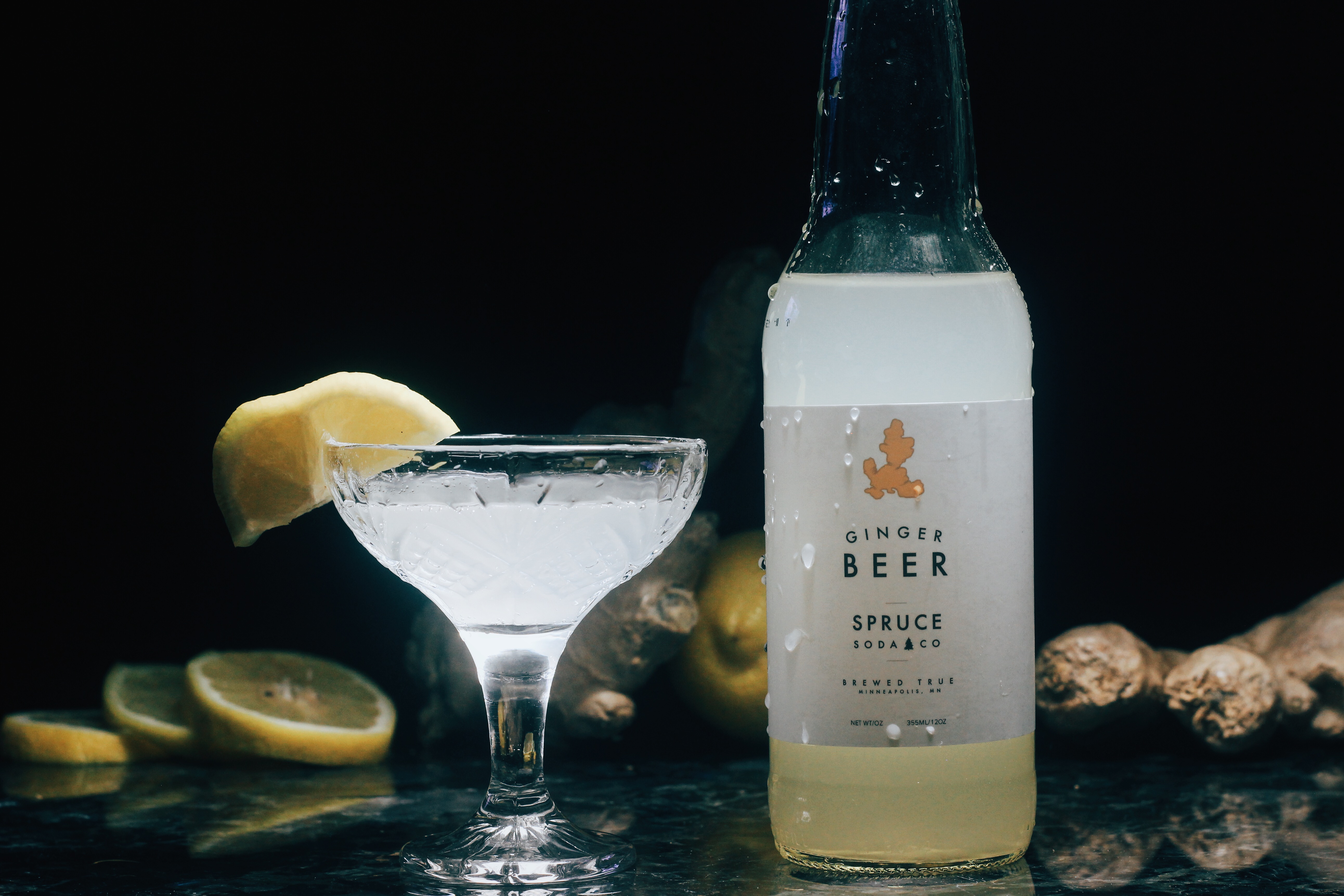
Spruce Soda Co.: Ginger Beer

History: It is almost impossible not to be tempted by Spruce Soda Co. simply based on their appearance. Their marketing is as crisp and clean as the Minneapolis, Minnesota air they inhabit. Just look at the bottle. It exudes a modern coolness. Matthew McConaughey is probably drinking one of these in his Lincoln commercials out of frame. If we haven’t been clear enough, it was the appearance that drew us to Spruce Soda Co. It’s still a young company, the product of Bryant Scannel and Jordan Hubred in the fall of 2014. The two had worked together at the now out of business Parka restaurant in Minneapolis where in 2013 Scannel began brewing up house cocktail syrups and ginger beer to serve. The ginger beer took off and after about a year of perfecting the recipe, it was clear to Hubred that “this could become a broader soda company.” Part of that realization was geographic. “We’re in Minnesota and there’s not a whole lot of local soda companies that are making soda from real ingredients,” dontchaknow. I added the last part because I’m funny and also eight years-old. Using natural ingredients is what Hubred says matters most to Spruce Soda. And while the company has already had up to three flavors and is working on more, the ginger beer will always be its foundation. It’s made with real ginger, real lemons, and surprisingly – salt. Scannel has always been a big believer in sodium when it comes to cooking and he figured why not apply the same concept to soda, adding it’s about “balancing the sweet with a little savory.” Hubred tells us he believes ginger beer is a love-it-or-hate-it sort of drink, so Spruce Soda’s Ginger Beer tries to sit somewhere in the middle of the flavor spectrum. He explains they want it to be “approachable” and adds that it’s a little more citrusy than normal ginger beer because that’s a comfortable flavor to most drinkers. It was also designed to pair well with alcohol. Shocker, I know. Currently the company is working on new flavors with perhaps the most intriguing being a (potentially) barrel-aged root beer. Sign us up for that. Until then, get out your copper mugs.

Where to get: Spruce Soda Co. is still a small operation. They distribute all their sodas themselves and are mostly found in the Minneapolis-St. Paul area. The company has plans to expand to online sales, but as of this review, has not. Don’t let that discourage all you non-Minnesotans. Hubred says the company is happy to fulfill individual orders. Just contact them at enjoy@sprucesoda.com.

Nose: Authentic ginger root and lemon. Smells fresh and artisanal.

Taste: Ginger; cane sugar; lemon juice; mild pepper. Definitely more of a sweet than spicy ginger beer, but still has a nice little bite to it. Not overly acidic. You’ll taste sweet lemon and peppery ginger the most in the flavor profile. In fact, if you swish this around in your mouth, you get a slight lemonade flavor before the ginger finds its way to the back of your throat. That’s pretty unique for ginger beer. The lemon tastes fresh, as does the ginger. The more you drink this, the more of a unique ingredient you’ll taste: salt. It’s subtle, but you’ll definitely taste it along the back sides of your tongue. A ginger beer that errs on the mild side.

Finish: Tart lemon with subtle ginger notes for a mild bite.

Rating: For the curious soda adventurer unsure about the notion of ginger beer, Spruce Soda Co. offers up a mild version that should appeal to a wide range of drinkers. It would be a good first step for ginger beer beginners. It isn’t overly spicy; rather, it has more of a pepper bite. I’d give this a 3/10 on the spicy scale. It’s the cute girl in class who’s outgoing, but not stuck up. Definitely approachable. The only difference is this soda won’t date you for eight months and make a severe long-term impact on your bank account. Right, Heather?? Spruce Soda Co.’s Ginger Beer is an excellent mixer. It’s got a good amount of sweetness and absorbs the burn of the alcohol, yet has enough a bite to give a Moscow Mule or Dark and Stormy a signature ginger beer taste. This should appeal to fans of more artisanal sodas because of its authentic lemon and ginger flavors. It’s light and crisp. On the flip side, hardcore ginger beer enthusiasts may be looking for something more advanced that’s spicier and has greater acidity. I, too, wouldn’t mind seeing the heat dialed up to about a five. Something to make the lemon notes pop more and zing the tongue. Spruce Soda Co.’s Ginger Beer is a safe bet. It’s not going to let you down. Whether in a cocktail or on its own, any craft beverage connoisseur would be remiss not try this peppery Minneapolis import.

Four Stars


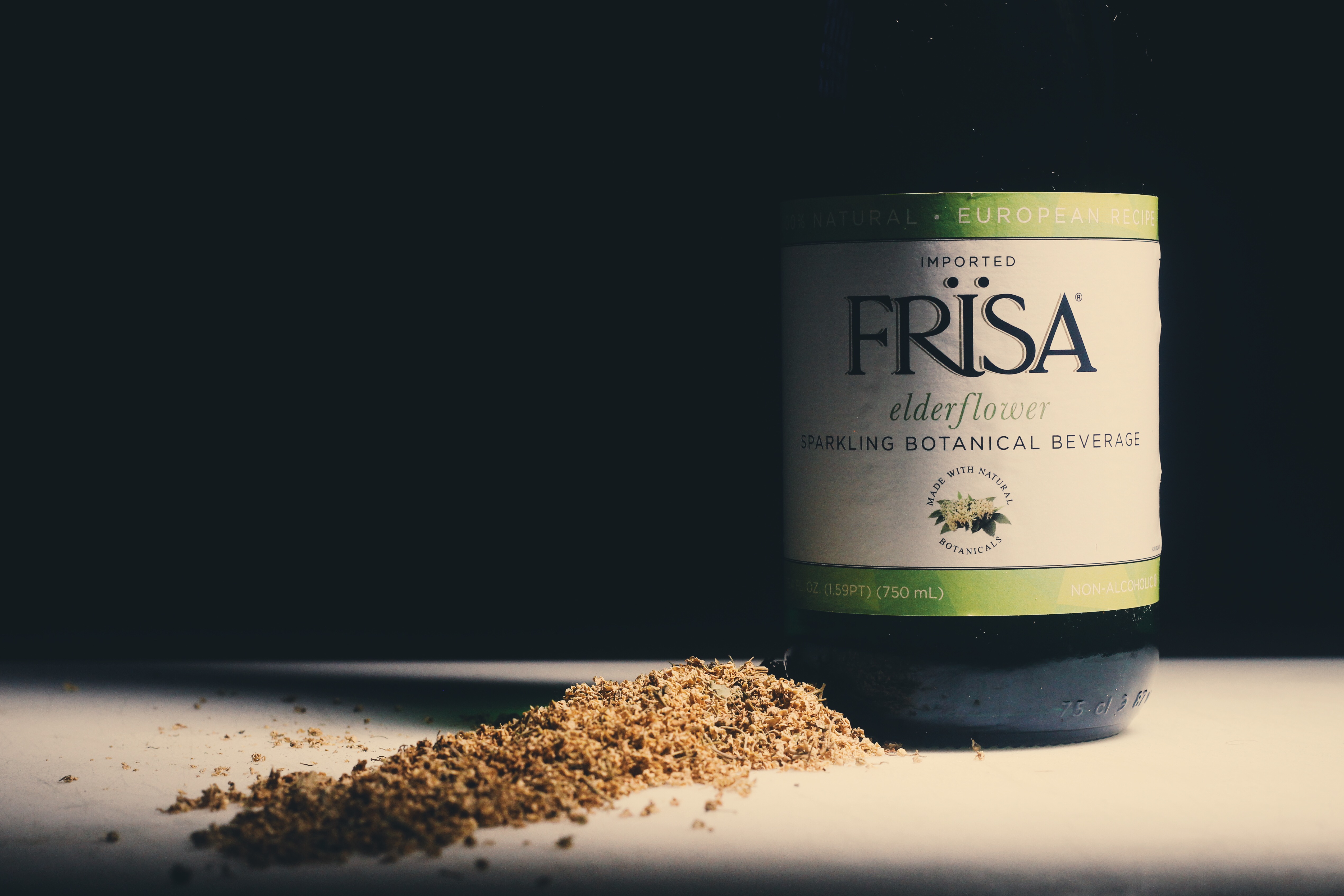
Frïsa: Elderflower

History: “We are soda’s hipper, healthier, edgier – and of course, more delicious! – cousin,” boasts Casey Beard, Frïsa General Manager and COO. I wish my cousin was like that. Had to get a restraining order against him. Frïsa is a new sparkling soft drink out of Minneapolis, Minnesota from Kristian Regale, though this particular brand is marketed as an “ultra-premium European botanical beverage.” It joins a litany of other “sparkling” beverages that further blur the definition of what craft soda is becoming and entails. But for all intensive purposes, it’s still a carbonated soft drink made with cane sugar and premium ingredients. Sounds like craft soda to us. Frïsa is all about creating a soda made with botanicals. For those of you who aren’t aware, “botanicals” typically refer to plant or herbal flavors when it comes to beverages. “We use very unique botanical ingredients, and super surprising flavor combinations. Each ingredient and flavor profile was heavily scrutinized to ensure a delicious taste that rings true on so many different levels,” says Beard. But perhaps their sexiest ingredient is the one we all take for granted in soda: water. Frïsa sources its water from the Pyrenees Mountains. In addition to the botanicals and fancy water, each soda is also made with a modest amount of pure cane sugar. And for you health-conscious soda drinkers, every bottle of Frïsa is gluten-free, non-GMO, and Kosher certified. And every serving clocks in at under 100 calories. Makes me want to strap on a pair of yoga pants and run a casual marathon just thinking about it. Maybe chug a bottle in victory as I gallop past some 60 year-old guy at the finish line. Beard tells us the company’s most popular flavor is elderflower, which has kind of a citrusy flavor and is popular in cocktails. The flavor recently received a BevStar Award from Beverage Magazine in the category of category pioneer, so it’s already receiving some praise despite its newcomer status to the marketplace. It was simply too intriguing for us to pass up.

Where to get: Because Frïsa is still so new, it’s mostly only sold in the midwest and has a small footprint in New York City. You can find it in stores at Kowalski’s Markets and Lunds & Byerlys. As of late October 2015, Frïsa is still not sold online, though we are told online sales should begin within the next few weeks at Frïsa’s website.

Nose: Grapefruit; citrus; hops. Smells like a fruity IPA, almost identical to Deschutes Fresh Squeezed IPA.

Taste: Grapefruit; floral; mild tartness; light pear. This has a really bright and vivid taste. Very floral and fairly fruity. For a beverage marketed as botanical, this is a little sweeter than you’d probably expect, though not to the level of a typical soda. You taste a subtle and frothy tartness in the beginning that’s full of pear and mild citrus notes. The carbonation is very similar to that of champagne or sparkling grape juice. As the drink settles in on each sip, the sweet, floral grapefruit flavor comes in to balance out the initial tartness. This is full-bodied for a soda with a lot of flavor characteristics and subtleties. For example, and this doesn’t happen often, you can tell the quality of water used in this is high. It’s just a very distinct crispness separate from the flavors. There’s also just a little bit of a hops taste that accompanies the grapefruit. Some drinkers might even taste subtle apple notes. We also tasted champagne grapes. This has lots of layer while maintaining a robust, natural flavor throughout.

Finish: Mild floral grapefruit that’s slightly earthy. The botanical elements come out more near the end of each sip.

Rating: Frïsa Elderflower is going to be a pleasant surprise for most soda drinkers. It’s light, but full of flavor. Definitely a more sophisticated take on soda that fits right in the “sparkling” category. This should probably sipped to enjoy all of the subtleties in the flavor profile. I’d recommend chilled with no ice. This is certainly botanical, but it’s still approachable, and that’s critical. So often botanical sodas are too savory or herbal for the majority of soda drinkers to enjoy, but there are familiar flavors in Frïsa’s Elderflower working in tandem with the botanical notes. While it is a very floral drink, you’ll also taste some general citrus, pear, and most notably, grapefruit. Maybe even subtle apple and/or grape. What’s most impressive about Frïsa Elderflower is its ability to pack so much into the flavor profile, while retaining a fresh taste that’s very drinkable. Honestly, at first glance this probably wouldn’t be in the wheelhouse of most craft soda drinkers because of its champagne bottle packaging and unfamiliar flavor. Sometimes those characteristics can be turn offs instead of intriguing elements of a liquid mystery you want to put in your mouth. But this is one you shouldn’t pass over. Sure, the citrus could probably shine more or the earthier elements could be curtailed, but these are the elements that give this soda its character. I, for one, had my doubts coming in, but I’m here to tell you that Frïsa Elderflower is one of the best off the beaten path sodas I’ve tried in a long time.

Four Stars

164 Soda Co.: Tree Climber

History: Josh Carnell and Frank Schiffner are soda vloggers… because that is a thing.

In talking with Carnell, he told us the two of them literally just bought some Frostie’s and Bundaberg soda, filmed themselves drinking it with commentary, and a month later became Rocket Pop Stop reviews. “We had no idea what we were doing,” he says. You’re probably not surprised these are the guys behind 164 Soda Co… because why the hell else would we be talking about two strange dudes on the Internet? It’s cool though. We like to get weird too. Carnell is a dreamer. He’s always wanted his own soda shop. Lately though, the dream has been about creating rather than just selling. “I wanted to try my hand at making my own soda,” he says. Turns out filming yourself drinking soda makes you thirsty for what your own version could be like. “Honestly, I think a lot of it had to do with the videos we had done. We really wanted to go deeper about what is special about these sodas.” But first, the St. Charles, Illinois boys needed a name for their potential new company. Carnell reminisced how the two met each other in St. Charles East High School in 2010. It was room 164. Carnell recalls his buddy “looked a little chubby.” Ouch. Regardless, room 164 became the impetus for the two’s label as a soda company. Carnell started experimenting with strawberry soda in January 2014. Fast forward to March 2015 and the two dudes began the soda creating process. Their goal is to break the mold of people who are turned off by stereotypical soda. They’ve visited several craft soda bottlers, like Canonborough Beverage Co. and Gents Ginger Ale to try to gain insight on what the cool, new bottlers are doing. After a few tries in July of 2015, they concocted what just might become their signature soda: Tree Climber. It’s a take on a German beverage called “Fassbrause,” which is essentially a nonalcoholic apple cider drink. Apple Beer was also inspired by Fassbrause. 164 Soda Co.’s version is tweaked a little from the original. Its main two flavors are apple and ginger. When asked about which one is stronger, Carnell says “we’ve found that you seek out the flavor you taste.” He adds that the duo is trying to take soda and make it sophisticated. Hmm, that sounds familiar.

Where to get: Currently 164 Soda Co. is just sold at markets around the St. Charles, Illinois area. The hope is for the company to expand into local bars and restaurants. For now, if you’re interested in what the company is brewing up, shoot them an email at 164sodaco@gmail.com.

Nose: A bit of a sour cider smell reminiscent of alcoholic ciders. The more you waft the bottle under your nose, the more the sweet apple juice smell opens up. Definitely smells like it could be tart.

Taste: Earthy; apple; acidic; mild grape. This has a very earthy taste to it. The sweetness is minimal, almost nil. It really does kind of taste like an alcoholic cider with the ethanol stripped away. It’s strange in that it doesn’t taste alcoholic, yet definitely isn’t sweet enough to meet the definition of a traditional apple cider. It’s a dry soda. Kind of a beer flavor to this too, but it’s sweeter than beer. First thing’s first: it’s tart. The tartness comes from both the apple and ginger. You taste both flavors off the bat, apple more so, and they’re both gift-wrapped in a bow of acidity. An interesting tasting note is malt, like in beer. It’s interesting because there’s none in here, yet the flavor remains. Almost a hop taste too, but not quite. If you go searching for it, there’s a grape flavor in here as well. But what you’re going to taste strongly is an acidic, almost beer-like, earthy apple juice, devoid of sugar, with a pinch of ginger.

Finish: Savory apple with subtle notes of licorice.

Rating: Tree Climber is definitely not from a soda universe that feels familiar. No, this feels like it was imported from a far away land. You’ll taste essentially no sugar and a lot of tartness, two elements that usually don’t pair in soda in that order. The defining flavor here is raw apple juice with a zing, accompanied by mild ginger. I am wondering if the ginger absorbed all of the apple’s natural sweetness because it’s odd to taste this much authentic apple without any sort of sweet relief. Very subtle grape notes dance about near the end of each sip, as does a light licorice taste that most probably won’t even notice. This would really benefit from some added sugar. I wish I had the power to add it to the recipe because I think it would take Tree Climber to the next level. As currently constructed, Tree Climber is like all my past relationships: too bitter and not my fault. It tastes more like a carbonated juice blend to me than a soda, yet it really tastes like something else entirely. I have to hand it to 164 Soda Co. in that Tree Climber is based off of what is essentially a German apple beer, and this definitely tastes like a beer with authentic apple flavor and some added mild ginger. So I think they accomplished the basic framework of what they intended to create. I’m just not sure it’ll fly off shelves with soda enthusiasts without more cane sugar in the recipe. Tree Climber is worth a shot because you’re simply not going to find an American soda with a more foreign taste than this one. We just wonder if we’ve actually seen its final form.

Three Stars