Four Stars

Four stars

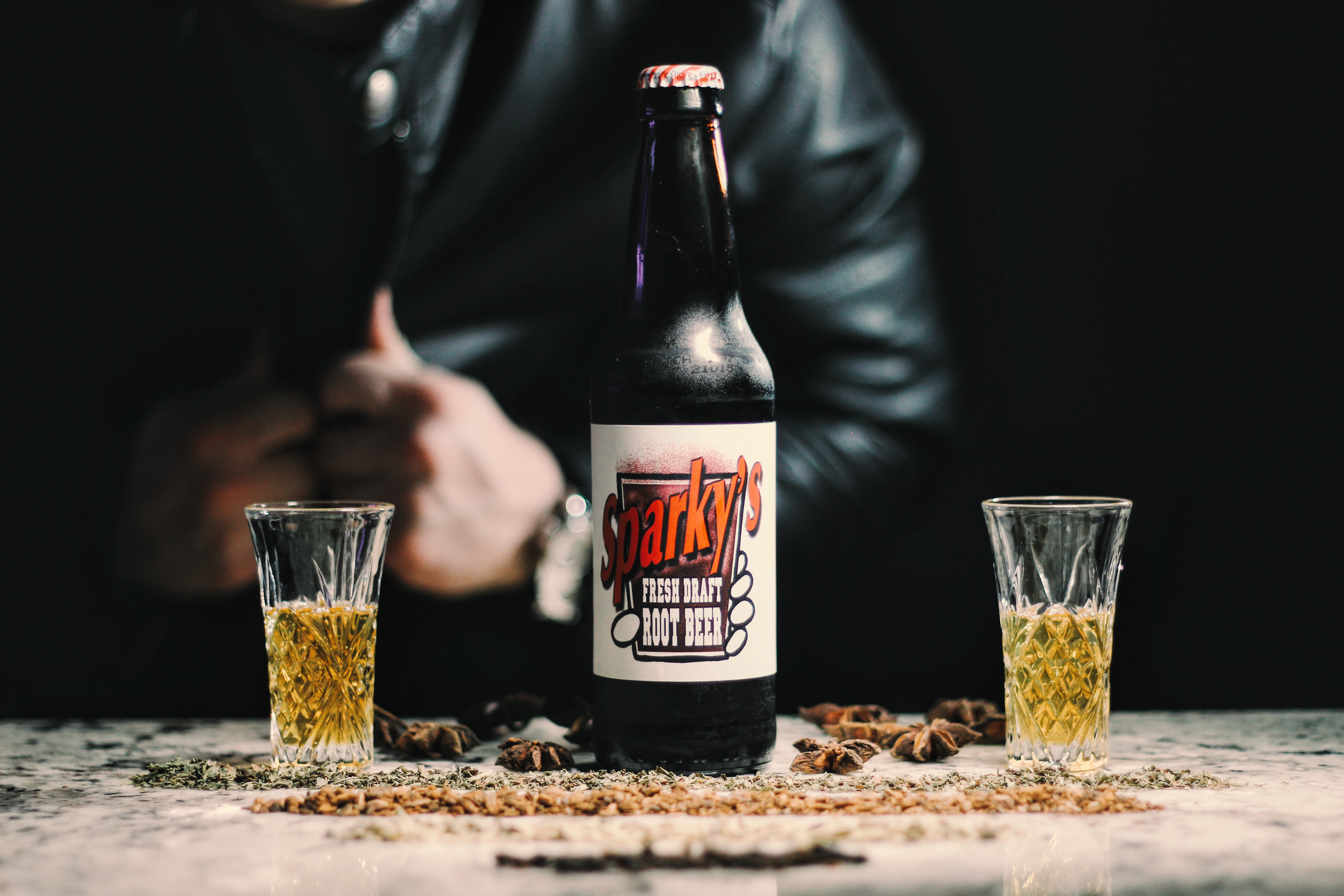
Sparky’s Root Beer

History: This is a root beer 10 years in the making. This is a root beer as much about approach as it is ingredients. This is a root beer named after a cat. Yup, this is Sparky’s Root Beer. If you just clicked on that link, I know what you’re thinking. Yes, that website was bitch slapped with comic sans and yes, it looks like it was made in the year 2000. Considering the root beer found its final form in 1999, that’s probably a pretty good bet. But it was 10 years earlier when Kevin Knox started his root beer journey in Pacific Grove, California. Initially, it wasn’t even the goal. Knox was a veteran of the restaurant business and wanted to start his own, but admits he was hesitant because “it’s so risky.” This was right around the time when home brewing started to take off. Knox followed the trend and began brewing his own beer, hoping to eventually open a brewpub. The problem? It’s a $1 million venture and California ain’t a cheap place to run a business. Money wasn’t the only issue. Knox says beer was too limiting. “It didn’t take long to figure out I needed to make something for the kids and my non-alcohol drinking friends.” He experimented with fruit sodas to begin with, including a cranberry-apple soda he affectionately called “Crapple.” It didn’t work out. Root beer was the most logical choice for Knox, he says, because “it was always one of my childhood favorites.” After 10 years and “well over 100 batches” he found his desired recipe. But first, he had to name it. And this perhaps the strangest part. “Sparky is the name of my cat and he used to hang around me and watch me make it,” Knox tells us. I think we can almost all agree cats are at best a B- on the pet grading scale. And this one just paddywagoned its way around the kitchen enough to get root beer named after it? I can’t even get one of the local bars to name a cocktail after me, and Lord knows I spend enough time there. As for the flavor, he says it’s designed to be “kind of spicy, but still kind of sweet and creamy.” There’s over a dozen ingredients, with the most prominent ones being birch, local California honey, and pure cane sugar. Knox calls the rest of the herbs and spices in the soda “threshold flavors,” meaning he wants the drinker to be able to taste them, but not necessarily be strong enough to cross a threshold where they’re easily identifiable. Oh, and there is still one connection between Knox’s past homebrewing days and his root beer: Sparky’s is kettle-brewed in the same style of many craft beers. He claims this is what truly makes Sparky’s Root Beer unique. This is a soda as much about process as it is flavor.

Where to get: Sparky’s is available for purchase online in both 12 oz. and 22 oz. bottles. It’s also available from BevMO. You’re more likely to physically find it in the western half of the U.S. with California easily being your best bet.
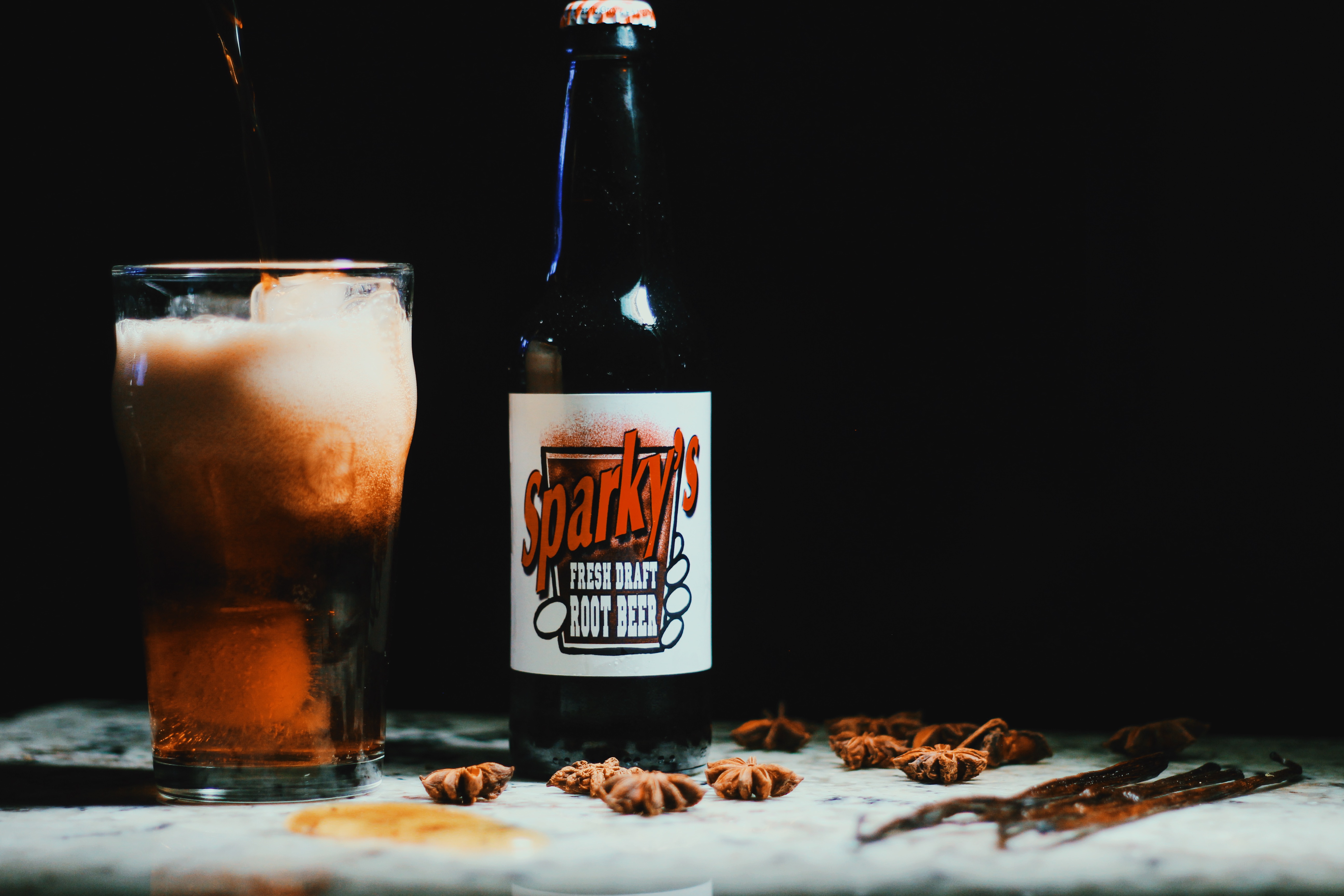
Nose: Sarsaparilla root; vanilla; birch; spearmint. The sarsaparilla root is most noticeable with a little bit of mint. Really gets up in the nostrils.

Taste: Wintergreen; birch oil; vanilla; spices. This is definitely a root beer with a bite, and it’s up front. There’s a strong mint influence too. We taste wintergreen most, but wouldn’t be shocked if there’s some spearmint too. The birch bark flavor in this is also bold and right up front with the mint. What makes the flavor of Sparky’s Root Beer different from the rest of the pack are the spices. Tastes like there’s a few of them, perhaps some clove and anise. The initial flavors are the most potent part of the root beer and contain a spicy bite. After the mint and spices, you’ll taste a brief creaminess that gives the body of the root beer some variety. Vanilla and honey highlight this section. The creamy wave is gone as soon as it appears though and you’re left with a mildly spicy end of the sip.

Finish: Spicy mint that lingers before fading and leaving mild notes of vanilla.

Rating: Sparky’s Root Beer is a brew with lots of character. It’s highly varied in flavor. You could simultaneously classify it as botanical and spicy, yet creamy and sweet. Wintergreen and birch play a starring role in the flavor profile. They’re upfront and loud. Bold on the palate. And they’re enhanced by all of the spices in this root beer. We aren’t quite sure which ones are used, but whatever they are, they give the root beer a serious punch to the tongue. This is definitely a spicier root beer than what’s typically available; in my opinion those spices are the most critical ingredients in this soda. They provide contrast to the later tasting notes of vanilla and honey, enhance the mouth feel, and help Sparky’s separate itself from a crowded craft root beer field. In short, they’re a tremendous addition. Sparky’s Root Beer is like the foxy next door neighbor whose mature ways you long to experience from afar. Fortunately for you, this is just root beer, so you can. We mentioned above that on the second half of each sip you get a creamier vanilla flavor with big notes of honey. It’s an excellent flavor, but it’s a little too brief for me. The vanilla and honey fade quickly in favor of the strong influence of spices and wintergreen. If the two “halves” of the root beer had a more even stage presence in the mouth, this root beer would get a standing o’. I’d make the vanilla a little bit stronger for balance. But overall, I enjoy the contrast of sweet and savory here. Sparky’s might not have the most inspired label, but it’s flavor is sure to motivate repeat samplings.

Four Stars

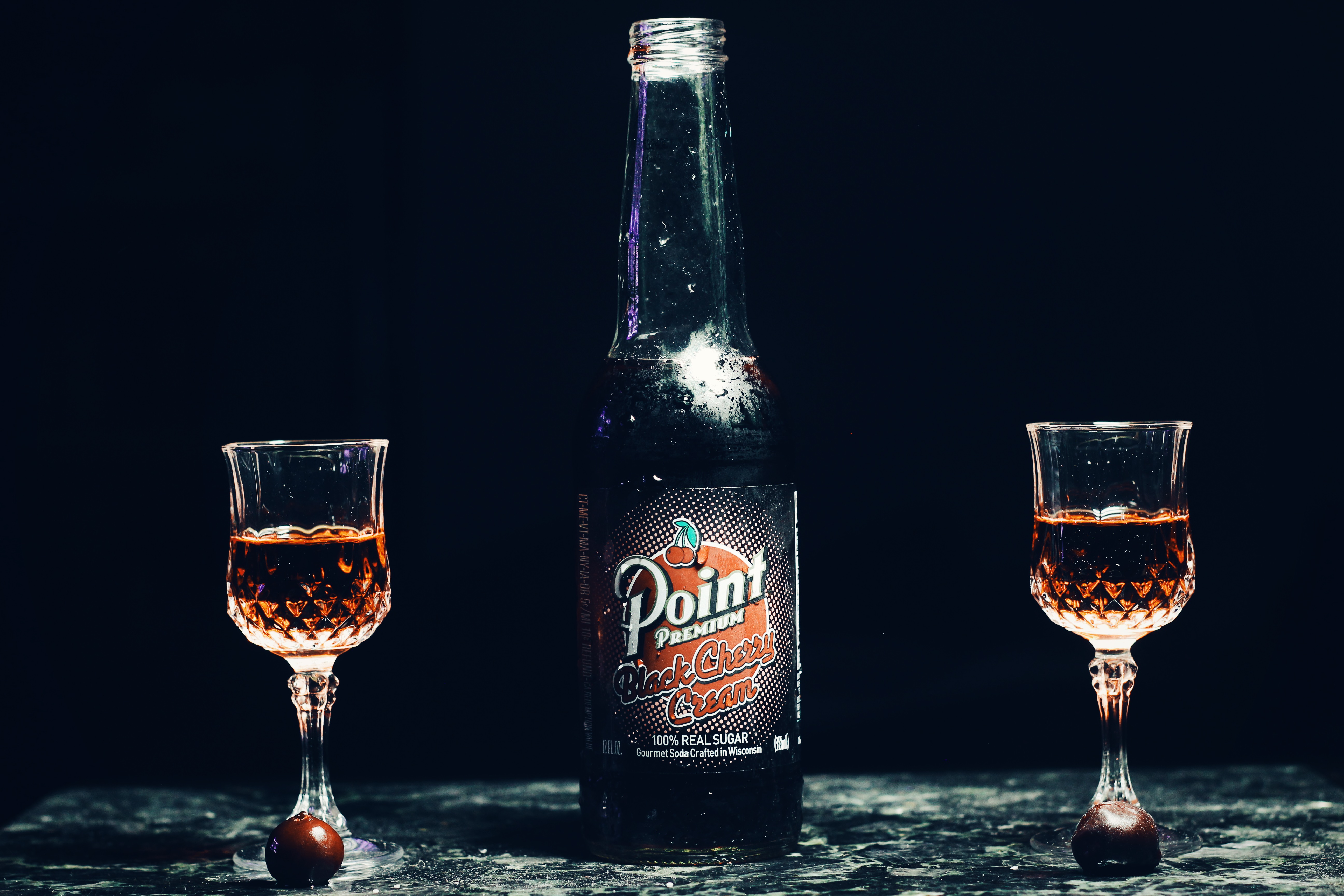
Stevens Point Brewery: Point Premium Black Cherry Cream

History: Some of the best craft soda in the world comes from the state of Wisconsin, so there was no hesitation when we learned about Stevens Point Brewery. Branded after the Wisconsin city of the same name and founded in 1857 by German immigrants, Frank Wahle and George Ruder, this brewery pumps out six different flavors of craft soda from its signature Point Premium Root Beer to the more mysterious Kitty Cocktail. If you’re a little iffy on your dates, this is a brewery that lasted through the Civil War, prohibition, The Great Depression, WWI, and WWII. We haven’t tried it, but we’re guessing the beer isn’t too bad. They’ve got some hardware to back it up too. Stevens Point Brewery’s Point Special Lager won the Great American Beer Festival gold medal in 2004. But according to Stevens Point Brewery’s Director of Marketing, Julie Birrenkott, it was two years earlier in 2002 when the brewery introduced root beer. Like their beer, it too, was a hit. Says Birrenkott, “Our wholesalers and customers continued to ask us to make Root Beer. The rest of the soft drinks were a natural progression.” In 2005, three more flavors were introduced: diet root beer, vanilla cream, and black cherry cream. The latter of which is too intriguing not to review. It’s made with “all-natural vanilla and savory black cherry sweetness” in addition to pure cane sugar. Several flavors of Stevens Point Brewery Soda also use real Wisconsin honey. Alas, Black Cherry Cream does not. Beyond those facts, Stevens Point didn’t provide us with much more information about the flavor. Time to do a little first-hand research.

Where to get: Stevens Point Brewery Soda is not sold online. It’s mostly distributed throughout Wisconsin and is available in select areas in the states of: Iowa, Illinois, Kansas, Michigan, Minnesota, and New Jersey. If you can’t find their soda near you, the company suggests calling them at 1-800-369-4911 or shooting them an email to place an order.

Nose: Rich black cherry. Kind of reminds me of old-timey black cherry rock candy.

Taste: Black cherry; soft vanilla. Rich black cherry flavor without tasting medicinal. Trust me, that’s an accomplishment. The vanilla notes come in near the end of each sip and as you continue to drink the soda, open up more and more. The carbonation is soft and works well not to amplify the black cherry flavor too much. This is a softer soda in terms of mouth feel with deep black cherry flavor and smooth notes of vanilla. Not necessarily creamy, but the vanilla is present enough to make a lasting impact.

Finish: Candy Bing Cherries with long-lasting notes of vanilla. A very long finish. Completely pleasant.

Rating: This is comfort soda. The tastes are familiar. The black cherry flavor is kind of a hybrid between a fresh Bing cherries and classic black cherry hard candies. The vanilla is soft and soothing, entering during the second half of the sip and lasting throughout the finish. The flavors work well together. It’s just a really nice take on traditional black cherry soda with an infusion of vanilla. I wouldn’t consider the flavor particularly creamy, but the vanilla is soothing on the palate and makes the soda that much easier to take down. It’s a great partner flavor considering how rich the black cherry body tastes. Point Premium Black Cherry Cream’s best feature is undoubtedly its finish with long, drawn out notes of vanilla. I just wish those vanilla notes came in a little bit earlier to leave no doubt this was a black cherry cream soda as opposed to a black cherry soda with some added vanilla. That’s my only criticism. I’d go out with this soda. And I’d call it back. I suggest you do the same and track down a bottle of Point Premium Black Cherry Cream.

Four Stars

Vignette Wine Country Soda: Pinot Noir

History: After nine grueling months of carrying a baby inside their stomach and then shoving something the size watermelon through an area the size of a lime, the first thing most women want after birth, understandably, is alcohol. But what about during pregnancy? Booze is out of the question, so that doesn’t leave many drinking options with the same regality. Pat Galvin noticed this and set out to do something truly unique in the soda industry: put it on the same platform as wine. “The idea came from seeing my wife go through pregnancy with our first child and seeing how few sophisticated non-alcoholic options were available,” Galvin tells us. He founded Vignette Wine Country Soda in Berkeley, California in 2007. The company believes their soda is “an elevated experience” for the drinker, allowing folks who don’t drink alcohol a new high-end option as well as those who do drink booze the chance to take a night off and still have something interesting in their hand. Vignette Wine Country Soda produces three flavors: pinot noir and chardonnay (the two original flavors), as well as rosé (launched in 2009). Now the question you’re all asking is: does this actually taste like wine? Maybe a little bit, but that’s not the goal. Galvin explains that with the pinot noir soda, they’re “really not trying to match the flavor of wine,” adding “that wouldn’t be possible.” Instead, the company prioritizes capturing “a nice, clean fruit flavor.” Think of this beverage as an artisan grape soda with a mild wine flavor influence.

At Vignette Wine Country Soda, it’s all about the grapes. The company uses varietal wine grapes from California. What are varietal grapes and why are they different? We didn’t know, so we asked. Galvin tells us wine grapes “have more complex flavors than a traditional table grape that you might be used to.” For example, some might be sweet, some sour, and some might even have a berry characteristic to them. Variety. Hence the term “varietal.” Did we mention the grapes are important? They want you to know the grapes are important. “Our juices could easily be made into wine instead…. These are premium grapes,” Galvin explains. Basically, you’re drinking the best of the best. And because of that, the company doesn’t add any sugar to their wine sodas. All the sweetness you’ll taste in each bottle comes from the natural sugar in the juices. I have to admit, I’m pretty excited about this, but also hesitant. We always ask bottlers what makes their soda unique, and Vignette Wine Country Soda has perhaps the most distinct claim to fame. But is being different being better? I’m about to elevate my experience and find out.

Where to get: Outside of California, you’ll have a hard time finding Vignette Wine Country Soda in stores, so your best bet is to buy it online directly from the company at their online store.

Nose: This smells kind of like what I expected – a cross between sparkling grape juice and chilled red wine. There’s a tartness to the grape smell that you sometimes smell in wine, but also a sweetness that you often find in sparkling grape juice. Probably leans a little more on the sweet-smelling side.

Taste: Grape; raspberry; tartness. This tastes exactly like the smell would lead you to believe, like a cross between sparkling grape juice and a slightly sweet glass of pinot noir. The grape flavor in this bottle tastes very natural and not like what you’d drink in something like a NeHi or NuGrape. What’s immediately noticeable besides the grape flavor is tart raspberry. Depending on the variety of pinot noir you’re drinking, raspberry can be a somewhat common tasting note. So that’s a nice ode to the wine. The carbonation isn’t too striking, but the tartness from the raspberry leaves a little bit of a natural sourness that’s compounded by the bubbles. The sugar levels in this are perfect and interact with the tartness well. The more and more you drink Vignette’s Pinot Noir soda, the more you’ll taste the raspberry. It becomes a little more sweet throughout the drink, replacing the grape notes.

Finish: Definitely more of a wine flavor near the end of the sip than the beginning or middle. Grape and a mild dose of that raspberry flavor. Pleasant and doesn’t linger too long, leaving a clean finish on the palate.

Rating: If you like grape soda with just a hint of exoticness to it, Vignette Wine Country Soda’s Pinot Noir is going to be a national treasure for you. Truth by told, I could drink these all day. It’s a wonderful twist on grape soda with natural grape flavor and tart raspberry notes. It’s like a cross between sparkling grape juice and an actual glass of pinot noir. A couple points that I think are the big takeaways: first, the grape flavor is excellent. Each bottle of Vignette Wine Country Pinot Noir Soda contains 50% juice and you can taste it. Second, the accompanying raspberry flavor is also excellent. It provides a nice tartness to the grape’s natural sweetness, something you often taste in wine. The sugar levels in this are very nice and aren’t overdone. To my satisfaction, this also isn’t a soda that tastes bitter. Basically, it’s the correct blend of wine and grape soda flavors, though it’s definitely more grape soda than wine. My only complaint is that the more you drink the soda, the less the grape flavor comes though. The raspberry becomes more prominent. If this maintained the same flavor throughout the bottle, it’d be five stars. Maybe that change is the intention of the bottler, but I’d prefer a little more consistency. Still, this is supremely unique and full of lovely flavor. I really enjoy it and I’d recommend this to anyone and everyone. Works chilled or on ice and in both the hot and cold months. Pour this in a wine glass at a get together with your wife’s annoying friends and no one will know the difference.

Four Stars


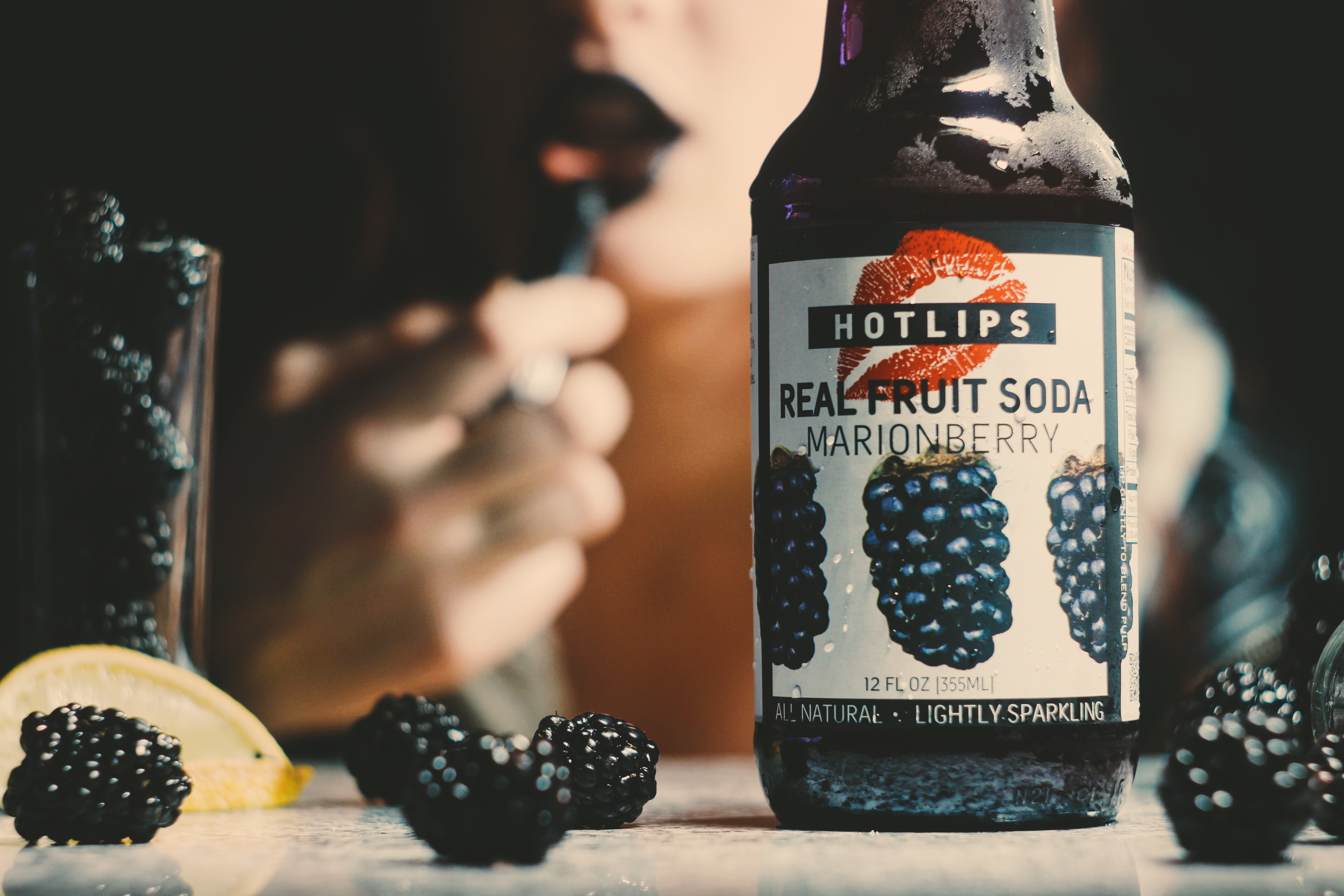
Hot Lips: Marionberry

History: As I dial up Hot Lips‘ corporate offices in Portland, Oregon, I am greeted by the most soothing, gentle Australian voice in my life. Adam Swoboda’s tone is so dreamy, I wish he’d sing me lullabies every night before bed, and I’m 27 years-old. Our interaction is tragically short-lived and I am passed off to Hot Lips Soda Account Manager Lars Burkholder who fills me in on the company’s history. “Hot Lips is a pizza restaurant first, and a soda company second,” he tells me, before adding Hot Lips Pizza has six locations across Portland. He encourages a sampling of the company’s “Tough Mother,” a pie with pepperoni, onions, peppers, and spicy chipotle sauce. Hot Lips was founded by David Yudkin has been making artisanal pizzas with ingredients sourced from local farms since 1984. Burkholder describes the company as “farm-to-table before it was cool.” After making fresh pizza for so long, Yudkin decided he wanted a fresh beverage to go with it, something he couldn’t get from the big companies. He wanted it to be “kid-friendly,” too. And who doesn’t love an ice-cold soda to wash down a few slices with? The farmers he was sourcing his pizza ingredients from were already harvesting fruit too, so it was a natural starting point for his own idea of soda. Yudkin came out with Hot Lips Soda in his restaurants in 2002 and began bottling in 2005. When you think of Hot Lips Soda, you should think of fresh fruit. “We’re starting from the actual fruit” and not an extract or oil,” Burkholder explains. They’re not shy about admitting that they go the extra mile to create a quality fresh-fruit soda “It’s pretty labor-intensive. It’s pretty expensive,” he reveals. Five of the company’s six sodas contain only four ingredients: fruit, lemon juice as a balancing agent, cane sugar, and carbonated water. The sixth, lemon, has just three since lemon is also the main fruit flavor. The company’s promise to its drinkers is that they will never put additives in their soda. No preservatives. No artificial colorings or flavors. Ever. Burkholder emphasized that the company is “really proud of the fact that it’s so simple,” in talking about each flavor. Hot Lips Soda is about letting the core fruit shine through for the drinker’s palate to absorb and enjoy. In order to ensure this, Hot Lips Soda is less carbonated than what you’re probably used to even in a craft soda. Each batch of soda also may taste slightly different from a previous output depending on the flavor the fruit when it was picked, something that reminds us of WiscoPop Cherry.

When choosing a Hot Lips flavor to sample, it only seemed right to start with Marionberry, an Oregon-native fruit. Marionberry is a hybrid of two types of blackberries bred together to create one super black, er… marionberry. So imagine those two blackberries as Jay Z and Beyoncé. Blue Ivy is their Marionberry. Listen, no one ever said we had to be good at analogies for this job. “It’s kind of the unofficial state berry of Oregon,” says Burkholder. An interesting fact about the marionberry soda is that it’s Hot Lips’ thickest soda in terms of consistency. The soda contains real marionberries, carbonated water, cane sugar, and lemon juice instead of citric acid for a cleaner, more natural balancing agent. And while red raspberry is the company’s most popular soda, marionberry apparently has a very loyal local crowd. “It’s very representative of the Hot Lips brand” because it is a local berry, Burkeholder notes. If you’re ever up around Portland wandering the streets in your flannel and tattered jeans with a bag of Voodoo Doughnuts in hand, Burkholder encourages you to stop by one of the pizzerias to come enjoy the company’s exclusively in-house “seasonal experimental” soda that changes every month. Past flavors have included cranberry, blood orange, and honey just to name a few.

Where to get: Hot Lips Soda can be purchased at all Hot Lips Pizza locations, as well as retailers in Alaska, California, Idaho, Oregon, Utah, and Washington. You can also buy Hot Lips soda online directly from the company at their web store in single bottles, 6-packs, and 12-packs. You can also buy it online from Summit City Soda in 12-packs and 24-packs. Hot Lips Soda is also sporadically available throughout the U.S. but the company is currently working to make their physical availability more consistent in the eastern portion of the country.

Nose: Mmm, like a piece of blackberry pie. You can almost smell the crust.

Taste: Frothy carbonation; rich blackberry; blackberry pie. If you’ve ever had a fresh piece of blackberry pie, this will taste familiar to you. The carbonation really aids in the flavor of this soda. The smaller bubbles and marionberry juice combine to create a frothy, velvety texture. It’s not creamy, but there’s definitely a little bit of a berry foam flavor going on. It’s slightly tart, but has enough sugar to make it easy to drink. Big berry flavor, like the kind you taste when eating a piece of grandma’s blackberry pie.

Finish: The tartness has subsided by now and you’re left with sweet, authentic blackberry flavor.

Rating: Hot Lips uses real fruit in their sodas and you can taste it. For those of you who don’t know, Marionberry is a hybrid between two different types of blackberries, so it’s just a fancy Oregon name for blackberry. And Hot Lips Marionberry has big, delicious, thick, black… berry flavor. I thought about writing a joke there, but I just don’t feel like getting beat up today. What stands out about this soda is the freshness of the berry flavor. It doesn’t taste like artificial blackberries or blackberry candy. If you know what actual blackberries taste like, this is it. The initial tartness, the sweetness on the finish, and the big berry taste. It’s all there. It really reminds me of the inside of a piece of blackberry pie. Definitely a nostalgic soda, and Lord knows that’ll appeal to many. Hot Lips lists lemon as another ingredient in this soda, and that’s something I’m not tasting. But I don’t think that’s a bad thing. It’s just a balancing agent. Marionberry is a simple flavor of soda that rests on the laurels of its main ingredient. Luckily, blackberry is a strong enough flavor to carry the soda from its initial fizz to its final sip. Hot Lips is one of the more popular craft sodas in America, and their take on Marionberry shows why the company continues to thrive.

Four Stars

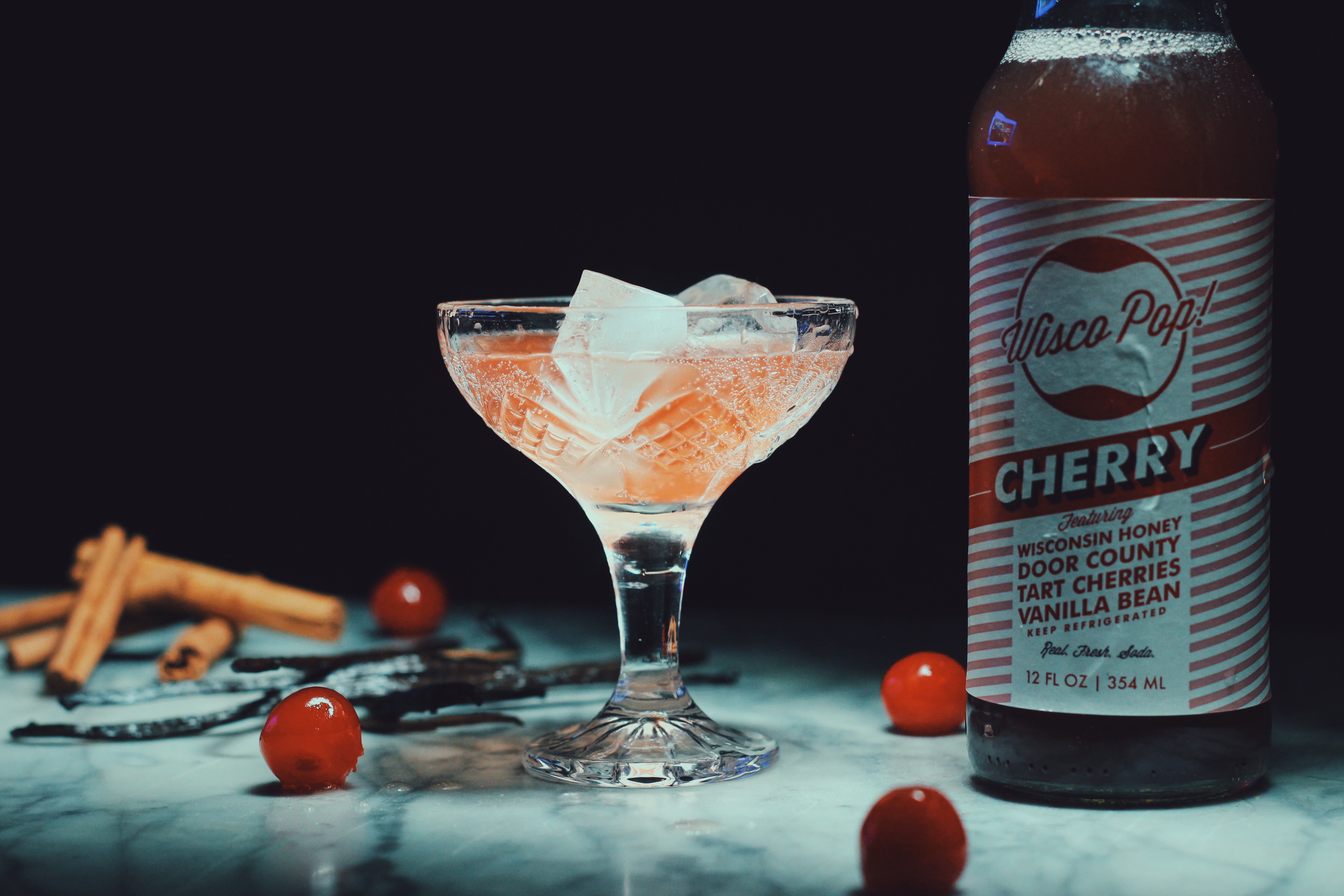
Wisco Pop!: Cherry

History: It took a lot of beer to get here. A lot. And I’m not referencing the ugly girl I went home with last night. No, I’m talking about one of Wisconsin’s freshest exports: Wisco Pop! Soda. Founder Austin Ashley is a lover of food and beverage. In 2003, he was ahead of the craft beer scene, sampling as many as he could ingest. He even bought equipment to brew his own beer. But before he got that far, he burned himself out on the stuff, both mentally and financially. With a curious mind and bunch of brewing equipment just sitting around, Ashley turned his attention to making ginger beer and root beer, the latter of which wasn’t quite as palatable. “That was pretty disgusting,” he admits. After trying out various recipes and flavors on families, the Wisco Pop! team of Ashley, his wife Hallie, and his friend Zac decided to hit the farmers market in July of 2012. When I think of farmers markets, I think of words like “local,” “fresh,” and “natural.” If you’re like me, you hit the nail on the head when describing the soda Wisco Pop! brews. “We’re 100% committed to using, real, fresh, natural ingredients. Everything comes from something in nature,” Ashely explains. Naturally, it was a hit at famers markets, so the trio launched a Kickstarter in December of 2013 to buy bottling equipment. Fast forward to late 2015 and the Viroqua, Wisconsin company is now selling their soda nationally online. Currently, Wisco Pop! produces three flavors: Ginger, Cherry, and Root Beer. “The natural food market is the consumer I’m after,” Ashley tells us, before adding that no soda from the company will ever be associated with a flavor house or any sort of outside recipe manipulation. Translation: you want fresh, you get fresh. No preservatives. Local ingredients. Real fruit, sugar, honey, and spices. Ashley actually gets frustrated occasionally with how fresh his company’s soda is because not every batch turns out the same. So you might buy Wisco Pop! Cherry in the summer and have it taste slightly different than a batch from the fall.

If you can’t read big headlines, Cherry is the flavor we’re reviewing today. Wisco Pop! Cherry is perhaps the most localized flavor in the company’s line. The stars of the show are the Door County Cherries used. Ashley describes the cherries as tart and often used in Wisconsin cherry pies. So you probably won’t be surprised to hear Ashley say he wanted the soda “to taste like cherry pie a little bit.” In talking to Ashley on the phone, you get the sense he’s a pretty chill dude. It wasn’t much more of a surprise then to hear him admit that he didn’t put a whole lot of thought into the recipe as a whole. In addition to the cherries, the soda’s recipe also contains vanilla bean, Wisconsin honey, cinnamon, and lemon. Currently, Wisco Pop! is working on a 100% organic soda line with grapefruit hibiscus the likely first flavor.

Where to get: Wisco Pop! soda is available at 105 retailers mainly in Minneapolis, Milwaukee, Madison and surrounding towns. You can find your nearest retailer at the company’s online locator. You can also purchase the company’s soda online from anywhere in the U.S. via their web store.

Nose: Big vanilla bean scent. Smells like the inside of a cherry pie with a heavy vanilla influence.

Taste: Tart cherries; lemon; smooth vanilla bean; mild honey. This has really good, authentic flavor of cherry and vanilla. The vanilla bean tastes so pure that it gives the soda an earthy aspect. The cherries are flavorful and taste slightly tart; this is enhanced by the carbonation. There’s also some lemon notes in here that add to the tartness. I want to emphasize that this is tart and not sour. Back to the vanilla – the more you drink this, the smoother it gets and the creamier the vanilla becomes. The longer this soda goes on, the more and more the flavors meld with one another to create the taste of the inside of a cherry pie. It’s really pleasant and shows the sophistication of the recipe. Great authentic cherry and vanilla bean flavors.

Finish: Still fairly tart cherry flavor with subtle vanilla also still present. The one flavor you taste on the finish and not as much in the soda’s body is honey. Overall, pretty similar to the flavors you taste near the beginning and middle of the soda with the exception of some mild honey notes.

Rating: Wisco Pop’s Cherry is probably one of the easiest drinking cherry sodas you’ll come across. With its tart cherry notes and smooth, slightly creamy vanilla flavors, it’s an excellent fruit soda that demands more than one bottle be enjoyed. This only gets better as it goes on. The tartness of the cherries and lemon and the creamy, earthy notes of vanilla are a perfect contrast of flavors and provide a wonderful mouth feel. This soda makes me smile. I do wish I could taste the honey more because it’s advertised as local “Wisconsin Honey” and the brand is of course called “Wisco Pop!” But that’s really my only criticism. Cherry by Wisco Pop! is like a loving girlfriend. She’ll always take care of you and never let you down. You’d be silly not to invest in Wisco Pop’s Cherry. She’ll treat you well.

Four Stars

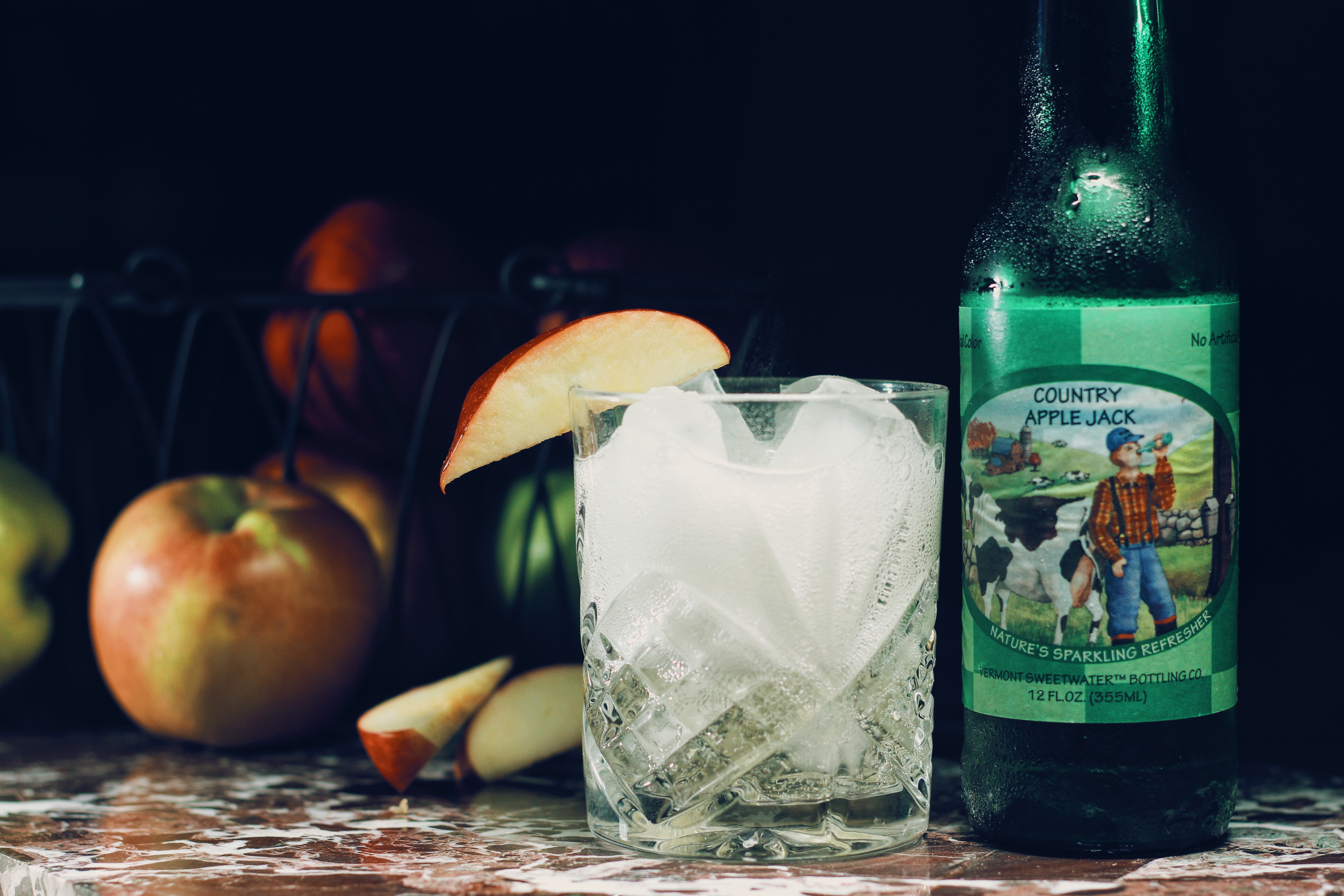
Vermont Sweet Water: Country Apple Jack

History: Apple is a vastly unexplored flavor in craft soda. It’s like the deep sea; we don’t really know how to approach it. Maybe it’s a little scary, but it can also be pretty neat. The biggest difference, I guess, would be that most of the stuff at the bottom of the ocean looks like it could eat your soul, while apple soda seems like a small blessing. Vermont Sweetwater is a small soda bottler founded in 1993 by brothers Rich and Bob Munch. The company tries to cater to the slightly more adventurous craft soda drinker. I mean, they founded the company on a carbonated maple seltzer water. Some of their flavors include Mango Moonshine, Raspberry Rhubarb, and Tangerine Cream Twister. They’re one of only a small number of companies that dared to seek out and try apple in soda. They call it Country Apple Jack, an apple soda with a dash of cinnamon. We don’t know a whole lot more about it than that so let’s get to tasting.

Where to get: You can buy Country Apple Jack or any other of Vermont Sweetwater’s sodas at the online store in either 24-packs or 6-packs, as well as on Amazon.

Nose: Faint apple; cinnamon; honey.

Taste: Honeycrisp apples; Ambrosia apples; tartness; cinnamon; sugar. This tastes like a soda your grandma made at about 6:30 after supper to be served with a scoop of vanilla ice cream. It’s got really good, authentic apple flavor. The biggest tasting note is honey, so it’s likely this was made using the flavors of Honeycrisp and/or Ambrosia apples, both rich in flavor and yielding a good honey taste. You’ll also taste cinnamon more along the backend of each sip. It’s not overly sweet, but there’s definitely enough sugar to make this feel like soda. There’s a definite tartness to this when you first drink it, but that fades with each continual sip in favor of a creamy honey flavor. The name “Country Apple Jack” seems very appropriate for this soda, as it feels like a down home, old fashioned recipe you’d encounter on a farm. Big on apple flavor with corresponding notes of honey and cinnamon and the slightest amount of tang for contrast.

Finish: Kind of a creamy apple and cinnamon thing going on. Think of the gooey inner portion of an apple pie.

Rating: Vermont Sweet Water does an excellent job of taking a soda that most will assume tastes like carbonated apple juice and rewriting the script on it. Instead, Country Apple Jack is somewhere in between biting into a Honeycrisp or Ambrosia apple and a piece of grandma’s apple pie. It has some striking similarities to Pure Soda’s Apple Pie Soda, though this is more of a spiced fruit beverage than one trying to emulate a dessert. It does a good job of living up to its name. It just tastes a little country, a little southern, even. Ironic for a soda from Vermont. Country Apple Jack is highlighted by a distinctive blend of honey and cinnamon flavors. If you’re an apple aficionado, you’ll probably taste the aforementioned Honeycrisp or Ambrosia flavors. If you’re normal like the rest of us and can’t identify specific apple flavors, just know those are the ones that have a honey taste to them. There’s also a slight tart or tang to this for contrast. It’s stronger at the beginning and fades as you drink it. I’d like to see that tartness hang around and give this more of a full-bodied flavor, something to push back a little more. On the flip side, a nice surprise with this soda is its creaminess. I’ve always wondered what an apple cream soda would taste like. This isn’t it – but it’s as close as I’ve seen anyone get. As you drink Country Apple Jack, it loses its tartness and becomes velvety in both mouth feel and flavor, similar to the inside of a pie. It’s easily the soda’s best element. Still, I see this being a divisive soda. Some will want this to be what it isn’t – a carbonated bottle of apple juice. I wouldn’t argue with you if you ranked this three stars, but I don’t see how it could go any lower than that. Personally, I think you have to applaud inventiveness, especially when it works. Country Apple Jack isn’t a soda you’ll likely put in your regular rotation, but it’s a nice change of pace that any soda lover should sample at some point.

Four Stars


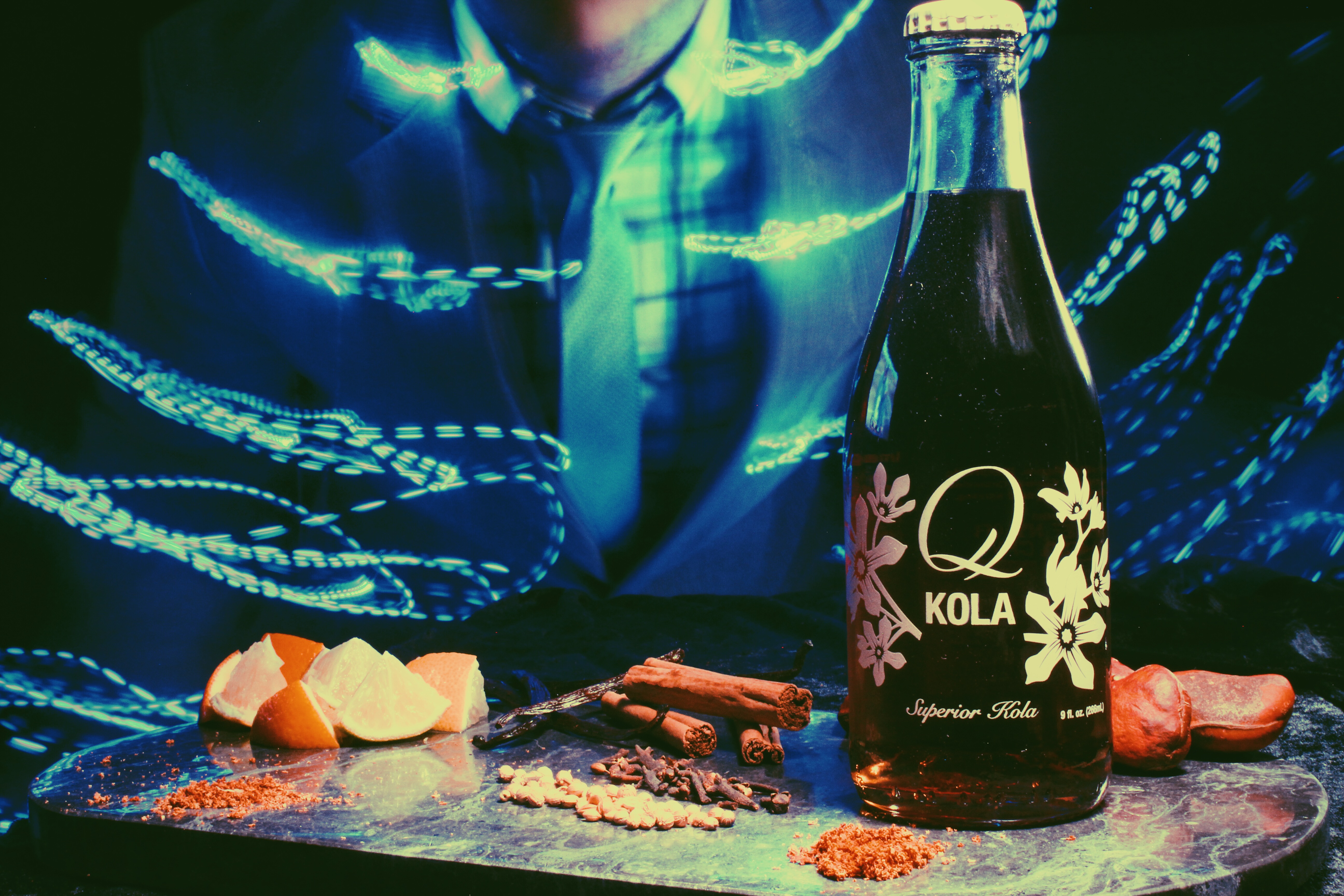
Q Drinks: Kola

History: After taking a bullet in the Battle of Columbus, John Pemberton needed a drink, and boy did he craft a knockout: wine, kola nut, and cocaine. He called it Pemberton’s French Wine Coca. He eventually replaced the wine with sugar, carbonated water, and phosphoric acid to create Coca Cola. Coca Cola still contained cocaine in the recipe up until 1906 with the bitter caffeine-infused kola nut mostly present to mask the drug. Brooklyn-based Q Drinks founder Jordan Silbert believes the giant company’s monopoly on the category is a reason more bottlers don’t attempt their own version.”What the heck do you do? There’s no such thing as cola flavor,” he argues. Silbert’s company is a staple in the cocktail industry and is arguably the most recognizable line of craft mixers on the market. He only started making sodas in 2011. But first you need to know his story because it’s hilarious. Silbert remembers having a gin and tonic with some friends in his backyard in 2004. Then another. And another. He noticed his teeth started to feel sticky. Glancing at the ingredients list on the bottle of Schweppes tonic water he was using as a mixer, he noticed lots of artificial additives and high fructose corn syrup. Same thing when he looked at the bottle of soda his friend was drinking. Now drunk and motivated, he idealized his own version of tonic water. The difference between Jordan and most young adults who get drunk and have good ideas is that he remembered it the next morning. “The idea of creating something better didn’t go away,” he said. Q Drinks indeed was founded on tonic water where it was initially served at three restaurants in the New York area. This led to a big write-up in the New York Times and the brand took off. Q Tonic bottling began in 2008 with ginger ale in 2011 and then club soda, citrus soda, and kola in 2012. Today, Q Drinks offers 8 different flavors. “We use awesome ingredients. We agonize ingredients,” Silbert boasts. It’s those same ingredients that Silbert says sets the company’s kola apart from its competitors.

To quote Iron Chef, Q Kola is made with a veritable pantheon of flavors. A quick review of the Q Drinks website reveals a long list: “kola nut, cinnamon, cloves, coriander, lemon, lime, orange, and nutmeg.” Quite a list when compared with a drink like Coca Cola where most of those flavors are foreign. Silbert admits cola was the hardest flavor to concept out, but he had a distinct vision for the it. “It’s a blend of spices and fruits that give you four tasting elements: tang, sweet, spice, and savory,” he explains. He believes the bitter kola nut, phosphoric acid, and citrus impart a nice tanginess to the flavor profile, while the cinnamon, cloves, and nutmeg bring some needed spice and savory elements. One of those “amazing ingredients” mentioned above focuses on the soda’s sweetener. Q Drinks uses “organic agave from the Mexican countryside ” instead of cane sugar to give the kola a “dirty sweetness that’s warming” as Silbert describes. Another point that sets Q Kola apart from other colas is that the soda is only 70 calories per bottle. So you don’t have to shed tears of self-hatred as you type it into your daily fitness app calculator. To be fair, the soda comes in a smaller bottle, but let’s be honest – most of us aren’t in a position to judge about size. One last aspect to pay attention to with the cola, as with all Q Drinks beverages, is the carbonation. The company uses custom-built thick glass bottles engineered to hold more bubbles. Silbert admits Kola is a little less popular than other beverages in the Q Drinks portfolio, but to us it was the most soda-ish, so we start our journey with the brand here. He finishes our conversation succinctly by putting a bow on the company’s philosophy, saying “We care. We give a shit.” Us too, Jordan. Us too.

Where to get: Q Drinks sodas are found nationally throughout the U.S. Safeway, Whole Foods, and BevMO stores are just a few of the more common options. But honestly, I’d be surprised if you couldn’t find this at your local grocery or liquor store in bottles or cans. You can find your nearest retailer by checking their online locator. You can also purchase it online from a variety of stores like Amazon, Walmart, or from Q Drinks directly.

Nose: Classic cola; cloves; cinnamon; nutmeg. Smells of a classic cola with a touch more spice, most notably nutmeg.

Taste: Cola; orange; lime; citrus; nutmeg; cinnamon. Definitely a softer cola in terms of mouth feel than most on the market. Also definitely not as sweet at 20 grams of sugar for a 9 oz. bottle. This doesn’t have the harsh, bitter carbonation you’re used to with Coca-Cola. The lighter carbonation helps the flavors come through more, and several are recognizable to the tongue. Besides traditional cola flavor, what’s most striking about Q Kola is the citrus. You taste orange and lime the most and they give the cola a unique twang you won’t find in many others – you feel it in the back of the tongue most. It’s important to note the citrus elements don’t render the cola overly acidic – just a little tangier than most. You’ll also taste undertones of cinnamon and nutmeg. These are ingredients found in many craft colas, but they’re more subdued in Q Kola, more of a lingering flavor in the background. There’s also just a touch of earthiness to this, which comes from the kola nut, a bitter ingredient in general. As a whole, it’s not overly strong in flavor, but you can taste a lot of the different components that make it what it taste fresher than a majority of what’s out there. Very easy to drink on its own or with your favorite liquid encouragement.

Finish: Kind of a tangy caramel finish with subtle spices, most notably cinnamon. Definitely pleasant.

Rating: When tasting Q Kola, it’s clear the soda’s composition was tailored to fit with cocktails more so than drinking on its own. And that’s not a bad thing. Out of the bottle, Q Kola is defined by how easy it is to drink. It’s a very soft cola with less carbonation than its relatives. All the traditional craft cola ingredients are here – cinnamon, nutmeg, citrus – but they stand out in ways you aren’t used to in colas. Where Q Kola really shines is its use of citrus. The orange and lime tasting notes in this are bold and stand out near the beginning of each sip, giving the soda its signature tangy flavor. And listen, I’ve had some tangy things in my day, including the girl from the other night – they’re rarely good. This is an exception. That tangy feeling you taste near the back of your tongue contrasts well with the spices you taste later in each sip. The spices we tasted the most were nutmeg and cinnamon, in that order. The nutmeg imparts a nice savoriness, while the cinnamon enhances the soda’s traditional cola flavor. Bottom line, this tastes more refreshing than traditional cola with a strong citrus influence and mild spices. The only drawback we found with this cola is the fact that its pretty light. But that’s by design because its primary objective is to mix with spirits. I’d probably turn the volume up a couple levels on everything and I think Q Kola could become one of the best colas you could purchase to drink unencumbered by alcohol or ice. Still, I’d definitely recommend this, particularly if you’re a cola or spiced soda fan. It’s a nice change of pace. For those of you who partake in the spirits, Q Kola is a monster of a mixer. Perfect for bourbon and excellent with rum. Drink half the bottle on its own, then mix it with your favorite liquor. It’s easy drinking out of the bottle and easier drinking paired with booze. Don’t overlook Q Kola as simply a sidekick for alcohol; this is a cola that holds its own with the best of them.

Four Stars

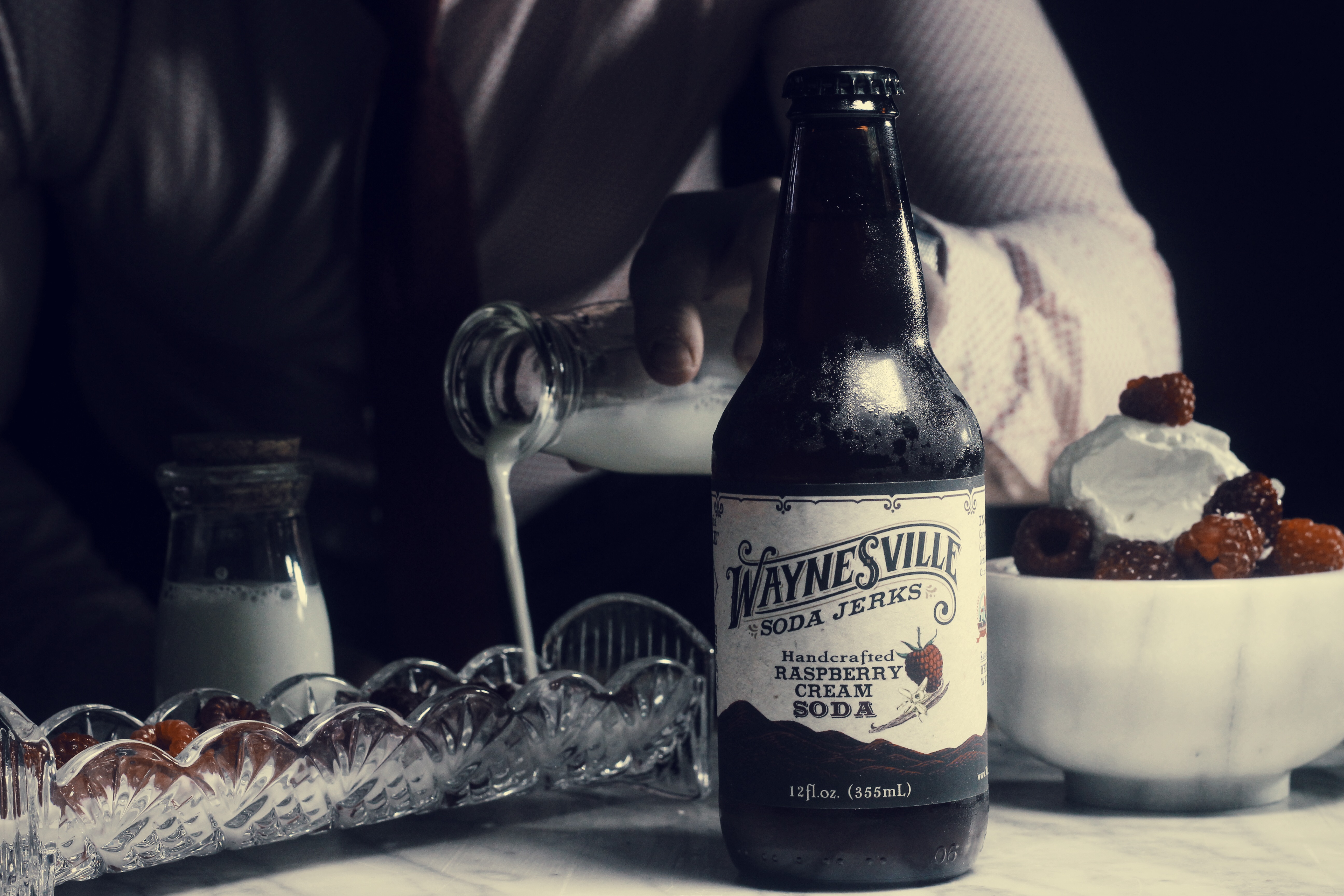
Waynesville Soda Jerks: Raspberry Cream Soda

History: If the farmer’s market had an all-star team, these two would be its captains. Chris Allen and Megan Brown are the founders and owners of Waynesville Soda Jerks in Waynesville, North Carolina – and they’re about as farm-to-bottle as you can get. The two launched their full eight-flavor line of handcrafted sodas in May of 2015, and they’re so serious about going local with their ingredients that they literally list where they came from on the bottle. These days “handcrafted” is becoming kind of a cliche in craft soda, but for this duo the word seems appropriate. “We really like to highlight the local agriculture around western North Carolina,” says Allen. The two started by picking local wine berries from outside their home and using a Soda Stream to see if they could create something worth drinking. In April of 2013, they launched a Kickstarter, and two-and-a-half years later, they’re one of the fastest-growing small bottlers in the nation. The highlight ingredient in all Waynesville Soda Jerk Sodas is the fruit, which Brown notes “is always local,” with the exception of citrus and vanilla. Allen and Brown had been focusing solely on going the route of fruit or fruit and herb sodas until the requests for traditional flavors finally struck a chord with the two.

“People were always asking for cream soda,” Allen admits. So the jerks went to work and put their own unconventional twist on the flavor: raspberry. As a soda fan, the marriage of these two flavors is exciting. Imagine taking something that people already love and adore and making it even more stunning. On paper, this is like combining all the best parts of Beyoncé and Taylor Swift… in soda form. Who doesn’t want to look at that? Who wouldn’t want to drink that? Who wouldn’t want to just… let’s get back to the point before this gets weirder. The decision on which fruit to choose for their newest flavor was easy. Brown tells us that the two “had an outstanding source for raspberries this season,” in Wright Way Nursery. The duo fresh presses the juice from the raspberries themselves and it goes right into the soda. We weren’t told exact proportions, but when asked about how much real juice went into each bottle of raspberry cream soda, Allen responded in a serious tone with “a significant amount.” Allen and Brown made it very clear there were two distinct tasting elements to this soda: the raspberry flavor and the cream flavor. For the fruit, Allen says they went for a “very clean and pure raspberry flavor.” As for the creaminess, it was really the first “traditional” non-fruit soda flavor the two decided to bottle. So in order to achieve the taste they wanted, the duo used real vanilla beans and caramelized the cane sugar for a creaminess that balanced out the sharpness of the raspberry. They also added a little lemon juice and a pinch of sea salt for what they called “soda seasonings,” adding that they brought acidity and richness to the flavor profile. We aren’t sure exactly how they put it all together, but I’ll take $200, Alex, for funnel this in my mouth. The pair is also working on another new, more traditional flavor – but we’d hate to spoil it for you.

Where to get: You can purchase raspberry cream soda and the rest of the Waynesville Soda Jerk flavors at the company’s new online store or from Summit City Soda. And if you’re from the Waynesville area, check out these spots to pick up a bottle.

Nose: Fresh raspberries just run through the water. On first smell, you’d swear this was raspberry soda. Not much in the way of vanilla or any sort of creaminess.

Taste: Fresh raspberries; soft vanilla; mild tartness; sugar. You’re greeted with a very authentic, but not overwhelming raspberry flavor. Reminds me of eating raspberries with sugar on top, but in liquid form. Very light and refreshing on the palate. Definitely more crisp than creamy. The initial raspberry flavor is joined by noticeable vanilla notes about half way through the sip. There’s also just a little bit of tartness from the lemon in this that adds contrast to the sweetness of the raspberry and sugar; you feel it on the edges of your jaw. A nice jolt of unexpected flavor. Before the drink begins to fade, the raspberry and vanilla meld to really create that raspberry cream flavor. Reminds me of raspberries with creme fraiche.

Finish: Vanilla sugar with subtle raspberry notes that linger, then slowly fade.

Rating: Waynesville Soda Jerks pride themselves on using fresh fruit in every hand-made batch of soda they produce. They even tell you where the fruit comes from on every bottle. You can taste their dedication. The raspberries in their raspberry cream soda taste real, not like candy. It’s like drinking raspberries with sugar on them with a dash of lemon and a dusting of vanilla bean. Typically when you think of cream soda, you think something that feels heavy on the palate, thick and frothy in texture. This is much lighter than you’ll probably be expecting. It’s more crisp than it is creamy. I’d probably call this raspberry-vanilla soda to my friends as opposed to raspberry cream, but it just doesn’t sound the same. Then again, I don’t call my stepmom Michelle to my friends either, but I don’t even think the Internet is ready for the words I do use. Bottomline, the flavors work. The raspberries taste fresh and delicious. The lemon provides an unexpected burst of tartness that contrasts nicely with the sweetness of the raspberries. And the vanilla adds a nice layer of sophistication to the raspberry taste near the end of each sip. It’s easily the unsung hero of the soda. I actually think the vanilla could be emboldened even more in the flavor profile and only good would come from it. This is the most subtle of any fruit cream soda I’ve tried, but also easily the freshest. Waynesville Soda Jerks continue to be one of the best local soda bottlers in the country. You should go out of your way to try their stuff, including the raspberry cream soda.

Four Stars