Other Stuff

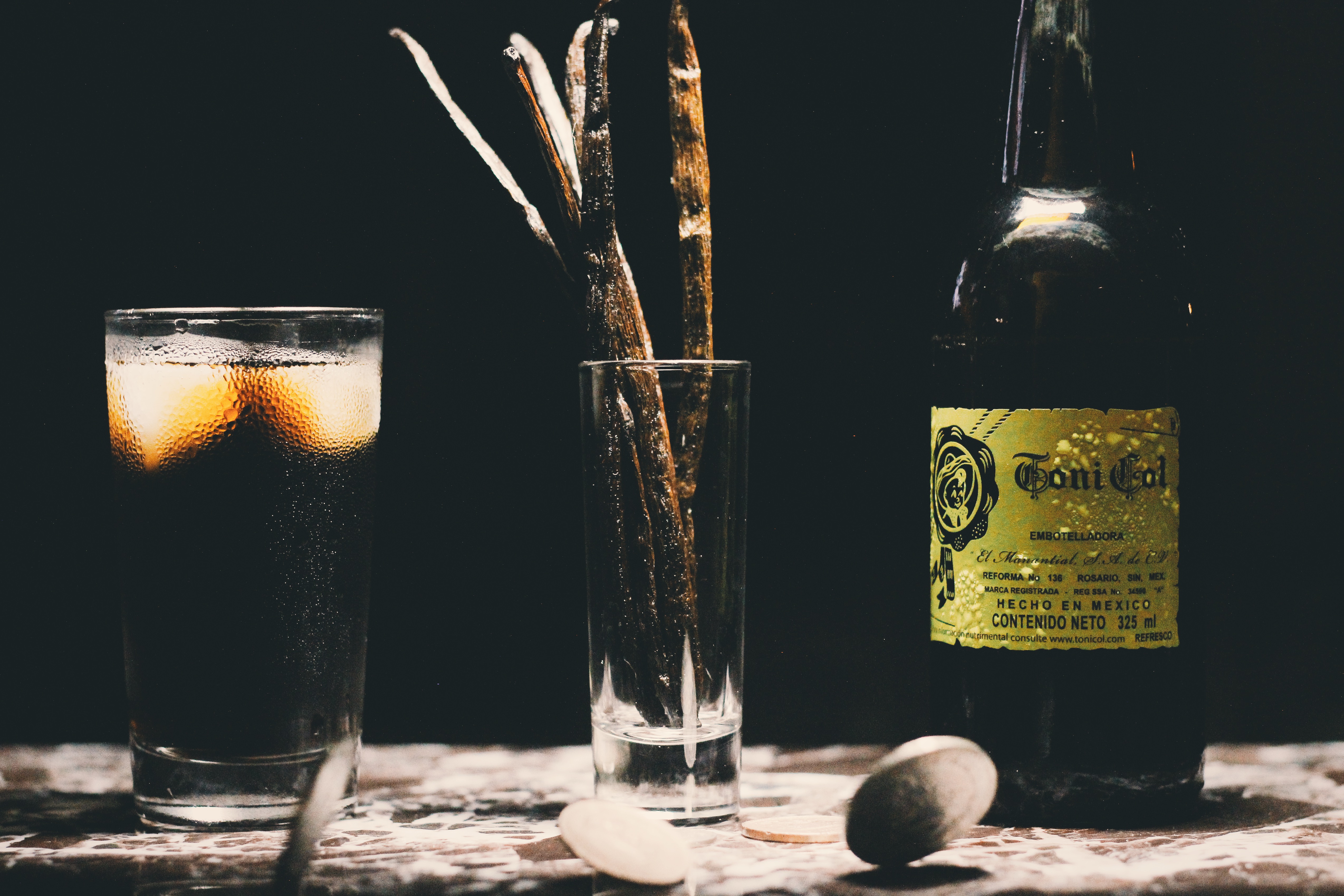
El Manantial: ToniCol

History: “I don’t know how to explain this, but it is unique,” says ToniCol Project Manager and third-generation family businessman Tobías Ricardo Lozano Solorza. That’s a direct quote from someone within the company. Even they can’t explain their soda. So we’re off to a fun start. To be fair, Solorza did try, saying “It is something between Coke, Dr. Pepper and IBC Cream soda.” We always like to start every review in a unique way, but what we’re saying here is that El Manatial’s ToniCol is different. That’s actually the company’s catch phrase, “es diferente.” But ToniCol’s history is a rich one, dating all the way back to 1887. On an unrelated note, here’s a video of the soft drink’s history that looks like it was edited in 1887. Let us educate you on some Mexican soft drink history, filled with rivalries, friendships, and our superhero, Ángel Solorza González, also known as Don Angel. The story begins in the town of El Rosario in Sinaloa, Mexico. There were two soft drink companies: La Eureka and La Azteca. La Eurkea was far superior, and according to Solorza, its boss wanted to create a “Vanilla-flavored soft drink, with a touch of other essences.” He called the soda “TonyCo,” after his own nickname, Tony. You see, bossman was a savvy entrepreneur, but he was also a little self-absorbed and cutthroat. Don Angel started working for La Eurkea in 1925 in a different city, but after learning his youngest brother would need a leg amputation, he needed to return to El Rosario. Despite the family emergency, La Eureka’s boss fired Don Angel. With one of the best businessmen in the Mexican soft drink industry now a free agent, guess who came calling? La Azteca.

After beginning work for La Azteca, Don Angel quickly began increasing the company’s value and quality. It didn’t take long for La Eureka to take notice. The bossman’s son, Joaquín Espinosa de los Monteros approached La Azteca and inquired about merging the two companies. Side note: why did everyone in Mexico used to have names longer than my wife’s credit card statement? Moving along. Long story short, the merger happened and La Azteca’s owner, Enrique Casteñeda, Monteros and Don Angel owned the new company three ways. In 1947, a fourth shareholder was added and the company’s name was changed to the current “El Manantial.” It was also the year Don Angel’s son and Solorza’s grandpa, Ángel Solorza, designed the current logo and branding for Tonicol. But remember, back then the name was TonyCo. It stayed that way until the 1960’s when the Mexican Ministry of Health banned the name because, according to Solorza, “it confused the consumers, making them believe that the drink had curative attributes.” It was also in the 60’s when Ángel purchased complete ownership of El Manantial. Today, Solorza’s mother and her siblings own the company. As for what goes into this vanilla soda, Solorza elected not to answer that question. So I guess we’ll have to unravel the mystery ourselves.

Where to get: According to Solorza, ToniCol is available to purchase for Mexico natives at major retailers like Wal-Mart, Seven Eleven, and Soriana. For Americans, your best bet is to order online through Alegro Foods.
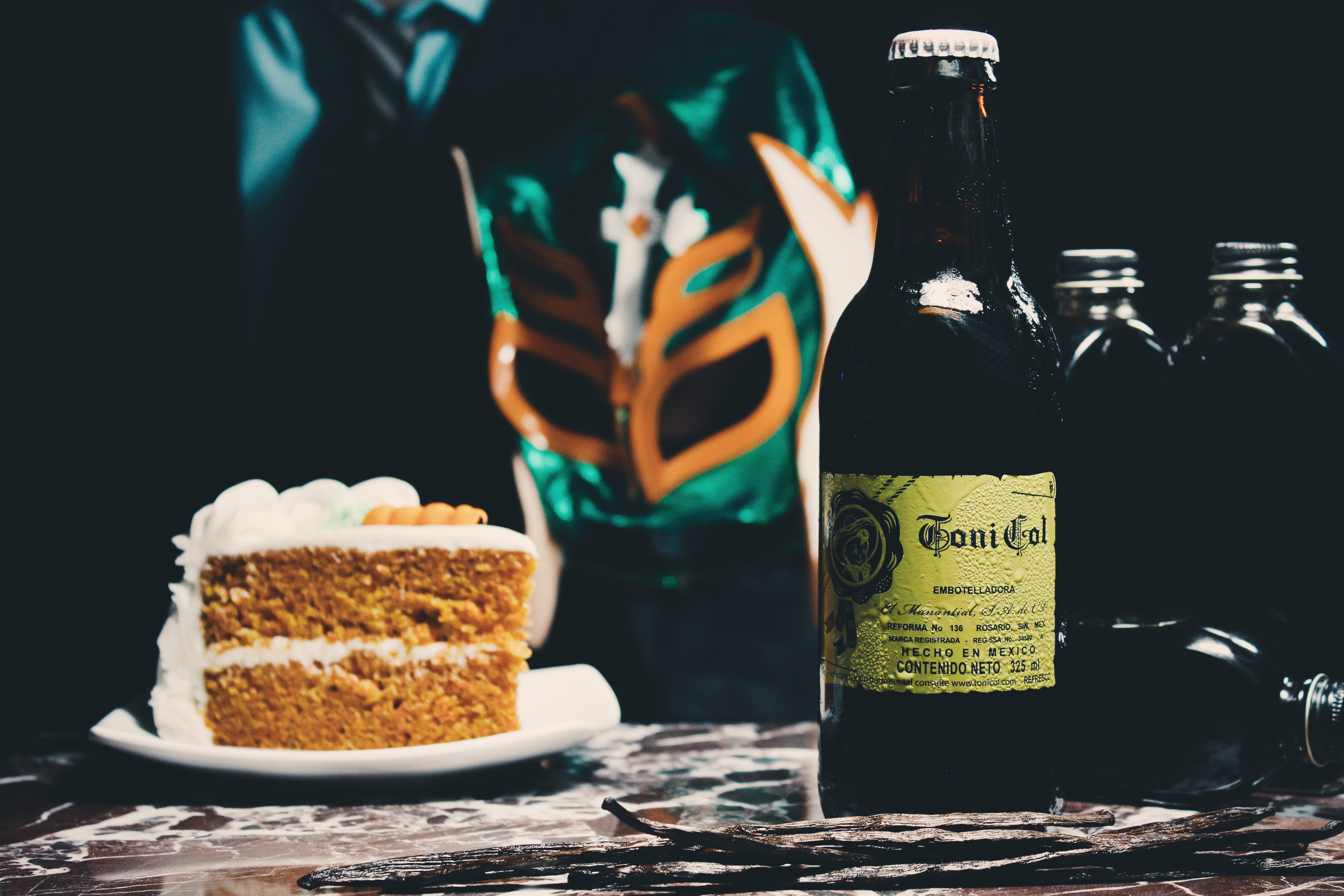
Nose: Hard to place. A little bit of orange cream and, oddly enough, carrot cake.

Taste: Carrot cake; sweet orange; light creaminess; vanilla; strong sugar. Whoa, this is different and weird. I definitely taste carrot cake. So much so that we put it in the photos. But there’s also kind of an artificial vanilla-orange cream flavor as well. There’s a creaminess to the orange, but not necessarily a creamy mouth feel. The mouth feel is very much a traditional cola in the sense that there’s some bitter notes and a rush of carbonation that aids the bitterness. Very sugary, borderline syrupy. This is very sweet. Man, I can’t shake that carrot cake flavor. It’s just… that’s what it is. Strange.

Finish: Tart sugar with orange undertones. If there is such a thing as orange-flavored sugar (eh), that’s what the aftertaste is like. It’s a tart sweetness. Odd, just like everything else about this soda.

Rating: ToniCol is hugely popular down in Mexico. I didn’t know that once you crossed the border, the flavors could change so much. I wouldn’t call this a cola, despite what your brain tells you based off the name. It brands itself as “vanilla soda,” but I wouldn’t call it a cream soda either, even though there are some slightly creamy orange notes in this. It’s just very puzzling. Here’s what we can tell you definitely about ToniCol: it’s incredibly sweet; it tastes like carrot cake; and there are some syrupy vanilla-orange cream flavors going on in the background. First, the sweetness. It’s intense, so intense there’s a syrupy taste tinged with orange. It could really stand to lose some of the sugar rush or add quite a few bitter notes. Next, carrot cake. Never in my life did I expect to taste something this vivid and weird outside of a Rocketfizz brand soda. I don’t know if this flavor was intentional, but you can take my wife on a date if that’s not exactly what you taste too. She’s with another guy now, but the offer still stands. Last, the puzzling orange cream flavor. Don’t think traditional orange cream. Think syrupy orange mixed with vanilla frosting. Not necessarily flavors that make you rush to pull your wallet out. If you want to try something really off the beaten path, ToniCol is worth a shot. Look, I commend ToniCol for being different, but I’m not sure it’s the kind of different I’d mess around with beyond a one-night-stand.

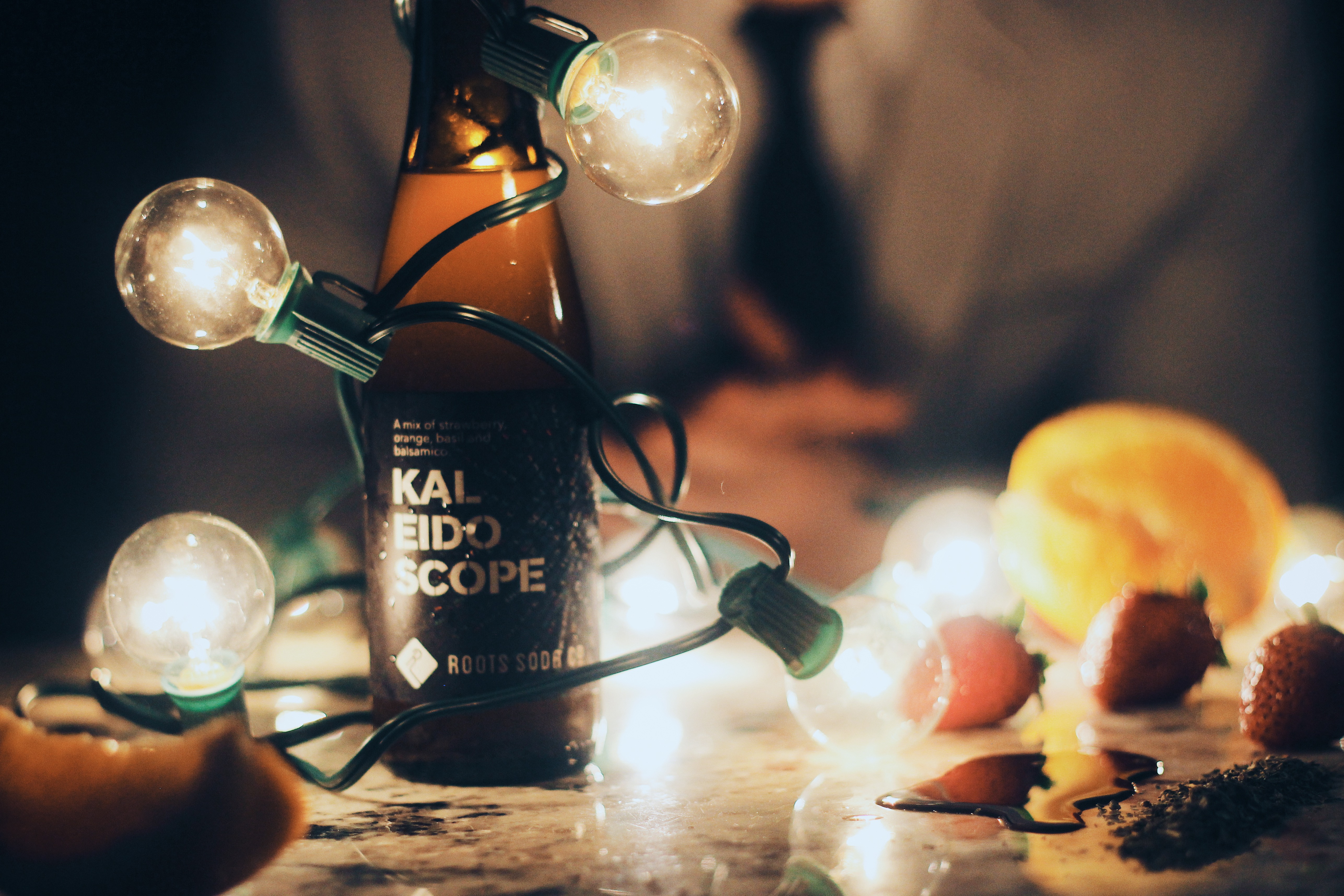
Roots Soda Co.: Kaleidoscope

History: “The landscape of soda is one of ruin.” Bleak words from the founder of Roots Soda Co., Mark Pool. Even today in the midst of a resurgence where craft and gourmet soda are putting more and more pressure on the big boys, there is still a monopoly. But before the two mass manufactured brands put a strangle hold on the soda market, your favorite ice cold bottled beverage was made at local soda fountains and bottlers were bountiful from town to town. Ingredients were real. Flavors were unique. Competition was fun and not cutthroat. Roots Soda asks, “what if that never went away?” That’s the mentality they have when making soda. Tired of the current state of the industry, Mark Pool founded Roots Soda Co. in April 2012 in Edinburgh, Scotland. It’s an art to them. You get the sense that there’s this intense drive behind the company. This mission to bring soda back to its roots. They note on their website that they want “to make the best soda possible using and honouring only the best ingredients, and sending it off into a future yet unimagined.” I like to read that quote set to triumphant piano music. Are these guys soda jerks or power ballad writers? One thing’s for sure: they’re motivated to create. Pool notes “At Roots it’s not so much about one ingredient standing out, it’s about the ingredients coming together to make something new.” Pool initially sought to create a carbonated lemonade, a popular flavor outside of America, but felt more inspired by cola and how all of its flavors coalesce to form a signature taste. That really appealed to Roots and led to its two flavors. As you might expect, they’re well thought out, a little strange, and a lot inventive.

Hoodoo and Kaleidoscope. No, those are not the names of strippers at the dodgy club downtown. They’re the two flavors Roots Soda Co. produces. “The names for soda seemed a bit tired,” Pool adds. Hoodoo came first. Pool likens it to Jekyll and Hyde. It’s a soda that both burns and refreshes. Perhaps its no surprise then that Hoodoo took months to perfect. Kaleidoscope is the golden child of the bunch… at least it was initially. The first test batch came out perfect. According to Pool, the flavor was designed to evoke memories of childhood summers or going to a music festival for the first time. But Pool can’t take credit for the idea behind it. It was his buddy Jon Seller who “suggested a soda with strawberry, orange, basil and balsamic vinegar.” It tested off the charts at the farmers market. The problems came later and on a bigger scale. Strawberries proved to be a real bitch for Roots Soda. Basically they had to either double the amount of strawberries to maintain the soda’s optimal flavor and struggle with money or stick with the original recipe, lose a little bit of quality and hit their margins. Ultimately, Roots went with option one and had to re-arrange “everything” to make the money work. “We felt that there is too much stuff that gets made just to turn a profit. We wanted to make something we genuinely cared about,” said Pool. One thing’s for sure: these dudes have guts and they’re not afraid to screw up. They’ll have more flavors out in the future. Knowing their precision and high standards, it’ll likely take some time. Until then, we present to you: Kaleidoscope.

Where to get: In keeping with their old school vibe, currently Roots Soda is only sold at physical locations. And unfortunately, only a lucky few in the United Kingdom have access. If you’re in the area, here’s a list of where to find the goods. The company hinted online sales may be coming, so always be on the lookout.

Nose: Very tropical. Like a fruit punch. There’s a vey distinct smell of mango in this bottle. That’s interesting because there’s no mango in Kaleidoscope. It’s really pleasant though. Definitely smells like something fruity you used to drink as a kid.

Taste: Tropical juices; orange; balsamic; mild tartness. This starts out with those same tropical notes you smell when you hold Kaleidoscope under your nose. Like a fruit punch in the beginning that smoothly transitions into more natural flavors of juice. That fruit punch flavor really reminds me of Fruitopia Fruit Integration, a tropical soft drink from the 90’s. You can really taste the authentic orange juice at the end of each sip too. Orange is the most prominent of the ingredients in this you’ll taste. The natural juices render the carbonation very light, almost frothy with tiny bubbles. The tartness of the balsamic and orange provide a nice balance with the strawberry. For a soda with balsamic vinegar, this doesn’t taste like balsamic vinegar. That should make most drinkers happy. You’ll primarily taste tropical fruit punch that gets balanced out with tart, slightly acidic tasting notes.

Finish: Slightly bitter orange. This is where you can taste the basil, ever so slightly. There’s a little bit of an herbal flavor with the orange too.

Rating: For a soda with only a handful of natural ingredients, Roots Soda Co.’s Kaleidoscope tastes surprisingly like a more mature version of fruit punch. The orange juice is the most prominent element in the soda, interacting with the strawberry to impart a sweetness and the balsamic to provide some bitterness. This is sweet, then tart. The amount of sugar isn’t overpowering. In fact, it works really nicely. The flavors here are really dynamite. Balsamic is an ingredient that might scare some people because of its strong bittersweet flavor, but it’s not strong enough in the flavor profile here to make you notice it. This doesn’t have any sort of vinegar taste. What the balsamic does is help provide some tartness with the orange to balance out the sugar levels. The balsamic here is like the last kid in a big family. It’s there. It has an effect. You’ll probably even like it. But most of you will forget about it. And one day it’ll end up writing soda reviews on the Internet *cries*. This is a modern-day gourmet fruit punch-esque artisanal soda that touches all the right fruity notes with an impressively small list of ingredients. I wouldn’t mind tasting the strawberry profile a little bit more, but the use of orange is exquisite. This is truly one of the most inventive and flavorful fruit sodas out there. We can’t recommend it enough. Roots Soda Co. is currently a two-soda business in Edinburgh, Scotland. If they keep making flavors as good as Kaleidoscope, new creations will be inevitable. We hope they’re just getting started.

Six Barrel Soda: Celery Soda

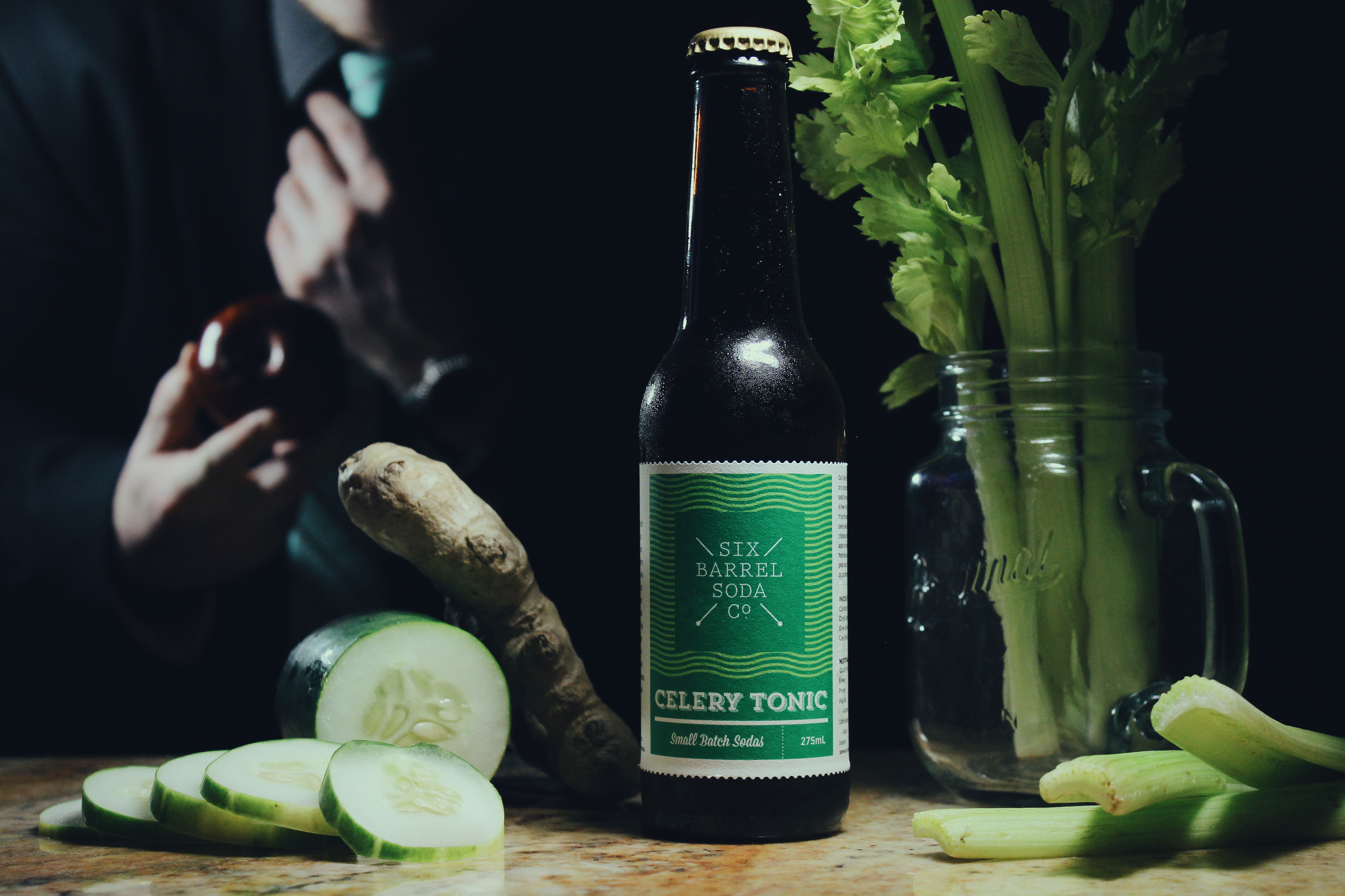
History: The American influence is everywhere, and sometimes even when it isn’t, people will go out of their way get it or make it up themselves. For example, if you’re an American, you could travel 16 hours around the world to the beautiful island country of New Zealand and you’ll still find a little piece of home at a joint called Six Barrel Soda. “I have always loved old school Americana stuff…. Soda has such a great history and there is so much to work with flavour wise,” says Six Barrel Soda Co-founder Joseph Slater. Founded in 2012 in Wellington, New Zealand, the business came about after Slater and his childhood buddy and business partner, Mike Stewart, started serving increasingly popular homemade teas and sodas at their bar in Wellington. They quickly realized they were onto something and moved away from the bar to put all their energy into the soda business. But first, for those of you unfamiliar with New Zealand, a brief lesson. Here are three things we think you should know. 1. As mentioned, it’s gorgeous. 2. They filmed the “Lord of the Rings” and “The Hobbit” movies there (I bet they’re so sick of hearing this one). 3. And most importantly, they have THESE things. Apparently something survived the Jurassic period. Stay the hell away from them. That is a real, living thing. If you see one, you won’t be. Moving on. Slater says craft soda hasn’t quite hit it big over there the way it has in America. In essence, these guys have cornered the gourmet soda market over there and they’re trying to do it in a way that ensures they stay on top by using premium ingredients, real sugar, and no preservatives. They also just have that artisan feel nailed down. Just look at their website and packaging. There’s a sophistication to their presentation.

But just as important to their business model is the willingness to be different. “We also try to do flavours that people might not have tried before or are unique to us. Our Celery Tonic is probably our most iconic flavour, we use celery seed, cucumber, apples, ginger and fresh celery,” adds Slater. Now don’t let the label “tonic” fool you. Their Celery Tonic is actually a soda. And how can you let a man who makes his own soda by hand ship it to you from across the world and not review his most popular product? That said, we’re reviewing the sarsaparilla. Just kidding, we’re reviewing the celery soda. (Immediately I realized this joke didn’t work because of the title and photos in this post. F#%k it, I’m leaving it in.) Currently, Six Barrel Soda has five bottled flavors with a sixth seasonal flavor that rotates. If you hit that link, you’ll also notice they produce a line of soda syrups. The shop also serves coffee and fries, but their commitment is unquestionably on liquid. In their own words, “We’re drink makers not chemists.” And in an age where “flavor chemists” are becoming more popular, it’s interesting to see the Kiwi’s making soda Americana-style with more good ole fashioned elbow grease than a lot of soda companies here in the states. Or something like that. And according to Slater, you might just see Six Barrel Soda pop up in America some time in the future. So stay tuned.

Where to get: According to Slater, Six Barrel Soda supplies “bars, restaurants, cafes, grocery and gift store across NZ, Australia, Singapore” and soon, Korea. Americans, your best bet is to email the company and see if something can be worked out. Six Barrel Soda sells their soda online and ships throughout New Zealand.

Nose: A balance of celery and apple juice with the celery becoming more prominent the longer you sniff.

Taste: Celery seed; apple juice; cucumber. Six Barrel Soda Co.’s Celery Tonic tastes light on sugar and rich in celery. You can really taste the celery seed as well as the cucumber. For a soda with two vegetables in it, this is refreshing and palatable. The apple juice provides a mild sweetness. The celery flavor lingers the longest. The cucumber provides some slightly bitter notes. The carbonation is very, very light. The ginger isn’t obvious in the flavor profile, but if you search for it, it’s there.

Finish: Lingering celery with a stronger cucumber flavor than in the body of the soda. Not sweet or savory. Right in the middle.

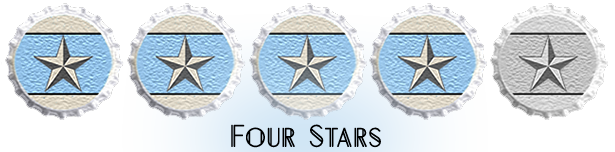
Rating: Celery is a vegetable you’re 100 times more likely to find in soup, but Six Barrel Soda Co. has no time for your culinary limitations. This is a soda made with two vegetables, but luckily doesn’t taste like vegetable soda. The primary flavors you’ll taste will be celery, apple juice and cucumber. All of them are mild. Celery is the most prominent, but don’t sleep on the cucumber, the soda’s most refreshing element and one that becomes more prominent throughout the duration of the drink. The apple juice does a nice job providing a sweetness, but I’d love to see the flavor more emboldened in the drink’s overall flavor profile. The celery and cucumber are both distinct, while the apple seems to be cast in a supporting role. I think a stronger apple would work really well with those two flavors. That said, Celery Tonic is a pleasant surprise. You don’t often expect a soda with a vegetable on the label to be something you want to drink, but I’d definitely down one of these on a hot day. Fans of botanical sodas or ones off the beaten path are almost sure to love this, but we’d recommend it to any sort of soda connoisseur. It’s an inventive take in an industry where innovation is half the battle to its customer base. Keep fighting the good fight, Kiwi friends.

Glam Cola

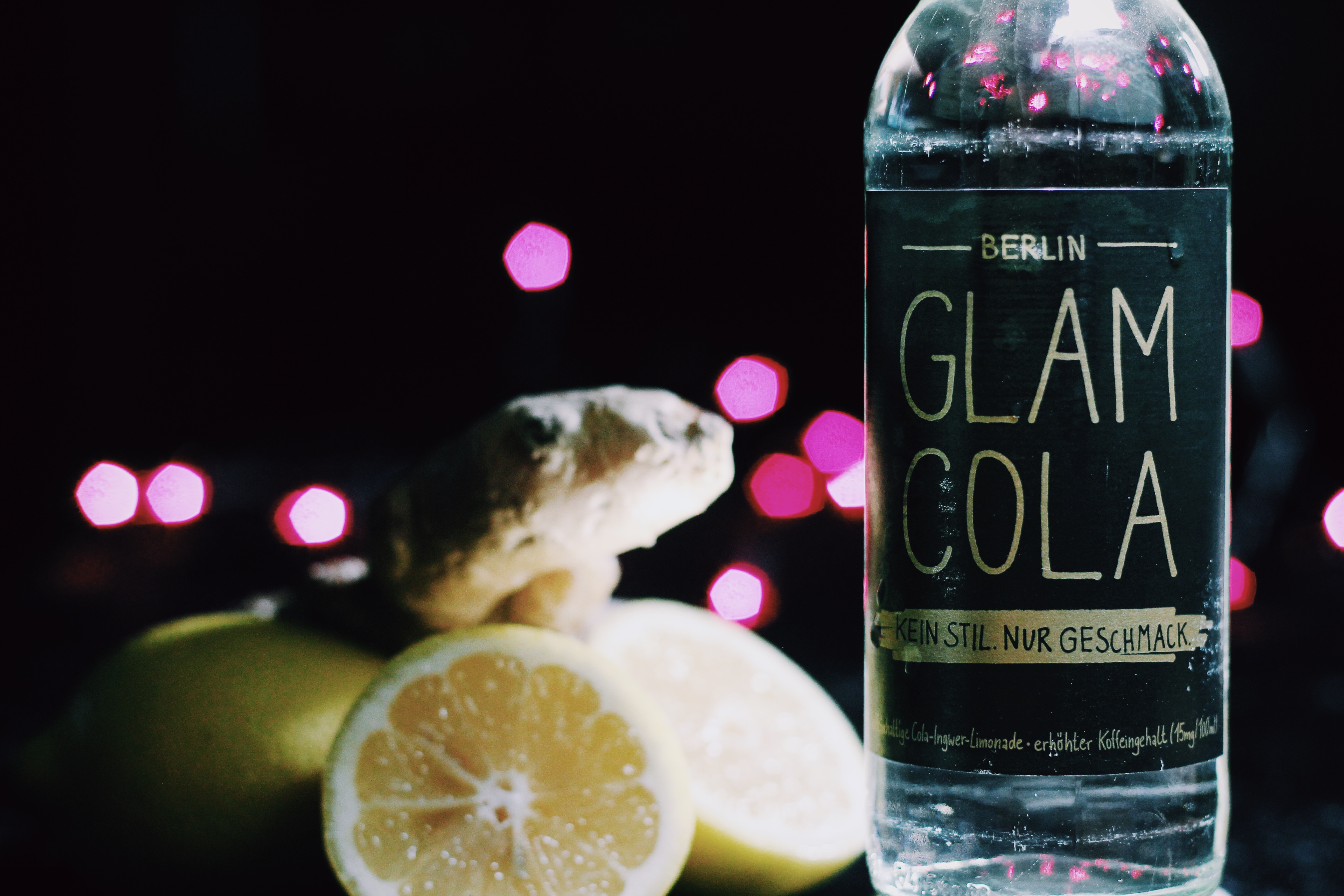
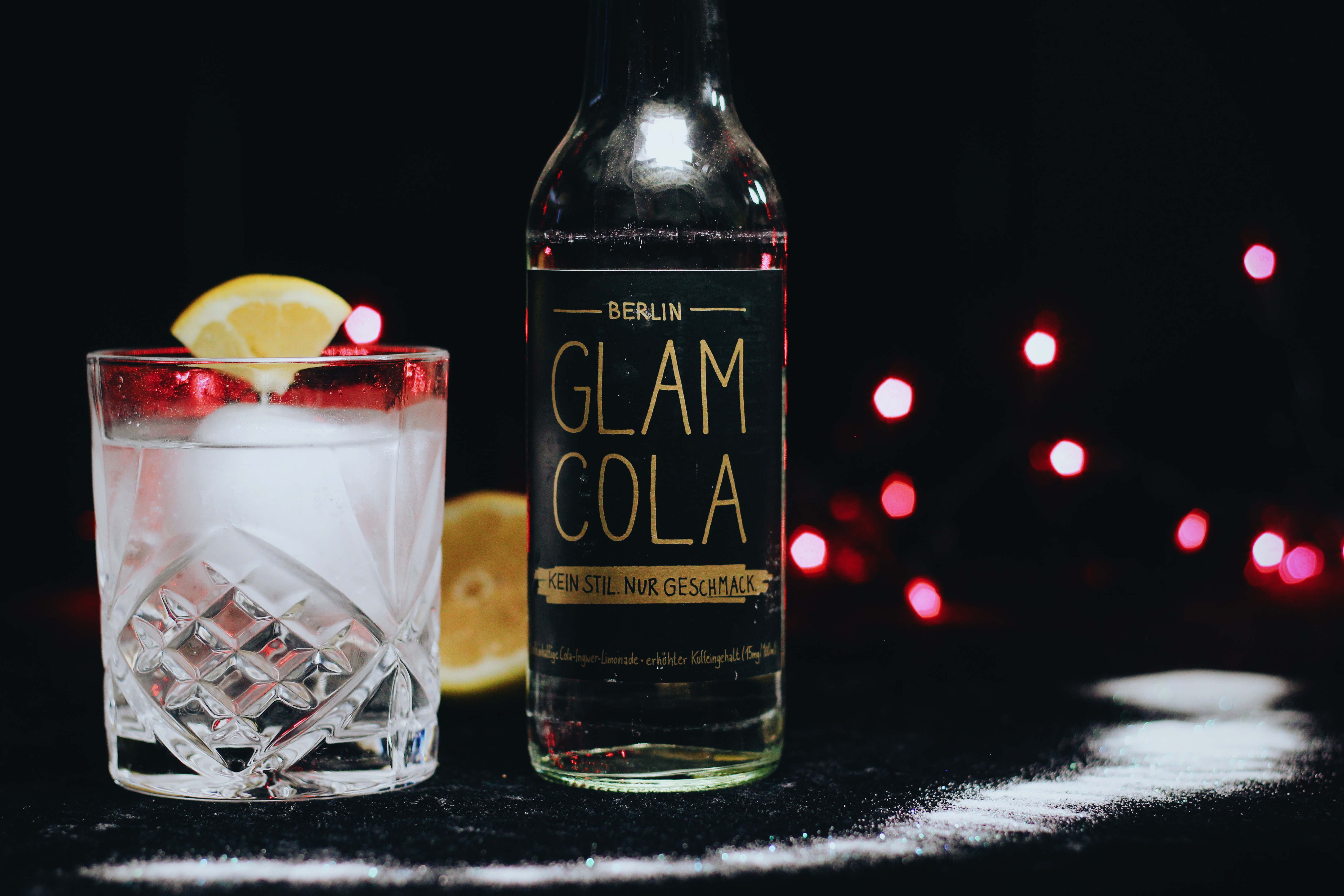
History: Nermin Çelik wanted to invent a soda that existed, in her own words, “in this realm between weirdness and brilliance.” Çelik and her family live in the Kreuzberg district of Berlin, Germany, a flashy area that inspired the name “Glam Cola.” It’s a clear cola that might remind a few readers of Crystal Pepsi. But Glam Cola is designed to taste “fresh and more elegant than common cola,” says Çelik. You can’t have a soda called “Glam Cola” and not explain the name first. But the inspiration behind the soda’s creation came from Çelik’s children. She notes “I saw them drinking it in alarming quantities and the huge amount of sugar worried me.” Newsflash: it isn’t just America where soda has a bad reputation. Unable to find a replacement that satisfied her motherly standards, Çelik decided to make one herself and by March 2013, Glam Cola hit the market. Looking at the label, Glam Cola is an interesting mish-mash of flavors: cola, lemonade and ginger. It’s also devoid of phosphoric acid and contains a large amount of caffeine at around 53 mg in a 12 oz. bottle. This is very similar to Mountain Dew. So, low sugar and lots of caffeine. Yeah, definitely sounds like a soda for kids. Glam Cola is not made with cane sugar and instead uses fructose (not high-fructose corn syrup… there is a difference). Another big marketing point for the soda is that it’s vegan-friendly. Çelik adds “Glam Cola is not only vegan but also halal and kosher.” I think this also makes it the most politically correct soda on earth. Çelik is currently at work on new flavors, including rose and lavender. No word on how glamorous those flavors will be, but we’re about to get pretty with the original.

Where to get: For a list of where to purchase Glam Cola, check out the store’s online locator. The brand is in the midst of expanding sales to Eastern Europe, Russia, and China. At the time of this review, Glam Cola is not sold online. If you are outside of Germany, your best bet is to contact the company.

Nose: Traditional cola; mild lemon; light cinnamon.

Taste: Bitterness; cinnamon; lemon. This is quite bitter for a cola. It has a very nontraditional taste. Surprising considering it smelled quite a bit like cola with notes of lemon. And there is definitely some lemon in this that you can taste, but there’s also ginger and I don’t quite taste that element considering how powerful ginger typically is in soda. Some of that bitterness may come from the ginger and lemon, but I think what you’re primarily tasting here is actually the caffeine. We all know caffeine can make you hyper, but most of us don’t know what it tastes like. Raw caffeine is very bitter. It really comes through in the flavor profile here. There’s no cinnamon in this, but the combination of the cola and bitterness create a flavor that’s very similar. Overall, this is nothing like an American cola. It isn’t particularly sweet and is noticeably bitter.

Finish: Bitter cinnamon with mild, traditional cola notes.

Rating: Glam Cola is a clear cola that tastes way outside the normal realm of what’s expected from this particular category of soda. The label of “cola” evokes a certain expectation of flavor and this is nothing like anything to which you’re accustomed. Sodas outside of America are often less sweet and more bitter. This certainly fits that bill. We were told the primary elements in this are cola, lemon and ginger. You definitely taste traditional lemon and cola influences, though they’re both subtle. What isn’t as subtle is the bitterness. It’s harsh. The combination of ingredients creates a cinnamon flavor that when mixed with the lemon and cola notes, just enhances the soda’s overall bitterness. Americans are likely to be turned off by the lack of sugar. I mean, look at how many of us have diabetes. The flavors just didn’t work for us. It’s as simple as that. Glam Cola has a fancy name and a foreign flavor that doesn’t beg for a second date. She’s the beautiful German vixen you found at the club in stilettos and a sequin dress, but just doesn’t have much personality. Now, any fans of bitter sodas out there should give this a shot the next time your travels take you to Deutschland. As for the rest of you, looking will tide you over. Glam Cola is beautiful to gaze at, but its flavor isn’t so glamorous.

Simpson Spring: Coffee Soda

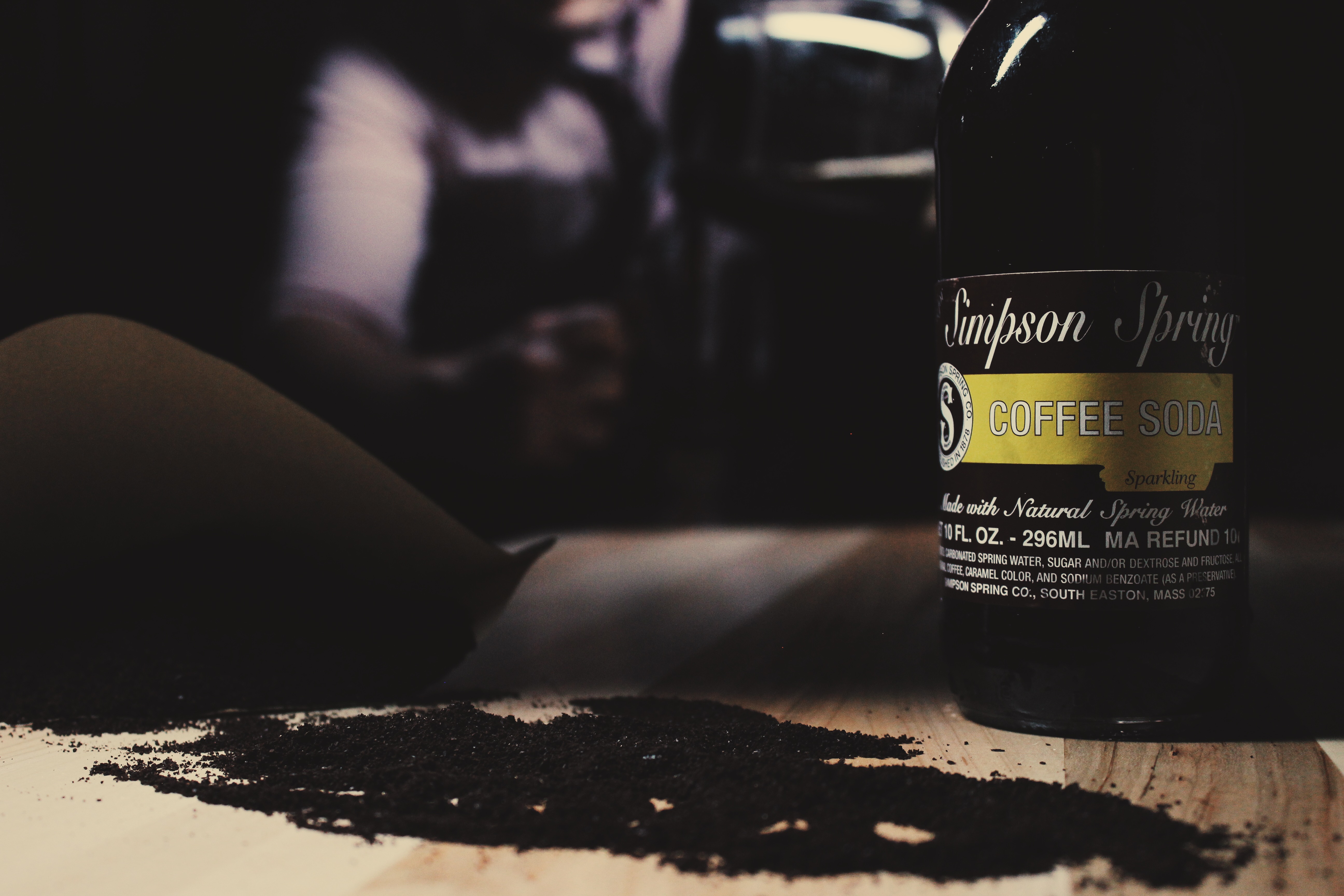
History: Let me tell you about a company whose namesake dates back to 6000 BC. Gives a whole new meaning to the word “retro,’ huh? “We’re the oldest bottling plant in the country,” says Simpson Spring co-owner and marketing head Chris Bertarelli. The spring itself is what’s ancient. The South Easton, Massachusetts company actually started up in 1878. The bottling plant is built around the spring, meaning the spring is literally in the building. After Sam Simpson acquired and farmed the land where the spring is located for 50 years, he was convinced by his grandson, Fred Howard, to sell him five acres around his property. According to Bertarelli, Howard was a bit… uhh, weird. But if it was for his eccentricities, Simpson Spring Soda might not exist. It was Howard who started experimenting with carbonating the spring water and adding flavor to it. The coffee soda we review today is still the original recipe made with real coffee and was one of the first flavors in company history. Bertarelli was uncertain about the exact date of when the company began producing soda, but notes the year on the recipe book is dated 1919. The only difference between the original sodas of now and then is that today’s versions contain pure cane sugar instead of syrup. The first incantation of Simpson Spring Coffee Soda was called “Spar Coffee.’ People would add cream and sugar… and scotch. Because nothing says starting your morning like getting hammered and stumbling through bacon and eggs. Another fun fact about the coffee soda: in 1930 it was sent down to Manhattan and sold in Macy’s department stores. Eventually, Fred Howard left the company to pursue the “dustless duster.” Bertarelli and her husband took the business over in 1988 and continue to run the historic, yet small operation. At the end of the day, it’s all about the spring. Says Bertarelli, “Soda is a 90% water and we’re using a spring water that has no chemicals added to the water and it’s in glass.” We’ve heard this is a love-it or hate-it soda, and it’s our job to tell you which side to believe.

Where to get: You can purchase Simpson Spring Coffee Soda online at Summit City Soda.

Nose: Light Starbucks Frappuccino; cinnamon bread. Not a particularly strong smell for a coffee-related beverage.

Taste: Dark roast; tartness; cane sugar. The coffee taste is immediate followed by an acidic bite. The bite is a little harsh and takes time to adjust to throughout the drink. The coffee flavor tastes a little watered down. You can really taste the water. The cane sugar helps supplant it a little but, but the tartness in this soda really cuts the sugar. The flavors are simple, but not in balance.

Finish: Dark roast with the volume turned down along with some caramel notes and tartness. Pretty similar to the body of the soda.

Rating: Coffee sodas are their own animal because of the wide variety of flavor options available. Do you want mocha java? Maybe Irish Cream? How about some wild Columbian blend infused with spices? This is what makes some of the great coffee sodas some of the best craft sodas, period. But this is still soda we’re talking about, and soda has three main elements: carbonated water, a sweetener, and the ingredients used to impart the soda’s intended flavor. With Simpson Spring’s Coffee Soda, the company has blended these three elements in a way that leaves an imbalanced flavor profile. The flavor of dark roasted coffee is nice, but it’s a ghost of what it could be and is too watered down and not sweet enough. There’s also a tartness to this that seems out of place. Coffee is an acidic drink in general, but especially so in this soda. It’s a sensation that makes your face wrinkle. It’s like every time I remember the guy my sister married. What a dumbass great stepbrother. I’d prefer to have seen the coffee flavor shine more boldy with less water used. Fans of coffee drinks should certainly still give this a try. But if you’re on the fence about it, unless you’re cool with acidic coffee, you’re better served to try another coffee soda. I wanted to like this, and I know it has a fan base, but our team isn’t sold.

Doggone Good Soda: Rose Dew Soda

History: Bill King has been in the soda business since the 1960’s. He remembers some of soda’s most vintage years when nearly every decently-sized town had their own local bottling company. He decided he wanted to do his part to bring that era of nostalgia back and infuse it with the quality of modern artisan taste. In 2008, King and his son opened The Olde Town Grinder and Ice Cream Parlor where they sold sandwiches and glass-bottled soda. After such good feedback on the soda, they started producing their own in 2012 under the name Doggone Good Soda. You won’t find soda made anywhere else the way Doggone Good Soda makes it because King literally built the bottling machine himself. The machine goes through the entire scientific process of making and then packaging the soda. I assure you that’s impressive. Recently, King and his son sold the restaurant to focus solely on carbonated goodness. They will be moving their soda business into a much larger facility in Orange, California to meet demand. The plan is to open in late summer or early fall 2015. He hopes to start selling the concept for his unique soda machine to other bottlers. “It’s going to be a model for a franchise. We’re really going into the soda big time,” King tells me over the phone. They’ll be doing some pretty interesting things at the new place. For starters, they’re going to have a large upscale tasting room, akin to something you’d find in a fine wine shop. They’ll also be aging their root beer syrup in different types of oak barrels for multiple flavor varieties and serving it in frosted mason jars. Ginger beer, soda’s current hottest flavor, is also becoming a priority.

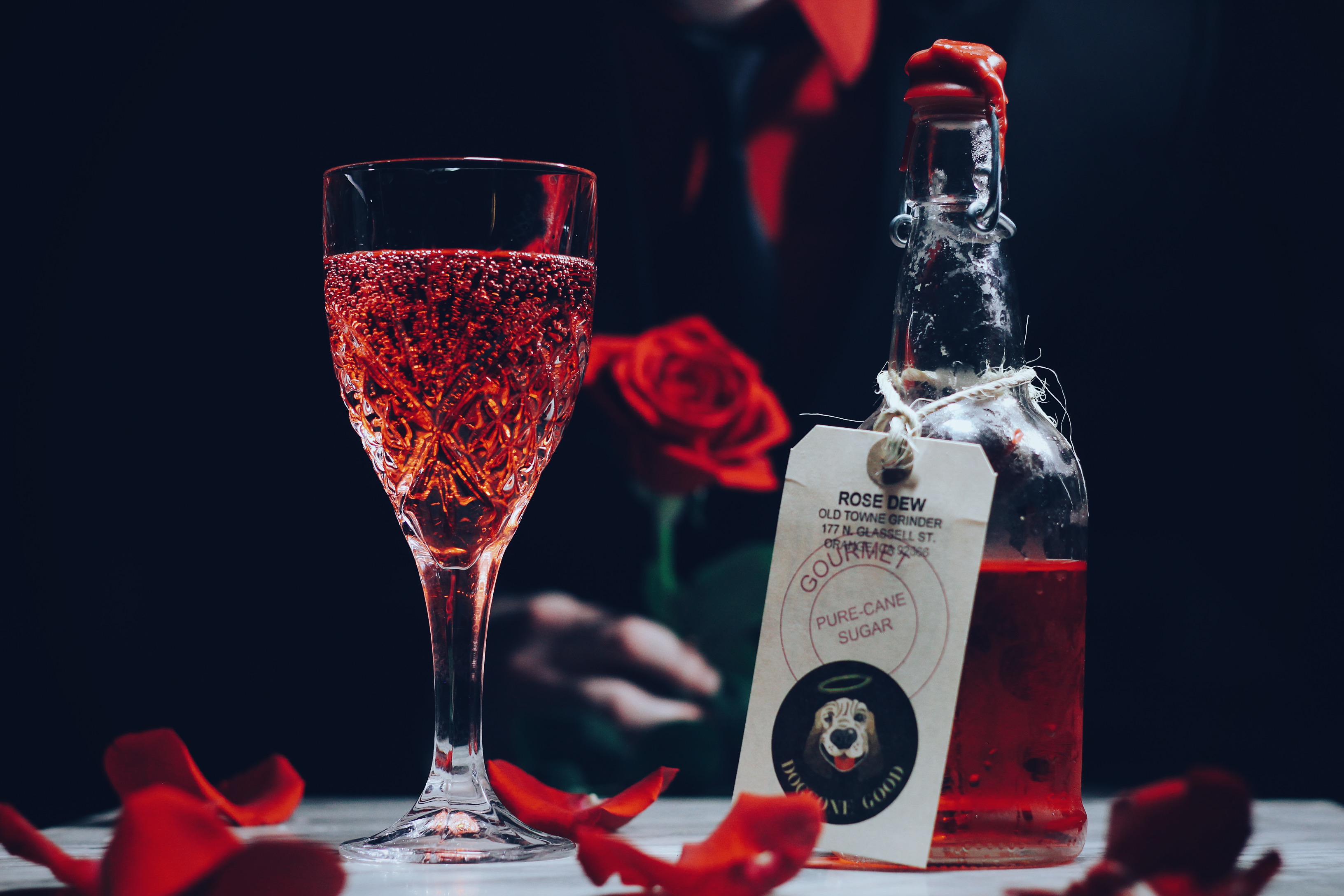
At the moment, the company boasts around 30 flavors. Some tend to come and go as new flavors are often rotated in and out. One of the company’s most unique flavors was inspired by its customers. “We’re out in Southern California and there are quite a few weddings,” King says, and he adds that requests for a floral soda kept piling up until the company created its Rose Dew Soda. “People either love it or they hate it,” King quips. With its vibrant, phosphorescent red hue and swing top bottle, Rose Dew Soda stands out in an increasingly crowded craft soda marketplace. Speaking of the bottle, packaging is an element of the business of which King is particularly proud. The company just recently rolled out a 22 oz. burlap-wrapped bottle that keeps the soda cold even longer. “We don’t know of another company that’s doing it the way we do it,” King says. Whether you like the soda or not, you can’t disagree with him.

Where to get: Until the opening of the new store in the late summer or early fall of 2015, Doggone Good Soda can be purchased by calling the company and placing an order. The number is listed on their website. King happily adds, “We will send it to anybody that wants it.”

Nose: Rose hips. This smells exactly like a freshly picked rose flower with some candied sugar added.

Taste: Sweet rose oil; mild strawberries; sweet rain; nectar. Wow. Imagine the smell of rose with some sweet, fruity notes in liquid form. That’s exactly how this tastes. This may be the shortest blurb in the review because I can’t describe it any more perfectly. It’s really different, of course. Not a lot of rose sodas out there. This tastes like a rose, but there’s also some mild strawberry notes. It’s nice and floral. Refreshing and crisp on the palate.

Finish: Fruity, sweet rose. Very clean.

Rating: This is an experience. Rose sodas are few and far between, and honestly, do you expect flower soda to taste good? Don’t lie and say you do. I see through your thorny deceit (get it?). Doggone Good Soda has really hit a home run here. Let’s call it an inside the park home run just because a rare treat deserves a rare analogy. Sweet rose hips dance on the tongue with floral notes that refresh and delight. This is light and crisp and begs for the next sip. That said, I’d say this is is a sipping soda because its flavor is so different. My advice is to take it down slowly and enjoy all of its subtleties. Rose Dew Soda is like the opposite of my stepmom; it’s a welcome addition to my family. You can almost taste the quality of the water in this, like a refreshing filtered rain water. There’s also a light strawberry flavor. But this is rose soda through and through and it’s a marvel to taste. I can’t recommend this enough for all fans of craft soda. This will be the most interesting beverage you drink all month.

Pure Sodaworks: Apple Pie

History: You hear the crickets chirping as you gaze through the forest out into the sunset, the clouds looking like fluffy biscuits charred with intense purples and reds. The evening dew is beginning to collect on each blade of grass. You hear the buzzer on the oven and know warm apple pie is minutes away. Life is simple in Chattanooga, Tennessee. The soda jerks at Pure Sodaworks want to maintain that simplicity in each soda they produce. And that warm apple pie? They wanted you to be able to drink it. But if it weren’t for a series of events, Tennessee’s most notable craft soda brewers might never have come into existence. First, there was Everyday Eclectic, Matt and Tiffany Rogers’ artisan soap and candle shop that opened in 2007. It’s still going strong today. They sell all kinds of southern goodies there, like maple bacon candles. I know what you’re thinking, but my girlfriend is already clearing our closet out to buy all of them, so don’t even bother. Well, in 2011 Everyday Eclectic moved into Chattanooga’s small business incubator. Also in the same building? Lots of food companies. “Food always win,” Matt Rogers quips. Next, there was the day at the coffee shop. Dating back even before Everyday Eclectic, Rogers stopped into a local coffee shop and ordered a standard cup. While preparing his coffee, he overheard a customer order a lavender Italian soda. “That sounds amazing,” he recalled thinking. The idea stayed with Matt and Tiffany, and with the influence of all the food-centered small businesses around them, they started brainstorming ideas within that industry. “We wanted to figure out something new that was already in line with what we were doing” in terms of using all-natural ingredients, says Rogers. To put it simply, they really just stumbled into soda. Matt started researching how it was made back in the days when soda was served at pharmacies in order to make the medicine palatable using natural herbs and spices. The couple wanted to pull from that era, but modernize it for today’s audience.

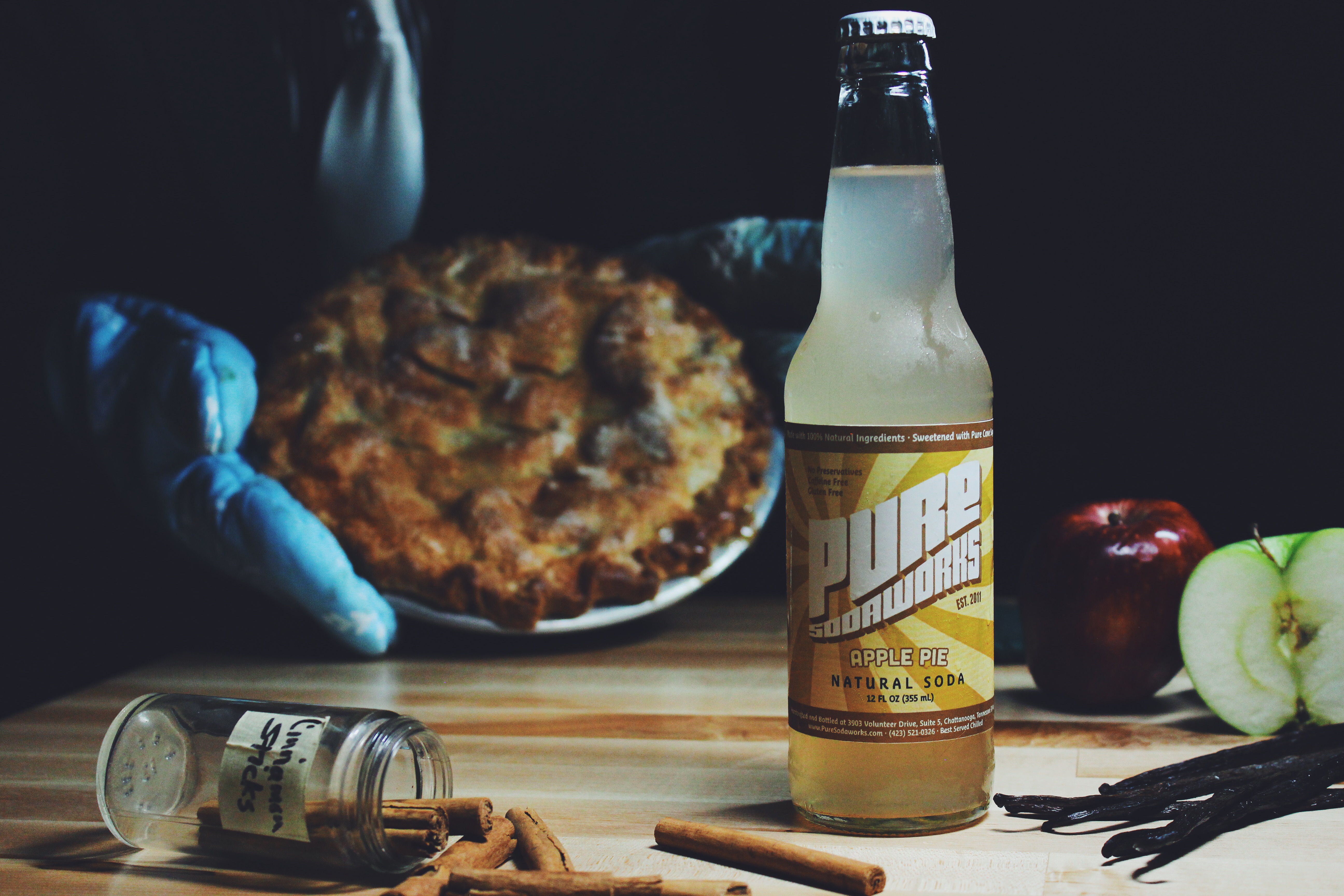
Next, Matt and Tiffany started to experiment with flavors. After positive feedback from friends, they decided to make the leap into the soda business, and in 2011 Pure Sodaworks was born. Tiffany picked the name, Matt designed the branding. They started with serving fountain soda at their local market and due to high demand, realized bottles needed to happen next. That led to a successful Kickstarter that raised over $23,000 and from that point there was no going back. Today, Pure Sodaworks is a three-person operation still trying to meet that demand. Initially, over 40 different flavors were brewed and tested, and then narrowed to six. Without a doubt, the most American of the bunch is apple pie, the soda we review today. “We wanted to come up with a more clever name, but it tastes like apple pie,” Rogers adds. The ingredients are simple and real: carbonated water, cinnamon, vanilla and apple cider sourced from a local orchard in Cleveland, Tennessee. The soda took home second place in the people’s choice category at the 2015 Homer Soda Fest. It’s a nonconventional flavor with actual ingredients you can buy at the grocery store. And that’s what Pure Sodaworks prides itself on, making unique flavors that are rooted in trying to be delicious instead of relying on novelty or gimmicks.

Where to get: Pure Sodaworks sodas are sold primarily in Chattanooga, Knoxville, and Nashville, Tennessee. You can buy Apple Pie Soda online at Summit City Soda.

Nose: Apple juice; soft vanilla; light cinnamon. Smells like the best apple juice you could ask for with maybe a hint of creaminess to it.

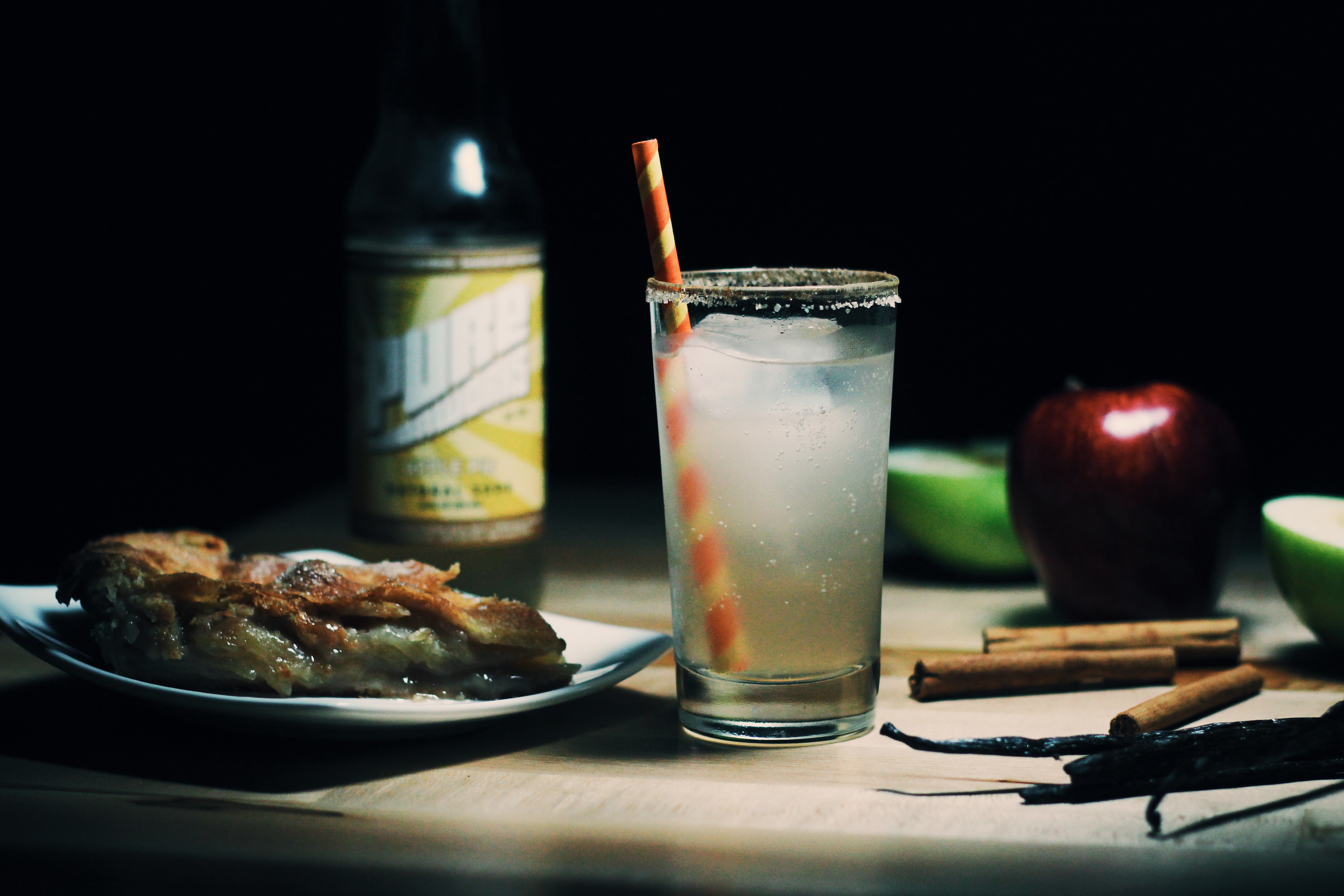
Taste: Cinnamon; sugar; apple pie. Oh man, this is pretty spot on in terms of tasting like apple pie. The apple flavor is distinctive. There’s a creaminess to it that tastes identical to that traditional apple gooeyness found inside a pie. The first thing you’ll notice is the carbonation. It’s rapid and full of fine bubbles that taste like they’ve been individually coated in cinnamon sugar, yet there’s also a tartness to them. The bubbles quickly peel back to reveal a layer of apple pie flavoring with notes of mild apple juice, sweet cinnamon and slightly creamy vanilla. The sugar in Pure Sodaworks’ Apple Pie Soda is sweet, but the carbonation and cinnamon work in tandem to not let it get out of hand. Bottomline: if someone asks what this tastes like, you won’t have a problem saying apple pie.

Finish: Like eating a piece of apple pie. You get that flakey vanilla crust and cinnamon sugar-apple combination. Spot on.

Rating: Believe it or not, there are a lot of sodas out there that try to replicate the flavor of pies. Few do it with the sophisticated flavor profile Pure Sodaworks has brewed up in their Apple Pie Soda. This is a soda that accomplishes exactly what it sets out to be, does it with only a handful of real ingredients, and doesn’t hide what’s in the bottle. That’s admirable no matter what the quality of the liquid is inside. Luckily, for all soda drinkers, this is a jackpot. It’s tart, sweet, authentic, flavorful, and slightly creamy on every sip. It’s a whirlwind of flavor. The mild creaminess of the vanilla works perfectly with the apple juice to give off that classic gooey apple pie filling flavor. The cinnamon and sugar compliment each other and interact with the tartness of the apple and the soda’s carbonation to give a balanced mouth feel. It’s hard to critique this. If I had to amend anything, maybe cut back on the initial wave of tart bubbles and dial up the vanilla profile ever so slightly. You’d be hard-pressed to find a soda that imitates a pie flavor as well as this one. This is the soda you ask out on a second date and the one you bring home to the family. Soda connoisseurs of all ages should put it on their list. Welcome to the five-star club.

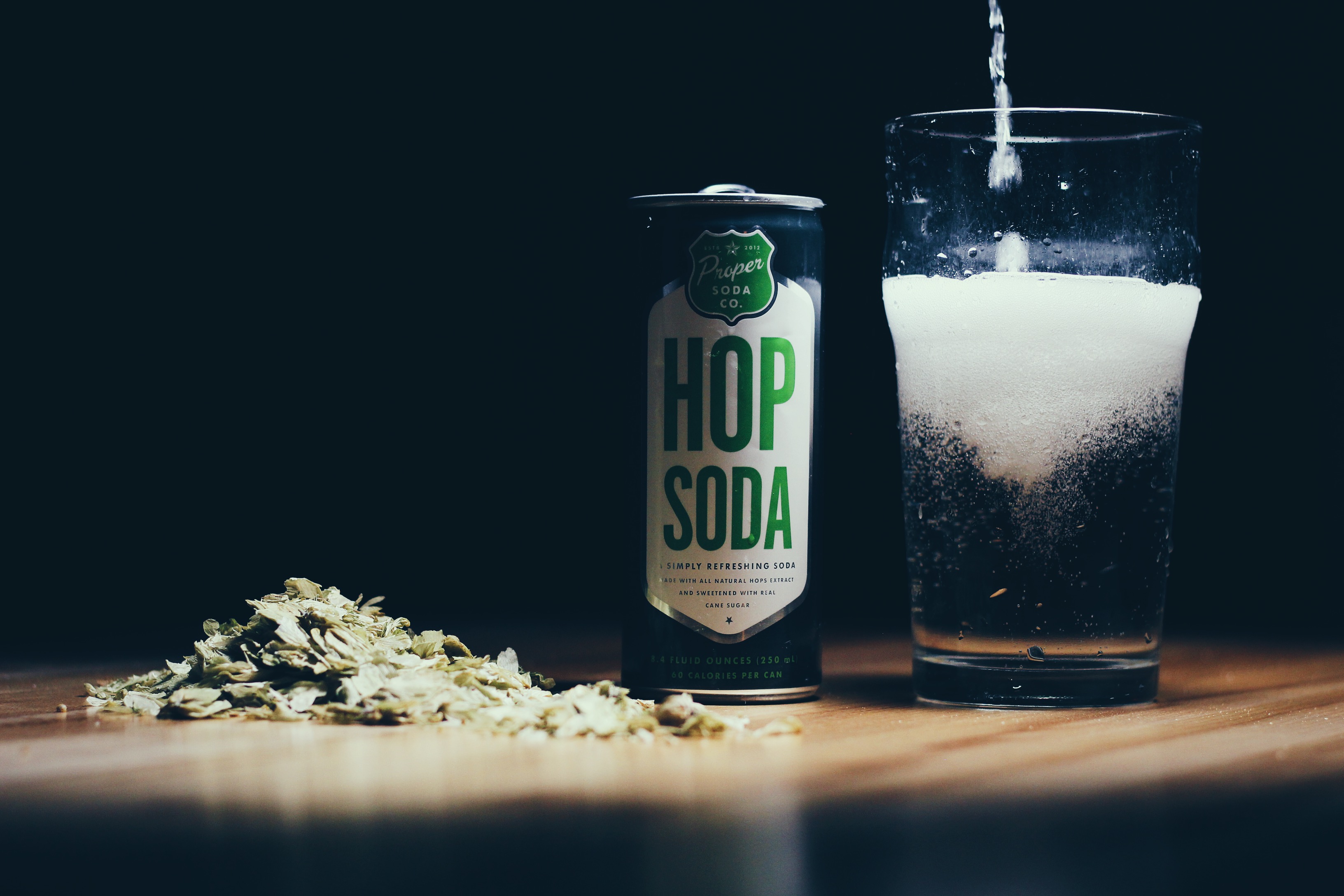
Proper Soda: Hop Soda

History: Craft beer’s influence on craft soda is undeniable. It may not be the reason craft soda exists, but it’s certainly a major factor in craft soda’s rise within the beverage industry. Stephen Curtis, founder of Proper Soda in Grand Rapids, Michigan, saw the parallels and boundaries between the two categories. He notes, “It’s similar to the beer industry. They’re looking for things that are unique and tasty.” He wanted to lessen the gap. Soooo… beer soda? Soda beer? In 2013, Curtis came up with the company’s signature product: hop soda. “It may not always be appropriate to drink a beer in the middle of the day,” Curtis says, politely. Tell that to my neighbor, pal. It’s 3:00 p.m. and he’s running around naked in his backyard as I write this. The funny thing is, this beer-soda hybrid that he cooked up originated within the coffee industry. Curtis used to own a small coffee shop and started selling italian sodas there. Eventually he parlayed his knowledge of beverages and beans into espresso soda. Five years later, he sold the business, but his interest in soda never waned. It wasn’t until his buddy decided to enter a hop-coffee soda hybrid into a barista competition that Curtis took notice of hops. He didn’t mince words about his friend’s concoction; “It wasn’t very good.” With coffee-flavored everything rising on the national scene, he turned his attention to hops. “There wasn’t really a market for it,” he added. Hop Soda was introduced to the world in 2013. Curtis notes that hops tea was the basis for the soda’s flavor and that cascade hops are utilized for their citrus and pine tasting notes. He tried to engineer hop soda in a way that gelled with the changing state of the beverage industry. Basically, he wanted an emphasis on flavor and a reduction in sugar. Since Hop Soda’s inception, Proper Soda has introduced a new flavor every year with hibiscus in 2014 and coffee soda in 2015. Curtis says he anticipates those three flavors carrying the company until the spring of 2016. Until then, new flavors are being kept under wraps.

Where to get: To put it bluntly, Hop Soda’s distribution across the country is random. Take a look for yourself via the company’s website. However, it is sold online. You can even buy it by the can.

Nose: Hoppy IPA; floral notes. Smells like a citrusy IPA. Very aromatic.

Taste: Sweet Earl Grey tea; mild hops; floral notes; mild sugar. This is not what you’ll be expecting. Does not taste like a beer. The flavors are a whirlwind in that they all come and go very quickly, each with a crispness to them. The first thing you get is very light hops with a hint of sweetness. Next comes a nice floral body that transitions into a tea-like flavor. Earl Grey comes to mind. Surely this is the hops transforming throughout the flavor profile. There’s also a mild citrus taste that carries throughout the body. If I had to get specific, maybe even some undertones of lemon verbena in here. Very light, very crisp, very refreshing.

Finish: Light, aromatic hops that coat the tongue and leave some citrus tingles. Again, this is very brief.

Rating: Proper Soda decided to go big or go home on their idea. This is soda the non-alcoholic drinker can enjoy around their friends and come off looking cooler than them for it. And don’t worry, this isn’t beer soda and it isn’t too manly. Hop Soda comes in a cute-as-hell 8.4 ounce can and has a light, delicate flavor profile. This won’t be for everybody. In fact, a lot of people will be scared off by the concept alone. We have a word we call those people: boring. For the rest of you, fear not; Hop Soda isn’t overly hoppy. It doesn’t taste like beer. There’s no alcohol. You could even call it a little sweet. There’s only 14 grams of sugar in this, but remember, the can is only normal-sized for hobbits. Hop Soda’s most defining quality is that it’s easy drinking. The flavors are there, but never linger too long. Crisp, sweet hoppy notes transition into a floral Early Grey-like body and finish back off with citrusy hops. If you’re worried about this overwhelming you because you think it’s a watered-down version of beer, your concerns are misplaced. If anything, I wouldn’t mind seeing those flavors a little bolder, particularly the citrus elements. Admittedly, we didn’t have high expectations coming in, but Proper Soda has really put a unique twist on a beer-influenced soda that has an identity of its own. This is one of the more positive surprises we’ve come across in the world of craft soda. Innovators are to be commended and their creations are to be ingested. Cheers to Proper Soda for creating something original.