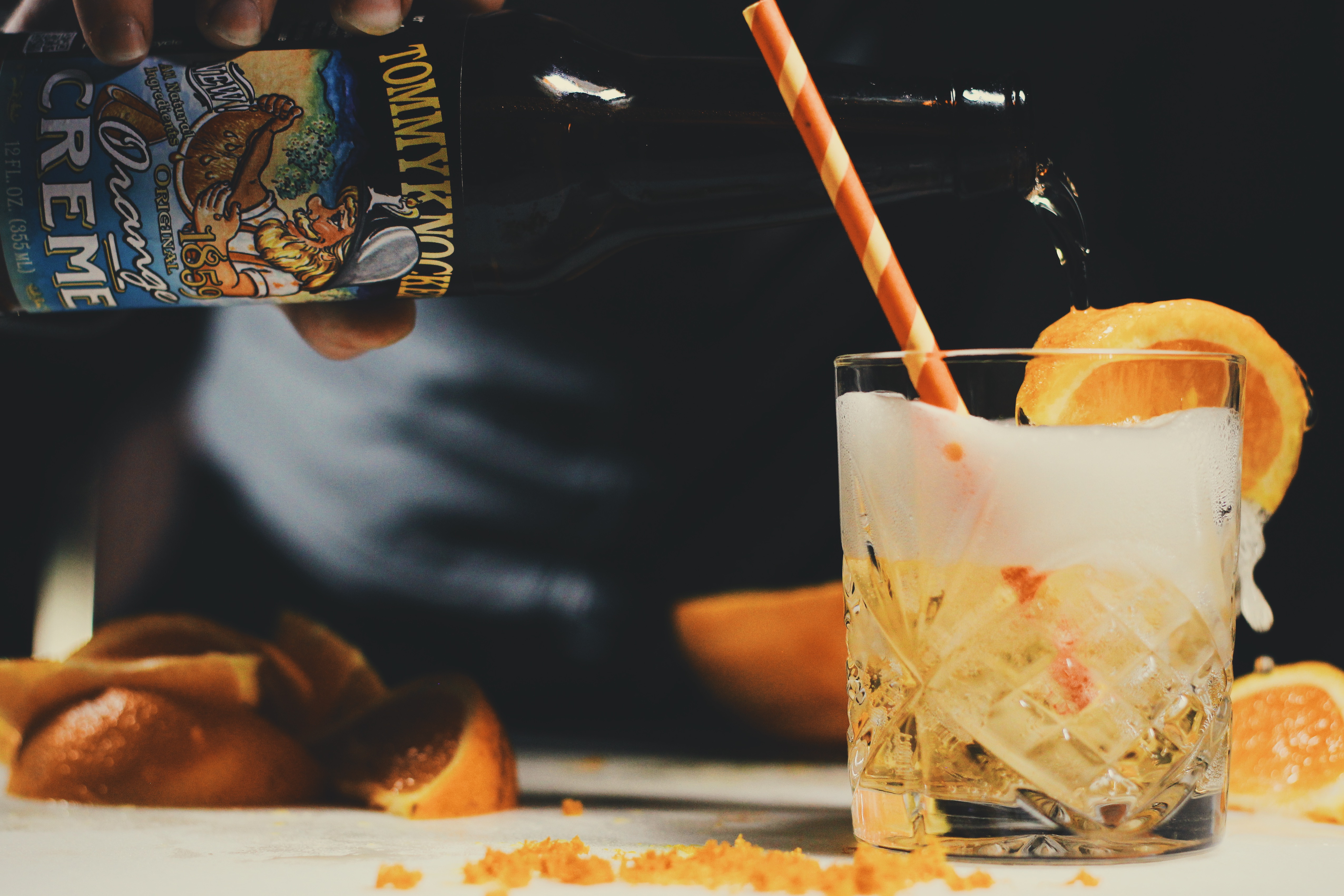
Tommy Knocker: Orange Creme

History: “We’re into anything craft,” from food to beer to soda. Those are the words of Tommy Knocker Brewery Director of Operation, Steve Indrehus. Steve already sounds like one of us. We can’t wait to hang out, Steve. Hailing from Idaho Spring, Colorado, Tommy Knocker is one of a growing number of bottlers that use only organic ingredients in their sodas. Like many breweries, they started with draft root beer as a non-alcoholic option. And that led to more flavors. Currently, the brewery makes four sodas. The root beer still moves the most, selling over 6,000 cases a year. I move about 6,000 a year too… further into debt. What’s really unique about Tommy Knocker sodas is the water they use. It’s a flow of snow melt and rain water that trickles down from the 14,000 foot peak of Mount Bierstadt. It’s described by Indrehus as a very soft water. I don’t know what that means, but it sounds delightful. Their orange cream soda is made with 100% pure Madagascar vanilla in addition to pure cane sugar. It contains no caffeine and is GMO-free. And if you’re a beer snob, take solace. Tommy Knocker brews their sodas just like they brew their brews. Let’s get to it.

Where to get: Tommy Knocker sodas are sold directly via the company’s website. You can also find it in single bottles at this random Boulder, Colorado liquor store website. You can also buy them at most Rocketfizz retailers. It’s available throughout Colorado, and with the exception of Rocketfizz stores, sporadically throughout the U.S. in 18 states.
Nose: Fresh, organic oranges.

Taste: Fresh citrus; tart vanilla; lightly burned sugar. Tommy Knocker’s take on orange cream soda tastes distinctly more orange than cream. Sugar and citrus are up front. This is a brand that uses completely organic ingredients and that’s very evident on the taste buds. This is probably just a little bit less sweet than you’d expect for an orange cream soda. Not much of the traditional orange creamsicle flavor. There’s much more of a botanical citrus taste. This is made with organic orange zest and that’s probably the most identifiable flavor in this bottle. It’s zesty. It’s citrusy. But as far as tasting like sweet orange, it’s not quite as obvious as I’d like to see in an orange cream. There’s noticeable vanilla in this, but it isn’t creamy. The vanilla notes flutter around on the backend of each drink, almost in a tart way. The organic ingredients in this soda work with the cane sugar to form a light, burned sugar or caramel taste. But overall, earthy citrus is the predominant flavor.

Finish: Mild oranges that progressively taste fresher throughout the finish. Citrus and sugar round out each sip.

Rating: This is what I’d consider a nontraditional take on orange cream soda. Perhaps it’s the organic ingredients. Perhaps it’s just the way this was designed. But it’s missing that flagship creaminess we all desire in this particular flavor. When you think orange cream soda, you think dreamsicle or creamsicle. This is more like biting into an orange rind. You taste a very pure, zesty orange oil flavor. It’s not bitter and it’s not bad. It’s just not what we were expecting. The orange flavor in this isn’t exactly crisp like juice or smooth like other cream sodas. The vanilla notes are nice and work, but probably need to be more prominent to see this soda live up to the label on the bottle. If you’re a fan of citrus sodas, I’d suggest a bottle. If you prefer sweeter, creamier orange creams, this may be a let down for you. It does get better as you continue drinking it, but then again, my neighbor says that all the time and I just passed him on the way to his AA meeting. This is a game time decision. Worth a try, but it’s replay value is in question.
 

Gross Gus’s: Pirate Piss

History: The last time we tried a novelty soda, it didn’t go so well. Here’s hoping this turns out better. Gross Gus’s soda comes from the Indian Wells Brewery. They’re the same people behind Death Valley Soda. “We’re gonna make something that’s really disgusting,” Indian Wells Master Brewer, Rick Lovett, says to me over the phone. They’ve succeeded. Today’s review, Pirate Piss, is one of the milder sodas in this line. Pimple Pop is the most popular. We have that one too, I just wanted to keep what’s left of my dignity for now. Lovett is a man of many flavors, 151 and counting to be exact. Many of these are top shelf sodas. As such, I asked him if Indian Wells put as much stock into the taste of these novelty sodas. His response? All of our soda pops… we believe them to be premium.” If you look past the name and label, most of these Gross Gus’s sodas have at least a somewhat normal flavor you wouldn’t be opposed to trying. For example, Pirate Piss is actually banana and Pimple Pop is actually marshmallow. Why banana? ‘Cuz it looks like piss,” Lovett says without hesitation. Alrighty, then. As you might imagine, these sodas are kept alive by little boys who bug their moms to buy them. And they do. All the time. There’s no special ingredients in Gross Gus’s Soda. Lovett says they just make them big and bold, though Indian Wells does use some preservatives in these sodas for shelf life stability that they don’t use in their higher end lines. However, as with all Indian Wells sodas, the company uses natural spring water from, well, Indian Wells Spring. Indian Wells is a California historical landmark and the water is filtered through millions of feet of granite. Now that the history is out of the way, here we are: urine-esque banana soda. Who’s thirsty?

Where to get: Gross Gus’s sodas are most commonly purchased at Rocketfizz retailers. Check here to find the nearest one to you. There’s also Amazon for 12-packs and Soda Emporium for individual bottles.

Nose: Runts banana hard candies; aromas of banana popsicles.

Taste: Banana hard candies; frothiness; watered down earthiness. You definitely get that sweet childhood banana candy taste right up front, but it’s fleeting and doesn’t last long enough. It gets replaced by a frothy, funky taste that unfortunately forms the body of the soda’s flavor. It’s just strange. It’s kind of like old fruit and it doesn’t really taste like banana. Harsh on the taste buds. Perhaps it’s literal pirate piss. I hope not. I’ll sue.

Finish: Earthy banana funkiness. I had to take too many sips to come to this conclusion.

Rating: Novelty soda rarely aims for taste and almost always attempts to convince the buyer of its worthiness with a funny name or outrageous label. How many annoying ten year-olds beg their mom to try *giggle* Pirate Piss? That alone makes this soda a success. Unfortunately, in the world of the craft soda, the drinker’s needs are more sophisticated. Gross Gus’s Pirate Piss is another banana soda that misses the mark. The initial banana taste is promising, but disappears before its potential gets realized. The soda’s main flavor is like squeezing old fruit you forgot about into your mouth. The aftertaste isn’t any better. But it’s not totally horrible. The idea is fun. It could serve as a fun novelty piece for your soda collection. People who enjoy banana soda… you might like this? I’ve yet to have a good banana soda, so if you’re one of these people, please email me. Just don’t be weird. The last time I asked someone to email me about banana-related things, I had to get a lawyer.

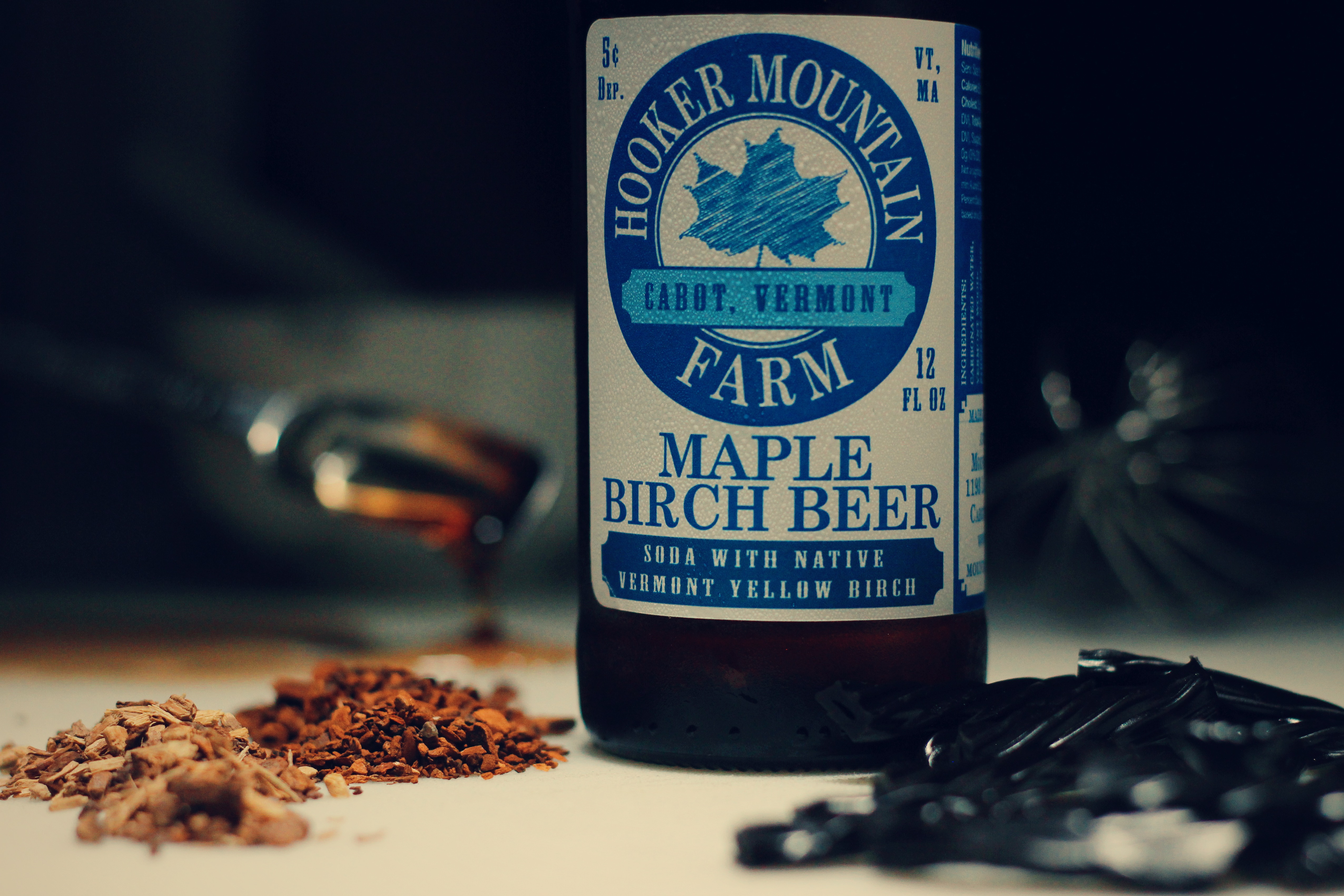
Hooker Mountain Farm: Maple Birch Beer

History: Hooker Mountain Farm sounds like my weird next door neighbor’s fantasy come to life. But it’s much more innocent than it sounds. Hooker Mountain Farm is actually a real farm on 65 acres of land in Cabot, Vermont. Opened in 2010, the farm specializes in a variety of agricultural-based products from chicken and cattle to smoked bacon and barbecue beef sticks, to, you guessed it, soda. And it wouldn’t be Vermont if there weren’t maple syrup involved. Vermont is basically the Canada of America. It was 2013 when farm founder David Thayer decided to start brewing maple sodas based on his own home beer brewing knowledge. The farm currently produces three flavors as well as seasonal offerings year-round. They fire brew all the maple syrup that goes into their sodas. Maple is the main sweetening agent. About 70% of the maple syrup in each soda comes from Hooker Mountain Farm, while the other 30% comes from other local sources. Think of it kind of like a small batch bourbon blend, only not bourbon and all maple syrup. Cane sugar is also used, but Thayer notes the farm intentionally strives for a soda with less sugar and more of a bite. Each bottle contains only about 23 grams of sugar as opposed to other sodas that sometimes reach 60 grams of sugar. In Thayer’s own words, “We wanted to resuscitate a more natural-tasting soda” using ingredients right from the farm’s land. In the maple birch we’re sampling today, the birch ingredients and mint all came right off the farm’s 65 acres. They also wanted something that tasted fresh. In fact, no sodium benzoate (a preservative) is used inside the bottle, meaning there’s a limited shelf life for ideal flavor. You’ll want to drink this within three months of getting it. But why would you wait that long, ya dummy? Thayer actually likens their maple birch beer to a maple-flavored ginger ale. How ’bout that? We’re already dealing with a soda confused about its identity and it’s only three months-old. Call the counselor.

Where to get: Hooker Mountain Farm soda is currently only sold in Vermont. This will be one of the harder sodas to get your hands on outside of the state. Your best bet to is contact the company directly via phone or email. Just know shipping may be pricey. In the near future, this should be much easier when the farm launches their line of soda syrups that will be more cost-effective to ship.

Nose: Maple root beer; light mint.

Taste: Light maple; dates; mild wintergreen; sugar. The maple in this isn’t overpowering. Hooker Mountain Farm intentionally strives for a soft drink that’s less sweet than a normal craft soda. I get the maple first. It’s very light. It blends with the birch bark and mint to form what tastes like a date flavor. Definitely some fruity notes to go along with the maple. This definitely doesn’t taste like traditional birch beer. The mint in this is much less intense than what you’re accustomed to in a birch beer. It’s there, but if someone made you drink this without telling you what it is, you probably wouldn’t guess birch beer. Unlike other sodas that rely heavily on maple as their sweetening agent, this one also uses some cane sugar as a supplement. It really helps. Certainly maple is more prevalent on the palate, but the cane sugar fuses nicely with it for a pleasing finish on the tongue. I’d like to see a little more strength from the traditional birch flavorings in this soda. The birch beer taste quickly evaporates as the carbonation fades. The maple, however, is nicely done.

Finish: Lingering maple that’s light and fluffy; cane sugar that acts as a nice bed for the maple to float along. The maple finish in this is arguably the soda’s best trait because it holds its flavor so well.

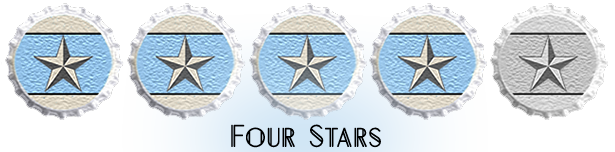
Rating: For a natural maple soda, this really nails the main ingredient. Using maple as your main sweetening agent can be a difficult task to make taste good. Trust us, we found out the hard way. The maple in this introduces itself to your palate right away and is accompanied by some fruity notes. We taste dates or even dried prunes. The maple’s flavor lasts throughout the body of the soda and into the finish, increasing in sweetness as it goes along. But… this is maple birch beer. Our biggest complaint is that it doesn’t really taste like a birch beer with maple added. We’re not sure if the maple syrup dilutes the birch flavors too much or if there isn’t enough traditional earthy, mint notes in here with which to begin. Regardless, I think this would benefit from some bolder birch flavorings. This has been described by the folks at Hooker Mountain Farm as tasting like a maple ginger ale. At times, I definitely thought to myself that it tasted like a version of maple 7-Up. In a good way. If this just generally called itself maple soda, I’d give it four stars. Even in the craft soda world where ingredients are typically of a much higher quality, we’re used to something sexy – sweet, sugary beverages. We always desire the cover models. This is more like your friend’s hot mom. It’s natural, not quite as sweet, but still worth a try if you can attain it. Very non-traditional. Its flavors may be too foreign or too much of an acquired taste for some. If you’re looking for a bold birch beer with sweet maple, you’ll come out of this experience potentially dissatisfied. Instead, expect a more maple-rich soda with a tinge of bark and mint flavors. Getting your hands on this may be tough, but if you can, it’s worth the experience.

Triple AAA Soda Company: Kola

History: When you think of Oklahoma, lots of things come to mind. OU Football, hating the Longhorns, massive tornadoes, emptiness. Soda probably doesn’t set off any light bulbs unless you know of Pop’s Soda Ranch, one of the largest craft soda retailers in America. And this story coincidentally has a connection to Pop’s. But we start in a candy store, of all places. According to Triple AAA Soda President, Justin Thomas, Bricktown Candy Company opened its doors in Oklahoma City about seven years ago. He recounts a reporter coming into the store for a story on its opening. The reporter asked, “What else are you guys going to do besides sell candy?” seemingly hinting that wouldn’t be enough for the start-up business to survive on. Thomas, an avid old soda fan, opened a large notebook revealing dozens and dozens of old soda logos. But it was the one hanging off in the distance behind him that the reporter noticed. It was Triple AAA, an old Oklahoma City soda company that started way back in 1937, but disappeared in 1974. After contacting a relative of the old company, they gave the ok and Triple AAA began its comeback via Bricktown Candy Company. Knowing that Pop’s Soda Ranch produced its own Roundbar Root Beer, Thomas knew that needed to be Triple AAA’s flagship flavor. So he purchased the original root beer recipe, but added a few tweaks. As for the other 24 flavors Triple AAA used to produce, he decided to bring back five in total. All other Triple AAA flavors are new recipes because as Thomas said, “No one really remembered the other flavors.” The goal for Triple AAA is to become a large regionally distributed soda. But at its core, Thomas says “We try to make a local product and we’re trying to bring back some of Oklahoma City’s history.” Now, after really pumping up their root beer, we’re trying the kola.

Where to get: Bricktown Candy Company sells their Triple AAA soda in their online store, though currently it looks like only root beer, cream soda and cherry are available. You can call them directly via their site and they’ll be happy to set you up. It’s also available in specialty stores and candy shops in Oklahoma, Texas, Missouri, Louisiana, and Arkansas.

Nose: Kola nut; vanilla.

Taste: Kola nut; vanilla; cane sugar. This is pretty straight forward and simple. But it’s solid. Soft kola nut washes over the palate as the taste buds get introduced to this take on cola. The cane sugar in this is the most noticeable element. A very nice use of it, reminiscent of Mexican Coke. Definitely on the sweeter side. There’s some vanilla undertones in this, but not as prominent as they are when sniffing. It’s a soft cola with traditional tiny bubbles you typically find in this variety, though in this case the carbonation isn’t as flush in the mouth. The bubbles quickly fade. This has a classic old fashion, glass bottled soda taste.

Finish: Cane sugar and kola with some very light notes of cinnamon.

Rating: This is simple, but well done. It’s a company that began in 1937, and though its recipe has since changed, this soda definitely harkens back to the old days when glass bottle sodas were purchased after school at the ice cream store on the way home. I’d say it’s something like a cross between RC Cola and Mexican Coke. It’s a soft cola. Very drinkable, though it’s a little sweet. I think it’s probably missing something small that could take it over the top. Maybe cinnamon or some fruit notes. But this is something you should drink. Little bottlers like Triple AAA are what make the craft soda game fun. What a name too. Who actually calls themselves triple letter… and then promptly spells out the letter three times as if you needed guidance? I’ll tell you who else. This guy. I bet this probably goes great with booze too. I’m going on a blind date after this, so I’m definitely about to find out. Get a bottle, crack it open, and in the immortal words of Triple HHH (who should really sponsor this)… time to play the game.

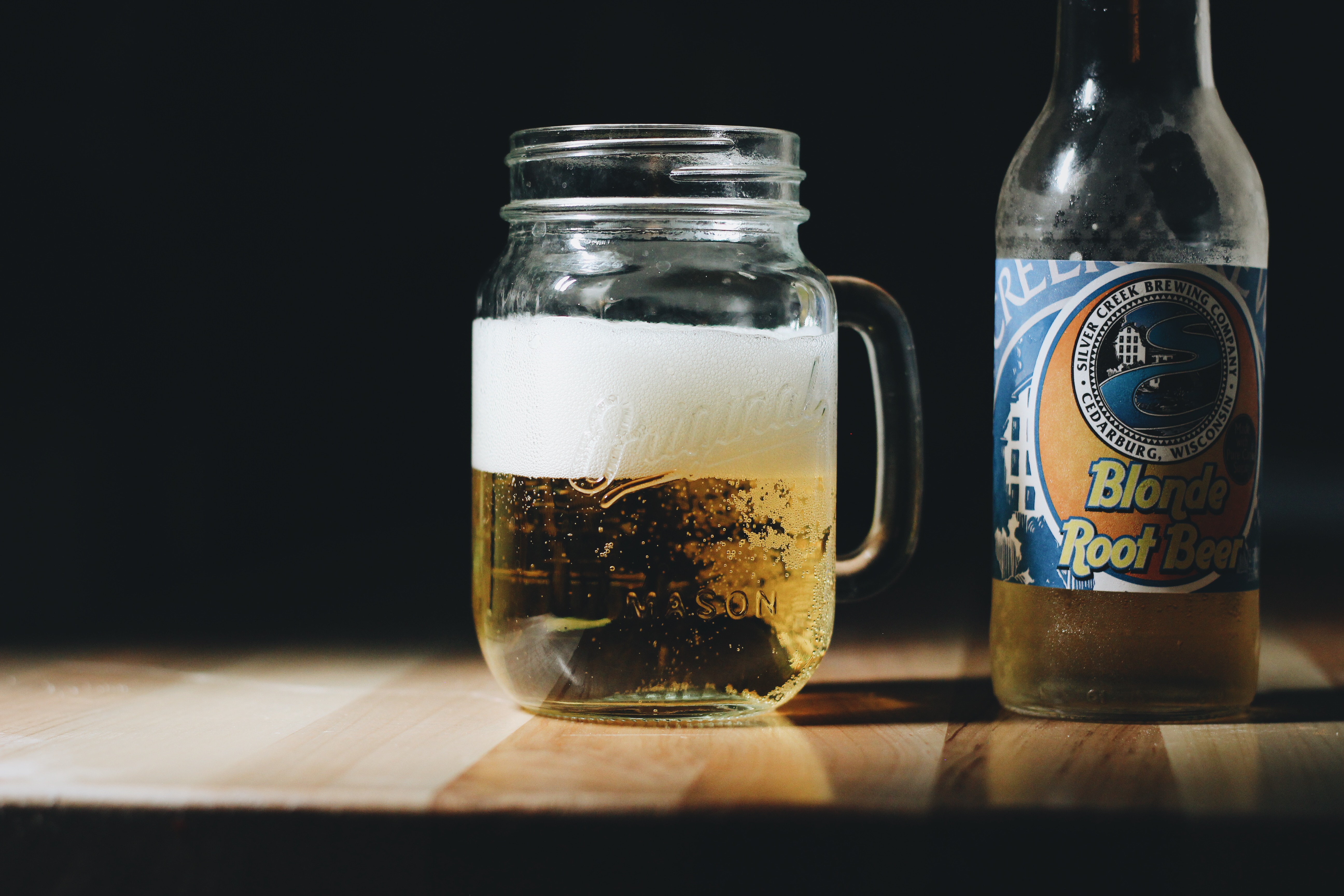
Silver Creek Brewing: Blonde Root Beer

History: Bar manager Eric Halleman muses over the phone that parents often express concern about it. “Are you sure that’s not beer?” they ask. In the state of Wisconsin, craft beer ascends to its highest cultural peak in America. It’s part of life. It’s valued. People drink it for breakfast. Literally. Silver Creek Brewing wanted a non-alcoholic option that still had that beer feel, so in 2002, the same year they opened, they created their famous blonde root beer. The Cedarburg, Wisconsin brewery was actually born out of a home brewing club. I’m tellin’ you, Wisconsin = beer. He notes the brewmasters “wanted to offer a product you could drink here and it still look like a beer so you wouldn’t get made fun of by your friends.” If you look at it in a glass, you’d never know. The brewery’s blonde root beer is actually their oldest in-house beverage. They started selling it even before their beers. As for the taste, they sought something that didn’t have a traditional root beer bite, but still had “a slightly more adult taste” than a typical root beer. It’s described by Halleman as a cross between a root beer and a cream soda. And, of course, it’s made with cane sugar. We couldn’t pass that up.

Where to get: In addition to the bar itself, Silver Creek Brewing’s Blonde Root Beer is sold throughout the Milwaukee area. For those interested in placing an order for this unique root beer, contact the company directly via their Web site.

Nose: Classic root beer, but lighter; white chocolate; wintergreen.

Taste: Mild root beer; crisp carbonation; light sugar. This has the bite of a cola as opposed to a root beer and leaves a little bit of a creamy cola taste, though there’s no mistaking this is root beer. It’s a little bit of a hybrid. The carbonation is tart and full of little bubbles, like a cola. Super drinkable, but its flavors aren’t exactly pronounced. It’s probably the most mild root beer I’ve ever tasted. The cane sugar is probably the boldest flavor here. A little bit of mild vanilla and wintergreen as well. I can see why some say this tastes more like cream soda, though it’s not creamy enough to earn that distinction.

Finish: Slightly creamy vanilla; cane sugar; mild wintergreen. These flavors are all accompanied by a sharp carbonation that slowly fades.

Rating: This is certainly one of the coolest-looking root beers on the market today. It’s easy drinking for a good time with your buddies. You’d have no problem downing two or three of these in a session. But its flavors could be more pronounced. Silver Creek Brewing designed their blonde root beer to have less of a bite, and in doing so, seems to have turned down the volume on root beer’s traditional flavor profiles. It takes three or four sips to really start tasting the vanilla in this bottle. When you get there, it’s good, but I want more of it. Wintergreen is a bit more prominent and the brewery does a nice job not going too far with this flavor. The slightly creamy finish is pleasing. I wish I’d get a little bit more of the that in the soda’s body. All in all, this is unique to look at, but not necessarily to taste. If you’re a root beer connoisseur, your palate may be too refined for this. Its mild flavors make it a good soda to have with a meal or with which to mix alcohol. Halleman recommends Malibu to those who choose this route. That drink gives “Blonde Root Beer” a whole new meaning. White girl status. I’ve also heard you can use this in pancakes. Not a joke. This beverage seems to be a jack-of-all-trades, but the one area it could use a boost in, unfortunately, is flavor. I’d still give it a shot for its drinkability and beautiful pilsner color. Throw a few back. Then a few more with booze. Then make drunken pancakes. You know this was already going to be your Saturday night anyway.

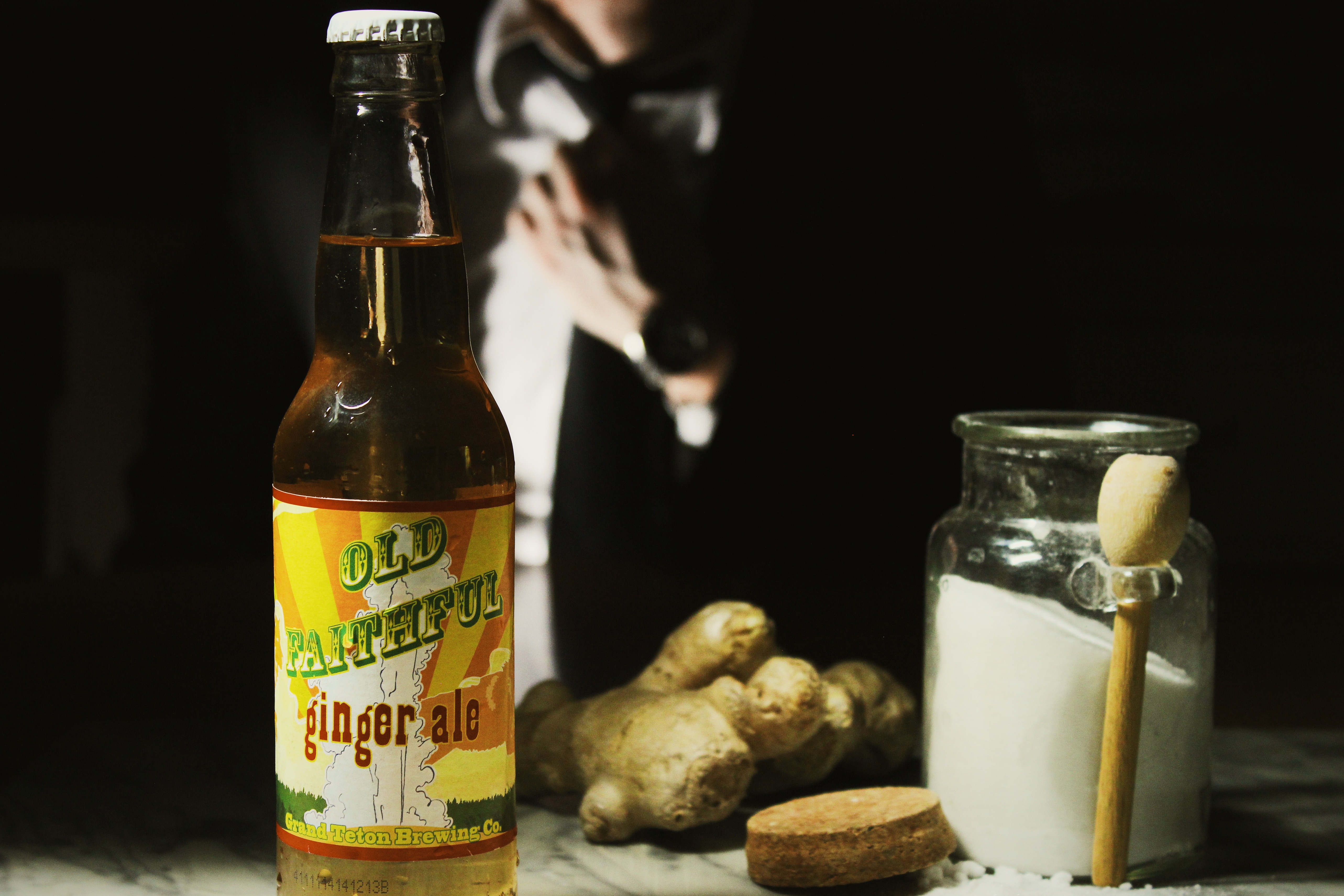
Grand Teton Brewing: Old Faithful Ginger Ale

History: It started in a log cabin, a little brewery in the mountains of Wilson, Wyoming. Charlie and Ernie Otto not only founded Otto Brothers Brewing in 1988; no joke, they’re also credited for reviving the growler and turning it into a popular container for beer. In 1998, the brewery relocated to Victor, Idaho where it still resides today. In 2000, the company changed its name to Grand Teton Brewing. In 2009, it was purchased by Steve and Ellen Furbacher. They’re known for their beer. These days, the 26-person brewery produces 10,000 barrels of it a year. Could I interest you in a Bitch Creek or Howling Wolf Hefeweizen? Nothing better after a hard day than a Bitch Creek. Sounds like my ex-girlfriend’s favorite beer… right, Tonya? But today, we’re calmer and sampling ginger ale. Grand Teton’s Ginger Ale is part of their “Old Faithful” series, although “series” is probably a stretch considering the only other flavor is root beer. The cool thing about these two sodas is that they were developed to be sold in Yellowstone National Park. There’s a rumor this could happen if you carry too much of it in your car. There’s nothing I love more than bears and soda, so this is a pretty big day for me. Ginger ale was actually the original soda flavor developed by the Otto Brothers. Its recipe has since morphed several times before the current incantation. Grand Teton also has another line of four kettle-brewed sodas that started in 2011. These include traditional flavors like root beer, black cherry, cream soda, and the more adventurous mountain berry. The company brews all of their sodas in small batches in the same kettles used for beer and sweetens them with cane sugar. But the home run ingredient is their water. Soda Program Manager, Freya Boughton, says “Our water for example is special in that it is glacial run-off filtered 300-500 years with Teton Mountain granite and limestone.” This is basically the equivalent of a pizza company saying their crust is made with fairy dust. You can’t necessarily taste it, but you know it’s important and you’re glad it’s there. When it comes to their ginger ale, Boughton mentions “We say it’s a cross between a ginger beer and a ginger ale.”

Where to get: Grand Teton Brewing sells their sodas via their Web site, however it should be noted that you must call the company to place an order. Their sodas are mainly distributed throughout Idaho, Wyoming, Montana, Illinois and California.

Nose: Traditional ginger ale with extra ginger. Basically what you’d expect.

Taste: Earthy; ginger; crisp sugar. Grand Teton thinks of their Old Faithful Ginger Ale as a cross between a traditional ginger ale and ginger beer. This is a perfect description of its taste. It’s a little earthier and spicier than a normal ginger ale, but doesn’t quite have the zip of a ginger beer. It’s very light and clean in the mouth. Perhaps that has something to do with the quality of the glacial water. It’s crisp, but doesn’t quite have a bite. A little earthier than most ginger ales. I’d like to have seen a little more tartness from the ginger than these earthy undertones I’m getting. The carbonation and sugar work very well together to highlight the ginger ale’s sweet and spicy notes.

Finish: Earthiness followed by cane sugar tinged with mild ginger. Not much of the way of lingering flavor.

Rating: Ginger ale is often hard to enjoy on its own because it’s either too bland or too carbonated. Grand Teton Brewing has avoided these pitfalls in their take on a classic craft soda. Old Faithful Ginger Ale is highlighted by a crisp, refreshing ginger flavor. In fact, it contains more ginger than your average ginger ale. It isn’t spicy, but more earthy. This is its only downfall. While likely a great remedy for a stomach ache, it’s just a little too musky for me to take down multiple bottles in one setting. That said, this is an incredible mixer. When paired with bourbon, the earthiness really brings out the spirit’s true flavors. On its own, this is an above average ginger ale in a world that needs more of them. It has flaws, but so do you man, so back off! Pick up a bottle for yourself and see what you think. The ginger ale market is prime for a resurgence. And when it happens, we’ll be ready.

Faygo: Rock N’ Rye

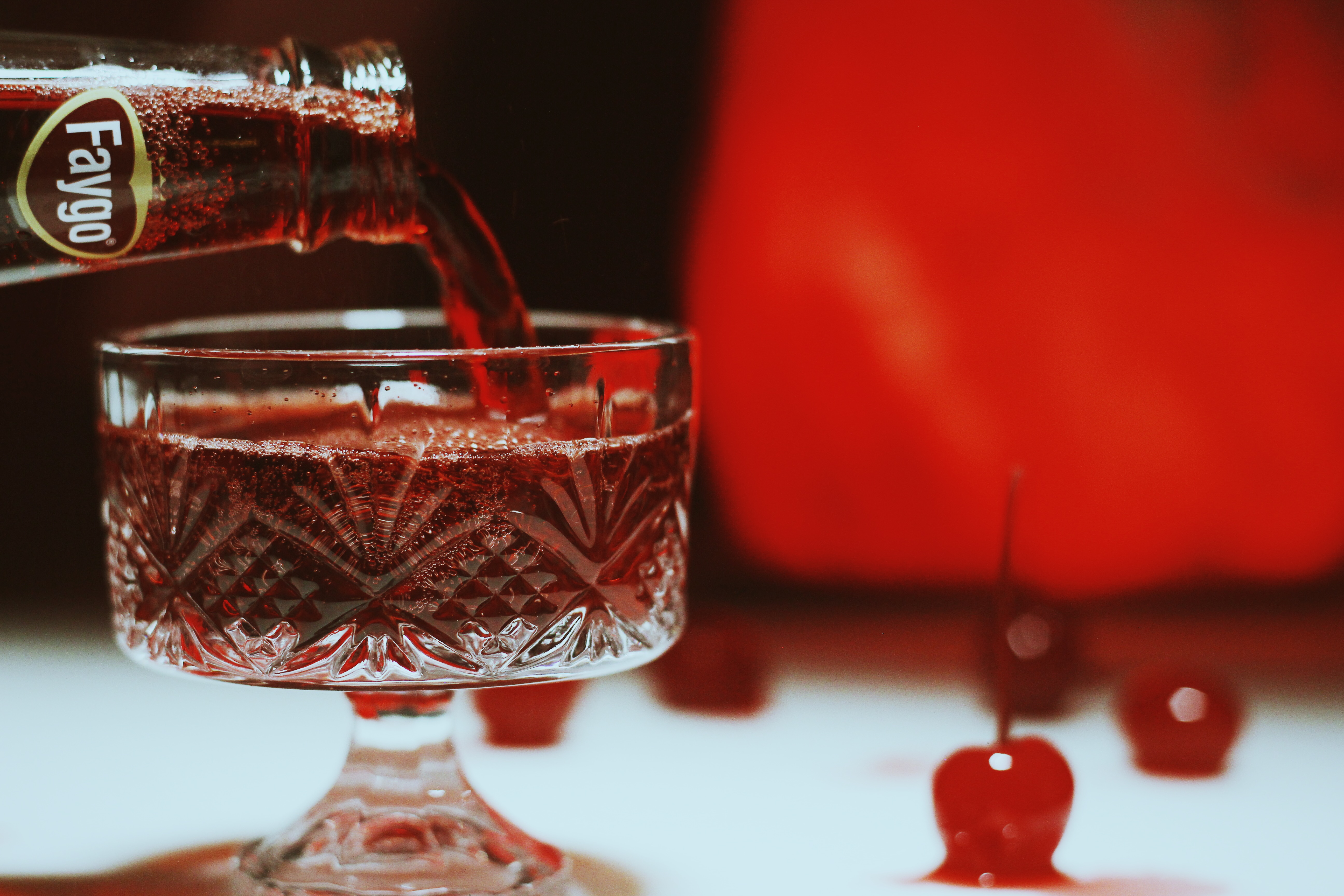
History: Remember that girl from middle school whose hair was a different color seemingly every week? The one who was cool with being weird? The one you work for now? We’re all a little different. The ones who truly stand out are the people that embrace it. And in the world of soda, being different is so hot right now. Faygo has always been a little weird. And they’re not afraid of it. Marketing Specialist Dawn Burch says enthusiastically, “We offer flavors that other companies are scared to try…. We’ve become this cult classic somehow.” Indeed, Faygo is known for their variety. Currently, they boast over 60 different flavors, from the Rock and Rye we’ll be reviewing today to their newest creation, cotton candy. How do they do it? “We have a really talented team of scientists,” Burch says. I get the flavor giggles just thinking about it. But you might know the Detroit-based company for a slightly more insane *looks around for approval* reason. Insane Clown Posse. Juggalos. The dudes who paint their faces and rap… I guess that’s what you call it. A quick Google Image search on Faygo doesn’t disappoint. Juggalos often spray each other and get drenched with Faygo soda at concerts. Why? Who knows. Maybe that face paint has some strong chemicals in it. Burch mentions how Juggalos will often call the company for wedding orders so they can ensure a proper soda shower. I’ll save this idea for my first wedding. It should free up that weekend for me.

Back to the soda. Ben and Perry Feigenson founded Faygo in 1907 and began basing their flavors on desserts. They’re been in the same manufacturing facility since the 1930’s. Today, Faygo is famous for its Red Pop and Rock and Rye. Both of these are part of the retro glass-bottle soda line Faygo produces that also includes four other flavors: cream soda, grape, orange, and root beer. These six sodas are all made with cane sugar. The rest of Faygo’s sodas do not contain cane sugar. The company is good for about one new flavor a year. We can’t tell you what their next one is… but it’s something you wouldn’t traditionally think of as a beverage flavor. Today, we sample Rock and Rye. Introduced in the 1920’s, it was named after the vintage rock candy and rye whiskey cocktail. We’re told this one doesn’t contain whiskey. We can’t guarantee it won’t by the time we’re done.

Where to get: Faygo has one of the oldest online soda stores in the world. It opened in 1998, right about when Al Gore invented the Internet! Not really. But maybe. If you’re beholden to Amazon, they’ve also got your back. Faygo is nationally distributed. If you can’t find it, I’d be surprised. If not, call the company. They’re nice people who want their soda to go in your body.


Nose: Classic pink bubble gum strips; cream soda.

Taste: Vanilla; cherry cream; tartness; frothy carbonation. The carbonation in this soda really accentuates its flavors. It’s also the first noticeable element you taste. Tiny, frothy bubbles flood the mouth before a distinct creamy vanilla-cherry flavor enters the picture. That said, carbonation this noticeable may be a turn off for some. For a deep burgundy craft soda, Faygo’s Rock and Rye is rich with creamy vanilla as opposed to intense bubblegum as is often found in red creams. The bubblegum flavor in this soda is discreet, like a mirage in a desert of tiny, creamy vanilla bubbles. It’s there, but only as a complimentary flavor component. We were told that Detroit natives think of this as a strawberry cream soda, and the strawberry is there, but it’s really old-school cherry notes that we taste. This has the richness of a cream soda with the carbonation and mild fruitiness of a cherry cola. Not overly complex, but highly drinkable and a delight on the taste buds.

Finish: Cherries and cream; deep and rich. The longer the drinker lets the flavors linger, they’re joined by creamy, mild vanilla undertones.

Rating: We’ve written before that cream sodas can basically boil down to two flavor profiles: vanilla and/or bubblegum. Faygo’s Rock and Rye straddles the line between cola and cream soda and has the best execution of bubblegum I’ve ever tasted in a soda. It’s light, creamy, and rolled in a bed of sweet vanilla and mild cherry. Not too overpowering, but has enough flavor to delight the taste buds, while being undercut by a semi-tart cherry cola taste. It’s truly an achievement in soda flavor engineering. Easily one of the most drinkable sodas I’ve had in years. I’m delighted to say this truly exceeded my expectations. Unfortunately, I don’t think my date last night said the same to her friends about me. If you’re reading this, please return my texts. This probably leans more toward the cream soda side of things, though its carbonation is distinctly that of a cola. While the frothy little bubbles in this bottle serve to highlight its excellent flavors, they may also be its only downside. The bubbles can be intense and always greet the tongue before the flavors develop. It is a necessary buffer. But this is a minor complaint, and one I’m not personally making here. After all these years, what could be called Faygo’s most original flavor is arguably its greatest. Its staying power is undeniable and its deliciousness is unquestionable. It’s cream cola. If you love craft soda, just the thought that this combination is even possible to bottle should give you the tingles. We all need some soda tingles every now and then, right? Put this in your regular rotation.

Kutztown Ginger Beer

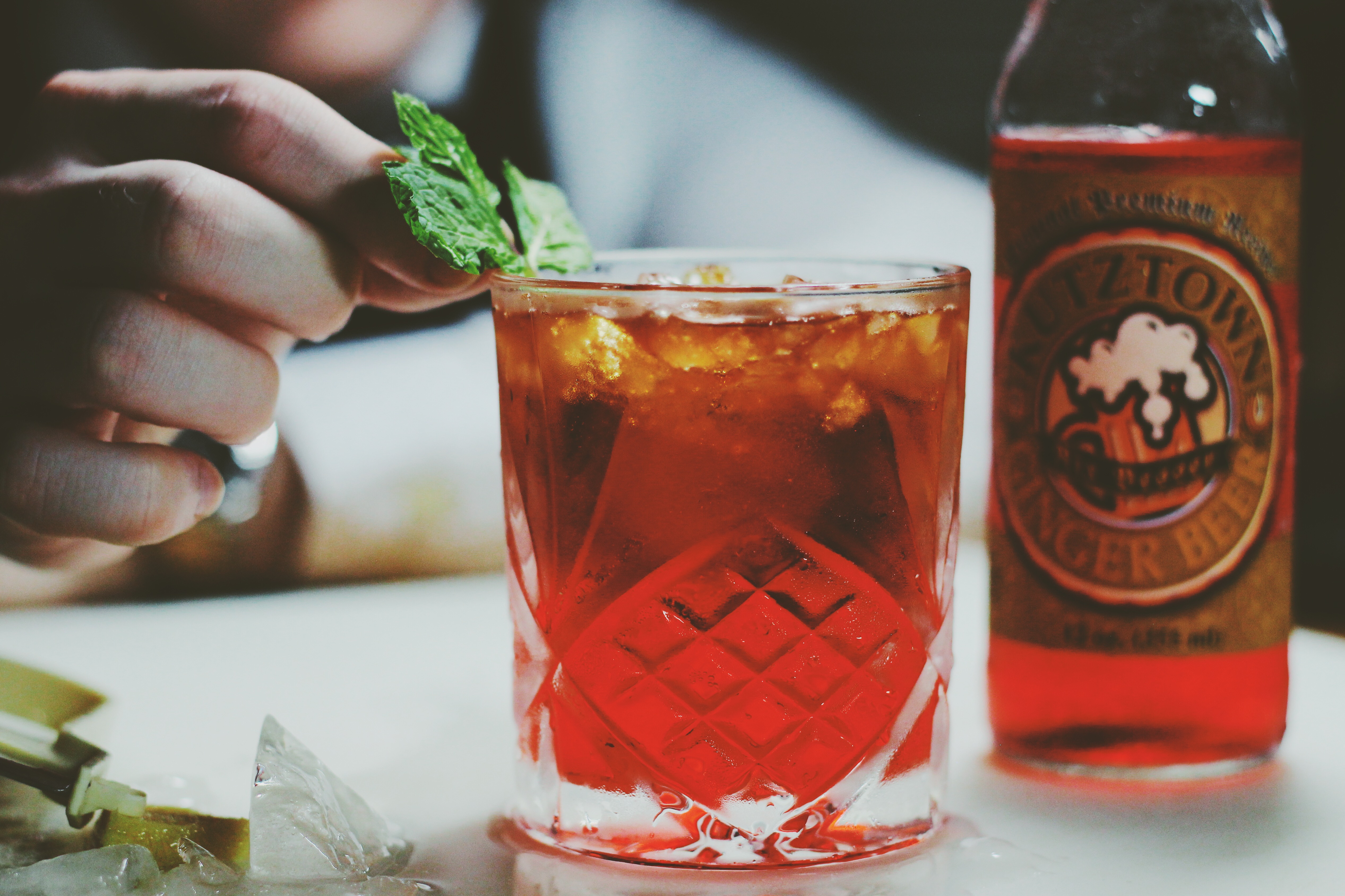
History: Kutztown Bottling Works dates all the way back to 1851. Though it didn’t have the same name then, the Kutztown, Pennsylvania soda business has deep roots and has been passed around several times in its history. An important name to the brand is Percy Keodinger, who purchased a brewery and focused on selling beer and soft drinks. Then prohibition happened. No more beer. Way more soda. Keodinger developed 16 different flavors, his most famous being an original recipe birch beer. According to current Kutztown Bottling Works General Manager, Andy Schlegel, birch beer is still Pennsylvania’s most popular soda flavor. Since then, the business has been sold three times until it eventually wound up with current owners Jeff and Dana Taylor. The company actually didn’t assume the name Kutztown Bottling Works until 2002. The company sells soda in both 12 oz. glass and 24 oz. plastic bottlers. Click here to see which flavors come in which bottles. Like fellow eastern Pennsylvania bottler, Reading Draft, Kutztown is part of the Pennsylvania Dutch style. Again, no one can really seem to explain what that means aside from the fact that there’s a German influence. Shh, don’t worry about it. Yet despite the emphasis on birch beer, we decided to try their ginger beer, if for no other reason than because it’s red. And that’s odd enough to pop the top on this bottle. A fun fact: on the Kutztown bottle label it says “Nix Besser,” which means “Nothing better.” The more you know.

Where to get: Kutztown sodas can be purchased from the company’s online store. Their ginger beer is sold in plastic bottles through the Kutztown Bottling online store. If you’re looking for glass bottles, you can find those at Beverages Direct. Kutztown Bottling Works soda is distributed throughout 30 states and to many small Amish and Mennonite retailers by Dutch Valley Foods.

Nose: Ginger; mild red hot candies.

Taste: Mild ginger; mild spiciness; mild sugar. This is mild for ginger beer… if you didn’t get that by now. There’s a definite ginger taste, but the cane sugar in this almost acts as a bubble that coats the ginger. For some, that could be good. For others, it’s a flavor mask. There’s just the slightest bit of a minty undertone to this hidden beneath the ginger that you don’t find in most ginger beers. It seems like that mint flavor hides some of the bite found in stronger ginger beers. But every few sips that spice will sneak up on you and into your nostrils. It’s more of a heat on the finish than the initial sip. Not much in the way of lasting flavor or fire.

Finish: Light wintergreen mint and sweet candied ginger that swing back and forth until the flavor is gone. No lingering heat or after bite.

Rating: For those who aren’t quite ready for a strong ginger beer with bold spice, this is probably a good starting point. Not too spicy, but there’s just enough of it to let you know this is ginger beer. The sugar in this is a little bit stronger than its relatives and does have a tendency to cover up the richer and deeper flavor profiles ginger root possesses. But again, some will welcome that aspect. Kutztown’s ginger beer is unusually red. It looks beautiful in a glass and would make a fun party drink or mixer. For those desiring a powerful ginger beverage, this probably won’t be strong enough for you. For those looking to just get their feet wet, give it a shot. And for all of us those just looking to get drunk, this works well with a sprig of mint and your favorite liquid courage.