taste

Fiz: Classic Cream Soda

History: After introducing myself and informing him of my intentions, Lou Petix greets me on the other end of the line with a guttural New Yorker’s, “Hey, how you doin’?” His disposition is friendly and talkative, yet his accent is deep and gritty, making him sound two stories tall. He and his brother Joe are third generation owners of College Club Beverages in Rochester, New York. “We started as kids here at 8 years-old…. It was just a natural progression” he explains. His grandpa, Luigi Petix, was an Italian immigrant who came over and started Family Bottling Works in 1922 before the business was renamed College Club Beverages after World War II. The company became famous for their refillable bottles and to this day still employs that method for their 18 flavors of College Club sodas. They’re old school. They don’t even have an official working website. Just a Facebook page. They still buy the raw materials and make their soda syrups in house, something that’s becoming more and more rare these days with the advent of flavor houses and culinary chemists. Now here’s the slightly confusing part, so follow closely. College Club has multiple brands under its company umbrella. You can only buy actual College Club soda in Rochester. The sodas you’ll see on the shelves around the greater New York area and available online are labeled “Fiz” and “Primo.” Fiz covers the 13 flavors of craft soda the company sells, while Primo is a line of two Italian sodas. You’re probably thinking… why? Why not just consolidate all of them? The answer is because while there is some overlap in flavors between College Club and Fiz (both brands have classics like cream soda and root beer, etc.), the recipes aren’t exactly the same. This is because up until the 1950’s Fiz was a totally different soda company that ran on its own. After calling it quits, the Petix brother liked their flavors, labels, and bottles so much, that they bought out the entirety of the company’s resources. Today, they use Fiz as their craft soda line. That’s the story. We promise there’s no more twists. This isn’t a review directed by M. Night Shyamalan.

When trying to decide which flavor of Fiz to review, we consulted Lou. He suggested the root beer or ginger beer (Fiz’s most popular flavor) before mentioning in passing an interesting tidbit about the cream soda. There’s a secret ingredient in it atypical to cream soda. “There’s a little trick to it that my father taught me,” he teased, noting it’s mild, but there. My reaction anytime someone tells me there’s a secret ingredient is to immediately crack the case. What could it be? Something New York-y? Petix did say “we try to access our raw materials as locally as possible,” while also adding they prefer natural flavors. Intrigued, I prodded him further about the cream soda. “This is what we call our classic cream soda,” saying it was very heavy on vanilla flavor. So in the end, he didn’t budge. But that makes it more fun for us, and for you.

Where to get: These aren’t the easiest sodas to get a hold of if you’re outside of the New York area. You can, however, order Fiz soda online from New York Style Deli. I know the website looks a little amateur, but we called and checked it out; it’s legit. Your best option might just be to call the company at (585) 328-6665. They take orders over the phone and will ship anywhere in the continental U.S.

Nose: Almond; cherry; pound cake. There’s a faint cream soda smell here, but it’s infused with chocolate, cherry and almond scents. Interesting and intriguing.

Taste: Fizzy; chocolate-covered cherry; vanilla; mild nuttiness; sugar. There’s elements of traditional cream soda here, and then there’s the part that gives the soda its flavor identity. You notice an initial burst of carbonation immediately, more so than an average soda, and then the unique flavors come out that separate Fiz Cream Soda from the crowd. You get all of the soda’s flavors up front spun together in a cocoon of sugary uncertainty. There’s definitely a fruity element to this that tastes like it’s paired with chocolate. After repeated tasting, I’m thinking it’s cherry. Almost like a Cherry Mash candy flavor. This is paired with vanilla and a corresponding mild almond nuttiness, but not like biting into the nut itself; more like how almond syrup tastes in pound cake. This isn’t a creamy soda, but that almond flavor gives the soda’s body a richness, something that’s pretty unusual for cream sodas that don’t have a particularly creamy mouth feel, and/or aren’t made with honey. I’m also getting some undertones of brown sugar and maybe a little bit of caramel. But the soda comes down to three flavors: vanilla, cherry-chocolate, and almond.

Finish: Vanilla sugar with notes of creamy cherry that linger for a few seconds and slowly fade. Excellent.

Rating: Fiz Classic Cream Soda by College Club Beverages ascends beyond the category’s normal realm into a distant plane of flavor even we can’t fully comprehend. But it’s good. It’s damn good. No… no, this is great. I am fanboy-ing out over how exquisite this is and I don’t even care. And it’s all about the taste. There’s a mystery flavor to this cream soda – sure you taste the vanilla and maybe a little caramel, but WHAT IS IT? It’s like a combination of chocolate and cherries with mild almond extract and maybe a little creamy brown sugar. Whatever it is exactly, it makes the soda. You won’t taste another cream soda like this one. Guessing the secret ingredient in Fiz Cream Soda is like being an 18 year-old boy and trying to hit on a 27 year-old woman: it’s fun to try, but you’ll never figure it out. Our best guess at the signature flavor is similar to what a Cherry Mash candy tastes like – a creamy cherry-chocolate flavor with notes of vanilla and nuttiness. To be clear, this is definitely more vanilla than cherry, chocolate, or almond – but the accompanying tasting notes are so unprecedented in cream soda that they stand out with noticeable contrast. We always try to find a few points to critique in sodas, but I’ve gotta admit I would change nothing about this. It’s so unique, flavorful, and delicious that it rises to the top of the cream soda category. It’s a little on the sweeter side at 46 grams of sugar per bottle, but those aforementioned flavors will keep your mind preoccupied until the last sip. Try the first half chilled straight out of the bottle for a crisper cream soda and the other half on ice for a creamier transformation. You’ll want more of this. I know we do. Fiz Cream Soda’s greatest trait isn’t even how good the soda tastes; it’s that it keeps you guessing long after you’ve finished it. There’s something special about this one. Go out of your way to taste the mystery.

Five Stars

Original New York Seltzer: Lemon & Lime Soda

History: The 80’s were some of American culture’s most glamorous years. Big hair, neon signs, leather jackets, cocaine flying everywhere, acid wash jeans, baggy suits. It was a hell of a time. Original New York Seltzer (hereby referred to as ONYS) was a drink born in the 80’s and it personified that time. The independent brand became known for its flashy presentation with brightly colored labels that popped, big lettering on small bottles, and signature clear liquid in all flavors that separated it from the major labels. To be specific, ONYS was started in 1981 by the father-son team of Alan and Randy Miller. You might know Randy Miller’s other work because today he runs a company that trains big animals like bears and tigers often used in movies. As ONYS rose to prominence, the big boys took notice and eventually came calling. Anheuser Busch offered the Miller’s $180 million to sell. Because keeping the business independent was their top priority, they declined. Soon after, due to a damaged distribution network, ONYS stopped production, and everyone’s favorite 80’s soda disappeared just as fast as the jheri curl. But the beauty of nostalgia is that young fans grow up and old favorites die hard. So over 30 years later, Ryan Marsh resurrected the company, relaunching the brand in May of 2015. The new ONYS President said, “As a kid growing up in the ‘80s, my family and friends all knew and loved Original New York Seltzer. It was the only brand our parents would allow us to drink…. We’re committed to upholding everything that has made this brand unique.” That includes making soda that’s free of preservatives, coloring, and artificial flavors. Now some of you might be confused that we’re calling a brand with the word “seltzer” in it a craft soda. Don’t be. Here’s why: ONYS is carbonated, has a shared range of flavors with soda, is made with pure cane sugar, and contains a calorie content not that far removed from a normal craft soda. When Marsh said he wanted to restore things to how they once were, he wasn’t kidding. He elaborates by saying, “The carbonation has been set to 1987 levels. Original New York Seltzer is bottled in the original-sized bottles in the original factory. The same employees that brought ONYS to life in the factory are still running the lines and are monitoring the quality control process.” How ’bout that? A single nostalgic tear runs down my eye. Something that’s kind of funny? ONYS is and always was headquartered in Los Angeles, not New York. Marsh notes that vanilla cream and black cherry are the current most popular flavors, so we wanted to give some love to one of the other kids, lemon and lime.

Where to get: You can purchase Original New York Seltzer Lemon & Lime plus the rest of the company’s flavors directly from the ONYS online store and from Amazon.

Nose: Lemon-lime, ala 7-Up more than Sprite. More of a lime scent than lemon.

Taste: Lime-y; sugar; light lemon; bubbles. The lime here is more prominent than the lemon, but the lemon has a better flavor. First, the lime. Think along the lines of candy lime like you’d taste in a green Life Savers. The lime is accompanied by lots of little bubbles that amplify its intensity. The carbonation isn’t overly intense, but there’s definitely a lot of it. After a couple seconds, the lime fades and you’re left with a soft lemon flavor, similar to Sprite. However, the second half of each sip is also what distinguishes Original New York Seltzer’s Lemon & Lime Soda from Sprite or 7-Up. There’s no syrupy aftertaste. That said, overall this is pretty similar to a cross between Sprite and Howdy Lemon-Lime Soda.

Finish: Mild, crisp lemon flavor with sugar that slowly fades out.

Rating: To be fair, there’s not a whole lot of wiggle room to start with when it comes to lemon-lime sodas, but Original New York Seltzer’s take on the category tastes remarkably similar to the major brands already on the market. And I’m not saying it’s bad. No, no. It’s good. It’s pleasant. It’s light and refreshing. It’s just doesn’t taste significantly different from a mass-produced brand like Sprite or a craft classic like Bubble Up. While a craft soda connoisseur might be able to taste that this is made with real sugar and not corn syrup, most drinkers will overlook a subtlety like that. And while an enthusiast might be able to differentiate the strength in lime flavors between ONYS Lemon & Lime vs. its competitors, most drinkers will just think it’s another lemon-lime soda. You could probably hand this to most people in a blind taste test and they’d tell you it was Sprite. Again, it’s not a bad thing. It’s a hard flavor to infuse with uniqueness. Put it this way: I think this tastes better than 7-Up and Sprite and is better for you. There’s no reason you shouldn’t be drinking this instead. Most may not find many differences between this soda and others like it, but I’d be willing to bet most people also wouldn’t turn down a bottle of this after having a few sips. This is a soda you bring out of the bullpen when you need a drink to rely upon. Old girl is solid.

Three Stars

Q Drinks: Kola

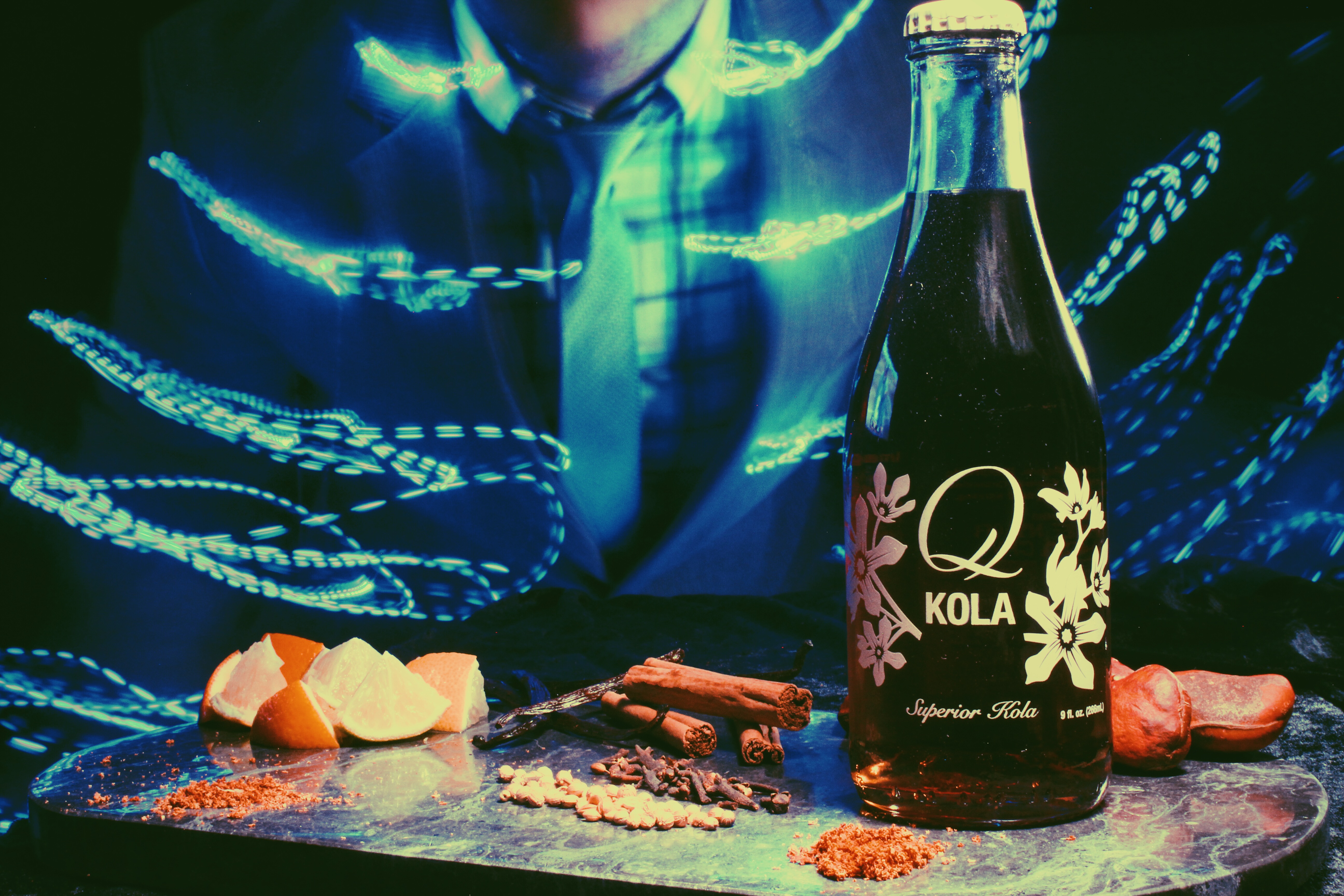
History: After taking a bullet in the Battle of Columbus, John Pemberton needed a drink, and boy did he craft a knockout: wine, kola nut, and cocaine. He called it Pemberton’s French Wine Coca. He eventually replaced the wine with sugar, carbonated water, and phosphoric acid to create Coca Cola. Coca Cola still contained cocaine in the recipe up until 1906 with the bitter caffeine-infused kola nut mostly present to mask the drug. Brooklyn-based Q Drinks founder Jordan Silbert believes the giant company’s monopoly on the category is a reason more bottlers don’t attempt their own version.”What the heck do you do? There’s no such thing as cola flavor,” he argues. Silbert’s company is a staple in the cocktail industry and is arguably the most recognizable line of craft mixers on the market. He only started making sodas in 2011. But first you need to know his story because it’s hilarious. Silbert remembers having a gin and tonic with some friends in his backyard in 2004. Then another. And another. He noticed his teeth started to feel sticky. Glancing at the ingredients list on the bottle of Schweppes tonic water he was using as a mixer, he noticed lots of artificial additives and high fructose corn syrup. Same thing when he looked at the bottle of soda his friend was drinking. Now drunk and motivated, he idealized his own version of tonic water. The difference between Jordan and most young adults who get drunk and have good ideas is that he remembered it the next morning. “The idea of creating something better didn’t go away,” he said. Q Drinks indeed was founded on tonic water where it was initially served at three restaurants in the New York area. This led to a big write-up in the New York Times and the brand took off. Q Tonic bottling began in 2008 with ginger ale in 2011 and then club soda, citrus soda, and kola in 2012. Today, Q Drinks offers 8 different flavors. “We use awesome ingredients. We agonize ingredients,” Silbert boasts. It’s those same ingredients that Silbert says sets the company’s kola apart from its competitors.

To quote Iron Chef, Q Kola is made with a veritable pantheon of flavors. A quick review of the Q Drinks website reveals a long list: “kola nut, cinnamon, cloves, coriander, lemon, lime, orange, and nutmeg.” Quite a list when compared with a drink like Coca Cola where most of those flavors are foreign. Silbert admits cola was the hardest flavor to concept out, but he had a distinct vision for the it. “It’s a blend of spices and fruits that give you four tasting elements: tang, sweet, spice, and savory,” he explains. He believes the bitter kola nut, phosphoric acid, and citrus impart a nice tanginess to the flavor profile, while the cinnamon, cloves, and nutmeg bring some needed spice and savory elements. One of those “amazing ingredients” mentioned above focuses on the soda’s sweetener. Q Drinks uses “organic agave from the Mexican countryside ” instead of cane sugar to give the kola a “dirty sweetness that’s warming” as Silbert describes. Another point that sets Q Kola apart from other colas is that the soda is only 70 calories per bottle. So you don’t have to shed tears of self-hatred as you type it into your daily fitness app calculator. To be fair, the soda comes in a smaller bottle, but let’s be honest – most of us aren’t in a position to judge about size. One last aspect to pay attention to with the cola, as with all Q Drinks beverages, is the carbonation. The company uses custom-built thick glass bottles engineered to hold more bubbles. Silbert admits Kola is a little less popular than other beverages in the Q Drinks portfolio, but to us it was the most soda-ish, so we start our journey with the brand here. He finishes our conversation succinctly by putting a bow on the company’s philosophy, saying “We care. We give a shit.” Us too, Jordan. Us too.

Where to get: Q Drinks sodas are found nationally throughout the U.S. Safeway, Whole Foods, and BevMO stores are just a few of the more common options. But honestly, I’d be surprised if you couldn’t find this at your local grocery or liquor store in bottles or cans. You can find your nearest retailer by checking their online locator. You can also purchase it online from a variety of stores like Amazon, Walmart, or from Q Drinks directly.

Nose: Classic cola; cloves; cinnamon; nutmeg. Smells of a classic cola with a touch more spice, most notably nutmeg.

Taste: Cola; orange; lime; citrus; nutmeg; cinnamon. Definitely a softer cola in terms of mouth feel than most on the market. Also definitely not as sweet at 20 grams of sugar for a 9 oz. bottle. This doesn’t have the harsh, bitter carbonation you’re used to with Coca-Cola. The lighter carbonation helps the flavors come through more, and several are recognizable to the tongue. Besides traditional cola flavor, what’s most striking about Q Kola is the citrus. You taste orange and lime the most and they give the cola a unique twang you won’t find in many others – you feel it in the back of the tongue most. It’s important to note the citrus elements don’t render the cola overly acidic – just a little tangier than most. You’ll also taste undertones of cinnamon and nutmeg. These are ingredients found in many craft colas, but they’re more subdued in Q Kola, more of a lingering flavor in the background. There’s also just a touch of earthiness to this, which comes from the kola nut, a bitter ingredient in general. As a whole, it’s not overly strong in flavor, but you can taste a lot of the different components that make it what it taste fresher than a majority of what’s out there. Very easy to drink on its own or with your favorite liquid encouragement.

Finish: Kind of a tangy caramel finish with subtle spices, most notably cinnamon. Definitely pleasant.

Rating: When tasting Q Kola, it’s clear the soda’s composition was tailored to fit with cocktails more so than drinking on its own. And that’s not a bad thing. Out of the bottle, Q Kola is defined by how easy it is to drink. It’s a very soft cola with less carbonation than its relatives. All the traditional craft cola ingredients are here – cinnamon, nutmeg, citrus – but they stand out in ways you aren’t used to in colas. Where Q Kola really shines is its use of citrus. The orange and lime tasting notes in this are bold and stand out near the beginning of each sip, giving the soda its signature tangy flavor. And listen, I’ve had some tangy things in my day, including the girl from the other night – they’re rarely good. This is an exception. That tangy feeling you taste near the back of your tongue contrasts well with the spices you taste later in each sip. The spices we tasted the most were nutmeg and cinnamon, in that order. The nutmeg imparts a nice savoriness, while the cinnamon enhances the soda’s traditional cola flavor. Bottom line, this tastes more refreshing than traditional cola with a strong citrus influence and mild spices. The only drawback we found with this cola is the fact that its pretty light. But that’s by design because its primary objective is to mix with spirits. I’d probably turn the volume up a couple levels on everything and I think Q Kola could become one of the best colas you could purchase to drink unencumbered by alcohol or ice. Still, I’d definitely recommend this, particularly if you’re a cola or spiced soda fan. It’s a nice change of pace. For those of you who partake in the spirits, Q Kola is a monster of a mixer. Perfect for bourbon and excellent with rum. Drink half the bottle on its own, then mix it with your favorite liquor. It’s easy drinking out of the bottle and easier drinking paired with booze. Don’t overlook Q Kola as simply a sidekick for alcohol; this is a cola that holds its own with the best of them.

Four Stars

Natrona Bottling Company: Bauser Champayno

History: Sometimes a product comes along in craft soda that’s so novel(ty) and simultaneously cool, you buy it without question. Natrona Bottling Company produces several different flavors likely to catch eyes and furrow brows, from Plantation Style Mint Julep and Pennsylvania Punch to the smaller, more sophisticated Bauser Champayno. But… what is Champayno? On the surface, it appears to be a miniature version of regular soda, perhaps with a mock champagne flavor. I can’t promise you that will be the case and neither can Natrona Bottling’s Owner, the self-proclaimed “Sultan of Soda,” Vito Gerasole. “I don’t know how to describe the flavor,” he confesses. Gerasole is a proud Italian who to this day still works at his family restaurant, Gerasoli, in Pittsburgh, Pennsylvania. But in 2010 he was given a chance to take the reigns of the failing Natrona Bottling Company, a soda bottler that had been in business since 1904. The Natrona, Pennsylvania soda company had just $4,000 left in their bank account when an angel investor provided a financial opportunity for Gerasole to fix things. Fortunately, Natrona had very little debt; all they needed was a new marketing push. But for Gerasole, why take the time and effort to breath life back into a white dwarf in the rapidly expanding craft soda galaxy?  “I’m a very nostalgic person,” he tells us. And Natrona is a very nostalgic company. In fact, the bottler’s signature is that it still uses a very old method of production for the bubbles in their soda. How old, you ask? Gerasole boasts, “I believe we are the last soda producer that uses a style of carbonation called ‘pinpoint carbonation’.” Basically what this means is you should taste much smaller bubbles than you’re accustomed to in soda, almost along the lines of champagne. This is achieved by dropping dry ice pellets into pressurized tanks, creating a much smoother, tinier bubble. “Effervescent” is a term Gerasole kept using to describe it. From nearly bankrupt back to bubbling over in business, Gerasole sought to add new flavors to the company. The one he introduced but still doesn’t quite seem to understand is Champayno. It’s a bit of a mystery even to its creators, so much so we have no information with which to detail it. Gerasole best describes it as a 6.3 ounce bottle of dry soda made with pure cane sugar that he one day may transition into a mixer. It was inspired by a similar beverage made by a company called Champay in the 40’s when sugar was being rationed for the war. Admittedly, those sodas were more popular in the 70’s and 80’s. Now that sweeter sodas are back and bigger than ever, Gerasole isn’t sure about the future of Champayno. I’d get your hands on it now while you can because it might just become a collector’s item in the future.

Where to get: You can find Natrona Bottling Company sodas in Pennsylvania, Ohio, and West Virginia. But as for Bauser Champayno, because some retailers don’t stock it, you’re most reliable bet is to buy it online directly from Natrona Bottling.

Nose: Kind of like not quite fermented white grapes – like a fizzy white wine. Pretty mild overall.

Taste: Ginger ale; mild white grapes. This definitely tastes like a dry ginger ale with a white grape influence. The carbonation is flush with lots of tiny, little bubbles that feel nice in the mouth. It’s dry. Very, very crisp for a soda, but with enough sugar to make it easy to drink. There’s a pretty distinctive tang to this soda, and I’d say that’s its defining characteristic. Has more of a zip than most ginger ales, just not in a spicy way. Instead of a spicy kick, this has a tangy white grape flavor that accompanies the dry ginger ale flavor. I wouldn’t call this champagne-like, but rather a unique take on a classic ginger ale.

Finish: Similar to the body of the soda, though slightly more acidic and tangy. Not a lot of variance.

Rating: Does Champayno taste like champagne? No. But honestly, does that really sound like a good idea? If we learned anything from those Harry Potter Jelly Beans that came out years ago, it’s that not everything in life – namely dirt and boogers – needs to be imitated in food. We don’t need champagne-flavored soda either. But we might need Champayno. It’s like a ginger ale that got dressed up for a fancy party. For one, look at the bottle. I’m a full-grown man, and even I think this little 6.3 oz. bottle is cute as hell. The flavors are familiar, yet different. It has all the characteristics of a mild ginger ale: flavor, crispness, and dryness. But there’s also a white grape tanginess you taste here that isn’t present in other ginger ales. This and the carbonation are the only traits that make it remotely comparable to champagne. Champayno is definitely a grower, the problem is that at 6.3 oz., it’s gone before you can really process its unique flavors. For that reason, I don’t think I can confidently rate this higher than three stars, though I definitely think if I had more of the liquid, I might rate it higher. I get that the smaller bottle conveys a greater sense of sophistication, but I think you need about 10-12 ounces of Champayno to fully appreciate it and make a judgement on it. I also think the subtle white grape flavors really work well here and I wouldn’t mind if they were strengthened ever so slightly. There’s a lot of good stuff going on here. It’s fun. It tastes nice. And it looks classy. It’s also not the easiest soda to acquire, which for many will increase the appeal even more. If you can get your hands on a tiny bottle of Champayno you just might be the coolest one at the party. Definitely one to put on your list.

Three Stars

Appalachian Brewing Co.: White Birch Beer

History: 2015 has been the biggest year in the still-emerging gourmet soda market, but it was in the late summer of 2014 when CNBC raised the question of if craft soda was the next big thing in the beverage industry. And if you’re a weirdo and way too into this stuff like we are, you know the article itself set off a chain of others that raised the profile of craft soda. The brand under the brightest spotlight in that article? Appalachian Brewing Co. When I think of Appalachia, I envision brawny-chested, flannel-wearing, goat-faced men lumbering across mountaintops, trekking deep into the forest, and chopping wood for no apparent reason. But Appalachian Brewing Co. isn’t on mountain top or nestled in a forest. The brewery is headquartered in Harrisburg, Pennsylvania and has brewpubs in smaller surrounding areas. It’s a big business for a craft brewer. And its biggest business now comes from soda, not beer. The microbrewery was founded in 1997 with root beer and ginger beer available in the brewery from day one. The company added birch beer in 2008 and diet root beer in 2009. Despite having 15 beers and only four sodas, the lower cost of producing soda and its growing popularity resulted in the brewery investing heavily in its soft drink line. “It was due to the demand. People wanted to buy it. It just ended up turning into a bigger deal,” says Artie Tafoya, Appalachian Brewing’s Director of Operations. Tafoya says that soda sales ballooned so much from 2008 onward that the brewery opened a fully operational soda manufacturing plant in 2014. “We try to make it as genuinely as possible,” Tafoya says, adding that all Appalachian Brewing Co. sodas are batch brewed, made with pure cane sugar, and use as many natural ingredients as possible.

Being located in Pennsylvania, it seemed like a logical choice to review the brewery’s birch beer. For those who don’t know, Pennsylvania is without a doubt the most popular state for birch beer because of its “Pennsylvania Dutch” influence. Tayfoya explained to us that Pennsylvania is a state with a large population of German immigrants who brought with them many culinary traditions, one of those being birch beer. There’s also a ton of birch trees in the state, so it’s easier to produce it there. Birch beer is kind of like cream soda in the sense that both are available in a wide variety of colors, but Appalachian Brewing wanted a birch beer as natural as possible in both flavor and hue, which is why theirs is white. There are no artificial ingredients or caffeine in Appalachian Brewing’s birch beer. “We like our flavorings because they’re very crisp and clean…. It almost cleanses the palate,” Tafoya says of the birch beer, adding he believes the company found the right blend of spearmint and peppermint to round out its flavor profile. There’s also a touch of honey in their birch beer, something you don’t often see with this flavor. As we wrapped up our phone call, he told us his motto is to go all-out to achieve great flavor, something we’ll always respect. “I’ll spend any amount of money to make it,” he says. In talking to Tafoya, I’m not surprised the company’s soda has done so well. Commitment often leads to consistency and it’s clear the Appalachian Brewing Co. is dedicated to quality. It sounds good on paper. Let’s put it in practice.

Where to get: Appalachian Brewing Co. craft soda is sold across the midwest and upper northeast, but your best bet is to order online directly through the company via its Ebay store by going here.

Nose: Smells more like a root beer with extra mint than a birch beer. Rich, almost creamy, which likely comes from the honey.

Taste: Wintergreen; sugar; birch oil; light carbonation. Definitely a strong use of wintergreen. That’s undoubtedly the signature flavor of this soda. It has a crisp, minty bite along the tip and sides of the tongue, though I wouldn’t consider this spicy. Just a minty bite. I’m also not tasting the honey in this in a distinctive way. This is a little smoother than most birch beers, something the honey may influence, but the honey notes don’t come through for me. This is very clean and minty on the palate.

Finish: Mild wintergreen that rolls along the back of the tongue. Smooth.

Rating: Birch beer is really a northeast phenomenon in the world of craft soda. Certainly, it’s sold across the world, but you won’t find a more condensed area of birch beer fans than in the northeastern portion of America. Sometimes I feel like others don’t really appreciate birch beer for this reason – they aren’t often exposed to it. Appalachian Brewing’s White Birch Beer is a straightforward take on the category. It’s clean. It’s fairly smooth. And it’s loaded with wintergreen mint flavor. Not particularly spicy. Not particularly sophisticated on the palate, but it’s easy enough to drink if you like minty soda or are a fan of birch beers. I liken birch beer to being the scotch of craft soda because it’s an acquired taste, especially for drinkers new to the category. This won’t be for everyone because of the large reliance on mint flavor. Mint isn’t like vanilla; it doesn’t win everyone over. If you’re a birch beer fan or are looking to try out something new, this should be up your alley. Personally, for a soda made with honey, I’d like to taste its influence and I didn’t feel like I got what was advertised in that respect. It’s like going on a Tinder date and realizing their photo was hiding about thirty extra pounds. That’s my only real complaint. You’ll probably either love this or hate it, as is the case with most birch beers. Will you pop the top and take a chance or play it safe?

Three Stars

Waynesville Soda Jerks: Raspberry Cream Soda

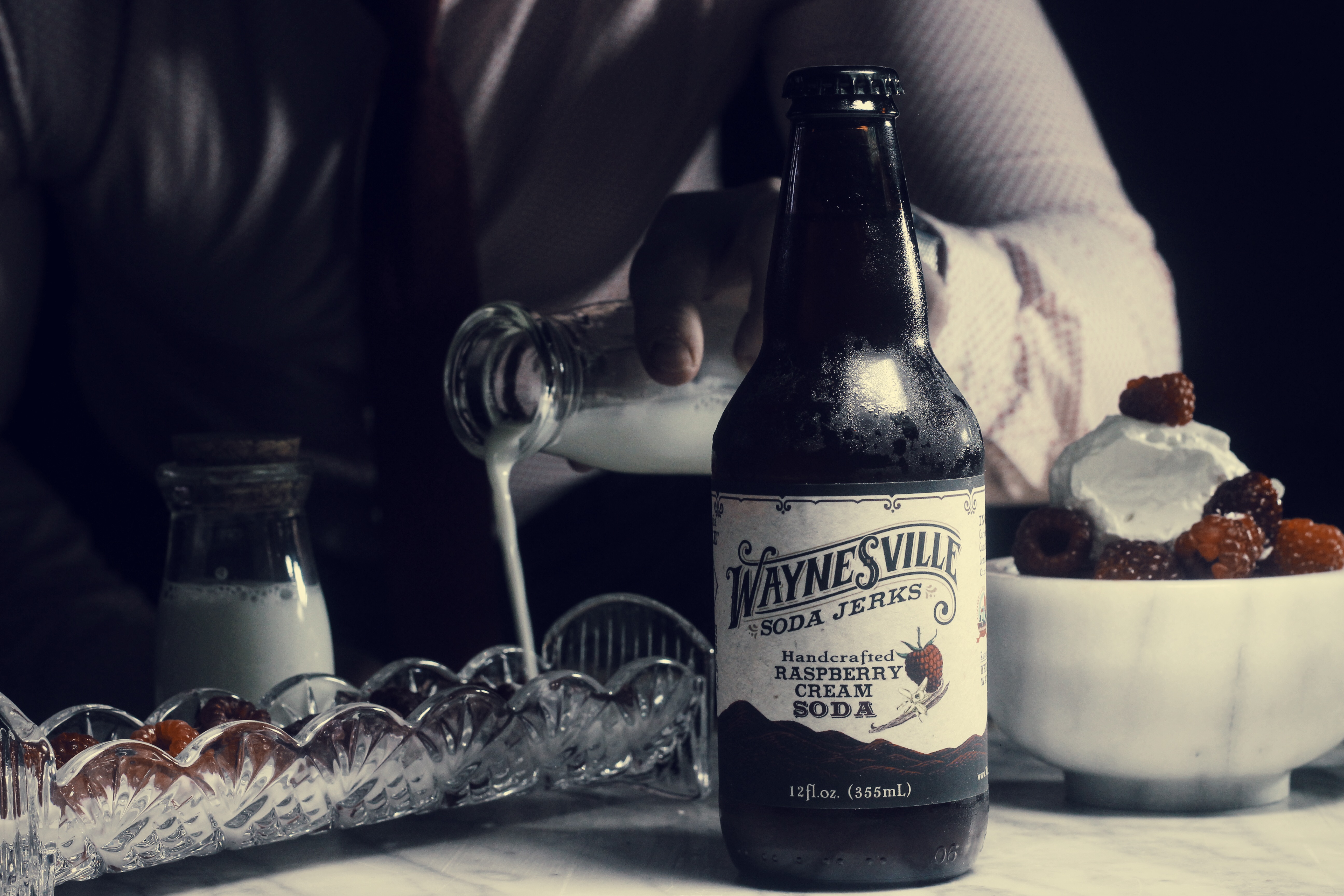
History: If the farmer’s market had an all-star team, these two would be its captains. Chris Allen and Megan Brown are the founders and owners of Waynesville Soda Jerks in Waynesville, North Carolina – and they’re about as farm-to-bottle as you can get. The two launched their full eight-flavor line of handcrafted sodas in May of 2015, and they’re so serious about going local with their ingredients that they literally list where they came from on the bottle. These days “handcrafted” is becoming kind of a cliche in craft soda, but for this duo the word seems appropriate. “We really like to highlight the local agriculture around western North Carolina,” says Allen. The two started by picking local wine berries from outside their home and using a Soda Stream to see if they could create something worth drinking. In April of 2013, they launched a Kickstarter, and two-and-a-half years later, they’re one of the fastest-growing small bottlers in the nation. The highlight ingredient in all Waynesville Soda Jerk Sodas is the fruit, which Brown notes “is always local,” with the exception of citrus and vanilla. Allen and Brown had been focusing solely on going the route of fruit or fruit and herb sodas until the requests for traditional flavors finally struck a chord with the two.

“People were always asking for cream soda,” Allen admits. So the jerks went to work and put their own unconventional twist on the flavor: raspberry. As a soda fan, the marriage of these two flavors is exciting. Imagine taking something that people already love and adore and making it even more stunning. On paper, this is like combining all the best parts of Beyoncé and Taylor Swift… in soda form. Who doesn’t want to look at that? Who wouldn’t want to drink that? Who wouldn’t want to just… let’s get back to the point before this gets weirder. The decision on which fruit to choose for their newest flavor was easy. Brown tells us that the two “had an outstanding source for raspberries this season,” in Wright Way Nursery. The duo fresh presses the juice from the raspberries themselves and it goes right into the soda. We weren’t told exact proportions, but when asked about how much real juice went into each bottle of raspberry cream soda, Allen responded in a serious tone with “a significant amount.” Allen and Brown made it very clear there were two distinct tasting elements to this soda: the raspberry flavor and the cream flavor. For the fruit, Allen says they went for a “very clean and pure raspberry flavor.” As for the creaminess, it was really the first “traditional” non-fruit soda flavor the two decided to bottle. So in order to achieve the taste they wanted, the duo used real vanilla beans and caramelized the cane sugar for a creaminess that balanced out the sharpness of the raspberry. They also added a little lemon juice and a pinch of sea salt for what they called “soda seasonings,” adding that they brought acidity and richness to the flavor profile. We aren’t sure exactly how they put it all together, but I’ll take $200, Alex, for funnel this in my mouth. The pair is also working on another new, more traditional flavor – but we’d hate to spoil it for you.

Where to get: You can purchase raspberry cream soda and the rest of the Waynesville Soda Jerk flavors at the company’s new online store or from Summit City Soda. And if you’re from the Waynesville area, check out these spots to pick up a bottle.

Nose: Fresh raspberries just run through the water. On first smell, you’d swear this was raspberry soda. Not much in the way of vanilla or any sort of creaminess.

Taste: Fresh raspberries; soft vanilla; mild tartness; sugar. You’re greeted with a very authentic, but not overwhelming raspberry flavor. Reminds me of eating raspberries with sugar on top, but in liquid form. Very light and refreshing on the palate. Definitely more crisp than creamy. The initial raspberry flavor is joined by noticeable vanilla notes about half way through the sip. There’s also just a little bit of tartness from the lemon in this that adds contrast to the sweetness of the raspberry and sugar; you feel it on the edges of your jaw. A nice jolt of unexpected flavor. Before the drink begins to fade, the raspberry and vanilla meld to really create that raspberry cream flavor. Reminds me of raspberries with creme fraiche.

Finish: Vanilla sugar with subtle raspberry notes that linger, then slowly fade.

Rating: Waynesville Soda Jerks pride themselves on using fresh fruit in every hand-made batch of soda they produce. They even tell you where the fruit comes from on every bottle. You can taste their dedication. The raspberries in their raspberry cream soda taste real, not like candy. It’s like drinking raspberries with sugar on them with a dash of lemon and a dusting of vanilla bean. Typically when you think of cream soda, you think something that feels heavy on the palate, thick and frothy in texture. This is much lighter than you’ll probably be expecting. It’s more crisp than it is creamy. I’d probably call this raspberry-vanilla soda to my friends as opposed to raspberry cream, but it just doesn’t sound the same. Then again, I don’t call my stepmom Michelle to my friends either, but I don’t even think the Internet is ready for the words I do use. Bottomline, the flavors work. The raspberries taste fresh and delicious. The lemon provides an unexpected burst of tartness that contrasts nicely with the sweetness of the raspberries. And the vanilla adds a nice layer of sophistication to the raspberry taste near the end of each sip. It’s easily the unsung hero of the soda. I actually think the vanilla could be emboldened even more in the flavor profile and only good would come from it. This is the most subtle of any fruit cream soda I’ve tried, but also easily the freshest. Waynesville Soda Jerks continue to be one of the best local soda bottlers in the country. You should go out of your way to try their stuff, including the raspberry cream soda.

Four Stars

Cicero Beverage: Salted Caramel Root Beer

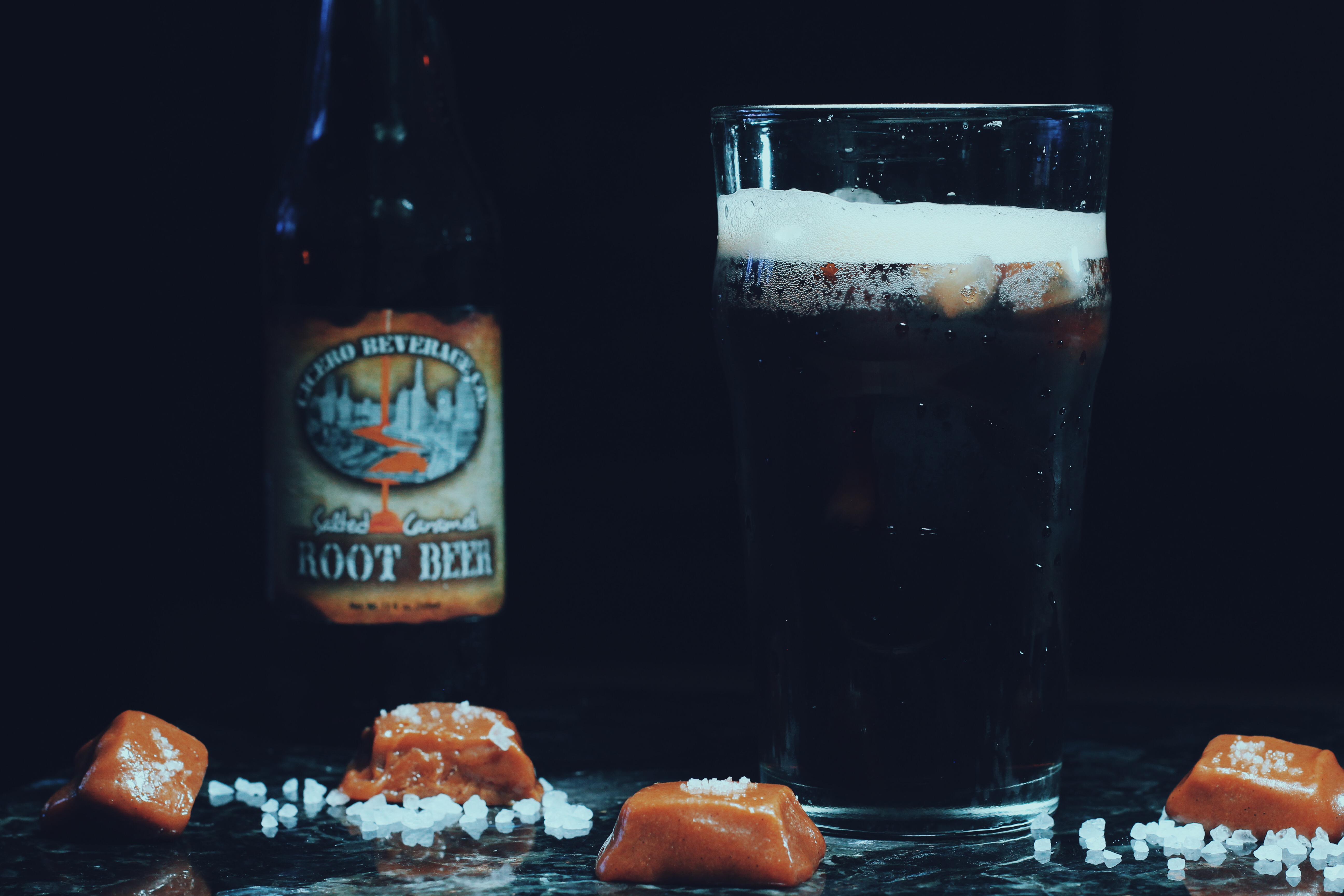
History: As children, walking into a candy store was like finally finding the right key to a door that unlocked our wildest imaginations. It was a wave of sensory overload. The vibrant colors, the endless options; it was a fantasy. Desiree Alonzo is drawing inspiration from those dreams. At the Chicago-based craft soda business, Cicero Beverage Co., Alonzo and her team try to create sodas based on the same types of things we found in candy stores as kids and today oogle at on food blogs as adults. Alonzo tells us that Cicero is trying to put dessert in a bottle while keeping it refreshing and flavorful. “I try not to get ideas from beverages because they’re probably already out there,” she explains. Cicero makes a full range of flavors, but they’re known for their nontraditional ones, most notably their salted caramel root beer.

Alonzo started her soda business in 2008, but it wasn’t until the introduction of the salted caramel root beer in late 2013 that it took off. It’s still the company’s most popular flavor today, earning a variety of accolades from competitions and bloggers. In an increasingly competitive craft soda market, Alonzo acknowledges that the company’s flavors “100% needed to make us unique.” And while the salted caramel root beer has seemingly done the job well, she confesses more importantly it gave the company confidence. Alonzo describes her prized specialty root beer as smooth with a unique caramel flavor. The secret ingredient? Salt. And while this won’t surprise most of you based on the name, it is very, very rare for a company to actually add salt to its soda. Sweet and salty still continues to be a hot trend on the gourmet dessert scene. It’s still in its infancy in craft soda. Let’s see what all the fuss is about.

Where to get: You can find Cicero Beverage’s Candied Bacon Cream Soda at Cost Plus World Market locations around the U.S. If you’re not near a physical retailer, you can also find it online at Summit City Soda or Amazon.

Nose: Vanilla; subtle caramel; sassafras; brown sugar. Smells very creamy, more like a root beer float than root beer itself.

Taste: Vanilla; mild caramel; creaminess; mild maple. You’ll taste the creamy vanilla first and foremost. 7/10 on the creamy scale. The caramel follows next, quickly after the vanilla. The faster you drink this, the more the caramel replaces vanilla as the root beer’s dominant flavor. It also absorbs the vanilla’s creaminess. If you take your time in between sips, you’ll probably notice the vanilla slightly more. Interesting. What you won’t taste are two traditional root beer flavors: birch and wintergreen mint. This does not have a bite and the carbonation is mild. However, it’s also not overly sweet. Vanilla and caramel dominate the body of the soda, while a mild maple flavor permeates in the background.

Finish: Sugar and salt that transitions into bold maple.

Rating: For a sweet root beer, Cicero Beverage Co.’s Salted Caramel Root Beer is a very smooth soda. It pours beautifully with a nice head and has an optimum amount of creaminess. Creamy vanilla and caramel highlight this root beer’s flavor profile. What’s interesting is depending on how long it takes you to drink it, one flavor will stand out more than the other. The longer you wait in between sips, the more you’ll taste creamy vanilla. If you’re excitable and buzz saw through it like my uncle on a pint of Jack Daniels, the more the caramel stands out. It’s subtleties like that a craft soda drinker can appreciate. A couple other flavors also stand out, though much lower in the flavor profile: salt and maple. You taste both on the finish. The salt is barely there. If you really search for it, you can find it. The maple is more noticeable, again, notably on the finish. It’s probably a little too strong in my opinion. It has great flavor, but after a rush of vanilla, sugar, and caramel, another sweet flavor will be pushing it for some drinkers. This is where I think the root beer would really benefit from a flavor that pushes back, like mint or birch or sassafras. Cicero’s Salted Caramel Root Beer will always have its detractors for this reason, a lack of traditional root beer flavors… even though it’s not a traditional root beer. But I gotta hand it to Cicero; despite the trendy flavor choice, this is not a novelty root beer. When looking at the label and thinking, “salted caramel root beer?” many will be hesitant to try this because it is such an odd flavor choice in a root beer. But this is an enjoyable root beer I’d happily drink again and I’d encourage others to twist the cap off one. Cicero takes vanilla and caramel, two flavors more common in cream soda, and successfully incorporates them into root beer in an elegant fashion. This won’t be a root beer you drink every day, but as a drinkable dessert, it does its job well.

Four Stars

Cicero Beverage Co.: Candied Bacon Cream Soda

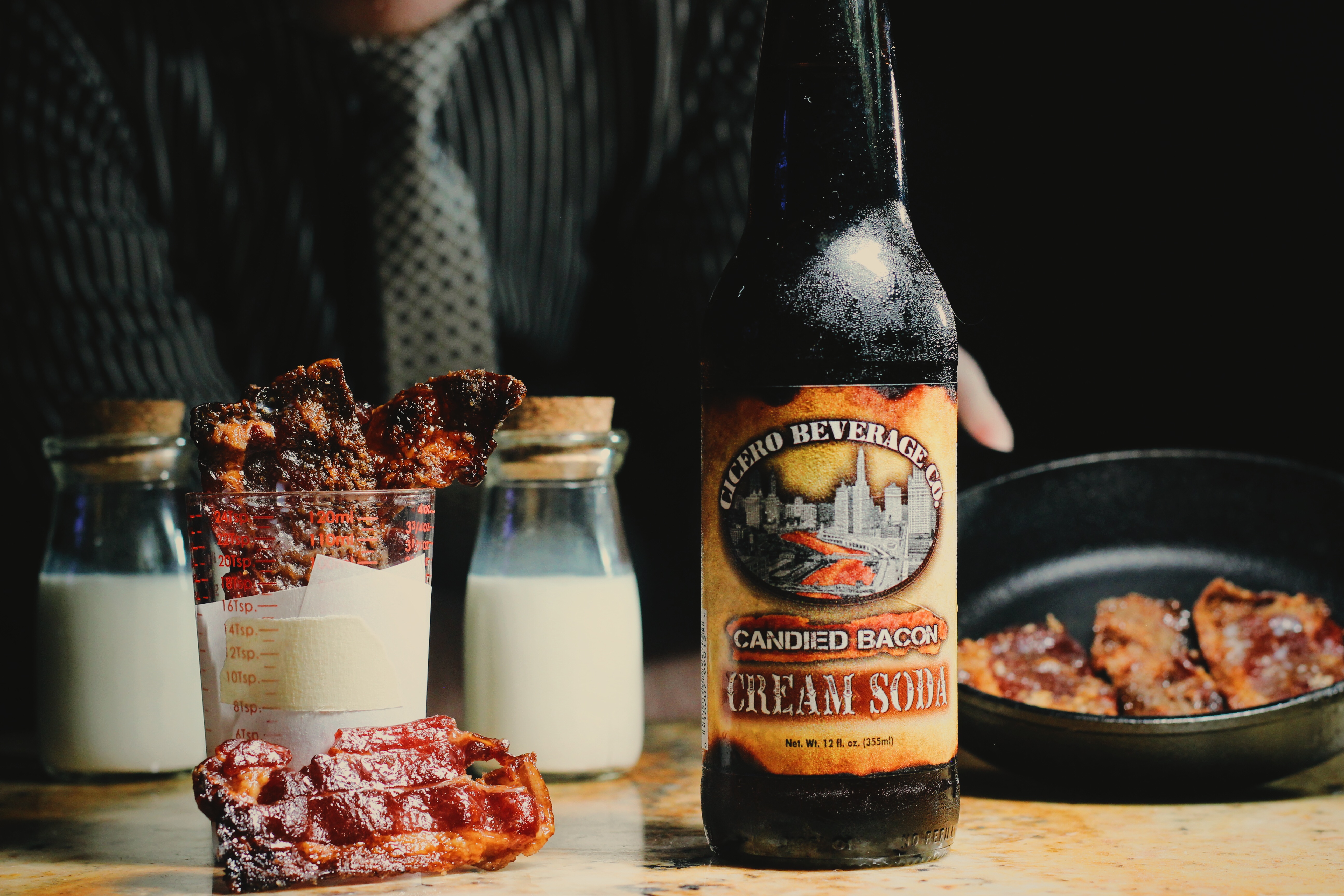
History: You’ve probably heard of bacon soda by now. Take a look at reviews on YouTube. The results are… unsavory. “Vegetable mixed with gasoline” and “made my eyes water” were some of the comments made in just the first two videos we watched. Simply put, bacon soda is usually a gag gift. It’s a gimmick. Cicero Beverage Co. out of Chicago, Illinois wanted to break the mold. See, this is a company that actually makes real flavors. You’ll find the usual root beer, cream soda, and orange cream flavors scattered amongst the bunch. But we’d be lying if we told you they were known for their “normal” flavors. It was the company’s salted caramel root beer that put it on the map. Cicero Beverage Co. President Desiree Alonzo says after the launch of the salted caramel root beer at the end of 2013, the company “took off as a full time business.” To this day, it’s the company’s most popular flavor. But it’s followed closely by another unique offering. Bacon? Bacon. Yes, Cicero decided to tackle craft soda’s court jester flavor by putting their own spin on it. Instead of doing a strictly bacon-flavored soda, the company introduced a candied bacon cream soda. “It’s not just a novelty…. It’s not bacon forward,” says Alonzo. It is admittedly hard to trust her words because I’ve had my taste buds abused so many times by the bacon sodas of samplings past. There are more and more bacon sodas popping up all over the world now. Each one is like going on a new date with the same broken promise. “No, no. I’m not like her. You can trust me. We’ll have fun ;).” It always ends in a broken heart and a battered stomach. But here’s a bit of information that might ease your fears about this one. Alonzo tells us “I try not to get ideas from beverages because they’re probably already out there.” Phew. Cicero sodas are usually inspired by candies or desserts, rather than soft drinks. Along those lines, she goes on to describe the company’s candied bacon cream soda as “vanilla-forward” with notes of smokey brown sugar bacon and a little bit of maple. “It’s very much a cream soda with a bacon finish,” she explains. Everyone loves a good cream soda. And she does a good job selling it. Maybe I’m a sucker, but I guess I’ll put myself out there one more time.

Where to get: You can find Cicero Beverage’s Candied Bacon Cream Soda at Cost Plus World Market locations around the U.S. If you’re not near a physical retailer, you can also find it online at Summit City Soda or Amazon.

Nose: Caramel; vanilla; sugar; milk chocolate. This smells the same as creamy caramel rich in vanilla and coated in a thin layer of chocolate, like a confectionary treat.

Taste: Vanilla; pork salt; hickory flavor. Definitely a blend of sweet and savory. Sugar and vanilla are immediate on the tongue, quickly followed by a smoked pork flavor. I taste more of a BBQ pork flavor than bacon. The smokiness has notes of hickory chips and salted meat. The sweet and savory elements have a surprisingly good balance due to the fact that this has a very, very, very high sugar content at 58 grams a bottle. The savory flavors are initially strong, but mellow over time after continual sips.

Finish: Smokey bacon with sugar… so candied bacon. The truest part of the soda and the only portion that actually tastes like bacon.

Rating: If there’s one thing the world has an abundance of, it’s bacon-flavored things. A quick Google search gives you some pretty eye-opening results, several of which are NSFW. Cicero Beverage Co.’s Candied Bacon Cream Soda is safe for work, but not everyone will allow it safe passage to their taste buds. This was always going to be a divisive soda simply due to the fact that soda is a prototypical sweet beverage, and Cicero is merging that flavor profile with savory and salty elements. The basic question most will ask is, “does it actually taste like bacon?” Answer: sometimes. The soda definitely has a candied bacon finish with a dash of smokiness. But I think the savory elements taste more of smoked pork and hickory chips than bacon. There’s definitely still a pig influence on this soda. Oink, Oink. Still, this is a cream soda rooted in sugar and vanilla – like most of them, but this one has a smokiness that sets it apart in terms of the overall flavor experience. That smokey flavor can be disjointing on the first couple sips, even when you’re expecting it. The pork flavor is bold, but mellows over time and becomes more of a smoked hickory taste that supplements the sugary vanilla notes. The balance of sweet and savory helps justify why the soda’s sugar content is so high (a third higher than most craft sodas). The vanilla and sugar in this are really nice – they make me want to try just a normal cream soda from Cicero. Despite the taste bud whip flash the soda’s bacon elements might give you in the beginning, the smokey flavor is a fun change of pace. Personally, I’d probably mellow them even more so they had just the slightest influence on the flavor profile. If you’re into cream soda or simply adventurous beverages, Cicero’s Candied Bacon Cream Soda should be on your radar. It probably isn’t something you’ll regularly drink, but it’s a fun one to add to your list.

Three Stars