Other Stuff

Natrona Bottling Company: Bauser Champayno

History: Sometimes a product comes along in craft soda that’s so novel(ty) and simultaneously cool, you buy it without question. Natrona Bottling Company produces several different flavors likely to catch eyes and furrow brows, from Plantation Style Mint Julep and Pennsylvania Punch to the smaller, more sophisticated Bauser Champayno. But… what is Champayno? On the surface, it appears to be a miniature version of regular soda, perhaps with a mock champagne flavor. I can’t promise you that will be the case and neither can Natrona Bottling’s Owner, the self-proclaimed “Sultan of Soda,” Vito Gerasole. “I don’t know how to describe the flavor,” he confesses. Gerasole is a proud Italian who to this day still works at his family restaurant, Gerasoli, in Pittsburgh, Pennsylvania. But in 2010 he was given a chance to take the reigns of the failing Natrona Bottling Company, a soda bottler that had been in business since 1904. The Natrona, Pennsylvania soda company had just $4,000 left in their bank account when an angel investor provided a financial opportunity for Gerasole to fix things. Fortunately, Natrona had very little debt; all they needed was a new marketing push. But for Gerasole, why take the time and effort to breath life back into a white dwarf in the rapidly expanding craft soda galaxy?  “I’m a very nostalgic person,” he tells us. And Natrona is a very nostalgic company. In fact, the bottler’s signature is that it still uses a very old method of production for the bubbles in their soda. How old, you ask? Gerasole boasts, “I believe we are the last soda producer that uses a style of carbonation called ‘pinpoint carbonation’.” Basically what this means is you should taste much smaller bubbles than you’re accustomed to in soda, almost along the lines of champagne. This is achieved by dropping dry ice pellets into pressurized tanks, creating a much smoother, tinier bubble. “Effervescent” is a term Gerasole kept using to describe it. From nearly bankrupt back to bubbling over in business, Gerasole sought to add new flavors to the company. The one he introduced but still doesn’t quite seem to understand is Champayno. It’s a bit of a mystery even to its creators, so much so we have no information with which to detail it. Gerasole best describes it as a 6.3 ounce bottle of dry soda made with pure cane sugar that he one day may transition into a mixer. It was inspired by a similar beverage made by a company called Champay in the 40’s when sugar was being rationed for the war. Admittedly, those sodas were more popular in the 70’s and 80’s. Now that sweeter sodas are back and bigger than ever, Gerasole isn’t sure about the future of Champayno. I’d get your hands on it now while you can because it might just become a collector’s item in the future.

Where to get: You can find Natrona Bottling Company sodas in Pennsylvania, Ohio, and West Virginia. But as for Bauser Champayno, because some retailers don’t stock it, you’re most reliable bet is to buy it online directly from Natrona Bottling.

Nose: Kind of like not quite fermented white grapes – like a fizzy white wine. Pretty mild overall.

Taste: Ginger ale; mild white grapes. This definitely tastes like a dry ginger ale with a white grape influence. The carbonation is flush with lots of tiny, little bubbles that feel nice in the mouth. It’s dry. Very, very crisp for a soda, but with enough sugar to make it easy to drink. There’s a pretty distinctive tang to this soda, and I’d say that’s its defining characteristic. Has more of a zip than most ginger ales, just not in a spicy way. Instead of a spicy kick, this has a tangy white grape flavor that accompanies the dry ginger ale flavor. I wouldn’t call this champagne-like, but rather a unique take on a classic ginger ale.

Finish: Similar to the body of the soda, though slightly more acidic and tangy. Not a lot of variance.

Rating: Does Champayno taste like champagne? No. But honestly, does that really sound like a good idea? If we learned anything from those Harry Potter Jelly Beans that came out years ago, it’s that not everything in life – namely dirt and boogers – needs to be imitated in food. We don’t need champagne-flavored soda either. But we might need Champayno. It’s like a ginger ale that got dressed up for a fancy party. For one, look at the bottle. I’m a full-grown man, and even I think this little 6.3 oz. bottle is cute as hell. The flavors are familiar, yet different. It has all the characteristics of a mild ginger ale: flavor, crispness, and dryness. But there’s also a white grape tanginess you taste here that isn’t present in other ginger ales. This and the carbonation are the only traits that make it remotely comparable to champagne. Champayno is definitely a grower, the problem is that at 6.3 oz., it’s gone before you can really process its unique flavors. For that reason, I don’t think I can confidently rate this higher than three stars, though I definitely think if I had more of the liquid, I might rate it higher. I get that the smaller bottle conveys a greater sense of sophistication, but I think you need about 10-12 ounces of Champayno to fully appreciate it and make a judgement on it. I also think the subtle white grape flavors really work well here and I wouldn’t mind if they were strengthened ever so slightly. There’s a lot of good stuff going on here. It’s fun. It tastes nice. And it looks classy. It’s also not the easiest soda to acquire, which for many will increase the appeal even more. If you can get your hands on a tiny bottle of Champayno you just might be the coolest one at the party. Definitely one to put on your list.

Three Stars

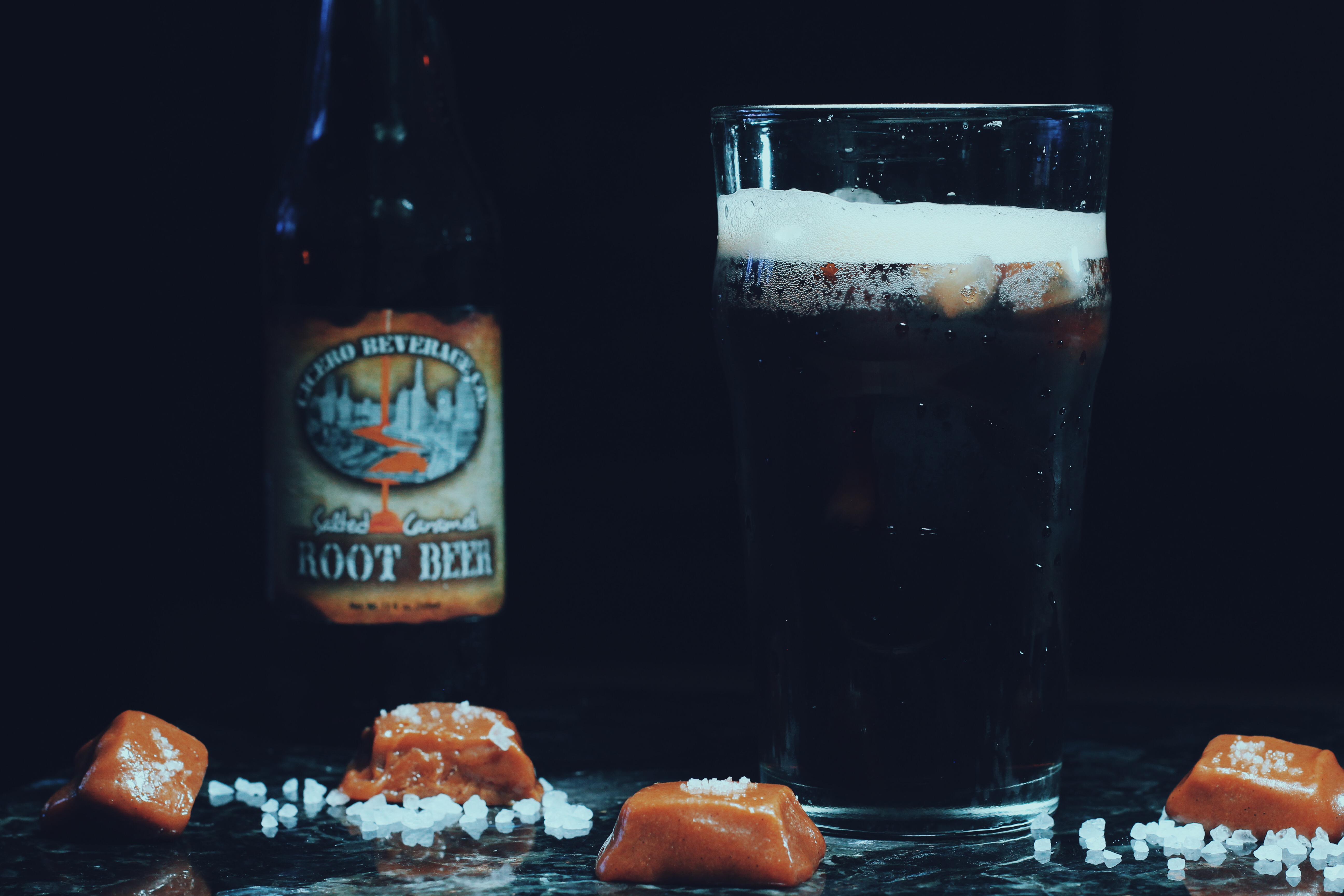
Cicero Beverage: Salted Caramel Root Beer

History: As children, walking into a candy store was like finally finding the right key to a door that unlocked our wildest imaginations. It was a wave of sensory overload. The vibrant colors, the endless options; it was a fantasy. Desiree Alonzo is drawing inspiration from those dreams. At the Chicago-based craft soda business, Cicero Beverage Co., Alonzo and her team try to create sodas based on the same types of things we found in candy stores as kids and today oogle at on food blogs as adults. Alonzo tells us that Cicero is trying to put dessert in a bottle while keeping it refreshing and flavorful. “I try not to get ideas from beverages because they’re probably already out there,” she explains. Cicero makes a full range of flavors, but they’re known for their nontraditional ones, most notably their salted caramel root beer.

Alonzo started her soda business in 2008, but it wasn’t until the introduction of the salted caramel root beer in late 2013 that it took off. It’s still the company’s most popular flavor today, earning a variety of accolades from competitions and bloggers. In an increasingly competitive craft soda market, Alonzo acknowledges that the company’s flavors “100% needed to make us unique.” And while the salted caramel root beer has seemingly done the job well, she confesses more importantly it gave the company confidence. Alonzo describes her prized specialty root beer as smooth with a unique caramel flavor. The secret ingredient? Salt. And while this won’t surprise most of you based on the name, it is very, very rare for a company to actually add salt to its soda. Sweet and salty still continues to be a hot trend on the gourmet dessert scene. It’s still in its infancy in craft soda. Let’s see what all the fuss is about.

Where to get: You can find Cicero Beverage’s Candied Bacon Cream Soda at Cost Plus World Market locations around the U.S. If you’re not near a physical retailer, you can also find it online at Summit City Soda or Amazon.

Nose: Vanilla; subtle caramel; sassafras; brown sugar. Smells very creamy, more like a root beer float than root beer itself.

Taste: Vanilla; mild caramel; creaminess; mild maple. You’ll taste the creamy vanilla first and foremost. 7/10 on the creamy scale. The caramel follows next, quickly after the vanilla. The faster you drink this, the more the caramel replaces vanilla as the root beer’s dominant flavor. It also absorbs the vanilla’s creaminess. If you take your time in between sips, you’ll probably notice the vanilla slightly more. Interesting. What you won’t taste are two traditional root beer flavors: birch and wintergreen mint. This does not have a bite and the carbonation is mild. However, it’s also not overly sweet. Vanilla and caramel dominate the body of the soda, while a mild maple flavor permeates in the background.

Finish: Sugar and salt that transitions into bold maple.

Rating: For a sweet root beer, Cicero Beverage Co.’s Salted Caramel Root Beer is a very smooth soda. It pours beautifully with a nice head and has an optimum amount of creaminess. Creamy vanilla and caramel highlight this root beer’s flavor profile. What’s interesting is depending on how long it takes you to drink it, one flavor will stand out more than the other. The longer you wait in between sips, the more you’ll taste creamy vanilla. If you’re excitable and buzz saw through it like my uncle on a pint of Jack Daniels, the more the caramel stands out. It’s subtleties like that a craft soda drinker can appreciate. A couple other flavors also stand out, though much lower in the flavor profile: salt and maple. You taste both on the finish. The salt is barely there. If you really search for it, you can find it. The maple is more noticeable, again, notably on the finish. It’s probably a little too strong in my opinion. It has great flavor, but after a rush of vanilla, sugar, and caramel, another sweet flavor will be pushing it for some drinkers. This is where I think the root beer would really benefit from a flavor that pushes back, like mint or birch or sassafras. Cicero’s Salted Caramel Root Beer will always have its detractors for this reason, a lack of traditional root beer flavors… even though it’s not a traditional root beer. But I gotta hand it to Cicero; despite the trendy flavor choice, this is not a novelty root beer. When looking at the label and thinking, “salted caramel root beer?” many will be hesitant to try this because it is such an odd flavor choice in a root beer. But this is an enjoyable root beer I’d happily drink again and I’d encourage others to twist the cap off one. Cicero takes vanilla and caramel, two flavors more common in cream soda, and successfully incorporates them into root beer in an elegant fashion. This won’t be a root beer you drink every day, but as a drinkable dessert, it does its job well.

Four Stars

Boots Beverages: Caramel Apple

History: Boots Beverages has a Texas-sized appetite for creating unique craft sodas rooted in comfort flavors. The Bryan, Texas-based company has been in the family since 1930 and boasts nontraditional flavors like Coconut Cream, Picture Show Red Hot, and Caramel Cola. The company tries to recreate flavors that were available back in the old picture shows of the 1950’s. In October of 2015 the Boots introduced four new flavors. The one you’re least likely to see replicated on the market is their caramel apple soda. Its biggest fan might just be the company’s Chief Operating Officer, Mark Kristen (who also runs Kristen Distributing). Kristen is the third generation of his family to run Boots Beverages. It’s a labor of love for him. He’s a sweet man with a booming baritone voice that oozes southern drawl, making him seem larger than life. After speaking with him multiple times, I wouldn’t be shocked if he occasionally just wanders off in the woods looking for bears to wrestle. He says the newly-introduced caramel apple soda is his favorite, a flavor inspired by his late grandmother, Laura Kristen. Her photo is featured on the label. In fact, you’ll find a different one of Kristen’s relatives on the label for each flavor of Boots soda. “This whole project seems to be orchestrated by all my relatives who are in heaven. It’s like they’re just handing it to me,” he says, the pride evident in his voice. Kristen was very close to his grandmother, often spending more time at her house than his own. “It’s a memory I recall from my grandma baking the apple strudel on her stove.” He wanted to replicate that flavor of apple strudel, while also getting across slightly savory notes of caramelized apple crust. He says there’s also an apple cider influence on the soda’s taste. He adds the soda is great for pairing with savory meals. Caramel apple seems tailor made for the September through December months where the air is just a little more brisk and the cold air intensifies your favorite fall flavors. One thing Kristen told me to pay attention to was the soda’s smell, something upon which most bottlers don’t focus. Unprompted, he says, “It would be a misgiving not to smell the aroma before it hitting your lips.” When asked what makes their caramel apple soda unique, Kristen was direct: “the flavor.” It’s clear the company has the utmost confidence in their newest typical offering. Time to pull this one out of grandma’s oven… err, fridge.

Where to get: Boots Beverages’ sodas can be purchased directly from the company’s website. Boots is widely available in Texas and around St. Louis, Missouri. The company is currently in the process of creating a triangle of physical distribution from New Mexico, up to New York, down to Miami, Florida, and back.

Nose: Green apples; mild cinnamon; apple pie. Lots of apple sweet treat smells.

Taste: Creamy brown sugar; caramel; mild apple; subtle cinnamon; crust. This is certainly different. The flavors are little hard to place at first. It’s got a one-two punch of brown sugar and caramel flavors. It’s not overly sweet and has brief bursts of carbonation that help accentuate the tartness of the apple flavors. The apple itself is more of a complimentary taste to the creamy brown sugar/caramel combo. It’s there, and it provides a nicely contrasting mild tartness, but it doesn’t stand out like the other flavors. The more you drink this, the more you’ll taste the savory elements. Near the end of each sip, the soda opens up more in the mouth to reveal flavors of pie crust and sweet oats (think cinnamon and brown sugar oatmeal). It takes a while to get all the tasting notes nailed down, but this actually has a pretty sophisticated flavor profile.

Finish: Sweet caramel that transitions into a more savory burned brown sugar and pie crust flavor. Long-lasting linger. Really excellent. Perhaps the best part of the soda.

Rating: Boots Beverages Caramel Apple Soda is quite the mouthful. It’s a mixture of brown sugar, cinnamon, creamy caramel, and slightly tart apple up front with savory pie crust/cinnamon oatmeal notes near the end. It’s almost like an apple cinnamon cream soda. Some will welcome the challenge, but this won’t be for everyone. This is a soda that takes about half the bottle to adjust to because its flavors are so foreign in liquid form. Not only that, but the more you drink this, the more the soda’s subtle flavors reveal themselves – and this is where Boots Beverages Caramel Apple shines. The creamy brown sugar and caramel tastes are evident from the beginning, but it isn’t until you start to get the more savory pie crust and cinnamon oatmeal flavors that you really get a clear picture of the soda’s flavor profile. They provide a nice contrast to the sweetness of the brown sugar and caramel, and impart a more sophisticated taste. The initial burst of sweet brown sugar can be overwhelming, but don’t give up too early. Caramel apple is a sipper out of the bottle. This is one soda that I feel really benefits from ice, which dials back the sweetness just a touch and gives it an even creamier, smoother flavor profile. In addition to the excellent savory flavors going on here, the brown sugar element is also very nice and compliments the mild tartness of the apple. I think if the pie crust flavor came in earlier on each sip, the audience for this flavor would be wider. I fear some may quit on this soda too early. It’s definitely a grower. [insert joke here]. But let me tell you perhaps the greatest value of this soda: as a mixer, preferably with bourbon and a splash of fresh-squeezed orange juice. It’s a perfect recipe for your upcoming holiday family get together and is sure to either put your annoying aunt to sleep or make her even more intolerable, so choose your proportions wisely. Boots Beverages Caramel Apple is a soda that seems perfect for the holiday months. Its nuanced flavor profile makes it a great sipper or a fun partner for your favorite booze. This isn’t one you’ll drink every day, but it is a beverage that successfully takes what many would consider a novelty flavor idea and turns it into a legitimate craft soda.

Four Stars

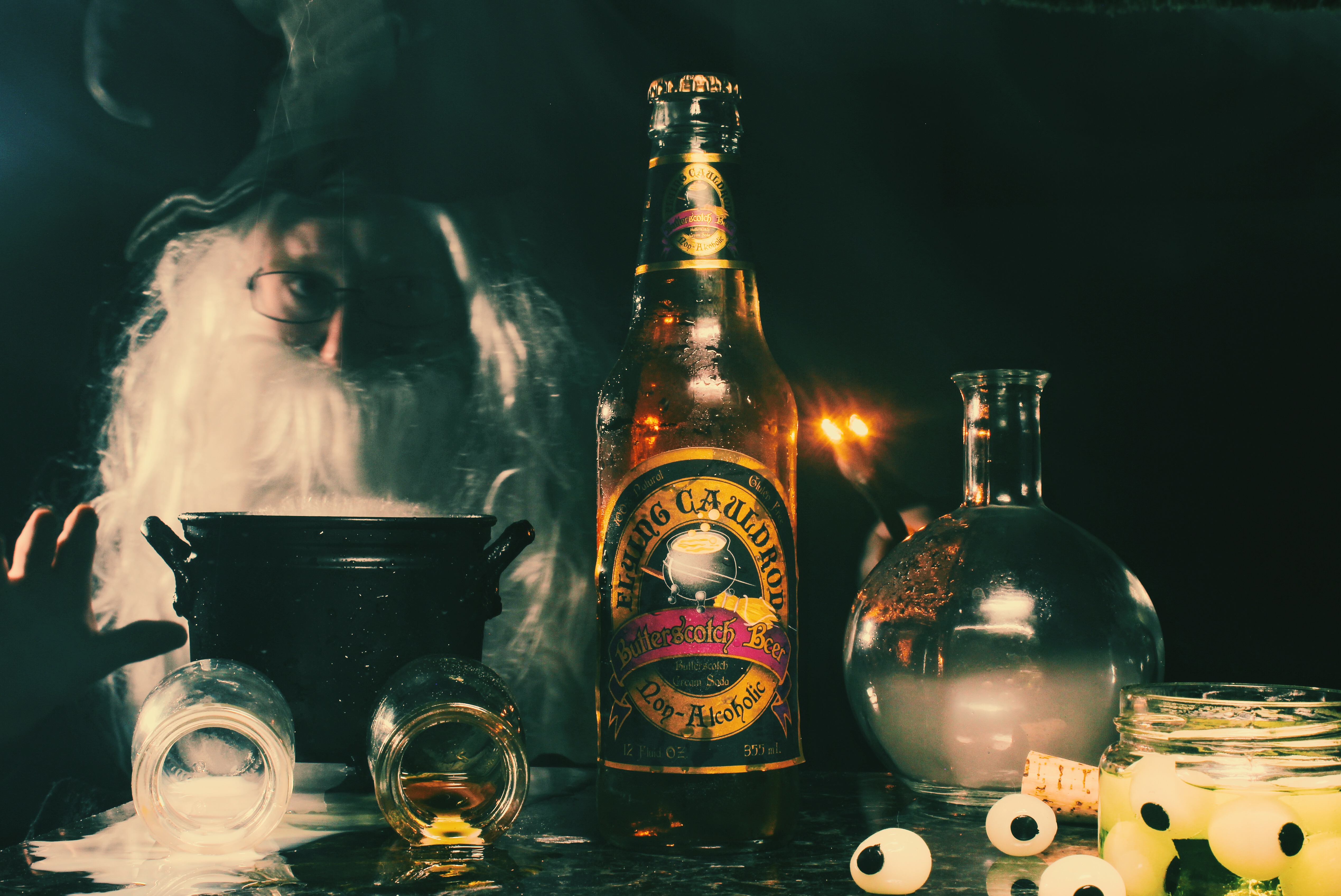
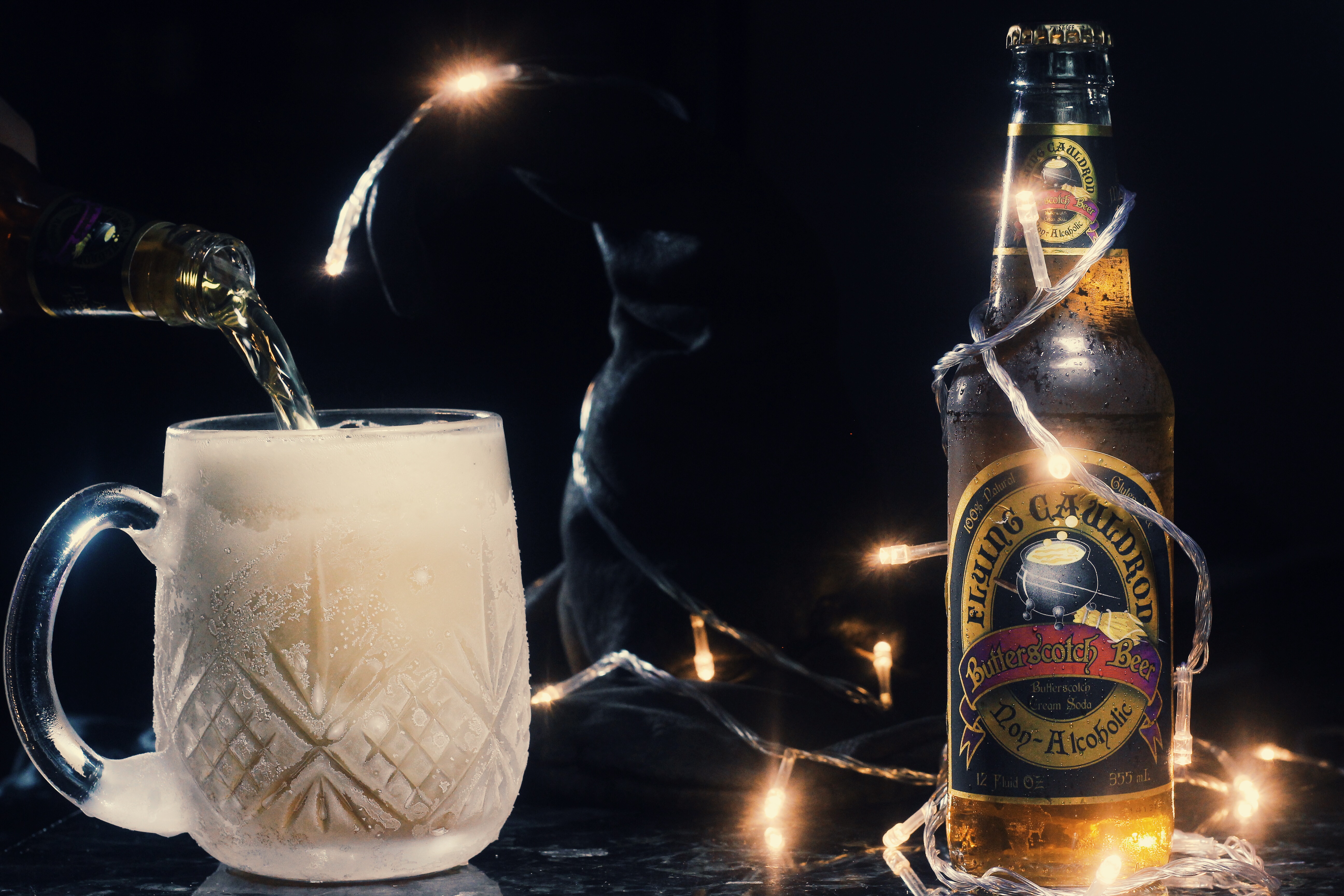
Flying Cauldron Buterscotch Beer

History: Throw on your cloaks, grab your magic wands, and gather around the cauldron because we’ve got a soda so magical that even the greatest of spells could not stop its forthcoming. Flying Cauldron Butterscotch Beer is the creation of Chris Reed of Reed’s natural sodas. You’re probably most familiar with their Ginger Brews. Despite the name “Butterscotch Beer,” Flying Cauldron is nonalcoholic, and it mimics a certain drink from a certain series of books based on a certain young wizard. In fact, upon its introduction in 2012, the soda actually used to be called “Butterbeer” because Warner Bros hadn’t trademarked the name. So Reed trademarked it. Guess how that went over? Quickly the wizards (lawyers) at Warner threatened to use their excessive magic (money) in an act of the dark arts (court) against Reed’s, so they promptly changed the soda’s name to “Butterscotch Beer.” You’ll notice Butterbeer is now ™ by Warner. So why make Butterbeer™? Reed tells us he was as captivated by the drink as we all were. It “sounded amazing,” he explains. So he began to research. He sent a sales manager to The Wizarding World of Harry Potter in Orlando, Florida to try the Butterbeer™ they serve at the theme park. The sales manager sent some back to give Reed a basis for creating his own version. He told us he could taste the chemicals in it. He wanted his version to be a natural soda, like all of the others in the Reed’s/Virgil’s line. Flying Cauldron started with a base of Virgil’s Cream Soda and then had butterscotch flavor added in. Reed was inspired by a German butterscotch candy with a silky smooth flavor. He tried diligently to replicate that specific flavor and says triumphantly, “I think the butterscotch we ended up with is just phenomenal.” Flying Cauldron contains no artificial ingredients, no GMO’s, and no caffeine. It’s also made with a blend of pure cane sugar and Stevia; this reduces the number of calories in every bottle down to 120. Like the books and movies, Reed concedes the “product has had a life of its own and continues to show up in stores around the country.” He adds that Flying Cauldron is consistently in the company’s top seven sellers. You can find the soda year-round, but it’s most popular in October and November. We’re right on time. Let’s see what kind of sorcery is inside the bottle.

Where to get: Flying Cauldron is distributed nationally. Call your local health food or grocery store to see if they carry it. You can also find it at Cracker Barrel restaurants. It’s also available online from Summit City Soda, as well as the Reed’s online store. You can also get it on Amazon, but it’s a worse deal. And if you’re a retailer looking to sell soda in your shop, or maybe just a deprived wizard, Homer Soda Company is who you should call for those types of inquiries.

Nose: Buttery; bold butterscotch; vanilla cream.

Taste: Sweet butterscotch; mild creaminess; soft vanilla; sugar. There’s big, big butterscotch flavor in this. The initial taste is a mixture of vanilla cream soda with sweet butterscotch, so it really lives up to the butterscotch cream soda label in terms of flavor. Spot on. Definitely sweet. Sugary, even. As it settles into your mouth, the creaminess of the vanilla comes out more, while the butterscotch dominates the flavor profile. Those two elements: creamy vanilla and sweet butterscotch candies combine to create a bold butterscotch cream taste.

Finish: Creamy vanilla and butterscotch swirl together and linger on the back of the tongue. Certainly the creamiest part of the soda.

Rating: Flying Cauldron Butterscotch Beer is one of those sodas that excites drinkers on so many levels. The inspiration, the flavor, the color, the label – it’s all there. It resonates. It’s fun. It’s got an air of mystery around it that you want to literally drink in. Butterbeer™, Butterscotch Beer – whatever you want to call it is fine. The bottom line is you want it in your mouth. Now, this won’t be for everyone simply because butterscotch tends to be a love-it-or-hate-it flavor. And this has enough butterscotch flavor to hold you over for a month. It’s a sweet, buttery candied flavor. There’s a nice infusion of creamy vanilla slightly at the beginning of each sip that becomes much stronger on the finish. I’d like to see that creaminess come out even more. I think it’s the soda’s best element. When I think Butterbeer™, I think of something that’s very creamy with lots of butterscotch tasting notes. This is maybe a 6/10 on the creaminess scale. The vanilla in Flying Cauldron works really well with the butterscotch. It adds that extra something that all good sodas possess. It’s also the biggest reason Flying Cauldron smells so wonderful. I enjoy my women just like I like a fine soda – smelling like vanilla kisses. This is big on butterscotch flavor and sweetness, and even bigger on eye-catching flashiness. The marketing team for Flying Cauldron deserves as much of the praise as the creators of its flavors. This is too much fun and way too interesting not to try at least once in your life. Also makes a tremendous mixer for your favorite fall cocktail. In the mean time, let us know if you develop any powers or the ability to summon dragons.

Four Stars

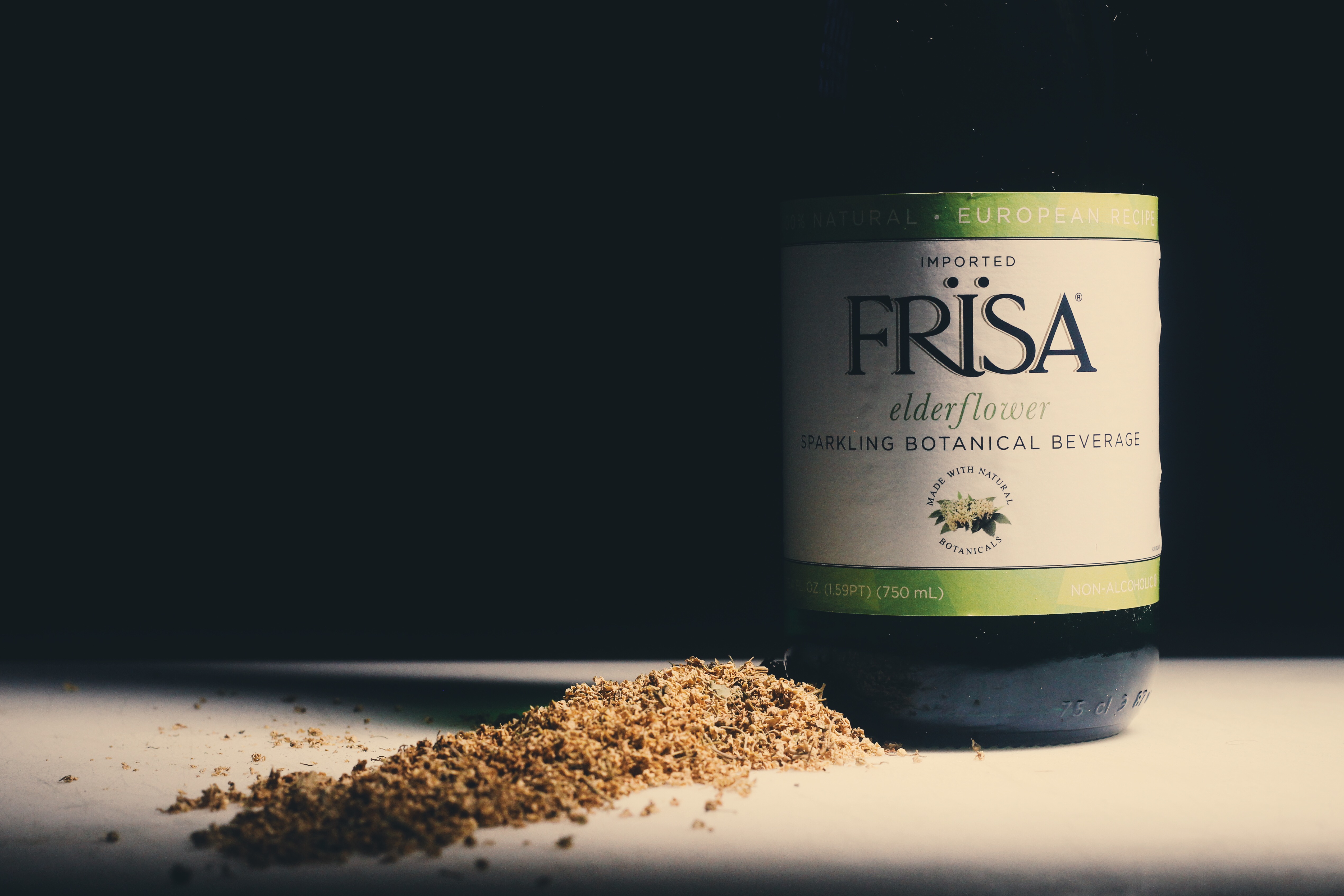
Frïsa: Elderflower

History: “We are soda’s hipper, healthier, edgier – and of course, more delicious! – cousin,” boasts Casey Beard, Frïsa General Manager and COO. I wish my cousin was like that. Had to get a restraining order against him. Frïsa is a new sparkling soft drink out of Minneapolis, Minnesota from Kristian Regale, though this particular brand is marketed as an “ultra-premium European botanical beverage.” It joins a litany of other “sparkling” beverages that further blur the definition of what craft soda is becoming and entails. But for all intensive purposes, it’s still a carbonated soft drink made with cane sugar and premium ingredients. Sounds like craft soda to us. Frïsa is all about creating a soda made with botanicals. For those of you who aren’t aware, “botanicals” typically refer to plant or herbal flavors when it comes to beverages. “We use very unique botanical ingredients, and super surprising flavor combinations. Each ingredient and flavor profile was heavily scrutinized to ensure a delicious taste that rings true on so many different levels,” says Beard. But perhaps their sexiest ingredient is the one we all take for granted in soda: water. Frïsa sources its water from the Pyrenees Mountains. In addition to the botanicals and fancy water, each soda is also made with a modest amount of pure cane sugar. And for you health-conscious soda drinkers, every bottle of Frïsa is gluten-free, non-GMO, and Kosher certified. And every serving clocks in at under 100 calories. Makes me want to strap on a pair of yoga pants and run a casual marathon just thinking about it. Maybe chug a bottle in victory as I gallop past some 60 year-old guy at the finish line. Beard tells us the company’s most popular flavor is elderflower, which has kind of a citrusy flavor and is popular in cocktails. The flavor recently received a BevStar Award from Beverage Magazine in the category of category pioneer, so it’s already receiving some praise despite its newcomer status to the marketplace. It was simply too intriguing for us to pass up.

Where to get: Because Frïsa is still so new, it’s mostly only sold in the midwest and has a small footprint in New York City. You can find it in stores at Kowalski’s Markets and Lunds & Byerlys. As of late October 2015, Frïsa is still not sold online, though we are told online sales should begin within the next few weeks at Frïsa’s website.

Nose: Grapefruit; citrus; hops. Smells like a fruity IPA, almost identical to Deschutes Fresh Squeezed IPA.

Taste: Grapefruit; floral; mild tartness; light pear. This has a really bright and vivid taste. Very floral and fairly fruity. For a beverage marketed as botanical, this is a little sweeter than you’d probably expect, though not to the level of a typical soda. You taste a subtle and frothy tartness in the beginning that’s full of pear and mild citrus notes. The carbonation is very similar to that of champagne or sparkling grape juice. As the drink settles in on each sip, the sweet, floral grapefruit flavor comes in to balance out the initial tartness. This is full-bodied for a soda with a lot of flavor characteristics and subtleties. For example, and this doesn’t happen often, you can tell the quality of water used in this is high. It’s just a very distinct crispness separate from the flavors. There’s also just a little bit of a hops taste that accompanies the grapefruit. Some drinkers might even taste subtle apple notes. We also tasted champagne grapes. This has lots of layer while maintaining a robust, natural flavor throughout.

Finish: Mild floral grapefruit that’s slightly earthy. The botanical elements come out more near the end of each sip.

Rating: Frïsa Elderflower is going to be a pleasant surprise for most soda drinkers. It’s light, but full of flavor. Definitely a more sophisticated take on soda that fits right in the “sparkling” category. This should probably sipped to enjoy all of the subtleties in the flavor profile. I’d recommend chilled with no ice. This is certainly botanical, but it’s still approachable, and that’s critical. So often botanical sodas are too savory or herbal for the majority of soda drinkers to enjoy, but there are familiar flavors in Frïsa’s Elderflower working in tandem with the botanical notes. While it is a very floral drink, you’ll also taste some general citrus, pear, and most notably, grapefruit. Maybe even subtle apple and/or grape. What’s most impressive about Frïsa Elderflower is its ability to pack so much into the flavor profile, while retaining a fresh taste that’s very drinkable. Honestly, at first glance this probably wouldn’t be in the wheelhouse of most craft soda drinkers because of its champagne bottle packaging and unfamiliar flavor. Sometimes those characteristics can be turn offs instead of intriguing elements of a liquid mystery you want to put in your mouth. But this is one you shouldn’t pass over. Sure, the citrus could probably shine more or the earthier elements could be curtailed, but these are the elements that give this soda its character. I, for one, had my doubts coming in, but I’m here to tell you that Frïsa Elderflower is one of the best off the beaten path sodas I’ve tried in a long time.

Four Stars

Sipp: Ginger Blossom

History: “Um, hi. Is this coffee organic?” I hear variations of this phrase from girls rushing to yoga or guys trapped in itchy sweaters and tight jeans endless times a week as I write these reviews in coffee shops around town. Organic. Half the time we don’t even know what it means, but we need it. It’s not just coffee or food… it even extends to alcohol. That’s how this whole thing started. Sipp Eco Beverage CEO and founder, Beth Wilson-Parentice, was a mixologist with her own catering company for organic cocktails. They were good. Glasses full of blackberry juice, lemons, limes, tequila; who says no to that? People wanted these drinks. In fact, they wanted to know how to make them on their own, but upon hearing the methods involved they’d often tell Wilson-Parentice that they weren’t competent enough or didn’t have time. People are lazy. Case in point, I almost didn’t put pants on to write this. Wilson-Parentice decided she’d do the leg work for everyone by creating a nonalcoholic sparkling beverage customers could mix with their favorite spirits. She launched Sipp Eco Beverage in Chester Springs, Pennsylvania in 2009. Company communications manager Carly Mitchell explains that at the beginning of the “organic movement” in 2008 when the idea first came about, “eco” had kind of a hippie vibe to it. Wilson-Parentice wanted to turn that feeling into one of sophistication with a beverage that was versatile with layers of flavor. She wanted to create something that be enjoyed as both a mixer and on its own. “It’s really an anti-soda,” Mitchell notes because she says the beverages are not heavy or syrupy. However, she adds “at the same time, it sort of is a soda” because of its carbonation and use of natural extracts. Five Star Soda take: it’s soda. Shocking, I know. Upon launch, the company’s first flavor was the one we’re reviewing today, Ginger Blossom. “Everyone kind of enjoys the Ginger Blossom because it doesn’t have that harsh ginger taste,” Mitchell tells us. She goes on to explain that it’s a closer relative to ginger ale, but with smoother flavors. As you might’ve guessed, all ingredients in Sipp beverages are organic, but the big takeaway from our interview with Mitchell is the use of agave instead of pure cane sugar. Sipp believes agave gives their soft drinks a more crisp and unique sweetness than sugar. It’s also more expensive. “The biggest thing that we find is different is this very crisp taste,” Mitchell notes. She admits that so often “sparkling” beverages have no flavor and that Sipp wanted to be a company that broke the trend. Take me to flavor town, baby.

Where to get: Sipp Eco Beverages are sold nationwide at a variety of locations, including Albertson’s, Schnucks, Fresh Market, and copious natural or health food stores. Take a look at the company’s online locator near the bottom of their website to find the retailer nearest you. You can also purchase it online directly from SIPP here.

Nose: Mostly a lime-ier version of lemon-lime with a little bit of a floral ginger scent.

Taste: Lime; floral ginger; vanilla bean. A rare instance in soda where the smell translates almost exactly to the taste. You’ll taste lime first. It’s a familiar lime, like in lemon-lime soda… it’s just that there’s no lemon flavor. The lime isn’t sour, but has some tartness. The tartness slowly fades into the background, but stays throughout the rest of the drink. Next come the ginger and vanilla. These two flavors seem to be tied together. You’ll taste more ginger first, but it’s a subdued ginger flavor. Nothing like ginger in a ginger beer. No, this ginger flavor is slightly sweet and floral due to the vanilla. Definitely closer to ginger ale. The longer you take between sips, the more you’ll taste the vanilla notes. It’s nice and soft and adds just a touch of transformative flavor near the end of each drink. This tastes very light with mild sweetness, but has convincing flavors.

Finish: Vanilla bean. Slightly, slightly creamy. Also a little bit of lime. Vanilla-lime, actually. Refreshing and unique.

Rating: Sipp Ginger Blossom is definitely part of the new age of soda. It’s soda for those who are more health-conscious. It’s soda for those who still want flavor, but won’t put up with excessive calories. At only 21 grams of sugar and 100 calories a bottle, in the eyes of traditional soda drinkers, Sipp is like a cute hipster girl with fake glasses and a nose ring ordering kale at the local market – you’re not sure the two of you would work out, but you wanna try it. Ginger Blossom’s core flavors: ginger, vanilla, and lime certainly sound intriguing on paper. In my opinion, any combo of two of those flavors sound great. Combing all three sounds like a challenge. But to the company’s credit, the flavors don’t overpower each other or combine to form some sort of liquid experiment gone wrong. The lime is the boldest flavor you’ll taste, but the vanilla might just be the star of the drink – funny, for a soda called Ginger Blossom. The lime’s tartness meanders throughout each sip as the vanilla gives the ginger a soft, floral taste. I suggest waiting several seconds in between sips to get the vanilla’s full effect. To dumb it down, Sipp Ginger Blossom is like a more sophisticated version of lemon-lime soda fused with a floral ginger ale. The lime’s tartness is excellent and the vanilla pairs great with its companion flavors. I’d just like to taste the ginger more and see it emboldened in the flavor profile, especially for a drink that bears its name. Think ginger ale as a template going in instead of ginger beer and I think you’ll enjoy your stay with this beverage much more. Sipp Ginger Blossom is one of those sodas that just catches your eye based on its flavors. It’s an intriguing mixture of flavors. We can’t object to you indulging yourself in it.

Four Stars


Dry Sparkling: Lavender

History: “I believe we’re creating a new category of soda,” says Dry Sparkling CEO and founder Sharelle Klaus. The Seattle, Washington-based Dry Sparkling is and has been at the forefront of the artisan, lower calorie, natural soda movement. The company began in 2005 and is about to celebrate its tenth anniversary. The bottles are sleek, modern in packaging design. Each flavor is translucent in color. There are only four ingredients in every soda: carbonated water, cane sugar, natural flavors, and phosphoric acid. No flavor contains over 100 calories. And unlike a majority of glass-bottled sodas that are created with the intention of being a nostalgia-inducing sweet treat, Dry Sparkling’s flavors were engineered with more of a culinary mindset. “I know that you can pair food with a nonalcoholic,” Klaus tells us she recalled thinking, adding she sometimes had thoughts like, “I really want a basil soda with this plate of spaghetti.” For the record, I too really want a basil soda, and also a girl who’s a 10, but will settle for a six. Dry Soda has been more successful in manifesting their vision… so far. In fact, according to Klaus, they’re the fastest growing soda company in the nation. Dry Sparkling designed each of its eight flavors so that they pair well with food. You won’t find craft soda classics like root beer or cream soda here. Instead you’ll experience flavors like Lavender, Vanilla Bean, and Juniper Berry. “It’s all about the flavor for us, honoring the flavor or ingredient,” Klaus adds. These are the New-Age warriors of soda.

Despite Dry Sparkling’s many differences from your typical sugary liquid offering, its creation was closely related to a common denominator almost all sodas shares: children. Klaus laughs as she recounts how she couldn’t drink alcohol for almost ten years of her life when she was either having children or nursing them. Like many women with finer tastes than mine, Klaus loves wine, particularly pairing wine with food. Having four kids threw a wrench in the wine part of that equation, so Klaus sought to create Dry Sparkling, a high-end nonalcoholic beverage that could be paired with a variety of cuisines. I find it ironic the brand has a close relation to kids, but wasn’t created for them. That said, it wouldn’t be the worst idea to get your young ones hooked on this instead of root beer floats unless you want them looking like my stepmom in a few years. Sorry. But not really. The company has completely embraced the crossover between the nonalcoholic crowd and the world of artisan spirits. Klaus tells us, “I was watching craft beer and I thought, ‘this is absolutely what has to happen in soda.’” They encourage drinkers to try their sodas in cocktails. There’s even a whole section on their website devoted to drink recipes. “That’s where the innovation comes from…. Soda should be opened up,” says Klaus.

While the company’s name is technically still Dry Soda, and despite Klaus referring to her products as “soda” in our interview, the business seems to be moving away from the term. “Dry Soda” recently rebranded. Their bottles are now labeled “Dry Sparkling,” as is their website (see update at bottom of page). Klaus acknowledges that she realizes soda is a negative word, but also adds she feels “sparkling” better defines the brand because of the bubbles and low sugar content. Today’s review, lavender, was one of Dry’s original four flavors and also the closest to Klaus’s heart. She tells us she worked on it herself, taking a staggering 1,300 (!!!) flavor tests to perfect the recipe in order to achieve a balance of floral and herbal tasting notes. “It’s the one I’m most proud of,” she says. She recommends pairing the soda with chocolate, so we took her recommendation up in our photos. Klaus says this can be a soda even for the less adventurous, noting she wanted to capture the comfort of vanilla in a lavender soft drink. She laughs, adding, “I have four small children under the age of seven, I needed something soothing.”

Where to get: Dry Sparkling is distributed nationwide. You can find it in stores like Whole Foods and Target, among others, but the best way to find the retailer nearest you is to use the company’s online soda locator. You can buy Dry Soda online from Soda Emporium in single bottles and Amazon in 12-packs.

Nose: I understand this is lavender, but I’m smelling ginger beer and some fruity floral notes. That ginger note is distinct. Unexpected.

Taste: Light; mild citrus; floral. This is light and refreshing. No ginger flavor like on the nose. Lavender is an unfamiliar flavor in soda, so your taste buds’ tendencies will be to look for something it knows first, and what we tasted first was a familiar friend: citrus. Particularly lemon-lime citrus. This flavor becomes less and less prominent as you get accustomed to the sweet floral notes in this soda. There’s only 70 calories in a 12 oz. bottle, but the sugar is prominent enough to satisfy the prototypical soda drinker. It’s likely supplemented by the sweet lavender floral notes on the backend of each sip. The carbonation serves as a buffer between the light citrus and lavender flavors. The bubbles are tiny, and come and go in a flash about half way through each sip. You’ll taste a familiar mild citrus up front that gives way more and more each sip to floral flavors with balanced sweetness.

Finish: Light floral notes of lavender. The lavender tastes like a sweet flower at the finish of every sip, and becomes bolder as the drink goes on.

Rating: Soda drinkers are not often the most adventurous when it comes to flavor, even when enjoying craft or artisan soft drinks. We like some sort of familiarity even when dipping our toes in the deep end. Orange and fennel? Why not, because I know at least one of those flavors. Lavender soda? You might get the insane eyes from your friends. But guess what? Dry Sparkling’s Lavender is actually a safe first step for those wanting to venture out into the unknown. There’s a familiarity to it on first sip in the form of a lemon-lime taste. It’s a nice segue into the soda’s main tasting notes that are floral and slightly sweet in nature. This is a crisp and refreshing soda. It’s light and very drinkable. You could down this in ten minutes and be fine. With a flavor this rare though, I’d suggest savoring it a little more to enlighten your taste buds. I suggest the same thing to all women I date and I’m still strongly single, so maybe just trust your instincts. For a soda with only four ingredients, this is actually quite flavorful. For anyone afraid of trying herbal or botanical sodas, I’d suggest getting your feet wet with this one first. It’s not overly bold in flavor and definitely isn’t something you’ll encounter often. It’s fun. It’s refreshing. It’s different. And it’s definitely worth trying a bottle to gauge for yourself.

Four Stars

Update: This review was edited to reflect the name of the company as “DRY Sparkling” instead of “DRY Soda” at the request of the company.

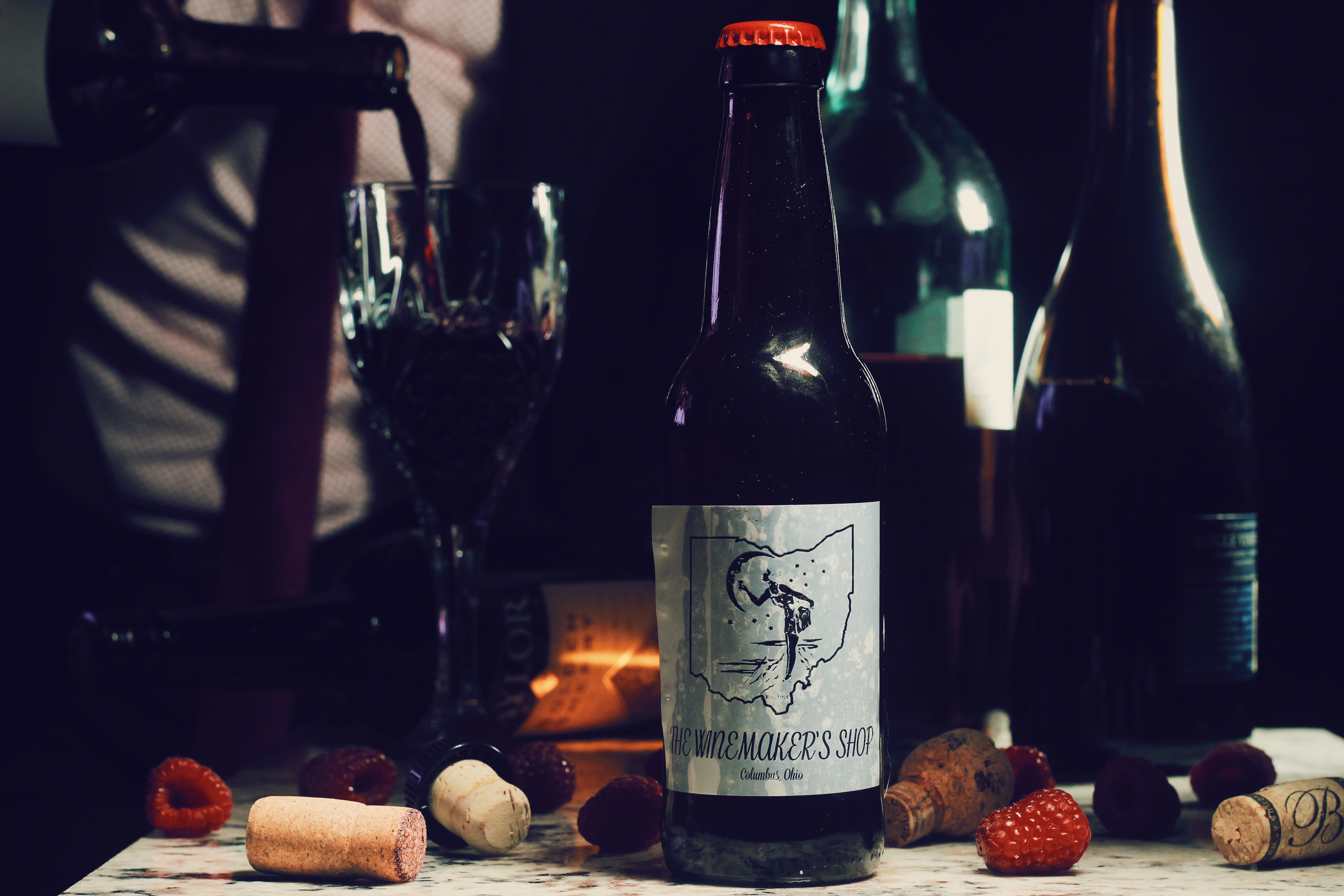
The Winemaker’s Shop: Raspberry Dragonfruit Shiraz

History: There are always whispers in the craft soda community about how closely related gourmet sodas are to the artisan side of the alcohol industry. Both place an emphasis on quality. Both are held in the highest regard of their respective beverage categories. And both share an audience. The Winemaker’s Shop in Columbus, Ohio recognized this and decided to blur the line for drinkers even more by introducing something enticingly original: wine soda. The Winemaker’s Shop, perhaps unsurprisingly, sells wine and beer kits for home brewers. But here is a surprise: the shop doesn’t sell wine or beer. They can’t. In talking to manager Ivan Francis, we learned an interesting tidbit. The Winemaker’s Shop is located in a “dry zone,” preventing the sale of alcohol. The business was founded in 1974 by Ivan’s father and prolific brewer (seriously, he has a degree in it from the Siebel Institute), Scott Francis. His son notes the entire business has “been very interwoven with the brewing development.” Funny, how a business called “Winemaker’s Shop” started with beer. A lot of great things start with beer, to be fair. So do a lot of bad ones, like my first marriage. But the fact remains that the business can’t sell alcohol. This aided the creation of their soda. But there was one more factor that tipped the scales. According to Francis, every summer there is a farmer’s market that sets up shop right outside the business. He recounts how the market would take away both sales and parking from The Winemaker’s Shop. Scott Francis’s wife and co-owner, Nina Hawranick, thought “On a hot day, what’s better than a nice, cool soda over ice?” So last summer, they started producing their wine-flavored sodas and selling them at that same farmer’s market.

It’s pretty easy once you have it explained to you why the soda tastes like wine… because it almost is. Francis tells us they simply take the fruity summer wine grape juice kits, force carbonate the liquid, and add some sugar. Voila. Wine soda. So they’re literally making the soda from the same elements from which you could make wine. You’d just need to add water and yeast instead. Theoretically, you could buy one of their kits and also make the soda yourself if you got the proportions right and had the tools to carbonate it. “You don’t find wine soda in stores,” says Francis. No you don’t, Ivan. The only wine soda I’ve ever had previously was when I poured Zinfandel in my Sprite. But in fairness to me, I was already pretty drunk. Francis notes they usually have around 12 flavors of wine soda at a given time with Green Apple Riesling and Black Raspberry Merlot being the most popular. We went with the up-and-comer, Raspberry Dragon Fruit Shiraz, mostly because you just don’t find Dragon Fruit in soda. It was designed with the idea of the bitterness in the raspberry interacting with the sweetness of the dragon fruit. Francis drops the best quote of our interview right before we hang up, saying Winemaker’s Shop wine soda “gives people a break from alcohol and allows them to drink early in the morning.” Amen.

Where to get: The Winemaker’s Shop sodas are sold at the company’s store in Columbus, Ohio, as well as several other outlets in the area. Unless you’re close to Columbus, this is one craft soda you’ll have to pick up on a road trip.

Nose: Black raspberry; Berry Juicy Juice. Very fruity, lots of berry scents going on.

Taste: Raspberry; berry wine spritzer. This confuses your taste buds because you expect a raspberry soda flavor, but instead get more of a berry wine spritzer/sweet champagne taste. There’s definitely a fermented alcohol-like flavor to this, akin to wine. The dragon fruit isn’t really apparent in the flavor profile, but then again, dragonf ruit doesn’t have a lot of flavor with which to begin. The raspberry presents itself in more of a generic berry form and has lots of fruity berry notes. Imagine a white wine sangria with blueberry, blackberry, and raspberry flavors; that’s the best description I can give you of this soda’s flavor.

Finish: Fine carbonation with the same berry flavor from the soda’s body that tails off. Not a lot that’s different on the finish.

Rating: This is really impressive and interesting, both in concept and flavor. A wine-flavored soda? Who does that? What really stands out though, is that this actually tastes like a berry-flavored wine. I’m not entirely convinced this doesn’t have alcohol in it. That’s how much like wine it tastes. The berry taste is apparent throughout the beginning, middle, and end of each sip. “Raspberry dragon fruit” is the flavor on the label, but we taste a cornucopia of berries in this. I liken it to a white wine sangria allowed to soak in the flavors from blueberries, blackberries, and raspberries. What you’re likely tasting here is the influence that Shiraz wine grape juice has on the raspberry. I mean, I can’t get drunk off this right? This is blowing my mind. What I’d tweak about this soda is the raspberry. I’d like to taste that sweet, fruity raspberry flavor with its mellow acidity as opposed to a generic berry flavor. Upping the raspberries in the recipe probably wouldn’t hurt. The fact that it tastes like wine might also be a turn off to soda drinkers. But if you’re drinking wine soda and you don’t like wine, you were probably held back a grade at some point. The Winemaker’s Shop has created one of the most unique takes on soda being bottled today. It closes the gap between the beer and wine market and the craft soda community for a beverage with mass appeal. It accomplishes what it sets out to do: it tastes like fruity wine. It’s almost uncanny. I don’t grasp the science behind it, but I don’t have to and neither do you. This is one you have to experience to understand.